

We may earn a commission when you buy through links on this page, at no extra cost to you. Learn more.
Eiswein food pairing works best with blue cheese, foie gras, fruit desserts, and creamy pastries because the wine’s intense sweetness and bright acidity balance salty, rich, and fruity flavors. German Eiswein and Canadian Icewine are concentrated dessert wines with enough freshness to accompany savory dishes as well as sweets. Serve them chilled at approximately 46–50°F, use modest pours, and choose food that is not sweeter than the wine.
Eiswein deserves more attention than simply pouring it alongside the last course of dinner. Made from grapes that freeze naturally on the vine, this distinctive wine combines concentrated fruit flavors, pronounced sweetness, and refreshing acidity. That combination creates several useful pairing opportunities, from a small serving of Roquefort to a peach tart or a carefully prepared foie gras appetizer. The best results come from considering the wine’s sweetness, acidity, texture, and grape variety before deciding what to serve.
Understanding Eiswein’s Sweetness and Acidity
The most successful pairings begin with understanding the balance inside the glass. Eiswein is intensely sweet, but its lively acidity keeps that sweetness from overwhelming the palate, making it suitable for both rich savory foods and carefully selected desserts.
Eiswein, also known as ice wine, is produced from grapes left on the vine until naturally frozen conditions arrive. According to the International Organisation of Vine and Wine, the grapes must be harvested frozen and pressed in that state. Its recommended harvesting and pressing temperature is -7°C or below. The resulting juice is highly concentrated because much of the water remains frozen during pressing.
This concentration explains why the wine tastes so sweet and aromatic. Common flavors include apricot, peach, mango, pineapple, honey, quince, citrus, and sometimes raisins. Riesling Eiswein often emphasizes citrus and stone fruit, while Canadian Vidal Icewine can show tropical fruit and peach. Cabernet Franc Icewine may offer strawberry and other red-berry characteristics.
Acidity is just as important as sweetness. It gives the wine a fresh finish and helps it stand up to rich ingredients such as cream, butter, and fatty cheese. A pairing that relies only on sweetness can quickly become tiring, whereas a combination of sweetness, acidity, salt, and texture usually feels more balanced.
Another important consideration is the wine’s intensity. A delicate pear dessert can disappear beside a particularly concentrated Eiswein, while a strongly flavored blue cheese may create a more interesting contrast. Match the intensity of the food to the wine rather than assuming that every sweet dish will work.
The central rule is straightforward: the wine should taste at least as sweet as the food. If a dessert contains more sugar than the wine, the wine can seem sour, thin, or less flavorful. This is particularly important with chocolate cakes, sweet sauces, and heavily sweetened pastries.
Blue Cheese and Aged Cheese Pairings
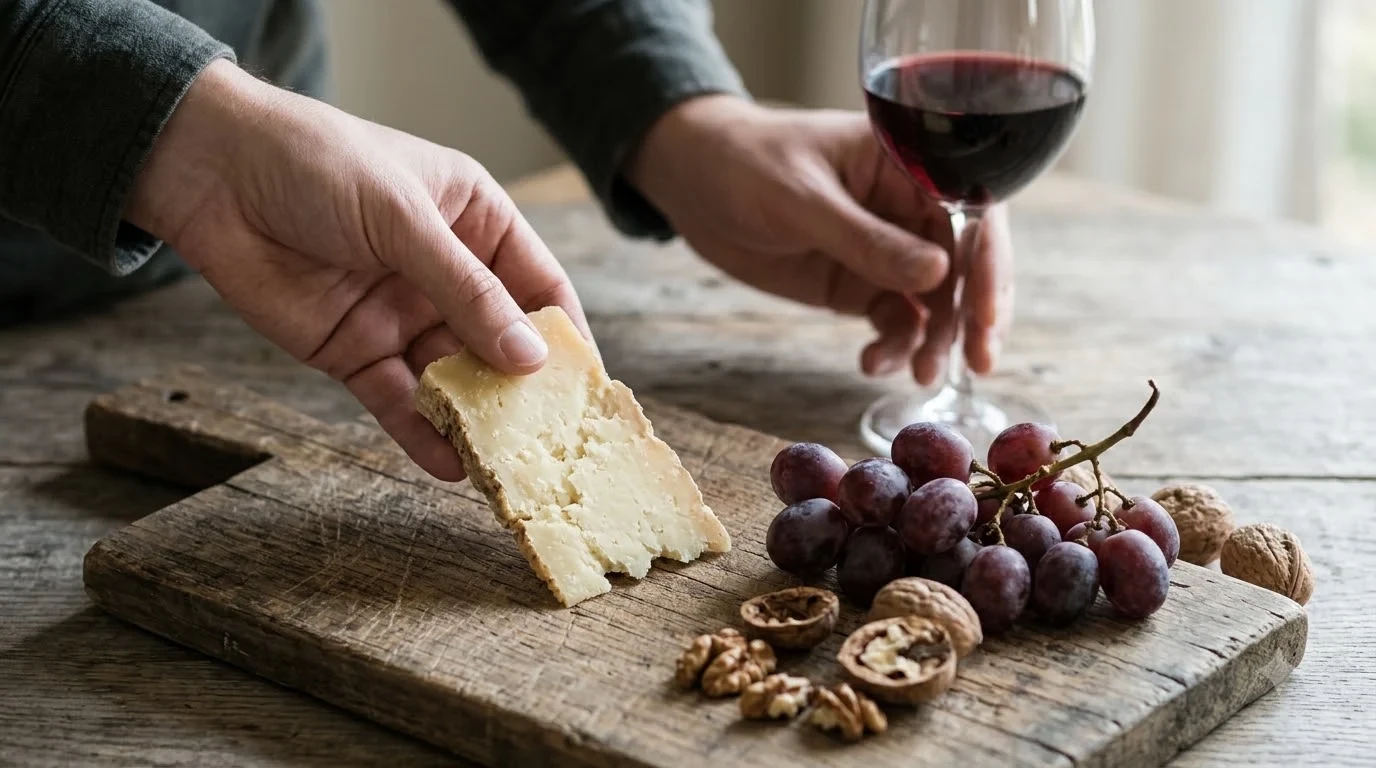
Blue cheese is among the strongest partners for Eiswein because its saltiness and savory intensity contrast with the wine’s concentrated fruit and sweetness. Roquefort, Stilton, and Gorgonzola are especially useful choices, while aged cheddar offers a milder alternative.
Start with blue cheese if you want a pairing that makes the wine’s character immediately apparent. Roquefort brings pronounced saltiness and a creamy, crumbly texture. The sweetness of Riesling Eiswein softens that salty intensity, while the wine’s acidity refreshes the palate after each bite.
Stilton is another excellent option. Its rich texture and distinctive savory flavor create a satisfying contrast with the honeyed and apricot-like character of many ice wines. Serve a small piece with plain crackers or a thin slice of unsweetened bread. Avoid adding sweet chutneys or heavily sweetened preserves, which can make the overall combination excessively sugary.
Gorgonzola provides another route, particularly when a softer cheese is preferred. Creamier versions work well with fruity Vidal Icewine, while more assertive versions can complement concentrated Riesling. A few plain walnuts can add a pleasant crunchy texture without introducing additional sweetness.
Other cheeses worth serving
Aged cheddar is useful when some guests do not enjoy blue cheese. Its savory, nutty character works with the fruit and honey notes of Eiswein, although it does not provide the same pronounced salty contrast. Mature Gouda is another possibility because its caramel-like and nutty flavors can complement the wine’s concentrated fruit.
Goat cheese requires a little more attention. A fresh, tangy goat cheese can work with a fruit-forward Eiswein, especially when served without a sugary topping. However, a very sharp, acidic cheese may compete with the wine’s freshness. Choose a creamy, moderately tangy example rather than the most aggressively sour option.
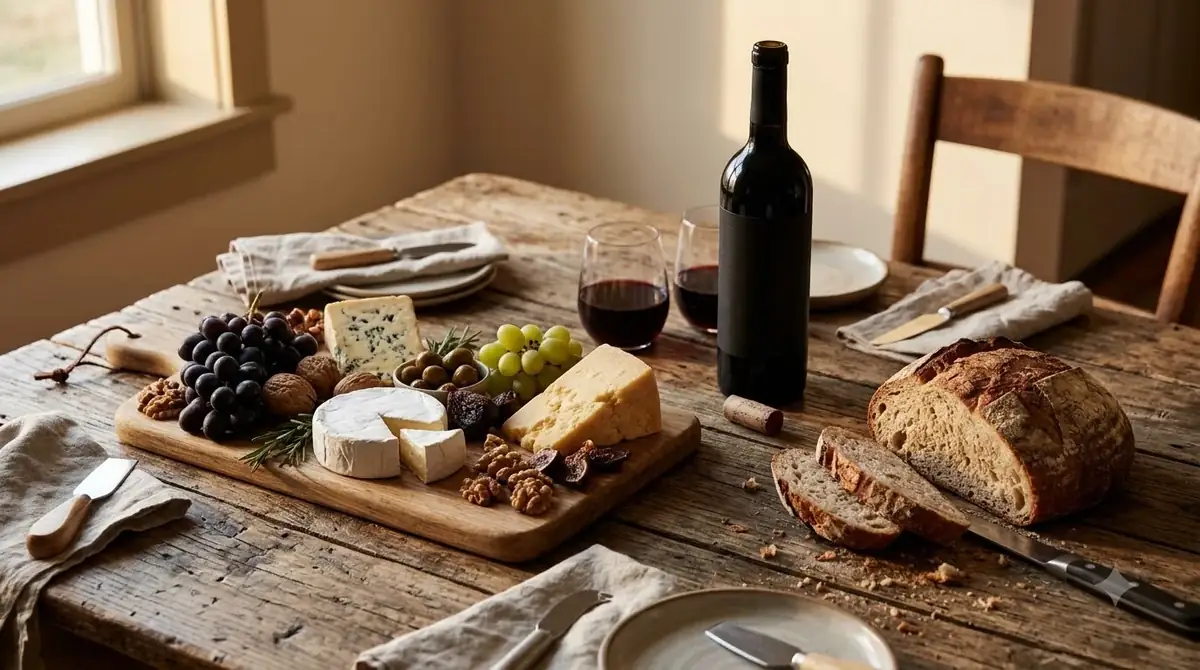
For a simple cheese course, prepare three small portions: Roquefort, aged cheddar, and mature Gouda. Add plain crackers, unsalted walnuts, and fresh pear slices. Pour approximately 1.5–2 ounces of Eiswein per person, then let guests compare how the saltiness and texture of each cheese change the wine.
Tip: Serve blue cheese at a cool room temperature rather than directly from the refrigerator. Its aromas and creamy texture become easier to appreciate, creating a better contrast with chilled Eiswein.
Foie Gras, Pâté, and Rich Savory Foods
Foie gras and rich pâté are classic savory partners for Eiswein because their fat and concentrated flavors contrast with the wine’s sweetness and acidity. The combination is especially effective when the food is served in small portions rather than as a large main course.
Foie gras has a rich, buttery texture and an intense flavor that can overwhelm lighter wines. Eiswein provides enough concentration to remain noticeable alongside it, while its acidity cuts through the richness. This makes it an appealing choice for a celebratory appetizer or a formal dinner’s opening course.
Serve seared foie gras with a small piece of toasted brioche, keeping any fruit accompaniment restrained. A thin slice of pear or a little unsweetened apple preparation can echo the wine’s fruit characteristics. Avoid covering the dish with a heavily sweetened reduction because the combination may become too sweet.
Duck liver pâté and chicken liver mousse are accessible alternatives. Their creamy textures complement the wine, while their savory flavors create contrast. A plain toasted baguette is often enough to complete the plate. For a more substantial appetizer, serve pâté with a small amount of lightly seasoned fruit rather than an entire serving of sweet preserves.
Other terrines can also work. A rich pork or duck terrine with a smooth texture provides an interesting contrast, especially when accompanied by mild spices and a small amount of fruit. Strongly vinegared pickles are less suitable because their acidity can make the wine taste less balanced.
How to build a savory appetizer plate
For four guests, prepare approximately 4–6 ounces of foie gras or pâté, four small slices of toasted bread per person, and a modest serving of fresh pear. Pour a small glass of Eiswein alongside the appetizer rather than treating it like a conventional dry white wine.
The wine’s grape variety can influence the result. Riesling Eiswein is a good choice when the dish needs freshness and citrus-like lift. Vidal Icewine can provide a broader tropical-fruit character, while a fruit-driven Cabernet Franc Icewine offers a different profile for richer preparations.
Fruit Desserts and Creamy Pastries
Fruit-based desserts are among the easiest sweet dishes to match with Eiswein. Apricot tart, peach pastries, pear desserts, fruit sorbet, and lightly sweetened cheesecake complement the wine’s natural fruit aromas without necessarily overpowering its acidity.
Apricot is a particularly natural choice because the fruit frequently appears in the aroma profile of German Riesling Eiswein. An apricot tart with a buttery pastry crust provides a combination of fruit, fat, and gentle sweetness. The wine reinforces the apricot flavors, while its acidity keeps the pastry from feeling too heavy.
Peach desserts are another good option. A peach tart, poached peaches, or a modest serving of peach sorbet can complement the wine’s stone-fruit character. Choose preparations that preserve the natural fruit flavor instead of adding excessive sugar. A dessert with a light glaze is generally easier to match than one covered in thick syrup.
Pears offer a more delicate pairing. Poached pears with a restrained amount of honey or a lightly spiced pear tart can work particularly well with Riesling or Grüner Veltliner Eiswein. Cinnamon and vanilla provide aromatic complexity, but strong spices should remain secondary to the fruit.
Cheesecake, crème brûlée, and panna cotta
Cheesecake is a useful choice because its creamy texture provides a contrast to the wine’s lively acidity. Plain cheesecake, lightly sweetened ricotta cheesecake, or a version with fresh apricot can be particularly successful. Avoid heavily sweetened caramel sauces and thick chocolate toppings.
Crème brûlée offers another appealing combination. Its custard texture complements the wine’s richness, while the thin caramelized sugar crust adds a slight toasted note. Keep the portion small, because a large serving can make even a balanced dessert wine seem less refreshing.
Panna cotta can also work, particularly when served with fresh peach, apricot, or pear. A lightly sweetened cream preparation allows the wine to remain the dominant flavor. A small amount of citrus zest can add freshness, provided it does not make the dessert sharply acidic.
For a dinner party, an assortment of fruit tart, plain cheesecake, and panna cotta offers different textures without requiring three heavily sweet desserts. Guests can compare which dessert works best with the wine, and each small serving allows the Eiswein to remain the focus.
Chocolate, Nuts, and Other Dessert Choices
Chocolate and nuts can work with Eiswein, but they require more care than fresh fruit and cream desserts. The most reliable choices are moderately sweet nut pastries, almond-based desserts, and selected dark chocolate preparations rather than intensely sugary chocolate cakes.
Dark chocolate introduces bitterness that can contrast with the wine’s sweetness. A small piece of dark chocolate alongside a concentrated Cabernet Franc Icewine can be interesting, particularly when the wine has recognizable red-fruit aromas. However, very bitter chocolate can make a delicate Riesling Eiswein seem less expressive.
Milk chocolate is often more difficult because its sweetness and creamy texture can overwhelm the wine. A milk chocolate mousse or heavily sweetened chocolate cake may leave the wine tasting sharp and comparatively thin. If chocolate is the centerpiece of dessert, choose a concentrated wine and keep the chocolate portion modest.
Almonds, walnuts, and hazelnuts
Nut-based desserts are often more dependable. Almond tart, hazelnut cake, walnut pastries, and lightly sweetened nut biscuits provide toasted aromas and texture that complement the wine’s honeyed and dried-fruit characteristics.
Almond cakes are particularly useful with Riesling Eiswein because their moderate sweetness and soft texture leave room for the wine’s acidity. Walnut pastries can be especially appealing with more mature bottles that show honey, dried apricot, and nut-like characteristics.
Plain toasted almonds and walnuts also work as simple accompaniments. Their natural oils and slightly bitter flavors offer a contrast to the wine’s sweetness. Avoid coating them in thick caramel or adding heavily sweetened praline preparations.
For a small dessert board, combine a few pieces of almond cake, unsweetened toasted nuts, and fresh pear. This provides several flavors and textures without making the entire course excessively sweet.
Spicy Dishes and Unusual Savory Pairings
Eiswein can accompany selected spicy and savory dishes, particularly preparations with moderate heat and a balance of salt, fruit, and aromatic spices. Its sweetness provides contrast, although very hot dishes can still make the alcohol and seasoning seem more pronounced.
Thai-inspired food is an interesting place to start. A mildly spicy coconut curry with chicken, mango, or aromatic herbs can complement the tropical-fruit character of Vidal Icewine. The creamy coconut texture also provides a natural contrast with the wine’s acidity.
Indian dishes with moderate spice can offer similar opportunities. A gently spiced chicken curry, mild tikka preparation, or dish containing apricot and warming spices can work with a fruity ice wine. Keep the chili level controlled because strong heat can make alcohol seem more noticeable and intensify the perception of burning.
Sweet-and-sour dishes require attention to balance. A preparation with pineapple, peach, or lightly sweetened fruit can echo the wine’s aromas. However, a sauce with substantial vinegar or citrus may make the combination excessively sharp. The acidity of the finished dish should not overwhelm the wine.
Seafood and lighter savory foods
Some seafood preparations can work, especially when the dish contains a rich sauce or a gentle fruit component. A lightly seasoned scallop dish with a creamy accompaniment may provide enough texture to stand alongside a concentrated Eiswein. Avoid preparations dominated by lemon juice or strong vinegar.
Smoked salmon can be considered when served with a creamy component and a restrained amount of seasoning. The salt and richness provide contrast, although the pairing is less dependable than blue cheese or foie gras. Oily fish and Eiswein are not automatically successful combinations, so the seasoning and overall richness of the finished dish matter more than the fish alone.
For guests who enjoy experimenting, try a small plate containing mild coconut chicken, fresh mango, and lightly salted nuts. The fruit connects with the wine’s aromas, while the savory components prevent the combination from tasting like another dessert course.
Remember that sweetness is not a substitute for spice management. Start with moderate heat, taste the food alongside the wine, and adjust the seasoning before serving a full meal. Very hot chili sauces are generally a poor choice for a concentrated sweet wine.
Serving Temperature, Glassware, and Portion Sizes
Serving temperature can make a noticeable difference to Eiswein’s aroma, sweetness, and acidity. A temperature of approximately 46–50°F is a practical target, with a modest pour in a standard white wine glass allowing the wine to show its concentrated fruit character.
German Eiswein is commonly served at 8–10°C, which converts to approximately 46–50°F. This range keeps the wine refreshing while allowing aromas of apricot, honey, quince, and tropical fruit to emerge. Serving it too warm can make its sweetness feel heavier, while excessive chilling can temporarily suppress its aromas.
Wine Country Ontario recommends placing Canadian Icewine in the refrigerator for approximately two hours or chilling it in an ice bucket for 15 minutes. These are convenient starting points, although the actual time depends on the bottle’s starting temperature and the refrigerator or ice bucket conditions.
Glassware and pouring
A traditional white wine glass is a sensible option. Its bowl provides enough space for aromas to develop, while its shape makes it easier to appreciate the wine’s fruit and floral characteristics. A small dessert wine glass is also appropriate, provided it does not restrict the aromas too much.
Pouring less wine than a standard table-wine serving is usually preferable. Wine Country Ontario recommends approximately 1.5 ounces per person. A 2-ounce pour is another practical option for a tasting, particularly when several cheeses or desserts are being served.
For a 375 ml bottle, approximately 12.7 US fluid ounces are available. That provides about eight 1.5-ounce servings, or six servings of approximately 2 ounces. This makes a small bottle suitable for a dessert course shared among several guests.
Keep the bottle chilled between pours. If dinner lasts longer than expected, place it back in the refrigerator or an ice bucket rather than leaving it on a warm dining table. The wine does not need to be decanted like a young, full-bodied red.
Quick pairing reference
The following guide summarizes practical starting points for different foods and wine styles. The grape varieties and serving suggestions are intended as general pairing guidance, not fixed rules for every producer or bottle.
| Food | Suggested Eiswein Style | Why It Works |
|---|---|---|
| Roquefort | Riesling | Sweetness contrasts with pronounced saltiness |
| Stilton | Riesling or Vidal | Rich texture meets refreshing acidity |
| Aged cheddar | Vidal | Fruit complements savory, nutty flavors |
| Foie gras | Riesling or Vidal | Acidity balances richness |
| Apricot tart | Riesling | Matching fruit aromas reinforce one another |
| Peach sorbet | Vidal | Tropical and stone-fruit flavors complement the dessert |
| Almond cake | Riesling or Grüner Veltliner | Nutty flavors complement honeyed notes |
| Mild coconut curry | Vidal | Sweetness contrasts with moderate spice |
| Dark chocolate | Cabernet Franc | Red-fruit character contrasts with moderate bitterness |
Once the bottle is open, seal it and return it to the refrigerator. Wine Country Ontario indicates that properly sealed Canadian Icewine can remain enjoyable for several weeks under refrigeration. For the best experience, keep the closure secure and avoid repeated exposure to warm air.
Pairing Eiswein can also be an opportunity to explore other wine styles. If you enjoy contrasting sweetness with savory flavors, the blaufrankisch food pairing approach offers a different perspective on matching wine structure with food. For another fruit-forward white wine, explore grenache blanc food pairing and its approach to seafood, vegetables, and creamy dishes.
For additional background on natural freezing and the definition of genuine ice wine, the OIV’s international ice wine definition explains the production requirements. Wine Country Ontario also provides useful information about Canadian Icewine production, grape varieties, and serving recommendations.
Frequently Asked Questions
Is Eiswein the same as Canadian Icewine?
They refer to the same general style of wine made from naturally frozen grapes, but the names reflect different regional traditions. Eiswein is the German term, while Icewine is commonly used in Canada. Ontario’s VQA system regulates the use of the Icewine designation, including production and certification requirements.
Is Eiswein always made from white grapes?
No. Although Riesling, Vidal, and other white varieties are common, red grapes can also produce ice wine. Cabernet Franc is an important example, producing wines with strawberry, raspberry, and other red-fruit characteristics. Pinot Noir is also used for some German ice wines.
Can Eiswein be aged after purchase?
Yes. Its combination of concentrated sugar and acidity gives well-made examples considerable aging potential. Some German bottles can develop greater complexity over decades, including deeper amber colors and aromas of dried fruit, honey, and caramel. Proper storage conditions are essential to preserving that potential.
Why is Eiswein usually sold in small bottles?
The naturally frozen grapes produce very little juice compared with ordinary wine grapes. Wine Country Ontario estimates that approximately 10 grapes are required for 1 ml of Icewine, compared with 1.5 grapes for the same amount of table wine. Smaller formats make sense for a concentrated wine that is generally poured in modest servings.
Does Eiswein contain less alcohol than ordinary table wine?
Many examples have relatively modest alcohol levels because the concentrated sugar makes fermentation difficult to complete. The OIV specifies a minimum acquired alcohol strength of 5.5% ABV for its ice wine definition. Actual alcohol content varies by region, producer, grape variety, and fermentation conditions.
The best Eiswein food pairing does not have to involve an elaborate dessert or formal cheese course. Start with blue cheese, foie gras, apricot tart, or lightly sweetened cheesecake, and let the wine’s sweetness and acidity guide the rest of the menu. With a chilled bottle, small pours, and carefully chosen accompaniments, Eiswein can become a memorable part of both savory and sweet courses.
More in Wine Types & Grapes
 What Does Ruby Port Taste Like? Flavor Notes, Styles, and Serving TipsUpdated Nov 21, 2026
 What Does Ribolla Gialla Taste Like? Crisp White and Amber Styles ExplainedUpdated Nov 21, 2026
 What Does Semillon Taste Like? Flavor Profile, Styles & PairingsUpdated Nov 21, 2026
 What Does Scuppernong Taste Like? Flavor, Styles, and Pairing GuideUpdated Nov 21, 2026
 What Does Saperavi Taste Like? Flavors, Styles, and Pairing GuideUpdated Nov 21, 2026
 What Does Natural Wine Taste Like? Flavors, Styles, and Serving TipsUpdated Nov 21, 2026