

We may earn a commission when you buy through links on this page, at no extra cost to you. Learn more.
Eiswein wine, also called ice wine, is a sweet dessert wine made from grapes that freeze on the vine and are pressed while still frozen. The water in the grapes turns to ice and stays in the press, so only a small amount of very concentrated, sugar-rich juice is collected. German and Austrian eiswein is most often made from Riesling, and the style is known for its intense sweetness balanced by bright acidity.
Eiswein is one of the rarest and most expensive styles of wine, and it is easy to misunderstand. This guide explains how it is made, which grapes are used, why the harvest is so unpredictable, and how to taste and serve it. The information below comes from reference sources and producer rules rather than from any single tasting.
How Eiswein Is Made
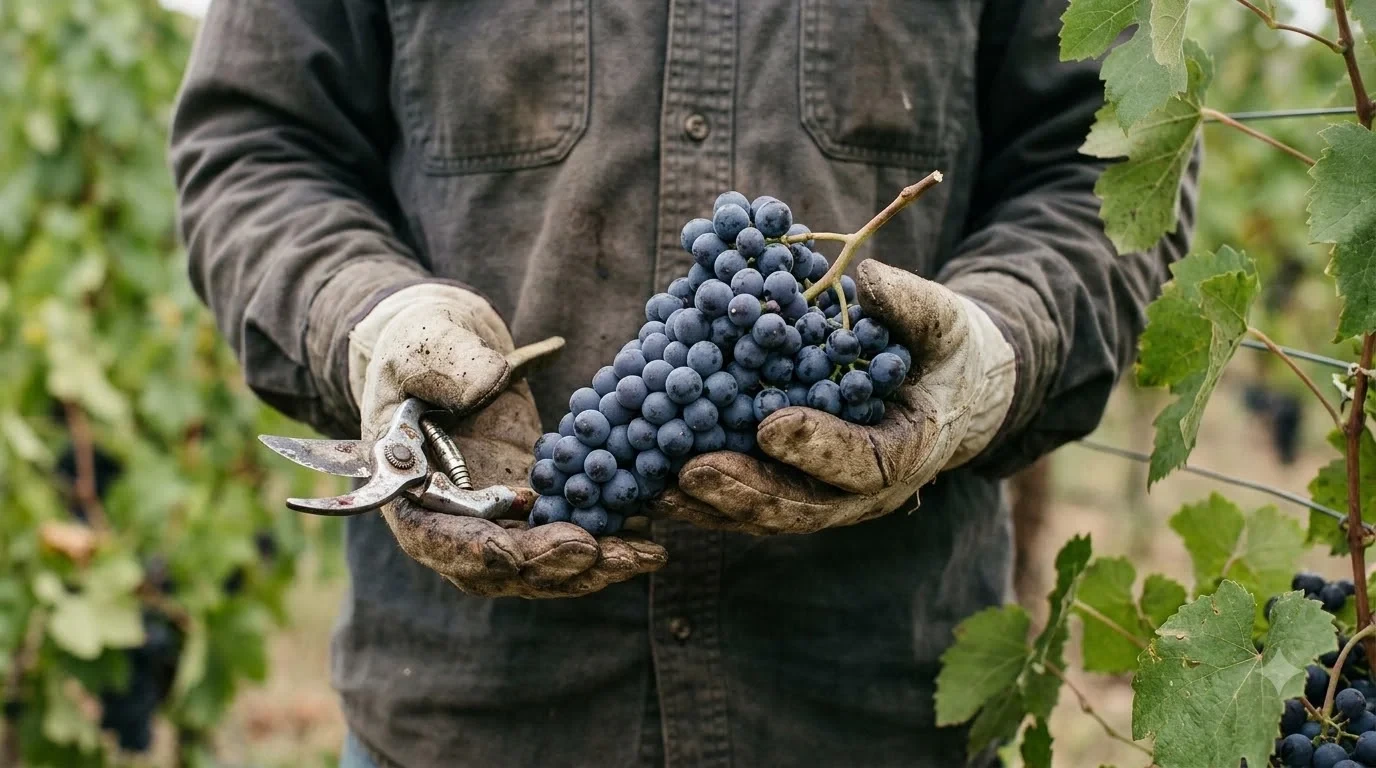
Eiswein starts in the vineyard, where the grapes are left on the vine after the normal harvest. They must stay there until a cold snap freezes them solid. The freezing is natural, and the grapes must be picked and pressed while they are still frozen, which is the core rule behind the style.
Pressing frozen grapes separates the water from the sugar and acid. The water stays behind as ice, while the juice that comes through is a small volume of very concentrated liquid. Because the yield is low, a producer may need a large weight of grapes to fill a single bottle, which is a major reason the wine costs more than ordinary white wine.
Harvest usually happens at night or in the early morning, when the temperature is at its lowest. Pickers may have only a few hours to act once the grapes have frozen. After pressing, the juice ferments slowly, sometimes over several months, and the winemaker often uses yeast strains that can handle high sugar.
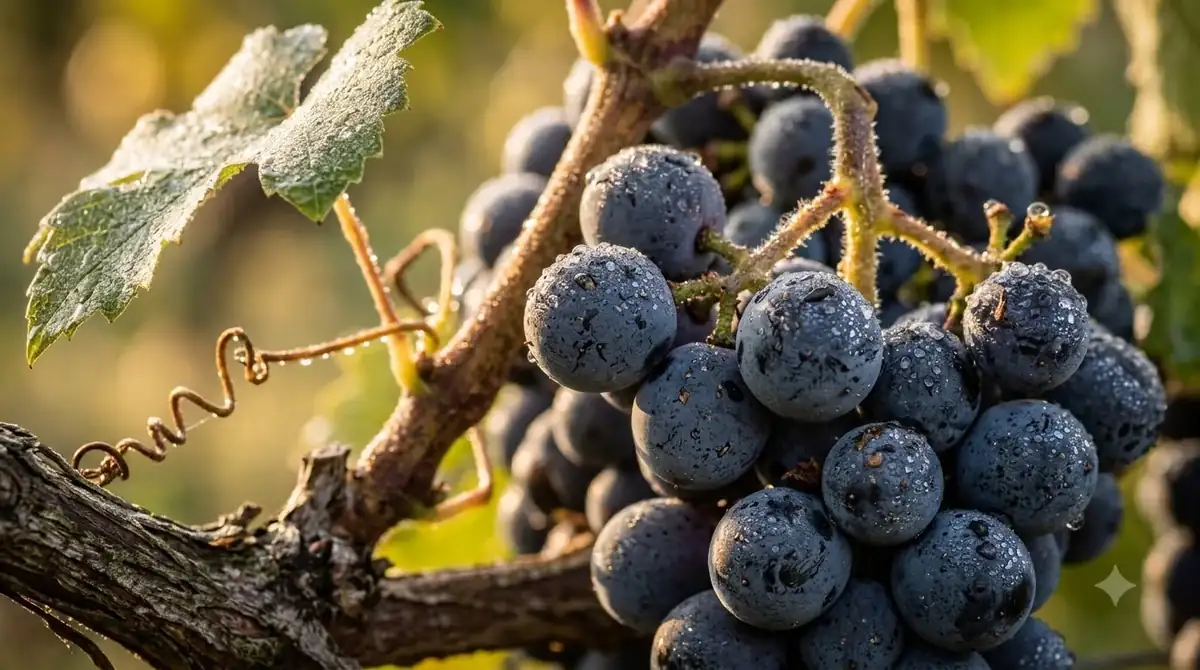
The rules also explain why some frozen-grape wines do not carry the eiswein name. Freezing grapes artificially after harvest is a different process, and German law does not accept that method for eiswein. Producers who use it may label the wine with a generic ice wine term, while the German category stays reserved for grapes that froze naturally on the vine. Reading the label carefully tells you how the wine was made.
Temperature Rules and Why They Matter
Both Germany and Canada set a minimum freezing temperature for eiswein. According to the ice wine entry on Wikipedia, the grapes must be frozen to at least −7 °C (19 °F) in Germany, while Canada requires −8 °C (18 °F) or colder. Colder conditions are generally better because they freeze more of the water and leave the juice more concentrated.
Wine Folly’s ice wine guide gives a similar floor of −8 °C (17.6 °F) and notes that the freeze must happen naturally on the vine. It names Riesling, Vidal and Cabernet Franc as common grapes, and says the wine usually sits around 10 to 11.5 percent alcohol and rewards three to five years of cellaring. Wine Folly’s ice wine explainer is a good companion to this guide.
These temperatures matter because a warm snap can ruin a crop. If the grapes do not freeze hard enough, the juice will not be concentrated enough to produce the style, and the producer may have to sell the wine as a different category. That is one reason eiswein is not made every year, and why a producer may leave grapes on the vine through an entire winter while waiting for the right night.
| Feature | Typical eiswein |
|---|---|
| Freezing requirement | Frozen on the vine, pressed while still frozen |
| Germany minimum temperature | About −7 °C (19 °F) |
| Canada minimum temperature | About −8 °C (18 °F) or colder |
| Residual sugar | Roughly 180 to 320 g/L, with an average near 220 g/L |
| Acidity | Usually above 10 g/L, which keeps the wine fresh |
| Common bottle sizes | Often 375 mL half-bottles or 200 mL bottles |
Tip: Look for the words “Eiswein” or “Ice wine” on the label, and check the bottle size. A smaller bottle is normal for this style and does not mean the wine is poor value.
Grapes Used for Eiswein
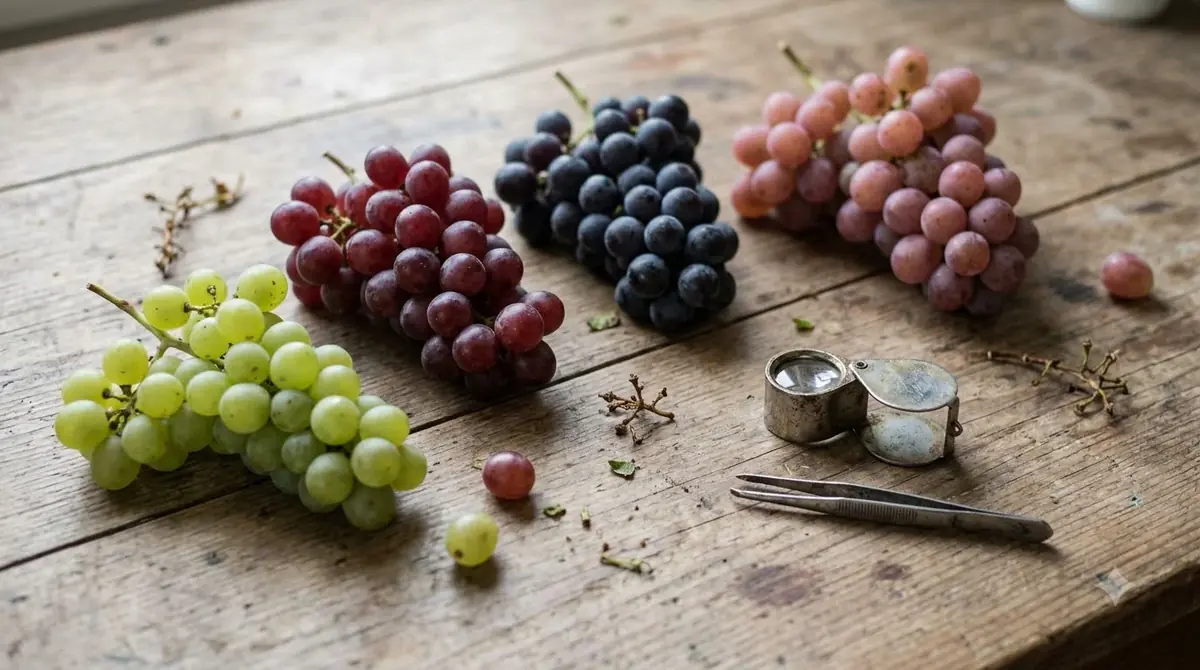
Riesling is the signature grape of German eiswein, and it is the variety most people picture when they hear the name. Its acidity holds up well against the high sugar, so the finished wine tastes lively rather than syrupy. Austria also makes eiswein, often from Riesling and other white varieties, and producers in Canada commonly use Vidal Blanc, a hybrid grape that handles cold winters.
Red grapes can also be frozen for ice wine. Cabernet Franc is one of the more common examples in cold climates, and some producers make the style from other reds. The result is usually a deep, sweet, fruit-forward wine rather than the dry, tannic red most people know.
How to Taste and Serve Eiswein
Eiswein is served chilled, but not ice cold, so the aromas can come through. A small pour in a white wine glass is enough, because the sweetness is intense. Many tasters notice flavors of honey, apricot, citrus peel, and dried fruit, along with a clean acidity that prevents the finish from feeling heavy.
Because the wine is so sweet, it works best with dessert or with a cheese plate. Blue cheese, aged cheddar, and fruit tarts are common pairings. It can also be sipped on its own after dinner, where it can stand in for a dessert course. Avoid pairing it with very rich, sugary desserts, since the sweetness may overwhelm them.
Eiswein Compared With Other Sweet Wines
Eiswein is often confused with other sweet styles, but its production method sets it apart. A late-harvest wine is picked later in the season to concentrate sugar, while eiswein depends on a frozen grape that is pressed in a single moment. Sweet wines made from other grapes, such as moscato wine, are usually lighter and fizzier, so they feel different in the mouth even when both are labeled sweet.
Sweetness is not the only difference. Some American dessert wines are made from grapes with a distinct flavor profile, such as the muscadine grape, and tasters often describe those wines as bolder and more floral. Eiswein stands apart because it is concentrated by the cold rather than by sugar added or by drying the grapes.
When you move from dry red styles to sweet ones, a comparison with a full-bodied wine like cabernet sauvignon wine can help you understand how structure, sugar, and acid work together. Eiswein has less tannin and more sugar, which changes the way the wine feels.
Buying and Storing Eiswein
Because eiswein is made in small volumes, it is often sold in limited quantities. Check the vintage and the producer’s region on the label. Wines from Germany are labeled with the Prädikat category, while Canadian examples often carry a regional name such as Niagara Peninsula or the Okanagan Valley.
Store eiswein like other fine white wines: keep it cool, dark, and away from heat. Unopened bottles can age for many years, since the high sugar and acidity help preserve the wine. Once opened, keep the bottle refrigerated and drink it within a few weeks, because the fresh fruit notes fade over time.
Frequently Asked Questions
What is the difference between eiswein and ice wine?
They are the same style. Eiswein is the German and Austrian name, and ice wine is the common English name. Both describe a sweet wine made from grapes frozen on the vine and pressed while still frozen.
What grapes are used to make eiswein?
Riesling is the best-known grape for German eiswein. Canadian producers often use Vidal, and some red varieties such as Cabernet Franc are also frozen to make ice wine.
How cold do grapes need to be for eiswein?
Germany requires grapes to be frozen to at least about −7 °C (19 °F), and Canada requires −8 °C (18 °F) or colder. Colder temperatures generally produce a more concentrated juice.
Why is eiswein so rare and expensive?
The grapes must freeze naturally, and the harvest can be cancelled in a warm winter. The yield is small because only a little concentrated juice comes out of each pressing, so the wine costs more to produce.
Eiswein rewards patience, both in the vineyard and at the table. Start with a small glass alongside a simple dessert, and note how the acidity keeps the sweetness in balance. To learn more about the broader family of sweet and dry wines, read the Wine by Type guide, and then compare styles in your own glass.
More in Wine Types & Grapes
 Zinfandel Sugar Content: Dry Red vs. White Zinfandel GramsUpdated Nov 21, 2026
 Best Zinfandel Substitute Options for Sipping and CookingUpdated Nov 21, 2026
 Zweigelt Food Pairing: Best Dishes, Cheeses, and Serving TipsUpdated Nov 21, 2026
 Zinfandel Tannins Explained: How Structure Shapes Every BottleUpdated Nov 21, 2026
 Zinfandel Sweetness Level: Dry Red vs. Sweet White Zin ExplainedUpdated Nov 21, 2026
 Xinomavro Food Pairing: Best Dishes, Styles, and Serving TipsUpdated Nov 21, 2026