

We may earn a commission when you buy through links on this page, at no extra cost to you. Learn more.
Wine pairing with easter dinner depends on the main dish, but off-dry Riesling is excellent with glazed ham, Rioja and Syrah complement roast lamb, and Sauvignon Blanc works beautifully with spring vegetables. Dry rosé and sparkling wine offer flexible alternatives when several dishes share the table. The best approach is to match the wine’s sweetness, acidity, tannin, and body to the flavors of the complete meal rather than choosing a bottle based on the centerpiece alone.
Easter dinner often brings together foods with very different personalities. A honey-glazed ham might sit beside buttery potatoes, asparagus, deviled eggs, and a lemon dessert, while another family serves rosemary-roasted lamb with peas and fresh herbs. Choosing wines for this combination does not require a different bottle for every plate. A few carefully selected styles can cover the main course, sides, appetizers, and dessert while keeping the meal balanced and enjoyable.
Choosing Wine for Glazed Easter Ham
Glazed ham pairs best with wines that combine refreshing acidity, generous fruit, and moderate sweetness. Riesling is an especially reliable choice because its fruit complements honey or brown-sugar glaze while its acidity balances the saltiness of pork.
Ham is a challenging pairing because several flavors compete for attention. The meat is salty and savory, the exterior may be sweet, and smoking or curing can introduce additional intensity. A wine that is excessively tannic or heavy can taste harsh beside these characteristics. Instead, look for freshness, moderate alcohol, and fruit that can stand alongside the glaze.
Off-dry Riesling is the first bottle to consider for honey-glazed, brown-sugar, or pineapple-glazed ham. Its slight sweetness complements the glaze without making the meat taste excessively sugary. The wine’s naturally high acidity also refreshes the palate after salty slices and rich accompaniments. German Kabinett Riesling is a useful style to explore, while slightly sweeter Rieslings can work particularly well with pronounced glazes.
Dry Riesling is another option, especially when the ham has a lighter glaze or a more pronounced smoky character. Wine Enthusiast also highlights dry Riesling from Alsace as a suitable match, emphasizing its fruit, acidity, and relatively light texture. For a particularly sweet glaze, however, an off-dry selection is generally the safer choice. Its Easter wine pairing recommendations also include Riesling alongside other versatile holiday wines.
Dry rosé provides a different approach. Its strawberry, watermelon, cherry, and citrus flavors work with pork without introducing excessive sweetness. A Provence-style rosé is particularly useful when ham is served alongside green vegetables, salads, and potatoes. It offers enough freshness for the sides while remaining approachable for guests who prefer white wine.
Red wine drinkers can choose Pinot Noir or Beaujolais. Pinot Noir has low-to-medium tannin and relatively high acidity, making it less aggressive than Cabernet Sauvignon. Its cherry and red-berry flavors complement roasted pork, particularly when the glaze includes mustard, herbs, or restrained amounts of brown sugar.
For a smoky ham with a savory rather than sugary glaze, a fruit-forward Pinot Noir from Oregon or California is a practical choice. Avoid serving a powerful Cabernet Sauvignon with heavily glazed ham. Its high tannin can make the salty meat taste more bitter and emphasize the contrast between the wine and the glaze.
Tip: If the ham is covered in honey, maple syrup, pineapple, or brown sugar, choose an off-dry Riesling before reaching for a powerful red. If the glaze is mostly mustard, herbs, or spices, dry rosé and Pinot Noir become stronger alternatives.
Pairing Roast Lamb With Red Wine
Roast lamb pairs especially well with structured reds that have enough acidity and fruit to complement its rich meat and savory seasonings. Rioja Reserva, Bordeaux, Syrah, and Carménère are excellent options, particularly for rosemary-and-garlic preparations.
Lamb has a deeper flavor than ham and generally welcomes wines with more structure. Its natural fat softens tannin, while roasted surfaces, garlic, rosemary, thyme, and black pepper create additional opportunities for matching flavors. The cooking method matters: a pink-centered leg of lamb needs a different level of intensity than slowly braised shoulder with a concentrated sauce.
Rioja Reserva is one of the most dependable choices for traditional roast lamb. Made primarily from Tempranillo, Rioja can offer red cherry, plum, dried herbs, savory spice, and developed aromas from aging. These characteristics work particularly well with garlic, rosemary, roasted potatoes, and pan juices.
For a more developed pairing, consider Rioja Gran Reserva. Bottle-aged examples can have softer, more integrated tannins and complex savory notes that complement the roasted meat without overwhelming it. Decanter identifies both Rioja Reserva and Gran Reserva as classic partners for roast lamb.
Bordeaux is another traditional match. Cabernet Sauvignon and Merlot are important components of many Bordeaux blends, creating combinations of dark fruit, acidity, and structure. Left Bank wines from Pauillac and Saint-Julien are especially associated with lamb pairings. Their structured profiles are particularly suitable for substantial cuts served with roasted potatoes, mushrooms, and rich meat sauces.
However, not every lamb preparation requires a powerful Cabernet-led wine. A younger, fruit-forward Bordeaux can work better with simply roasted lamb, while a more concentrated and structured selection suits a larger roast with an intensely flavored sauce. Merlot-based blends provide a softer alternative for diners who prefer less tannin.
Syrah is particularly effective with black pepper, garlic, olives, and rosemary. Northern Rhône examples can offer savory notes, pepper, and dark fruit that complement the browned exterior of grilled lamb chops. Australian Shiraz is generally richer and fruitier, making it suitable for strongly seasoned lamb with roasted vegetables or a spiced glaze.
Carménère is another interesting option. Wine Enthusiast contributor Alex Cuper recommends it with herb-crusted roasted lamb because the wine’s savory and herbaceous character complements the seasoning. This makes Chilean Carménère a useful alternative to familiar French and Spanish reds.
For lighter lamb preparations, Pinot Noir deserves consideration. Its lower tannin and bright acidity work with tender lamb, especially when served pink with mint, peas, or fresh spring herbs. A medium-bodied Italian red such as Chianti Classico can also provide sufficient acidity and savory character for lamb accompanied by tomato-based sauces.
For more ideas about choosing a bottle for different preparations, explore our Amarone food pairing recommendations. Amarone is a concentrated, full-bodied Italian red that makes more sense with substantial lamb preparations than with delicate vegetables or lightly seasoned starters.
Matching Spring Vegetables, Asparagus, and Seafood
Spring vegetables generally pair best with fresh, high-acidity wines that complement green flavors without overwhelming their delicate textures. Sauvignon Blanc is a dependable match for asparagus, while Albariño and dry rosé work particularly well with seafood, salads, and lighter vegetable dishes.
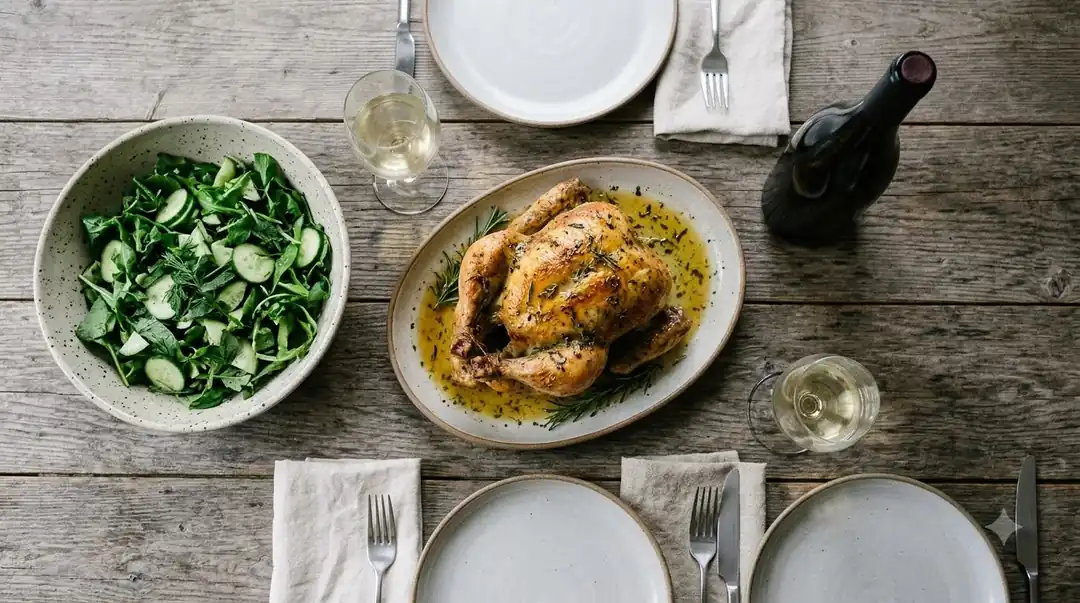
Vegetables can be more difficult to pair than meat because their flavors change considerably with preparation. Steamed asparagus tastes different from grilled asparagus, and lemon-dressed peas create a different pairing challenge from buttery roasted carrots. Pay attention to cooking methods, sauces, and seasonings rather than treating every vegetable as one category.
Asparagus and Sauvignon Blanc are a particularly successful combination. Asparagus can make certain wines taste metallic, bitter, or excessively vegetal. Sauvignon Blanc’s pronounced acidity and green herbal characteristics help create a more natural match, especially when the asparagus is steamed or boiled.
Other options include English Bacchus and Grüner Veltliner. Bacchus can provide complementary green flavors, while Grüner Veltliner brings freshness and a peppery character. Both can accompany lightly seasoned vegetables, spring salads, and dishes featuring fresh herbs.
Cooking method makes a difference. Chargrilled asparagus can work with lightly oaked Italian Pinot Bianco, while roasted asparagus can pair with dry Spanish rosé. Lemon, olive oil, and black pepper can also help establish a connection between the vegetable and the wine. For additional preparation-specific suggestions, Decanter’s spring ingredient pairing guide covers asparagus, salmon, and tender lamb.
Peas, mint, and green beans generally favor crisp whites and dry rosé. Sauvignon Blanc is useful when fresh herbs and citrus are prominent, while Albariño offers a slightly different combination of citrus, orchard fruit, and refreshing acidity. These wines are particularly suitable for Easter meals where vegetables occupy a significant part of the plate.
Roasted carrots and sweet potatoes introduce more sweetness than asparagus or green beans. Off-dry Riesling can complement their natural sweetness, especially when they are glazed with honey or maple syrup. Dry rosé is a better choice when the vegetables are roasted with olive oil, rosemary, and savory spices.
Seafood is another common springtime Easter option. Baked salmon works with dry rosé, Chardonnay, and lighter Pinot Noir. For delicate white fish, Albariño and unoaked Chardonnay are particularly useful because they offer freshness without overwhelming the fish’s flavor.
Albariño from Spain’s Rías Baixas region is especially suitable for seafood appetizers, grilled white fish, shrimp, and shellfish. The regional wine tradition has strong connections to Atlantic seafood, and the area’s tourism authority identifies fish and seafood among the foods paired with Rías Baixas wines. Explore our Albariño food pairing recommendations for more ways to use this refreshing white wine.
Be careful with oily fish and tannic reds. Salmon has enough richness to accommodate certain light reds, but a strongly tannic Cabernet Sauvignon or Syrah is generally a poor choice for oily fish. A lighter Pinot Noir is the more suitable red alternative.
Sparkling Wine and Easter Appetizers
Sparkling wine is one of the most versatile choices for Easter appetizers because its acidity and bubbles complement rich, salty, and fried foods. Brut Champagne, Cava, and Prosecco can all work, although their production methods, grape varieties, and flavor profiles differ.
Easter gatherings often begin with deviled eggs, cheese, cured meats, smoked salmon, and small savory pastries. These dishes can be difficult to pair individually, especially when several are served together. A dry sparkling wine provides a practical solution because it has enough freshness to balance richer appetizers and enough character to remain interesting alongside lighter dishes.
Brut Champagne is an excellent option for deviled eggs, smoked salmon, and seafood appetizers. Traditional-method sparkling wines undergo a second fermentation in the bottle, which contributes to their characteristic bubbles and can create additional complexity. Champagne and Cava are examples of wines made using this production approach.
For asparagus served with poached eggs and Hollandaise sauce, sparkling wine is especially useful. The combination of rich egg yolk, butter, and delicate vegetable flavors benefits from a wine with refreshing acidity. Non-vintage Champagne and cool-climate sparkling Chardonnay are suitable choices for this preparation.
Cava is a practical alternative when a sparkling wine with traditional-method production is desired. Its refreshing character makes it suitable for fried appetizers, salty snacks, seafood, and cheese. Brut styles are particularly flexible because they avoid the pronounced sweetness that can interfere with savory dishes.
Prosecco is generally made from Glera and produced using the tank method. It commonly has an alcohol level around 11% to 12% ABV and offers fresh pear, apple, citrus, and floral characteristics. Its lighter fruit-forward profile makes it suitable for brunch appetizers, fruit-based starters, and mild cheeses.
Pay attention to sweetness terminology when selecting sparkling wine. The sweetness categories follow this general order:
- Brut Nature: Very dry, with minimal added dosage.
- Extra Brut: Very dry and crisp.
- Brut: Dry, with a balanced profile suitable for most savory appetizers.
- Extra Dry: Slightly sweeter than Brut despite its name.
- Dry: Noticeably sweeter than Brut.
- Demi-Sec: Sweet enough for richer desserts.
- Doux: The sweetest traditional category.
For deviled eggs, cheese, and smoked salmon, Brut is generally a dependable choice. Demi-Sec is more appropriate when the meal moves toward sweet pastries or desserts. Keeping one bottle of Brut sparkling wine available also gives guests a flexible option before the main course arrives.
Choosing Wine for Potatoes, Cheese, and Rich Side Dishes
Rich Easter side dishes need wines with enough acidity to refresh the palate and enough body to stand alongside butter, cream, cheese, and roasted flavors. Chardonnay is a natural choice for scalloped potatoes and creamy casseroles, while sparkling wine and Pinot Noir offer alternatives for lighter preparations.
Scalloped potatoes are usually made with cream, butter, and sometimes cheese. These ingredients create a rich texture that benefits from a wine with moderate acidity and sufficient body. Chardonnay is a reliable choice, especially when the potatoes have a golden, browned surface and a buttery sauce.
Unoaked or lightly oaked Chardonnay works well when the dish is creamy but not intensely flavored. More substantial, oak-aged Chardonnay can complement richer preparations with cheese, roasted garlic, or caramelized onions. The key is balancing the wine’s weight against the richness of the food.
Mashed potatoes are another common Easter side. Their pairing depends largely on how much butter, cream, cheese, or roasted garlic is added. Chardonnay works with buttery mashed potatoes, while Pinot Noir can complement preparations served alongside roast lamb or mushrooms.
Macaroni and cheese needs a wine with sufficient freshness to balance its richness. Chardonnay, sparkling Brut, and dry Riesling are practical choices. A crisp sparkling wine is particularly helpful when the dish is served alongside salty ham or fried appetizers.
Goat cheese and fresh salads usually work best with Sauvignon Blanc, Chenin Blanc, or dry rosé. Goat cheese has tangy acidity that benefits from a wine with similar freshness. Sauvignon Blanc is particularly suitable for salads containing lemon dressing, fresh herbs, cucumber, or asparagus.
For cheese boards, consider the type of cheese rather than selecting one wine for everything. Fresh goat cheese works with crisp white wine, while aged cheddar and firmer cheeses can accommodate Pinot Noir and medium-bodied reds. Blue cheese generally needs a sweeter wine, especially when served with honey, dried fruit, or preserves.
Roasted mushrooms provide another opportunity for red wine. Pinot Noir has enough acidity and earthy character to complement mushrooms without overpowering them. For mushroom sides served with lamb, Rioja and medium-bodied Syrah can also work.
One useful strategy is to identify the richest side dish on the table and ensure that at least one wine can handle it. A Chardonnay for creamy potatoes, a Sauvignon Blanc for vegetables, and a medium-bodied red for lamb or mushrooms provide good coverage without creating an unnecessarily complicated wine list.
Pairing Easter Desserts and Sweet Treats
Easter desserts require wines that are at least as sweet as the food. Moscato, late-harvest Riesling, sweet Chenin Blanc, and fortified wines are useful choices because they can complement cakes, pastries, fruit desserts, and chocolate without tasting excessively sour.
One of the most important dessert-pairing principles is matching sweetness. A dry wine served with a very sweet dessert can taste thin, acidic, and unpleasantly bitter. Choosing a wine with equal or greater sweetness helps preserve its fruit character and keeps the pairing balanced.
Carrot cake often contains cinnamon, nutmeg, brown sugar, raisins, and cream cheese frosting. Late-harvest Riesling is a suitable choice because its sweetness and acidity complement the cake’s spices and rich frosting. Sweet Chenin Blanc is another option, especially for cakes with pineapple or other fruit ingredients.
Lemon tart needs a sweet wine that also has refreshing acidity. Sweet Riesling can complement the citrus filling without becoming heavy. Moscato is another possibility when the tart has a lighter, fruit-forward profile.
Hot cross buns contain spices, raisins, and sometimes candied citrus peel. Their flavors can work with sweet Riesling, late-harvest Chenin Blanc, and certain fortified wines. Madeira and sweet sherry are particularly interesting options for guests who prefer more developed, nutty flavors.
Chocolate eggs and chocolate desserts require more attention because cocoa bitterness can clash with dry wine. Ruby Port is a classic choice for rich dark chocolate, while a sweeter red dessert wine can complement milk chocolate. The more intense the cocoa, the more important it becomes to choose a wine with sufficient sweetness and flavor concentration.
Fruit-based desserts generally work with Moscato and sweet Riesling. Fresh strawberries, peaches, apricots, and berries can complement wines with similar fruit characteristics. A lightly sparkling Moscato also makes a festive option for a dessert course that includes fresh fruit and lighter cakes.
Consider keeping dessert wine separate from the bottles served with the main course. A dry red that worked beautifully with lamb will not necessarily complement carrot cake or chocolate. A smaller dessert pour allows guests to enjoy a sweeter wine without requiring a full additional glass.
Serving Temperatures, Bottle Quantities, and Easter Wine Planning
A successful Easter wine selection depends on more than choosing the right grape variety. Serving temperature, bottle quantities, opening time, and the order of service all influence how the wines perform throughout the meal.
White and sparkling wines should generally be served cooler than reds, but excessively cold temperatures can hide aroma and flavor. Light reds also benefit from slightly cooler serving temperatures than many people expect. A simple temperature plan helps every bottle show its best characteristics.
| Wine style | Serving temperature | Suggested Easter dishes |
|---|---|---|
| Sparkling wine | 40–50°F | Deviled eggs, seafood, appetizers |
| Light white wine | 45–50°F | Asparagus, salads, shellfish |
| Rosé | 45–50°F | Ham, salmon, roasted vegetables |
| Full-bodied white | 50–55°F | Scalloped potatoes, creamy dishes |
| Light red | 55–60°F | Ham, salmon, tender lamb |
| Full-bodied red | 60–65°F | Roast lamb, mushrooms, rich sauces |
| Sweet white | 43–50°F | Carrot cake, fruit desserts, pastries |
These ranges are useful starting points rather than strict requirements. A refrigerator can make white wine too cold if it is served immediately after extended chilling. Allow a bottle to warm slightly if its aromas seem muted. Similarly, a full-bodied red served in a warm dining room may benefit from a brief period in the refrigerator before dinner.
How many bottles should you buy? A standard 750 ml bottle provides approximately five servings when each guest receives a 5 oz pour. This makes the calculation straightforward: divide the expected number of wine servings by five to estimate the number of bottles needed.
For example, a gathering of eight adults expecting two glasses each requires approximately 16 servings, or just over three bottles. Four bottles provide a reasonable starting quantity with some flexibility. A larger gathering with a longer meal may need additional wine, particularly if sparkling wine is served before dinner and dessert wine afterward.
When offering different styles, avoid buying too many varieties. A practical selection for a mixed Easter menu might include:
- One bottle of Brut sparkling wine for appetizers.
- One or two bottles of off-dry Riesling or dry rosé for ham and lighter dishes.
- One or two bottles of Rioja or Pinot Noir for lamb and red-meat dishes.
- One bottle of sweet wine for dessert, depending on the number of guests interested in it.
This arrangement provides flexibility without requiring a separate wine for every course. If most guests prefer red wine, adjust the quantities accordingly. If the menu centers on glazed ham and seafood, allocate more bottles to Riesling, rosé, and sparkling wine.
Prepare red wines ahead of time. Young, full-bodied reds such as Cabernet Sauvignon and Syrah can benefit from 30 to 60 minutes of decanting. This gives the wine time to interact with oxygen and can help its aromas become more expressive. Older wines may need a gentler approach because extended exposure to air can diminish delicate aromas.
Open sparkling wine shortly before serving to preserve its bubbles. Keep still white wines and rosé chilled until needed, and avoid leaving bottles in direct sunlight or near a hot oven.
Opened bottles can also be stored for later enjoyment. In the refrigerator, sparkling wine generally keeps for 1 to 3 days with a suitable sparkling-wine stopper, while still wines commonly retain acceptable quality for 3 to 5 days when properly resealed. Fortified wines can last several weeks, depending on the style, and bag-in-box wines generally keep for 4 to 6 weeks after opening.
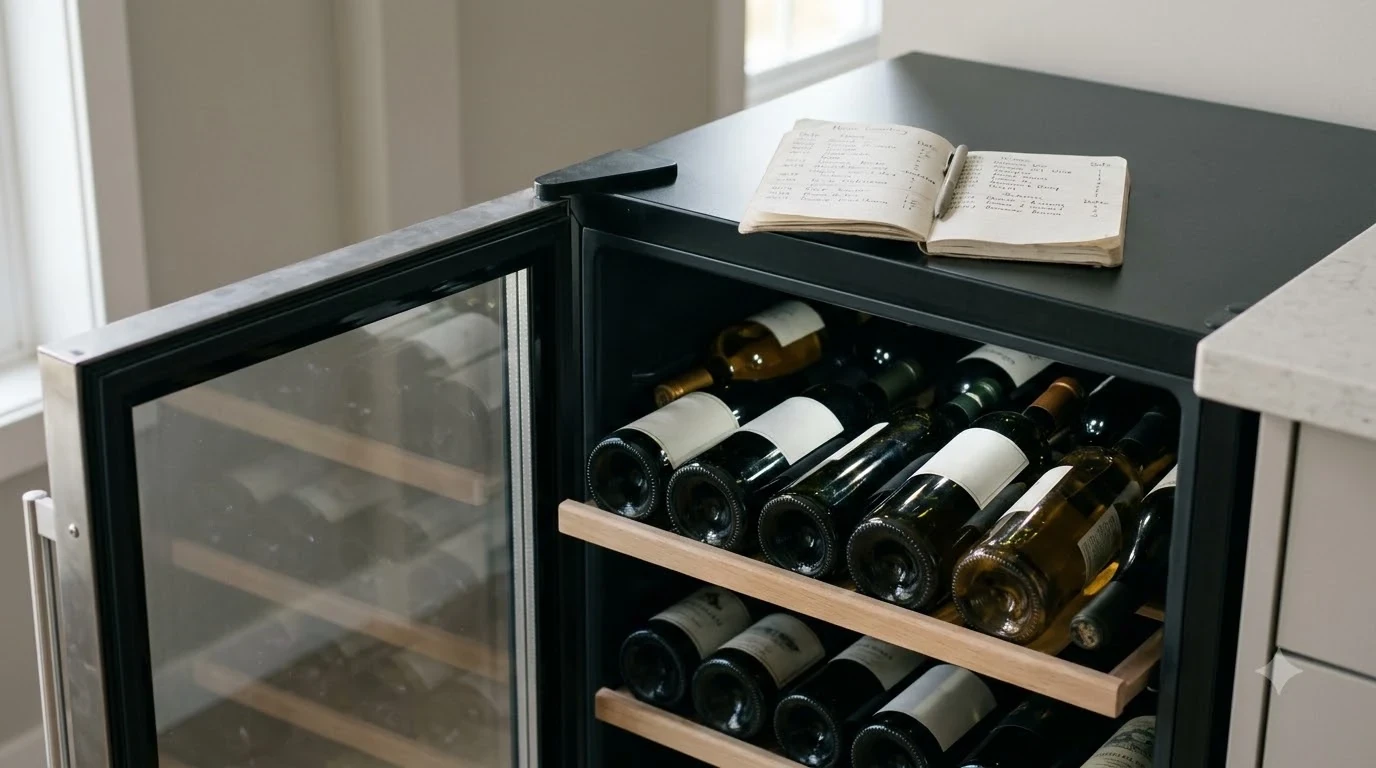
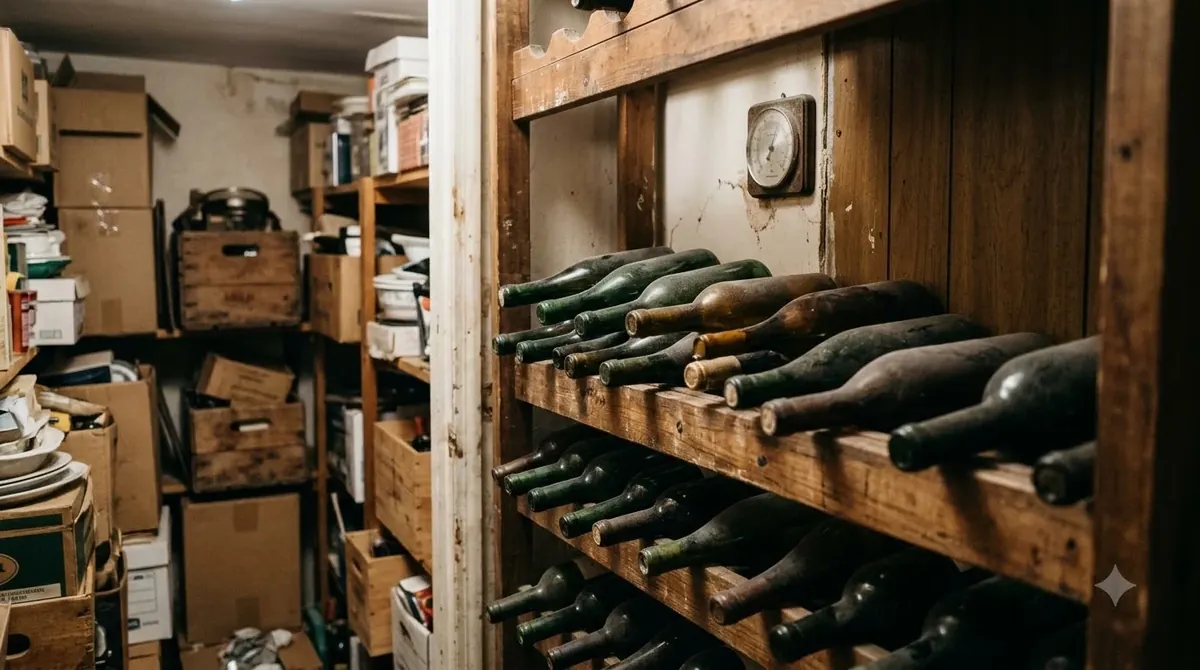
For unopened bottles, a cool, dark storage location near 55°F is a useful target. Bottles with natural cork closures are generally stored on their sides to help keep the cork from drying out. These simple preparations make it easier to serve the wines at the right temperature and avoid unnecessary last-minute decisions.
Frequently Asked Questions
Can one wine work for both Easter ham and lamb?
Dry rosé is one of the most practical choices for a table serving both meats. A medium-bodied Pinot Noir can also bridge the two dishes when the ham is not heavily sweetened and the lamb has relatively mild seasoning. The more sugary the ham glaze, the more useful a slightly sweeter Riesling becomes.
Is Pinot Grigio suitable for Easter dinner?
Yes. Pinot Grigio can work with shrimp, white fish, light salads, and simple vegetable appetizers. Italian Pinot Grigio is often relatively light and crisp, making it less suitable for rich lamb preparations or heavily glazed ham than fuller-bodied alternatives.
Does Easter wine need to be from a particular country?
No. Easter pairings can come from many wine regions. Spain offers Rioja and Albariño, France offers Bordeaux and Champagne, Germany offers Riesling, Italy offers Pinot Grigio and Chianti, and Chile offers Carménère. The grape variety, wine style, and preparation of the food matter more than the country alone.
Should red wine glasses be larger than white wine glasses?
Generally, red wine glasses have larger bowls than many white wine glasses. The extra space allows aromatic compounds to collect above the wine and gives the drinker room to swirl it. Sparkling wines are commonly served in narrower glasses, although tulip-shaped glasses can also help reveal their aromas.
Can leftover Easter wine be used in cooking?
Yes. Dry white wine can add acidity to pan sauces, risotto, and seafood preparations, while dry red wine can contribute depth to braised lamb and beef sauces. Sweet dessert wines are better reserved for fruit reductions, dessert sauces, or recipes that specifically benefit from their sweetness.
The best wine pairing with Easter dinner starts with the main course but takes the entire menu into account. Choose Riesling or rosé for glazed ham, Rioja or Syrah for roast lamb, and crisp whites or sparkling wine for spring vegetables and appetizers. With a thoughtful selection of three or four styles, the same bottles can complement several courses and give every guest an enjoyable choice.
More in Food & Wine Pairing
 Risotto With White Wine Recipe: Make a Creamy Dinner at HomeUpdated Nov 20, 2026
 Wassail With Wine Recipe for a Festive Spiced Holiday DrinkUpdated Nov 20, 2026
 Spritz Veneziano Recipe: Make a Classic Venetian Aperitivo at HomeUpdated Nov 20, 2026
 Summer Wine Punch Recipe for Easy Homemade EntertainingUpdated Nov 20, 2026
 Bishop Recipe: How to Make a Bright, Citrus-Forward Red Wine CocktailUpdated Nov 20, 2026
 Wine Cupcakes Recipe: Bake Rich Chocolate Cupcakes at HomeUpdated Nov 20, 2026