

We may earn a commission when you buy through links on this page, at no extra cost to you. Learn more.
Rioja with lamb is an excellent pairing, particularly when you choose a Tempranillo-based red with enough acidity, fruit, and balanced tannins to complement the meat’s savory richness. Rioja Crianza works especially well with grilled lamb chops and everyday roasts, while Reserva is a dependable choice for rosemary-garlic leg of lamb and slow-roasted shoulder. More mature Gran Reserva suits simply prepared lamb when you want the wine’s developed flavors to take center stage.
Few food and wine combinations are as natural as Spanish red wine and lamb. Rioja has a particularly strong connection to lamb cookery, with its Tempranillo-based reds offering red fruit, savory character, refreshing acidity, and oak-derived spice. The best bottle depends on the cut, cooking method, seasoning, and richness of the finished dish. Understanding those differences makes it easier to choose a Rioja that complements dinner rather than overpowering it.
Why Rioja and Lamb Make Such a Natural Pairing
Rioja and lamb work together because the wine’s fruit, acidity, and moderate tannins balance the meat’s fat and savory flavors. Tempranillo also develops earthy and spicy characteristics through aging that complement roasted and grilled lamb particularly well.
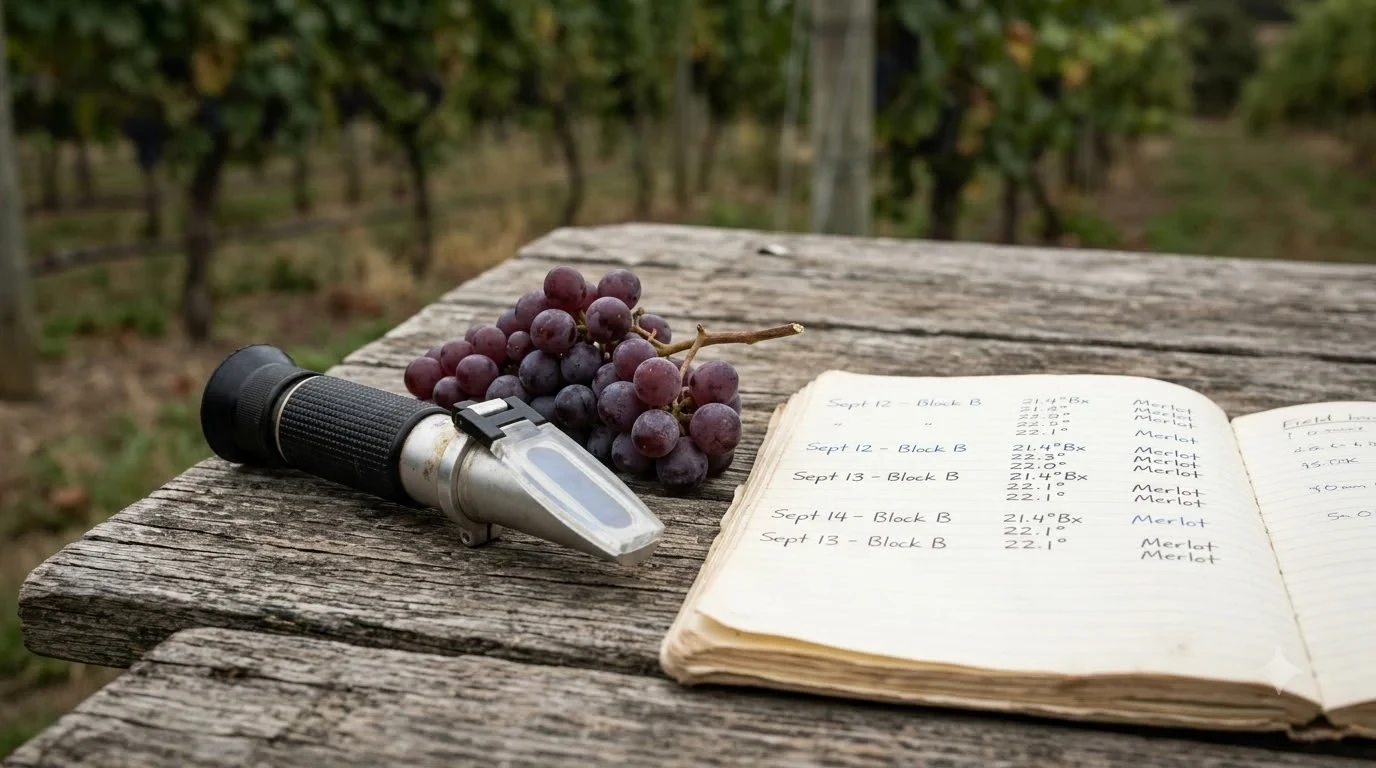
Tempranillo is the principal red grape associated with Rioja. Its wines commonly show cherry, red plum, and other ripe fruit flavors, with additional notes of dried herbs, leather, tobacco, and vanilla depending on the winemaking and aging approach. These characteristics give the wine enough flavor to stand alongside lamb without requiring the aggressive tannins found in some Cabernet Sauvignon-based wines.
The meat itself contributes much of the pairing’s success. Lamb contains natural fat, which softens the sensation of tannins and makes structured red wine feel smoother. Its savory flavor also complements the earthy and slightly spicy characteristics that develop in aged Rioja. The combination becomes particularly appealing when the meat develops a browned exterior during roasting or grilling.
There is also a regional connection. In Rioja, lamb has traditionally been cooked over open fires, sometimes using vine cuttings as fuel. This style of preparation creates a smoky, lightly charred exterior that works beautifully with Tempranillo’s fruit and savory character. Decanter discusses this traditional relationship between local lamb and regional red wine in its article about wine pairings for different lamb preparations.
Acidity is another important part of the match. Lamb can be rich, especially when served with roasted potatoes, gravy, or butter-based accompaniments. Rioja’s freshness helps prevent the meal from feeling excessively heavy. Meanwhile, the wine’s fruit provides a pleasant contrast to the meat’s savory depth.
For a broader understanding of how different dishes interact with Spanish reds, explore our Rioja food pairing recommendations. The same principles of balancing acidity, tannin, and food intensity apply to lamb, beef, pork, and many other savory dishes.
Choosing Between Crianza, Reserva, and Gran Reserva
Rioja’s aging classifications provide a practical starting point when selecting wine for lamb. Crianza offers fresh fruit and approachable structure, Reserva adds developed savory complexity, and Gran Reserva brings mature aromas and a more restrained expression.
The Consejo Regulador DOCa Rioja establishes minimum aging requirements for these categories. Those requirements help explain why different bottles perform differently at the dinner table.
| Rioja Style | Minimum Total Aging | Minimum Oak Aging | Best Lamb Pairing |
|---|---|---|---|
| Crianza | 2 years | 1 year | Grilled chops, burgers, simple roast |
| Reserva | 3 years | 1 year | Roast leg, rosemary lamb, shoulder |
| Gran Reserva | 5 years | 2 years | Simply roasted leg, premium rack |
Crianza: Fresh Fruit for Grilled Lamb
Rioja Crianza is generally the easiest style to pair with casual lamb dishes. Its minimum two years of aging, including at least one year in oak, create a balance between primary fruit and barrel-derived flavors. Expect approachable cherry and plum characteristics, gentle spice, and enough structure to accompany grilled meat.
Choose Crianza for lamb chops cooked over a grill, lamb kebabs, or a straightforward roast seasoned with salt, pepper, and garlic. Its relatively youthful fruit complements the caramelized exterior without overwhelming the meat’s natural flavor. It is also a good option when serving lamb with grilled vegetables or roasted potatoes.
Crianza is especially useful when the lamb has a relatively simple seasoning. The fruit remains noticeable alongside garlic, black pepper, and rosemary, while the oak influence adds a little extra complexity. A very heavily seasoned dish, however, may call for a more concentrated wine.
Reserva: The All-Purpose Choice for Roast Lamb
Reserva is often the strongest overall choice for a traditional lamb dinner. Red Rioja Reserva requires at least three years of total aging, including a minimum of one year in oak and six months in bottle. Additional development brings more complex aromas and a smoother overall impression.
Look for cherry and dried-fruit flavors alongside tobacco, leather, vanilla, and spice. These characteristics complement the browned surface of roasted lamb and the aromatic ingredients commonly used in Mediterranean cooking. A Reserva is particularly suitable for rosemary-garlic leg of lamb or slow-cooked shoulder with rich pan juices.
Its combination of fruit and savory development also makes Reserva useful for a dinner where the wine needs to accompany several components. Roasted potatoes, mushrooms, onions, and a concentrated meat sauce can all work alongside the wine without making it seem excessively heavy.
Gran Reserva: Mature Complexity for Special Meals
Gran Reserva requires at least five years of aging, including two years in oak and two years in bottle. Its longer maturation can produce a more developed profile, with dried fruit, leather, tobacco, earthy notes, and subtle spice.
This style is particularly appealing alongside a simply seasoned roast leg or carefully prepared rack of lamb. Avoid serving it with excessively sweet glazes or strongly flavored sauces that could hide its delicate characteristics. A straightforward preparation allows the wine and food to complement each other.
Gran Reserva is not automatically the best choice simply because it has spent longer aging. Its appeal lies in mature complexity rather than sheer power. A delicate older wine can lose its character beside an intensely flavored sauce, so consider the complete preparation before opening the bottle.
Tip: If you are choosing just one bottle for a traditional rosemary-and-garlic roast lamb dinner, start with Rioja Reserva. It provides a useful balance of ripe fruit, savory complexity, acidity, and softened tannins.
Pairing Rioja With Different Cuts and Cooking Methods
The cut of lamb and cooking method influence how much body, tannin, and flavor intensity the accompanying Rioja should have. Grilled chops favor youthful fruit, while richer cuts and long cooking times generally benefit from the additional complexity of Reserva.
Grilled Lamb Chops
Grilled lamb chops have a concentrated meaty flavor and a browned exterior. The fat around the meat helps soften tannins, while the charred surface creates an appealing contrast with Tempranillo’s cherry fruit and gentle oak spice.
A Rioja Crianza is an excellent starting point. Its fruit-forward character keeps the pairing lively, especially when the chops are seasoned with salt, black pepper, garlic, and rosemary. Reserva also works well if the chops are thicker, fattier, or served with a concentrated sauce.
For an excellent result, avoid adding too much sweet barbecue sauce. Excessive sweetness can make a dry red wine seem less fruity and more bitter. A savory marinade with olive oil, herbs, and garlic is generally more suitable.
Grilling over charcoal introduces another dimension. The smoke and browned edges of the meat create a natural connection with the subtle spice and oak characteristics found in many Rioja reds. A youthful Crianza is particularly appealing when the chops are served immediately with grilled peppers or zucchini.
Roast Leg of Lamb
Roast leg of lamb is one of the most dependable matches for Rioja. Its combination of browned exterior, tender interior, and natural fat provides enough richness to complement the wine’s moderate tannins and developed fruit flavors.
Rioja Reserva is particularly effective with this preparation. Its cherry, plum, dried herb, and oak-derived spice characteristics work with the roasted meat and its caramelized edges. Rosemary, thyme, and garlic add aromatic connections between the wine and food.
Cooking temperature also matters. A leg roasted until medium-rare retains more moisture and a delicate texture, while a more thoroughly cooked leg develops a firmer texture and deeper roasted flavors. Both can work with Rioja, although a richer preparation may call for a more developed Reserva.
Consider the sauce as well. A traditional gravy made from roasting juices, onions, stock, and herbs reinforces the savory character of the meat. A concentrated sauce generally works better with Reserva than with a delicate Gran Reserva whose developed aromas could become difficult to appreciate.
Slow-Roasted Lamb Shoulder
Lamb shoulder contains substantial connective tissue and fat, making it particularly suitable for slow cooking. After several hours in the oven, the meat becomes tender, rich, and deeply savory.
Choose Rioja Reserva for a classic slow-roasted shoulder. Its more developed aromas can stand alongside the concentrated flavors created during cooking. Gran Reserva is another possibility when the preparation is relatively simple and the meat is not covered in an intensely flavored sauce.
Shoulder cooked with garlic, rosemary, onions, and a little stock makes a particularly satisfying match. The wine’s acidity helps balance the richness, while its fruit provides contrast to the meat’s savory character.
For a more aromatic variation, add bay leaves, thyme, and roasted garlic during cooking. These ingredients reinforce the savory elements of Reserva without adding the sweetness that can make dry red wine seem less balanced. Serve the meat with its cooking juices rather than a sugary glaze.
Rack of Lamb
Rack of lamb is generally more delicate and refined than shoulder. Its tender texture and relatively lean meat call for a wine with enough flavor to complement the dish but not so much structure that it dominates.
A polished Crianza or balanced Reserva is a sensible choice. The decision depends on the crust, accompanying sauce, and degree of roasting. A herb-crusted rack can handle a more developed Reserva, while a simply roasted rack may be better with a fruit-forward Crianza.
Mustard and herb crusts create an interesting contrast with Rioja. The herbs echo the wine’s savory aromas, while the mustard introduces a sharp flavor that makes freshness especially important. Avoid excessive mustard or very hot seasoning if serving an older, delicate wine.
If you are preparing this cut for a special dinner, our guide to what wine goes with rack of lamb provides additional ideas for matching the wine to the preparation.
Matching Rioja With Lamb Seasonings and Sauces
Seasonings can change the ideal Rioja pairing just as much as the cut of meat. Rosemary, garlic, black pepper, smoky paprika, and savory pan sauces generally complement Tempranillo, while sugary glazes and intense chili heat require more careful consideration.
Rosemary is a particularly reliable herb for lamb. Its woody, aromatic character works naturally with the dried-herb and savory notes that can appear in aged Rioja. Garlic adds depth to the meat without introducing excessive sweetness, making it suitable for both Crianza and Reserva.
Thyme is another excellent option. Its earthy aroma complements the savory characteristics of Tempranillo, especially in slow-roasted dishes. A mixture of rosemary, thyme, garlic, olive oil, and black pepper creates a simple seasoning that works with nearly every Rioja aging category.
Smoked Paprika and Grilled Meat
Smoked paprika gives lamb a distinctly Spanish character. Its smoky, slightly sweet aroma works well with Rioja’s red fruit and oak-derived spice. A Crianza is a good match for paprika-seasoned grilled chops, while Reserva can complement richer dishes featuring smoked spices and roasted vegetables.
Be cautious with hot paprika and fresh chilies. Alcohol and tannins can intensify the sensation of chili heat, making a powerful red wine seem more aggressive. Keep the spice moderate and favor fruit-forward Rioja if the lamb has a noticeable kick.
For a Spanish-inspired marinade, combine smoked paprika with olive oil, garlic, oregano, black pepper, and a little lemon zest. Apply it before grilling, allowing the herbs and spices to season the exterior without masking the flavor of the lamb.
Red Wine Jus and Pan Sauces
A concentrated lamb jus is an excellent accompaniment for Rioja. The sauce reinforces the meat’s savory flavors, while the wine’s acidity helps balance the richness. A Reserva is particularly suitable for a reduction made with stock, onions, garlic, and herbs.
For a sauce made with tomatoes, pay attention to acidity. Tomato-based preparations need a wine with sufficient freshness to avoid tasting flat. Rioja’s natural acidity can work well, especially when the sauce also contains roasted vegetables and savory herbs.
When making a red wine reduction, avoid reducing it until it becomes excessively sweet or syrupy. A concentrated savory sauce should complement the wine rather than compete with it. Add the wine gradually and balance the finished sauce with stock, herbs, and the natural juices from the lamb.
Mint Sauce and Sweet Glazes
Mint sauce introduces a bright herbal flavor that can work with youthful Rioja, particularly when the sauce is not excessively sweet. A small amount of fresh mint mixed with olive oil, lemon, and herbs can provide an appealing contrast to rich lamb.
Sweet honey glazes, fruit chutneys, and sugary sauces are more challenging. Sweetness in food can make a dry wine taste sharper and less fruity. If the lamb has a sweet glaze, select a fruit-forward Crianza and keep the sweetness restrained. The wine should never taste noticeably less sweet than the food it accompanies.
For mint-based preparations, consider a fresh mint and parsley salsa with olive oil, lemon juice, and a little garlic. This lighter approach maintains the herbal connection while avoiding the pronounced sweetness of traditional mint jelly.
Serving Temperature, Glassware, and Preparation
Serve Rioja with lamb slightly cool rather than warm. A temperature of 60–65°F is suitable for fuller-bodied reds, helping preserve fruit, acidity, and structure without making alcohol seem overly prominent.
Many people serve red wine too warm because they interpret room temperature as the ideal serving condition. In a warm dining room, a bottle can quickly rise above its preferred temperature, making alcohol more noticeable and reducing the wine’s freshness.
For a fuller Rioja Reserva, aim for approximately 60–65°F. A lighter, fruitier Crianza can be served closer to 55–60°F, especially during warmer weather. A short period in the refrigerator before dinner can help bring an overly warm bottle into the correct range.
Glassware also makes a difference. A standard large red wine glass with a broad bowl allows the wine to release its aromas while providing enough space to swirl. This is particularly useful for Reserva and Gran Reserva, where dried fruit, oak, and developed savory aromas are important parts of the experience.
Should You Decant Rioja?
Young, full-bodied red Rioja can benefit from 30–60 minutes of decanting. Exposure to air can help a tightly structured wine become more expressive, allowing fruit and oak aromas to emerge.
A younger Crianza may need little or no decanting, depending on its style. A young Reserva can benefit from approximately 30 minutes, especially if its aromas initially seem restrained. Mature Gran Reserva deserves more careful handling because extended aeration can cause delicate developed aromas to fade.
For older bottles, stand the wine upright before serving if sediment is present. Pour slowly and stop when sediment approaches the neck of the bottle. The goal is to separate the wine from the deposit without unnecessarily exposing an older wine to air.
Planning the Pour
For a dinner with several guests, a standard 750 ml bottle provides approximately five servings of 5 oz each. Allow enough time to open the wine before the lamb reaches the table, particularly if the wine requires aeration.
If serving both Crianza and Reserva, pour the lighter wine first and move toward the more developed selection with the main course. This creates a natural progression from fresh fruit and gentle spice to more complex aromas of dried fruit, tobacco, and leather.
Temperature consistency is particularly important during a long dinner. Keep the bottle away from direct heat, ovens, and sunlight. If the dining room is warm, a wine cooler or ice bucket can help maintain the desired serving temperature without making the wine excessively cold.
Side Dishes That Complete the Rioja and Lamb Pairing
The best side dishes for Rioja and lamb reinforce the meal’s savory flavors without adding excessive sweetness or acidity. Roasted potatoes, grilled vegetables, mushrooms, and Spanish-style beans are dependable accompaniments for Tempranillo-based reds.
Roasted potatoes are an especially versatile choice. Their crisp exterior and soft interior provide a satisfying contrast to tender lamb, while their mild flavor allows the wine to remain prominent. Potatoes roasted in olive oil with rosemary and garlic create an especially cohesive plate.
Grilled eggplant, zucchini, peppers, and onions also work well. Their slightly smoky, caramelized flavors complement the oak and fruit characteristics of Rioja. A mixture of Mediterranean vegetables can provide freshness and variety without competing with the main course.
Mushrooms are another strong option, particularly with Reserva and Gran Reserva. Their earthy flavors echo the savory characteristics that develop as Rioja ages. Roasted mushrooms with thyme and olive oil are simple enough to accompany premium lamb without distracting from the wine.
Spanish-Inspired Accompaniments
For a Spanish-inspired dinner, consider patatas bravas, white beans with garlic, grilled red peppers, or sautéed mushrooms. These dishes provide a natural connection to Rioja’s culinary traditions.
Manchego is also an excellent addition to a cheese course served before or after the lamb. Its firm texture, salty character, and sheep’s milk richness work particularly well with Tempranillo. A mature Rioja Reserva can accompany aged Manchego especially well.
Green vegetables can help balance the richness of the meal. Roasted asparagus, green beans, and sautéed spinach are useful choices, although strongly acidic dressings should be avoided if they make the wine taste dull. A simple olive oil and herb dressing is generally a better option.
For a more substantial side dish, white beans cooked with garlic, onions, bay leaves, and olive oil provide a creamy texture that complements roast lamb. Their mild flavor allows the wine’s fruit and savory character to remain prominent.
Side Dishes to Approach Carefully
Very sweet vegetable preparations, heavily sweetened cranberry sauces, and fruit glazes can create an imbalance with dry Rioja. If these ingredients are part of the menu, use them sparingly and keep the rest of the plate savory.
Extremely spicy sauces also deserve caution. Hot peppers can amplify the perception of alcohol and tannin. For a lamb dish featuring substantial chili heat, a lighter, fruit-forward Crianza is generally preferable to a highly structured red.
Think of the entire plate rather than just the meat. A roast leg with potatoes, rosemary, and mushrooms can support a more developed Reserva, whereas a grilled chop with a fresh vegetable salad may be better with youthful Crianza.
For an alternative red wine with a lighter touch, Pinot Noir is another possibility, especially with pink rack of lamb and delicate herb preparations. Its higher acidity and lower-to-medium tannin profile offer a different balance from Tempranillo. Our article about Pinot Noir with lamb explains when this alternative makes sense.
Frequently Asked Questions
Is Rioja always made from Tempranillo?
No. Although Tempranillo is the dominant red grape, Rioja also permits Garnacha Tinta, Graciano, Mazuelo, and Maturana Tinta in red wine production. Some producers make single-variety wines, while others use blends to achieve a particular balance of fruit, acidity, and structure.
Can white Rioja be served with lamb?
Yes, although the preparation matters. A textured, barrel-aged white Rioja can complement herb-roasted rack of lamb or lightly seasoned spring lamb. White Rioja made with Viura and other authorized white varieties can offer citrus, stone fruit, and oak characteristics that work with more delicate preparations.
Does Rioja have to come from one particular Spanish subregion?
No. Rioja wines can originate from Rioja Alta, Rioja Alavesa, or Rioja Oriental, and their characteristics can differ with climate, soils, and vineyard location. The Viñedo Singular designation identifies wines associated with specific recognized vineyard sites rather than the region as a whole.
Can Rioja pair with lamb cooked on a barbecue?
Absolutely. A fruit-forward Crianza is particularly suitable for barbecue lamb because its cherry and plum flavors complement grilled meat. Rioja’s savory oak character also works with smoke from charcoal and wood, while salt and fat help soften the wine’s tannins.
Can Rioja be served with lamb leftovers the following day?
Yes. Refrigerated leftover lamb can be reheated and served with the remaining Rioja, provided the wine has been stored appropriately. Once opened, most still wines retain their best quality for approximately three to five days in the refrigerator. Bring the wine back toward its recommended serving temperature before pouring.
Rioja with lamb is a classic combination because Tempranillo brings together fruit, acidity, savory depth, and balanced tannins that complement the richness of the meat. Choose Crianza for grilled chops, Reserva for traditional roast lamb, and Gran Reserva for simply prepared cuts that deserve a more mature wine. With the right seasoning, serving temperature, and side dishes, Rioja can make everything from a casual lamb dinner to a special roast feel particularly well matched.
More in Food & Wine Pairing
 Risotto With White Wine Recipe: Make a Creamy Dinner at HomeUpdated Nov 20, 2026
 Wassail With Wine Recipe for a Festive Spiced Holiday DrinkUpdated Nov 20, 2026
 Spritz Veneziano Recipe: Make a Classic Venetian Aperitivo at HomeUpdated Nov 20, 2026
 Summer Wine Punch Recipe for Easy Homemade EntertainingUpdated Nov 20, 2026
 Bishop Recipe: How to Make a Bright, Citrus-Forward Red Wine CocktailUpdated Nov 20, 2026
 Wine Cupcakes Recipe: Bake Rich Chocolate Cupcakes at HomeUpdated Nov 20, 2026