

We may earn a commission when you buy through links on this page, at no extra cost to you. Learn more.
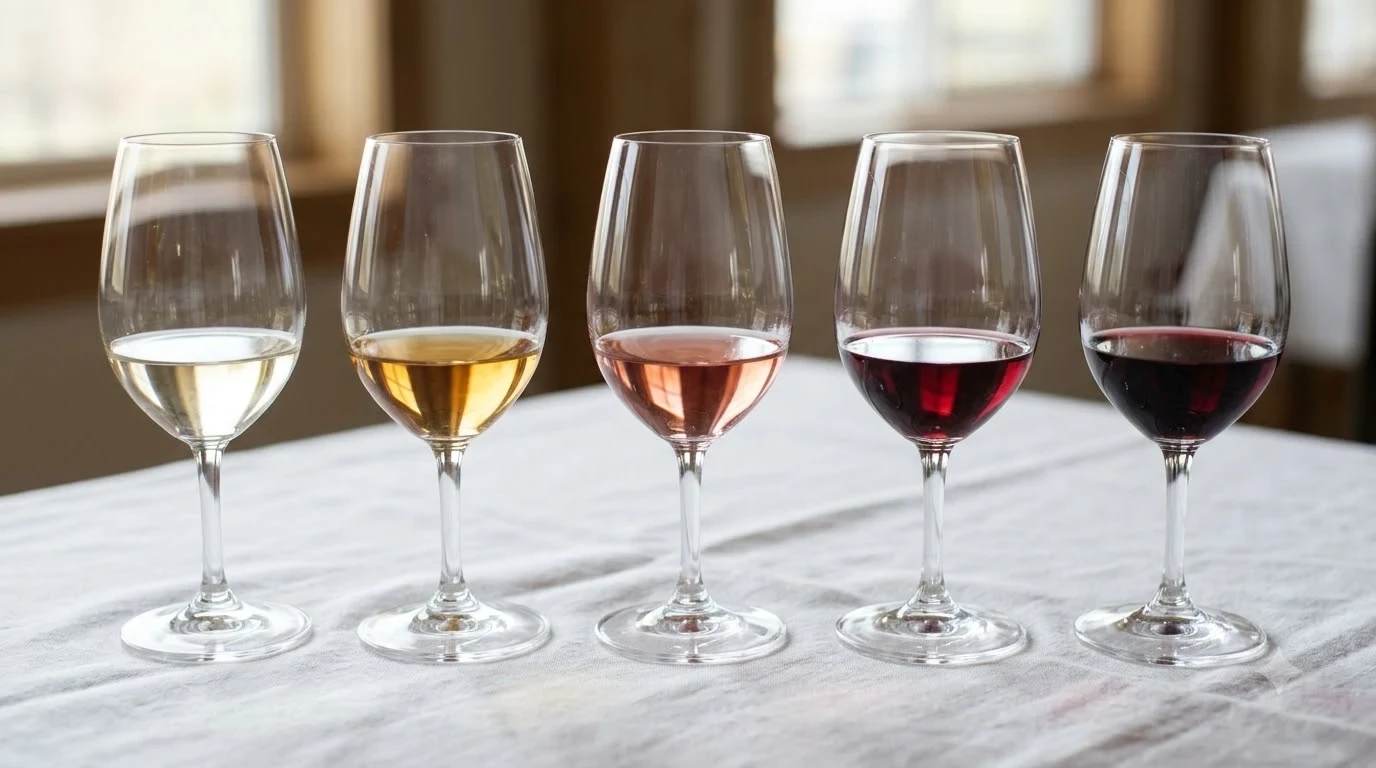
The best wine for easter depends on your menu, but off-dry Riesling is an excellent choice for glazed ham, Pinot Noir suits both ham and lighter lamb preparations, and Rioja or Syrah complements herb-roasted lamb. Sauvignon Blanc is a natural match for asparagus and fresh spring vegetables, while dry rosé and sparkling wine offer flexible options for appetizers and mixed menus. Choose a separate sweet wine for dessert rather than expecting a dry dinner wine to work equally well with chocolate or cake.
Easter meals often combine several different flavors on one table: salty ham, savory lamb, creamy potatoes, asparagus, fresh salads, deviled eggs, and sweet desserts. That variety makes choosing wine more interesting than simply selecting a red for meat or a white for vegetables. The easiest approach is to match the wine to the main dish, then consider whether another bottle would improve the appetizers, side dishes, and dessert. A small selection of complementary styles usually works better than buying several similar bottles.
Who This Is For: Choosing Wine for Your Easter Menu
The right Easter wine depends on what you are serving, how many guests are attending, and whether you want one versatile bottle or several wines for different courses. A little planning helps avoid buying a powerful red that clashes with glazed ham or a delicate white that disappears beside roasted lamb.
Ham-focused dinners: If your holiday centerpiece is honey-baked, brown-sugar-glazed, or smoked ham, start with off-dry Riesling, Pinot Noir, or dry rosé. Ham combines salt, fat, smoke, and sometimes substantial sweetness. Wines with fresh acidity and moderate structure handle those characteristics more comfortably than heavily tannic reds. Riesling is especially useful when the glaze is sweet because its fruit character complements the seasoning without making the wine seem harsh.
Lamb-focused dinners: Roast leg of lamb, grilled chops, and braised lamb benefit from wines with more structure. Rioja, Bordeaux, Syrah, and Cabernet Sauvignon are possibilities, although the preparation matters. Rosemary, garlic, thyme, and roasted vegetables create savory flavors that complement earthy and herbal red wines. A heavily seasoned lamb roast can support a more powerful wine than a delicately prepared cut.
Mixed family gatherings: If guests are bringing different dishes, consider Pinot Noir, dry rosé, or a crisp sparkling wine. These choices can accommodate several lighter preparations without overwhelming the table. They also give guests alternatives when some prefer white wine and others prefer red.
Brunch and afternoon celebrations: Prosecco, Cava, and Crémant are useful for gatherings centered on appetizers, quiche, smoked salmon, and lighter dishes. A sparkling bottle also works as a welcome drink before the main meal. For dessert-focused occasions, reserve a sweeter wine that matches the actual dessert rather than relying on a dry sparkling wine for every course.
Consider the occasion’s pace, too. A long Easter lunch with several courses calls for more flexibility than a short dinner with one main dish. If you are hosting a group of eight to twelve adults, a combination of sparkling, white, red, and dessert wine gives guests meaningful choices without requiring a separate bottle for every plate.
Key Factors to Compare Before Buying Easter Wine
Compare sweetness, acidity, body, tannin, and serving temperature before choosing a bottle. These characteristics explain why Riesling works with glazed ham, why Syrah suits lamb, and why Sauvignon Blanc is more comfortable beside asparagus than a powerful red.
| Wine style | Typical character | Best Easter pairing | Serving temperature |
|---|---|---|---|
| Off-dry Riesling | Sweet fruit, high acidity | Glazed ham, carrots | 45–50°F |
| Pinot Noir | Low-medium tannin, high acidity | Ham, salmon, lighter lamb | 55–60°F |
| Rioja red | Medium-bodied, savory structure | Rosemary-and-garlic lamb | 60–65°F |
| Syrah | Medium-plus to high tannin | Grilled lamb, roasted meat | 60–65°F |
| Sauvignon Blanc | High acidity, herbal freshness | Asparagus, salads, goat cheese | 45–50°F |
| Chardonnay | Medium acidity, fuller body | Salmon, creamy potatoes | 50–55°F |
| Dry rosé | Fresh fruit, refreshing acidity | Ham, appetizers, mixed menus | 45–50°F |
| Brut sparkling | High acidity, lively bubbles | Brunch, appetizers, egg dishes | 40–50°F |
| Sweet dessert wine | Noticeable sweetness, balanced acidity | Fruit tarts, cake, chocolate | 43–50°F |
Sweetness is particularly important with ham. A honey glaze can make a completely dry wine seem more acidic and less fruity than it would alongside an unglazed roast. An off-dry Riesling offers a practical solution because its small amount of residual sugar complements the glaze, while its acidity balances the salty meat.
Acidity is equally important for spring vegetables and dishes containing lemon, vinegar, or fresh herbs. Sauvignon Blanc and Riesling are high-acid varieties that generally work well with these flavors. Chardonnay has medium acidity and more body, making it a stronger choice for buttery potatoes, cream sauces, and rich salmon.
Tannin determines how a red wine interacts with food. Cabernet Sauvignon generally has high tannin, Merlot has medium, softer tannin, and Pinot Noir has low-to-medium tannin with high acidity. Salt and fat soften the perception of tannin, which helps explain why a structured red can work with rich lamb but a softer red is often preferable with sweet, salty ham.
Body also matters. A delicate Pinot Noir can disappear beside a heavily seasoned lamb roast, while a powerful Cabernet can overwhelm a simple chicken dish. Try to match the wine’s intensity to the food’s richness, seasoning, and cooking method rather than following a strict red-meat-and-red-wine rule.
For more detail on wine sweetness and acidity, compare the characteristics of dry white wine before deciding whether your menu calls for a crisp, completely dry bottle or something with a little residual sugar.
Step-by-Step: How to Select the Right Easter Wine
A straightforward buying process keeps the selection focused and makes it easier to plan quantities. Start with the main course, identify the strongest flavors, and then add complementary wines for the remaining dishes.
- Identify the main protein. Decide whether ham, lamb, salmon, chicken, or a vegetarian centerpiece will dominate the meal. Glazed ham usually points toward Riesling, rosé, or Pinot Noir, while herb-roasted lamb suggests Rioja, Bordeaux, or Syrah. If there are two main courses, prioritize a flexible wine rather than buying only for one.
- Consider the preparation. Honey and brown sugar create a different pairing challenge from mustard, herbs, smoke, or lemon. Choose off-dry Riesling for a sweet ham glaze, Sauvignon Blanc for mustard-seasoned dishes, and Pinot Noir for smoked pork. For lamb, consider whether rosemary, garlic, pepper, or a rich sauce dominates the plate.
- Check the side dishes. Asparagus, artichokes, peas, and lemon-dressed salads favor fresh, high-acid whites. Creamy potatoes, gratins, and buttery casseroles can support Chardonnay. If the sides are more prominent than the main course, select a wine that works with those flavors instead of focusing entirely on the meat.
- Choose the number of styles. One versatile wine may be enough for a small dinner, but a larger gathering benefits from two or three styles. A practical selection could include sparkling wine for arrival, Sauvignon Blanc for vegetables, and Pinot Noir for the main course.
- Estimate the bottle quantity. A standard 750 ml bottle provides approximately five 5-ounce servings. For eight adults, four bottles provide approximately twenty glasses; for twelve adults, six bottles provide approximately thirty glasses. Adjust the amount for the length of the meal and the number of guests who actually drink wine.
- Plan dessert separately. Lemon tart, carrot cake, fruit desserts, and chocolate each have different levels of sweetness and richness. Choose a dessert wine at least as sweet as the dessert, and avoid assuming that the wine served with the main course will automatically match the final course.
- Organize serving temperatures. Chill sparkling wine to 40–50°F, light whites and rosé to 45–50°F, and full-bodied reds to 60–65°F. Have the bottles ready before guests arrive so you are not trying to chill several wines during the meal.
For example, a dinner with honey-glazed ham, asparagus, scalloped potatoes, and lemon tart could use off-dry Riesling, Sauvignon Blanc, Chardonnay, and a sweet dessert wine. A simpler dinner featuring rosemary lamb and roasted potatoes could work with one Rioja or Bordeaux alongside a sparkling starter.
Tip: If you are unsure which wine will suit the entire table, buy a versatile Pinot Noir and a crisp sparkling wine. The Pinot Noir can cover several meat dishes, while the bubbles offer a refreshing alternative for appetizers, eggs, and lighter plates.
Types or Styles Explained for Easter Dinner
Different wine styles serve different roles at an Easter gathering. Pinot Noir and Rioja cover many main courses, Sauvignon Blanc handles spring vegetables, and sparkling or sweet wines make the beginning and end of the meal more interesting.
Riesling for Glazed Ham
Riesling is one of the most dependable choices for honey-glazed and brown-sugar-glazed ham. Its high acidity refreshes the palate after fatty pork, while a little sweetness harmonizes with the glaze. German Kabinett and Spätlese styles are useful starting points when you want a noticeable balance between fruit, sweetness, and freshness.
For a mustard-glazed ham, a drier Riesling can work particularly well. Gewürztraminer is another option, especially with spicier seasoning. The important distinction is between a wine that tastes refreshing beside the food and one that becomes unpleasantly sharp when the ham’s sweetness is introduced.
Pinot Noir for a Versatile Red
Pinot Noir is a useful choice when the Easter menu includes both ham and lighter meat dishes. It generally has lower tannin than Cabernet Sauvignon, with fresh acidity and red-fruit flavors. Oregon and California Pinot Noir are familiar American options, while Burgundy provides another expression of the grape.
Its moderate structure also makes it suitable for salmon prepared steak-style. This is particularly useful when guests want red wine with fish, but a strongly tannic red would overwhelm the dish. Pinot Noir is not necessarily the strongest match for every heavily seasoned lamb roast, but it offers considerable flexibility at a mixed table.
Rioja, Bordeaux, and Syrah for Lamb
Rioja is a particularly good starting point for herb-roasted lamb. Made primarily from Tempranillo, traditional Rioja reds can offer red fruit, savory spice, and enough structure to complement garlic, rosemary, and roasted vegetables. The wine’s acidity helps prevent a rich meal from feeling too heavy.
Bordeaux is another classic lamb pairing. Cabernet Sauvignon and Merlot-based blends can work with grilled chops and substantial roasts. Cabernet Sauvignon generally contributes firmer tannin, while Merlot offers softer structure. Choose the wine’s intensity according to how rich and strongly seasoned the lamb is.
Syrah provides a more peppery alternative. Its savory character complements grilled meat, rosemary, garlic, and black-pepper seasoning. Australian Shiraz is generally a familiar option, while Rhône Syrah offers another style for people who prefer savory rather than intensely ripe fruit character.
Sauvignon Blanc and Chardonnay for Spring Sides
Sauvignon Blanc is especially useful when asparagus, peas, fresh herbs, and green salads are prominent. Its citrus and herbal notes complement these flavors, while its high acidity works well with lemon vinaigrette and goat cheese. Marlborough Sauvignon Blanc is a recognizable style for shoppers seeking pronounced freshness.
Chardonnay has a different role. It is a stronger choice for creamy potatoes, buttery vegetables, rich salmon, and gratins. A lightly oaked or unoaked example can preserve freshness, while a more rounded, oak-influenced style provides additional richness. For shoppers comparing white wine categories, dry white wine options provide a useful starting point for understanding these differences.
Dry Rosé and Sparkling Wine for Mixed Menus
Dry rosé is one of the easiest choices for a family gathering because it combines refreshing acidity with fruit character and moderate body. It can work with ham, salmon, appetizers, and several lighter vegetable preparations. Provence rosé is a familiar reference point, although other dry rosé styles can also be suitable.
Sparkling wine is particularly useful for brunch and appetizers. Prosecco is made primarily from Glera grapes and generally uses the tank method, producing a fresh, fruit-forward style. Cava and Champagne undergo their second fermentation in the bottle, creating a different texture and complexity.
When comparing sparkling wines, sweetness terminology matters. From driest to sweetest, the main categories are Brut Nature, Extra Brut, Brut, Extra Dry, Dry, Demi-Sec, and Doux. Extra Dry is actually sweeter than Brut, so shoppers who want the driest possible option should not assume the words mean what they suggest in ordinary conversation.
Dessert Wine for Easter Sweets
Dessert is an opportunity to introduce a wine that would be too sweet or concentrated for the main meal. Moscato, late-harvest Riesling, Vin Santo, and other sweet wines can work with appropriate desserts. Vin Santo is particularly suitable for biscotti, almond desserts, fruit tarts, and aged cheese.
Chocolate needs some attention because dry red wine can taste bitter beside sweet chocolate. A sweet wine with enough intensity is a better choice. Ruby Port is a familiar option for dark chocolate, while a lighter sweet sparkling wine may suit fruit-based desserts. The wine should never be less sweet than the food it accompanies.
For additional pairing ideas covering ham, lamb, salmon, vegetables, and brunch, the Vivino Easter wine pairing guide provides useful examples of how different wine styles work across a holiday menu.
Common Mistakes When Buying Wine for Easter
Most Easter wine-pairing problems come from choosing by color alone, ignoring sweetness, or purchasing a bottle that is too powerful for the food. A few simple adjustments can prevent those problems without making the shopping process complicated.
Choosing a powerful Cabernet for sweet ham: Cabernet Sauvignon has high tannin, and its structure can seem harsh alongside salty pork and a sweet glaze. Pinot Noir or off-dry Riesling is generally a safer choice. If guests insist on red wine, select something with softer tannins and fresh fruit.
Serving a very sweet wine with a savory main course: A dessert wine is designed for sweet food, not necessarily for roast lamb or an ordinary dinner plate. For the main course, choose a wine whose sweetness complements the seasoning rather than dominating it. Reserve the sweeter bottles for fruit tarts, cake, or chocolate.
Ignoring spring vegetables: A menu containing asparagus, artichokes, peas, and lemon-dressed greens can make some wines taste metallic, bitter, or overly vegetal. Sauvignon Blanc and Grüner Veltliner are useful options for these dishes. If the meal includes substantial amounts of vegetables, do not assume the red selected for the lamb will suit every side.
Following the red-wine-with-meat rule too strictly: Ham is a good example of why this shortcut fails. Its salt and sweetness often favor Riesling, rosé, or Pinot Noir over a heavily tannic red. Salmon can also work with Chardonnay or Pinot Noir depending on whether it is baked, served with cream, or prepared steak-style.
Buying too many similar bottles: Six bottles of powerful red wine may not serve a group that prefers white wine and rosé. A more balanced selection provides alternatives and accommodates several courses. Think about guest preferences as well as the food before deciding how many bottles of each style to purchase.
Forgetting the dessert pairing: A dry Sauvignon Blanc may be excellent with asparagus but unpleasant alongside a very sweet carrot cake or chocolate dessert. Sweetness changes the perception of wine, so a separate bottle is often the simplest solution. If the dessert is particularly rich, serve smaller pours rather than expecting everyone to drink a full glass.
Serving every wine at the same temperature: Warm sparkling wine loses some of its refreshing appeal, while very cold red wine can seem closed and overly firm. Organize the serving sequence around the style of wine instead of placing every bottle in the refrigerator or leaving every bottle on the counter.
Finally, avoid buying solely because a label looks festive or because a wine is traditionally associated with Easter. A bottle that matches the food and your guests’ preferences is a more useful purchase than one selected only for its presentation.
For another perspective on matching wine with Easter dishes, Blackwell’s Easter wine pairing recommendations also discuss the differences between sweet-glazed ham, herb-seasoned lamb, and spring vegetables.
Care and Storage Tips for Easter Wine
Correct storage and serving temperatures help preserve the flavors you paid for and make the meal easier to organize. The most useful preparation involves chilling white and sparkling wines in advance, keeping reds away from excessive heat, and planning how much wine will be opened at once.
Store Bottles Before the Gathering
Keep unopened wine in a cool, dark location away from direct sunlight, heating equipment, and major temperature changes. A storage temperature near 55°F is a useful target. Traditional cork-finished bottles are generally stored on their sides so the cork remains in contact with the wine.
Avoid leaving bottles in a warm kitchen for several hours before serving. Heat can damage wine, while frequent temperature fluctuations are undesirable for longer-term storage. If you are purchasing several bottles for Easter, keep them in an appropriate storage area until they are needed.
Prepare Serving Temperatures
Use the following ranges as a practical serving reference:
- Sparkling wine: 40–50°F.
- Light whites and rosé: 45–50°F.
- Full-bodied whites: 50–55°F.
- Light reds: 55–60°F.
- Full-bodied reds: 60–65°F.
- Sweet whites: 43–50°F.
For a typical Easter meal, put sparkling wine and light whites into the refrigerator ahead of time. Remove fuller-bodied whites shortly before serving if they become too cold. Light reds such as Pinot Noir can benefit from a modest chill, while structured reds are best served slightly cooler than a warm room.
Open and Decant Wine Carefully
Some young, full-bodied reds benefit from exposure to air before serving. A young Bordeaux-style blend or a structured Nebbiolo-based wine can be decanted for approximately 30–60 minutes, depending on its style and development. This gives the wine time to open and can make its aromas easier to appreciate.
Most Sauvignon Blanc, Riesling, rosé, and sparkling wines do not require decanting. Open them shortly before serving, preserving their freshness and, in the case of sparkling wine, their bubbles. Avoid opening every bottle at the beginning of the afternoon if the gathering will last several hours.
Preserve Leftovers
Refrigerate opened still wines and use a suitable closure to reduce exposure to air. A practical general guideline is three to five days for opened still wine, one to three days for sparkling wine with an appropriate stopper, several weeks for fortified wines, and approximately four to six weeks for bag-in-box wine after opening. Actual quality depends on the wine, closure, storage conditions, and how much oxygen has entered the container.
If your Easter dinner includes several wines, open the bottles in stages. Begin with sparkling wine for arrivals, move to white or rosé with appetizers, and bring out the red wine for the main course. This reduces unnecessary exposure to air and makes serving easier for the host.
For additional purchasing guidance, consult the site’s wine-buying resources to compare wine styles, understand labels, and build a selection that suits the occasion. You can also compare dry red wine styles if your Easter menu centers on lamb rather than ham.
Frequently Asked Questions
What is the safest wine to serve when guests have different preferences?
Offer at least one sparkling wine, one white, and one red rather than relying on a single style. Brut sparkling wine is a useful welcome option, while Pinot Noir and Sauvignon Blanc provide contrasting choices for dinner. This arrangement also makes it easier for guests to select a wine without needing to know detailed grape or regional terminology.
Is a magnum bottle a good choice for Easter dinner?
A standard magnum contains 1.5 liters, equivalent to two regular 750 ml bottles. It can be convenient for a larger gathering because everyone can share the same wine without opening multiple smaller bottles. A magnum is particularly practical when the host has selected one crowd-friendly wine for a shared main course.
Can nonalcoholic wine be included in an Easter wine selection?
Yes. Nonalcoholic wine can provide a wine-style alternative for guests who prefer not to drink alcohol. These products vary considerably in sweetness, acidity, and body, so comparing the specific style with the intended food pairing is useful. Offering sparkling and still alternatives makes the selection more inclusive.
What wine glasses should be used for an Easter meal?
A medium-sized universal wine glass is a practical choice for a meal with several wine styles. Smaller flute-shaped glasses are traditionally used for sparkling wine, although tulip-shaped sparkling glasses are also popular because they provide more room for aromas. Using fewer glass types can make serving and cleanup considerably easier.
Should Easter wine be opened before guests arrive?
Prepare sparkling and white wines in advance by chilling them, but open most bottles closer to serving time. Sparkling wine should be opened shortly before pouring to preserve carbonation. Structured red wines can be opened or decanted ahead of the main course, while delicate whites are generally best kept sealed until needed.
The best Easter wine selection is one that fits the actual food, accommodates different preferences, and makes serving straightforward. Start with Riesling for glazed ham or Rioja for herb-roasted lamb, add a fresh white or rosé for spring sides, and finish with an appropriately sweet dessert wine. With a few complementary styles and sensible bottle planning, your Easter table can offer enjoyable pairings from the first appetizer to the final dessert.
More in Wine Buying Guides
 Cheap Red Blend: How to Find a Flavorful Bottle for LessUpdated Nov 20, 2026
 Pinot Grigio Gift: How to Choose a Bottle They’ll EnjoyUpdated Nov 20, 2026
 Best White Wine at Total Wine for Every MealUpdated Nov 20, 2026
 Wine Fridge Replacement Shelves: Find the Right FitUpdated Nov 20, 2026
 Best Sparkling Wine Under 20: Find Bubbles Worth BuyingUpdated Nov 20, 2026
 Best Wine For Birthday Celebrations With Perfect Party PairingsUpdated Nov 20, 2026