

We may earn a commission when you buy through links on this page, at no extra cost to you. Learn more.
Does aerating wine make a difference? Yes, particularly with young, tannic red wines that need time to open up and show their aromas. Exposure to air can soften the impression of tannin, make certain aromas more noticeable, and change the balance of a wine in the glass. The effect depends on the grape, age, structure, and condition of the bottle. Some wines improve with 30 to 60 minutes in a decanter, while others are better poured and enjoyed immediately.
A bottle does not automatically become better just because it has been open for an hour. Aeration is a practical serving technique, not a requirement or a substitute for aging. Understanding what air does, which wines respond well, and how to control the exposure can help you decide whether to use a decanter, a small aerator, or simply your wineglass.
What Aeration Changes in a Glass
A wine can change noticeably during its first 10 to 30 minutes after pouring, and swirling a glass of Cabernet Sauvignon gives it more contact with air than simply removing the cork and leaving the bottle on the counter. Aeration can make aromas more expressive and change how tannins feel on the palate.
Wine contains many aromatic compounds that contribute to its smell. Some are immediately noticeable when the bottle is opened, while others may become easier to detect after the wine has been poured and exposed to air. A young red wine might initially smell restrained, with its fruit seemingly buried beneath oak, alcohol, or a firm tannic structure. After some aeration, notes of black cherry, plum, cassis, herbs, or spice may become easier to recognize.
The change is not simply a matter of making a wine smell stronger. Aeration can alter the balance between aromas, texture, acidity, fruit, and tannin. A Cabernet Sauvignon that initially feels tight and drying may seem rounder after some time in a glass. Its tannins have not disappeared, but their presence can feel less aggressive as the wine opens. This can make the fruit and other flavors easier to appreciate.
Air exposure also has limits. Oxygen is involved in the wine’s gradual development, but too much exposure can eventually diminish freshness and make aromas less appealing. The first period of aeration may improve a wine, while prolonged exposure can lead to dull fruit, faded aromas, and an unpleasantly oxidized character. The goal is to find the point at which the wine becomes more enjoyable, not to expose it to as much oxygen as possible.
It is also helpful to distinguish aeration from aging. A few minutes in a decanter cannot reproduce the slow changes that take place over years in a bottle. Aeration can reveal existing characteristics more quickly, but it cannot give a simple young wine the depth and complexity of a mature, carefully aged bottle. The distinction is important when deciding whether a particular wine needs air or simply needs to be enjoyed for what it is. For a useful explanation of the equipment and the difference between the two methods, see Wine Enthusiast’s comparison of aerators and decanters.
Which Wines Benefit Most
Young Cabernet Sauvignon from Napa Valley, Syrah from the Northern Rhône, and Nebbiolo-based Barolo are good examples of reds that may benefit from controlled aeration. Their structure, tannins, and concentrated aromas can make them seem restrained or firm immediately after opening.
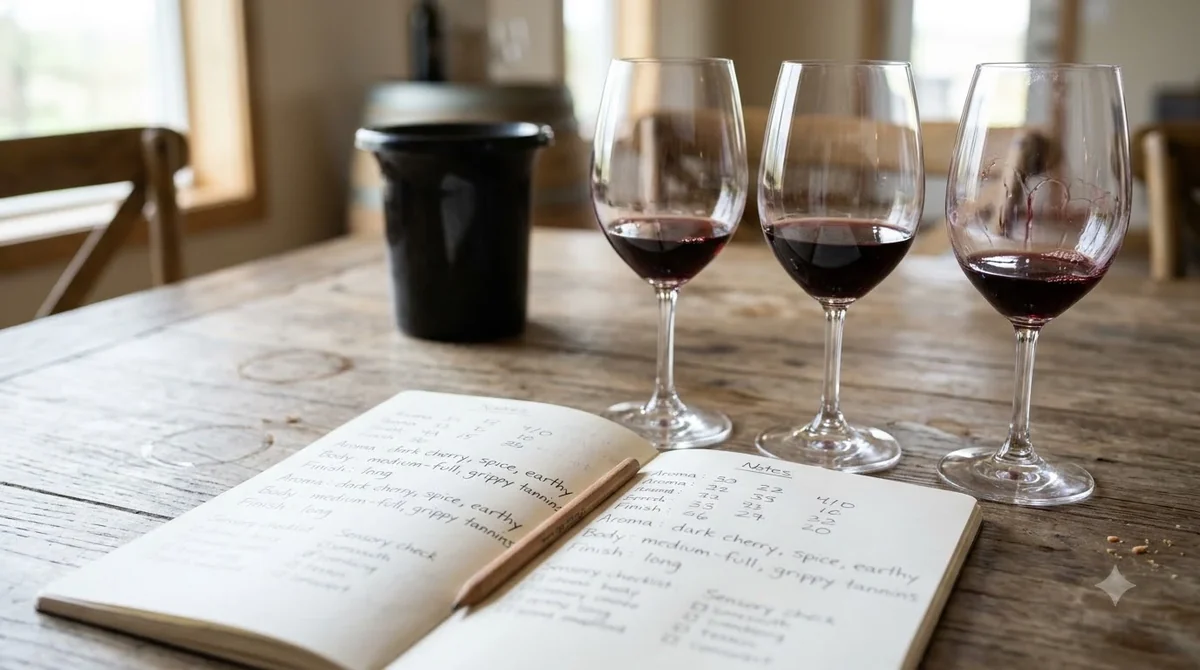
Cabernet Sauvignon is a particularly useful example because its naturally high tannin can make a young bottle feel firm and drying. A powerful young Cabernet may initially show intense black-fruit aromas but little aromatic detail beyond them. A period in a wide decanter can help the wine become more expressive, allowing cassis, cedar, dark plum, and herbal notes to emerge more clearly. This is especially useful when the wine feels tightly wound rather than obviously faulty.
Syrah can respond well for similar reasons. A young Northern Rhône Syrah or a concentrated Australian Shiraz may have plenty of dark fruit, pepper, savory spice, and substantial tannin. Giving it some air can make those elements easier to distinguish. The result is not necessarily a softer wine in every respect; rather, the wine may become more balanced and its flavors easier to follow.
Nebbiolo, the grape associated with Barolo and Barbaresco in Piedmont, is another variety that can benefit from attention to aeration. Young examples can combine pronounced tannins with acidity and aromas of cherry, rose, tar, and dried herbs. Some bottles respond well to a decanter, while more delicate or mature examples call for restraint. The wine’s age and condition matter as much as the grape name.
Other possibilities include young Malbec, Tannat, and structured Bordeaux blends. A powerful red that initially seems dominated by firm tannin, oak, or muted fruit is a better candidate than a soft, immediately expressive wine. Merlot, with its generally softer, medium tannin, may need less time than a similarly youthful Cabernet Sauvignon. Pinot Noir, which usually has lower to medium tannin and high acidity, often benefits more from gentle swirling than a long, aggressive decant.
Some full-bodied white wines can benefit, too. A complex Chardonnay, particularly one with oak influence and a restrained aroma immediately after opening, may become more expressive with a little air. Decanter also identifies complex whites such as Puligny-Montrachet and some German and Alsace Rieslings as candidates for breathing. This is different from saying that every white wine needs a decanter: fresh, uncomplicated styles often show their best character straight from the bottle.
When Air Can Work Against a Wine
A fragile, mature Pinot Noir from Burgundy and a fresh New Zealand Sauvignon Blanc are poor candidates for prolonged, vigorous aeration. Sparkling wines such as Champagne and Prosecco also need a different approach because extended exposure allows their carbon dioxide to escape.
Older reds can be particularly sensitive to air. As a wine ages in the bottle, its original fruit aromas and tannic structure develop into a more delicate combination of mature characteristics. Those aromas can be subtle and easily lost. A mature Burgundy, older Rioja, or aged Nebbiolo might smell beautiful immediately after pouring, only to become less expressive after an extended stay in a broad decanter. For these wines, decanting is often more useful for separating sediment than for encouraging additional aeration.
That distinction matters because decanting and aerating are related but separate tasks. Aeration means exposing wine to air to encourage changes in aroma and texture. Decanting can mean transferring wine from one vessel to another, often to leave sediment behind. An older bottle with visible sediment may need careful decanting, but that does not mean it should be left in the decanter for an hour. Pour it gently, separate the sediment, and serve it soon afterward.
Fresh aromatic whites also deserve restraint. A crisp New Zealand Sauvignon Blanc is generally valued for its lively acidity and distinctive citrus, tropical-fruit, and herbal aromas. Leaving it in a decanter for a long period can reduce the freshness that makes it appealing. The same general principle applies to many light, young whites and rosés. A short swirl in the glass is usually enough to release a little more aroma without changing the wine’s character too much.
Sparkling wine needs special care because its bubbles are part of the experience. Pouring Champagne, Cava, or Prosecco into a wide vessel increases the opportunity for carbon dioxide to escape. The wine can lose its fine mousse and become noticeably flatter. A sparkling wine should normally be opened and poured shortly before serving rather than deliberately aerated in a decanter.
Temperature also affects how a wine seems to respond. A chilled white may initially appear muted because cold temperatures suppress aromas. Warming slightly in the glass can reveal more fragrance without the need for a decanter. Similarly, a red served too warm may emphasize alcohol rather than fruit. Give the wine an appropriate serving temperature before deciding that it needs additional air.
How Long to Aerate Wine
For a young, structured Cabernet Sauvignon or Syrah, 30 to 60 minutes in a decanter is a useful starting point; a fresh white with mild reductive aromas may need only 10 to 15 minutes, or a few swirls in the glass. These are practical guidelines rather than fixed rules for every bottle.
Wine Enthusiast recommends beginning with a small sample when a wine seems closed or shows sulfur-like aromas. Some mild reductive smells, including struck matches or rubber-like notes, can become less noticeable after approximately 10 to 15 minutes. A quick swirl and another smell may be all that is needed. There is little reason to transfer an entire bottle into a large decanter before checking whether a small amount of air improves it.
The following ranges are sensible starting points for deciding how to serve different styles. They are not guarantees: two bottles of the same grape can respond differently because of age, winemaking, storage, and the individual condition of the wine. Decanter’s advice on letting wine breathe likewise emphasizes adapting the method to a wine’s age, structure, and style.
| Wine style | Suggested starting time | Practical approach |
|---|---|---|
| Young, highly tannic reds such as Cabernet Sauvignon, Syrah, and Nebbiolo | 30–60 minutes | Use a wide decanter and taste periodically. |
| Medium-bodied reds such as Merlot and Grenache | 10–20 minutes | Start with a pour and gentle swirling in the glass. |
| Young reds with mild reductive aromas | 10–15 minutes | Swirl a sample and see whether the unwanted smell fades. |
| Complex or full-bodied white wine that seems closed | 10–15 minutes | Try a glass or brief aeration rather than a long decant. |
| Older, delicate reds | Serve promptly | Decant gently only when sediment needs separating. |
| Fresh whites, rosés, and sparkling wines | 0 minutes of planned aeration | Pour and serve; let the wine open naturally in the glass. |
For highly tannic young reds, the longer end of the 30-to-60-minute range may be useful. Taste the wine before decanting, then check it again after 15 minutes and at later intervals. If the aromas become clearer and the tannins seem more integrated, the wine may be ready. There is no benefit in waiting simply to reach a particular number on the clock.
Older bottles need the opposite approach. Rather than planning an hour of aeration, separate the wine from any sediment and pour it into glasses. A delicate mature wine can lose its best aromas quickly, so serve it while it still shows its character. A brief period in the glass may reveal more, but prolonged exposure should not be the default.
Aerator, Decanter, or Wineglass?
A 750 ml bottle can be opened with a simple corkscrew, poured into a standard wineglass, or transferred to a decanter; the right method depends on the wine and how much air it needs. A glass is usually sufficient for one serving, while a wide decanter is more useful when an entire young red wine needs additional exposure.
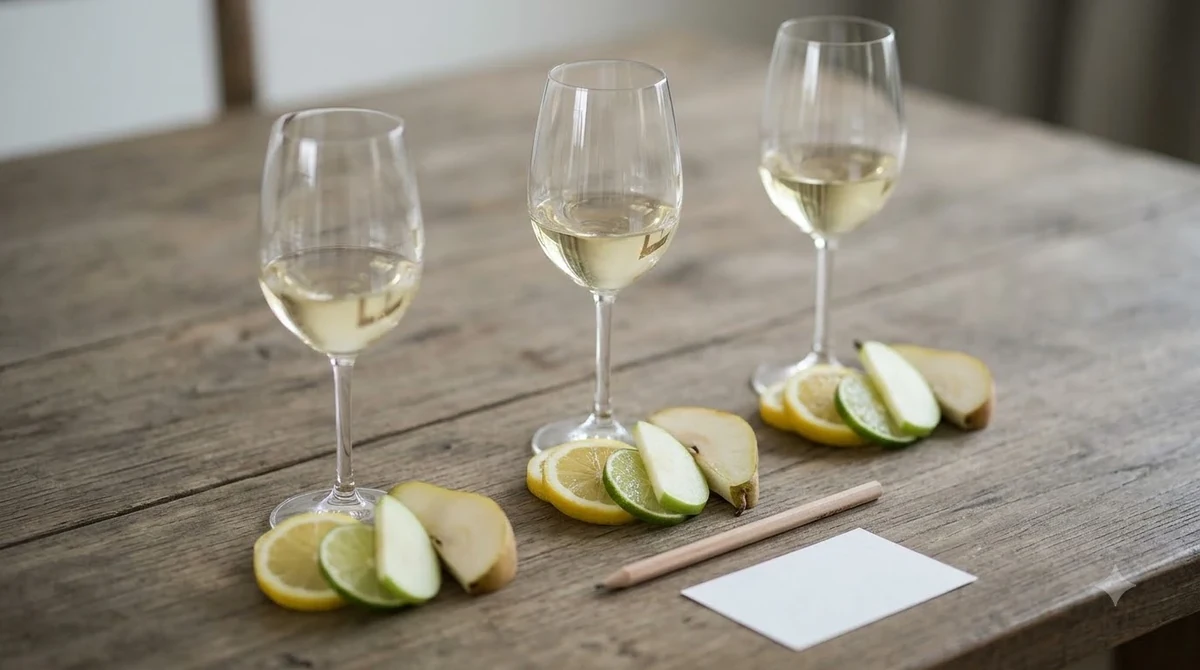
A wineglass is the easiest way to begin. Pour a small amount, smell it, taste it, and swirl gently. The wine spreads across the inside of the glass, increasing its contact with air and allowing aromas to develop. A larger bowl gives you more room to swirl and collect aromas, but a suitable everyday wineglass can still do the job. This approach is especially useful when the bottle is unfamiliar or when you are serving a delicate wine.
A decanter offers more controlled exposure for a full bottle. A wide base allows a larger surface area of wine to meet the air, which can speed up the process for young, tannic reds. Choose a vessel that can hold the bottle’s contents without spilling, and pour steadily. A narrow-necked decanter can look attractive on a table, but a wider vessel generally offers more surface area for aeration.
A small wine aerator is convenient when you want to serve wine almost immediately. These devices fit over a bottle opening or are held in the stream of wine during pouring. Their purpose is to introduce air as the wine passes through. They are useful for quick service, but they do not replace a decanter when an older wine needs to be separated from sediment. Some aerators can also become obstructed by particles in an unfiltered or older bottle.
There is also the option of simply opening the bottle in advance. However, removing the cork or screwcap and letting the bottle stand upright is not a particularly effective way to aerate the wine. The opening is narrow and only a small area of wine is exposed to air. Pouring a glass creates a much larger surface area for contact, so the wine in the glass can begin changing more quickly.
For very young reds, a technique called double decanting can provide additional exposure. The wine is poured into a decanter, allowed to breathe, and then returned to the original bottle. This can be useful when you want to serve an aerated wine from its original bottle at the table. It is a stronger treatment, however, and is better suited to youthful wines than mature or delicate bottles.
Tip: You do not need special equipment to see whether aeration helps. Pour a small glass, swirl it for a few seconds, and taste again after 10 minutes. If the wine is already expressive and balanced, there is no reason to transfer the rest of the bottle to a decanter.
For more about selecting the right glass, opening bottles, and serving wine at a suitable temperature, see our Opening & Serving basics. These simple serving choices can make a more noticeable difference than buying an elaborate aerator for everyday bottles.
A Simple Tasting Test Before and After
A side-by-side tasting at 0, 10, and 20 minutes can show whether aeration is helping a wine. Comparing two small pours from the same bottle is more informative than relying on memory after a long wait.
Start by opening the bottle and pouring two small samples into separate glasses. Leave the first glass alone, and gently swirl the second one for several seconds. Smell and taste both samples. Notice whether the aromas seem fruity, floral, savory, or restrained, and pay attention to how the wine feels across the tongue. For a red wine, consider whether the tannins feel drying, firm, or smooth.
Wait approximately 10 minutes and repeat the comparison. You might find that the swirled glass now shows more cherry or plum, while the untouched sample remains quieter. In a young Cabernet Sauvignon, the tannins might seem less prominent and the fruit more accessible. With a Pinot Noir, the difference may be smaller, or the wine may show its best aromas without much additional air.
At the 20-minute mark, compare them again. The wine may have improved, remained much the same, or started to lose some of its initial freshness. All three outcomes are useful. A small change suggests that the wine does not require extensive treatment. A clear improvement suggests that the rest of the bottle may benefit from a little more air. A decline suggests that continued exposure is unnecessary.
Pay attention to aroma as well as flavor. A wine can become more fragrant without becoming noticeably softer on the palate. Another wine may seem smoother but lose some of its bright fruit. Neither response is automatically better. The right result is the one that makes the wine more enjoyable and balanced for your preferences.
It also helps to repeat the process with different styles. A young Malbec may show a clear difference after swirling, while a delicate older Pinot Noir may change rapidly in the opposite direction. A rich Chardonnay might reveal more aromas after a short rest, whereas a crisp Sauvignon Blanc may be most appealing immediately after pouring. Taking a few notes about the grape, age, serving temperature, and time exposed to air can make future decisions easier.
Do not confuse aeration with removing stains, changing the wine’s color, or changing the serving itself. Red wine can still leave visible pigment on teeth after a period in a decanter. If that is another question on your mind, our article on does red wine stain teeth covers the separate issue of wine pigments and discoloration.
The same tasting-first approach is useful when a wine smells unusual. A faint struck-match or rubber note may diminish with a little air, but not every unpleasant smell is a temporary effect of being freshly opened. If a wine continues to smell distinctly faulty after a small sample has had time to breathe, further aeration may not solve the problem.
Frequently Asked Questions
Questions about screwcap bottles, sediment in older reds, and wine faults often determine whether a bottle needs a little air or a more careful serving method. These answers cover several situations that are easy to confuse with ordinary aeration.
Does a screwcap wine need to breathe differently from a cork-finished wine?
No. The type of closure does not determine whether the wine will benefit from aeration once it is opened. A screwcap-finished Cabernet Sauvignon can be swirled or decanted in the same way as a cork-finished bottle. The grape, age, and structure are more useful guides than the closure.
Is sediment in an older red wine a sign that it has gone bad?
Not necessarily. Over time, natural wine components can combine and form solid particles that settle at the bottom of a bottle. These deposits can include pigment and tannin material, and some wines also develop tartrate crystals. Sediment can feel gritty or bitter, but its presence alone does not mean the wine is spoiled.
Can aerating wine fix cork taint?
No. Cork taint is commonly associated with a compound called TCA, which can give wine a damp-cardboard, moldy, or musty smell. More air will not reliably remove the contamination or restore the wine’s original aromas. A distinctly corked bottle is a wine fault rather than a bottle that simply needs more breathing time.
Can aerating wine make a wine that smells like vinegar taste fresh again?
No. Vinegar-like aromas can indicate the development of volatile acidity, which is different from the mild closed or reductive aromas that sometimes dissipate after opening. Once a wine has deteriorated in this way, pouring it into a decanter will not reverse the change. Additional oxygen exposure can make an already deteriorated wine less appealing.
Does aerating wine reproduce the effects of several years of bottle aging?
No. Bottle aging involves slow chemical changes that take place over a long period under controlled storage conditions. Aeration can accelerate some short-term changes in aroma and texture, but it cannot reproduce the full development of a mature wine. A young Barolo given an hour in a decanter is still a young Barolo, even if its tannins feel more approachable.
Aerating wine can make a meaningful difference, particularly with young Cabernet Sauvignon, Syrah, Nebbiolo, and other tannic reds. The best approach is to taste first, introduce air gradually, and stop when the wine reaches the balance you enjoy. A decanter is useful when a bottle needs it, but a simple swirl in the glass is often all that stands between opening a wine and enjoying it at its best.
More in Wine Basics
 Which Rose Is Best for Your Taste, Budget, and Food PairingsUpdated Nov 21, 2026
 Is Cheap Wine Bad? How to Find Bottles Worth DrinkingUpdated Nov 21, 2026
 What To Write On A Wine Gift Tag: Thoughtful Messages For Every OccasionUpdated Nov 21, 2026
 Which Wine Is Best For Weight Loss? Compare Lower-Calorie ChoicesUpdated Nov 21, 2026
 What Is The Best Wine For Mimosas? Choose Bubbly That Balances Orange JuiceUpdated Nov 20, 2026
 Which Prosecco Is Best for Your Taste and OccasionUpdated Nov 20, 2026