

We may earn a commission when you buy through links on this page, at no extra cost to you. Learn more.
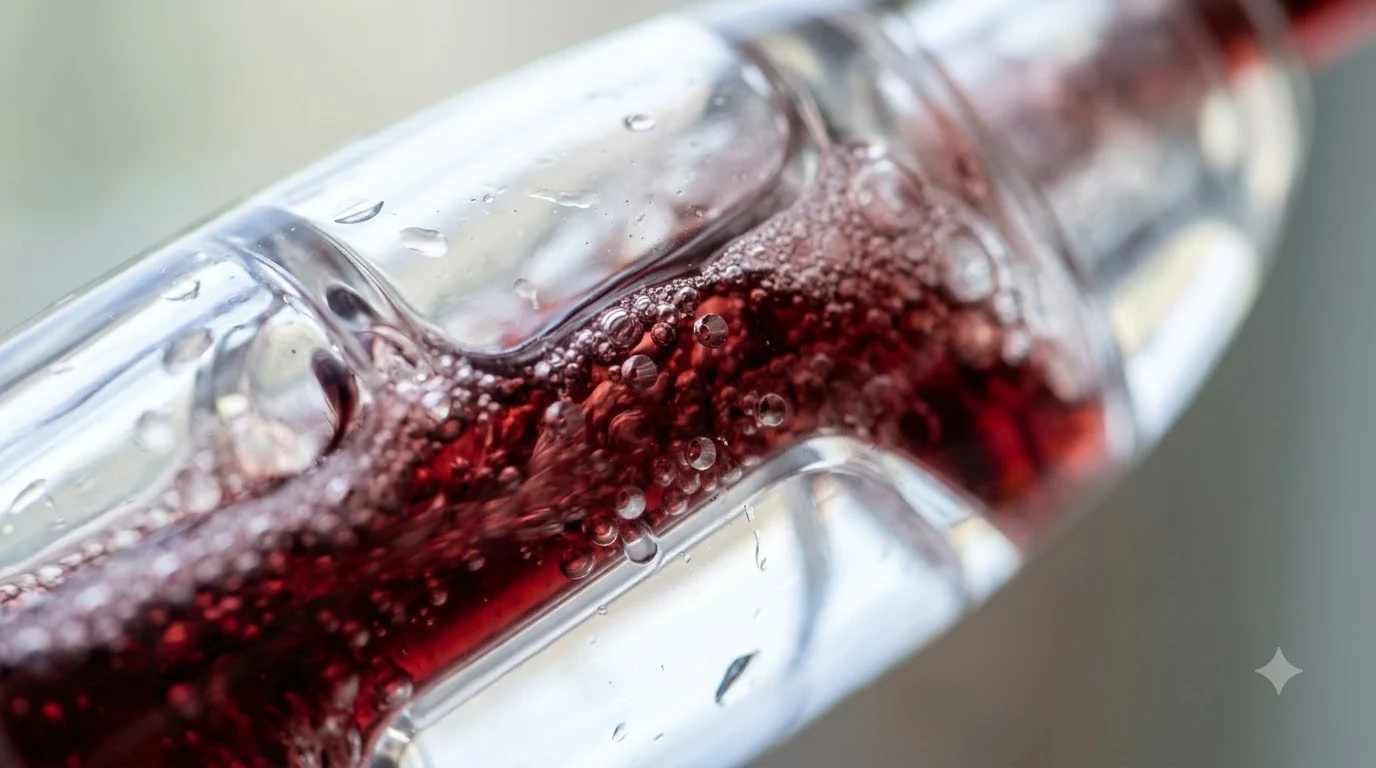
The best wine aerator for most everyday red wine drinkers is a handheld pour-through model, which uses the Venturi effect to pull oxygen into your wine in seconds without the wait of a traditional carafe. For single-handed table service, an in-bottle aerator pourer snaps directly into the bottleneck for drip-free pouring. Hosts entertaining a crowd benefit most from a decanter-top aerator, while electric dispensers offer push-button precision and sulfite-filtering models target sensitive palates.
Opening a young, full-bodied red wine often reveals tight aromas and grippy tannins that normally require 30 to 90 minutes in a wine decanter to soften. A dedicated aerator dramatically increases the liquid’s surface-area exposure during the pour itself, letting volatile compounds blow off while fruit and floral notes step forward immediately.
Quick Comparison
Different aerator designs balance speed, single-handed convenience, sediment filtration, and cleanup effort depending on how you serve wine.
| Aerator Type | Best For | Operation | Sediment Screen | Cleanup Effort |
|---|---|---|---|---|
| Handheld Pour-Through | Everyday young reds | Two-handed hold over glass | Often included | Quick warm-water rinse |
| In-Bottle Pourer Spout | Casual weeknight pouring | Inserts into bottle neck | Rarely included | Simple rinse; check air ports |
| Decanter-Top Aerator | Dinner parties and full bottles | Rests on decanter rim | Usually built in | Rinse aerator and wash carafe |
| Electric Aerator Dispenser | Push-button convenience | Battery or USB pump on bottle | Internal intake filter | Flush tube with clean water |
| Purifying Filter Aerator | Sulfite-sensitive drinkers | Pour-through with replaceable pods | Yes, multi-stage | Rinse housing; replace filter |
Best for Everyday Young Reds: Handheld Pour-Through Aerators
Handheld pour-through aerators deliver the strongest, fastest oxygenation for structured reds like Cabernet Sauvignon, Syrah, and Malbec by channeling wine through a narrow chamber that draws air inside as you pour.
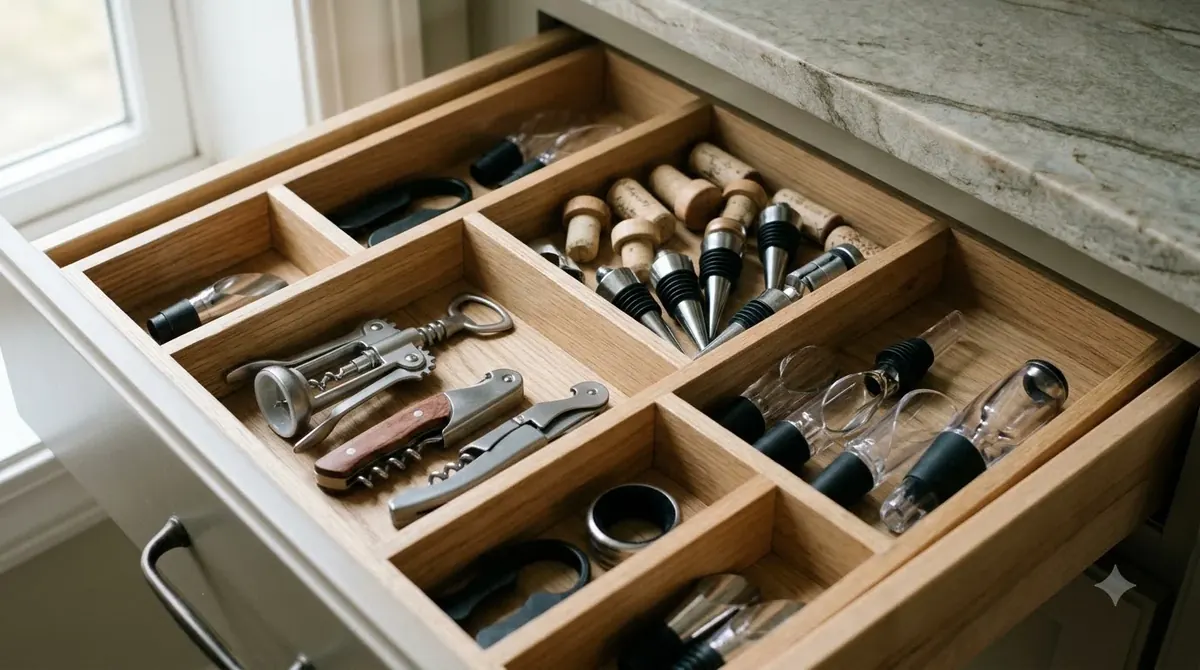
Why it stands out: As Wine Enthusiast’s guide to wine aerators explains, handheld models are held directly over the glass while wine passes through an internal chamber that infuses oxygen on contact. Most rely on fluid velocity and pressure differentials—the Venturi principle—to pull ambient air through small side ports, producing a characteristic soft hissing sound. Many designs also include a removable mesh screen to catch stray tartrate crystals or coarse sediment before they land in your bowl.
Keep in mind and best for: Because you must hold the aerator in one hand and the bottle in the other, pouring requires a steady grip so wine does not splash onto your tablecloth. Choose this style if you want maximum aeration power in a compact, non-electric tool that rinses clean under warm tap water in thirty seconds.

- Type
- In-bottle pourer spout
- Material
- Plastic, stainless steel
- Size
- 1.1"W x 5.2"H
- Weight
- 1.6 oz
A slim spout that sits in the bottle neck, this pourer suits everyday young reds you would rather not decant. Rabbit's silicone base fits all bottle types and keeps the pour drip free, while aeration happens as the wine leaves the bottle. It weighs only 1.6 ounces, so it stores easily in a drawer or on a bar cart for weeknight dinners.
Pros & ConsView
- Fits any standard wine bottle securely
- Silicone base helps keep pours drip free
- Lightweight at 1.6 ounces
- Aerates only as you pour, not in bulk
- Plastic and silicone parts, not all metal
Best for Single-Handed Pouring: In-Bottle Aerator Pourers
In-bottle aerator pourers press snugly into the neck of an open wine bottle via a ribbed silicone gasket, combining an oxygenating chamber with a drip-free spout for effortless one-handed service.
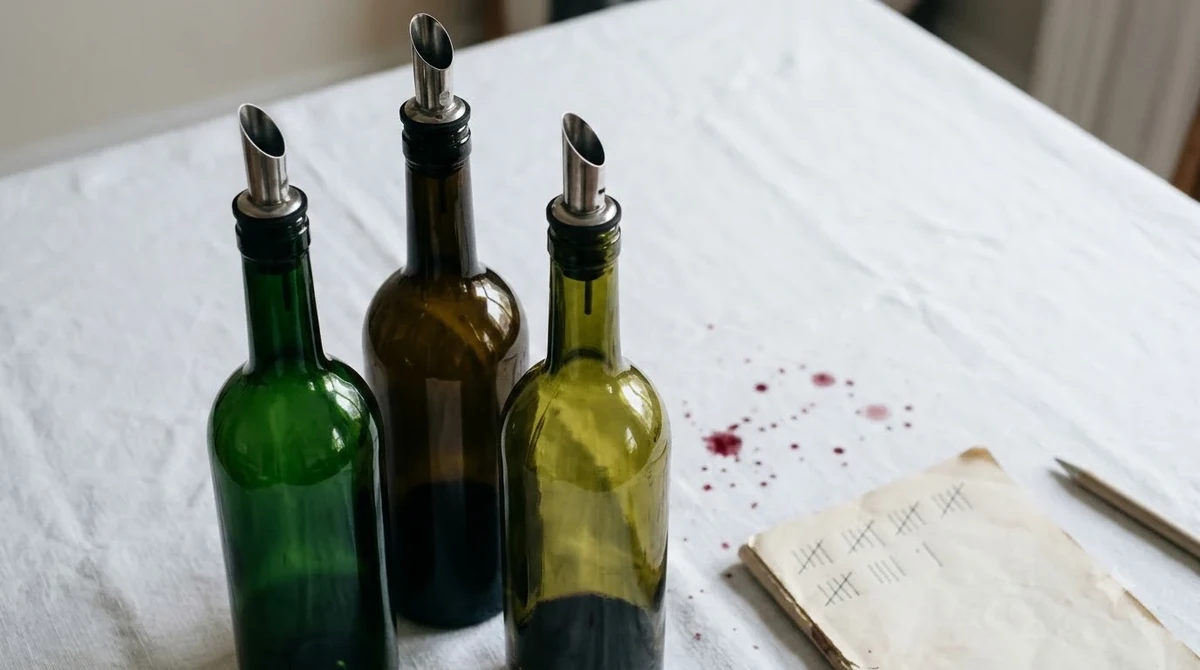
Why it stands out: Unlike handheld funnels that require two hands and a countertop stand between pours, an in-bottle spout stays mounted right on the bottle throughout dinner. As you tilt the bottle toward your wine glasses, internal baffles or air tubes agitate the stream and mix oxygen into each serving automatically. The tapered lip cuts off the flow cleanly at the end of a pour, helping prevent red wine stains on linens.
Keep in mind and best for: The shorter internal travel path generally provides slightly gentler aeration than a full-sized handheld chamber, and narrow air channels can clog if dried wine residue builds up inside. This style is ideal for casual weeknight dinners, outdoor gatherings, and anyone who wants fast aeration without extra accessories on the table.

- Material
- BPA-free plastic, made in USA
- Functions
- Aerate, pour, filter, re-cork
- Set Size
- 2 pieces
- Care
- Dishwasher safe
For dinner parties, this one piece aerates newly opened wine, pours without splashing or dripping, and filters cork, sediment, and tartrates on the way out. At the end of the night it doubles as an airtight, liquid-tight stopper, so bottles can be stored upright or on their side. It fits most standard-size bottles and is reusable and dishwasher safe.
Pros & ConsView
- Aerates and filters sediment while pouring
- Drip-free pour keeps tables clean
- Airtight stopper for upright or side storage
- Plastic construction, with no metal parts
- Fits most, but not all, bottles
Best for Entertaining and Full Bottles: Decanter-Top Aerators
Decanter-top aerators sit securely atop the opening of a carafe or decanter, aerating an entire 750-milliliter bottle in a single continuous pour while trapping sediment at the top.
Why it stands out: When serving several guests at once, aerating one glass at a time slows down hospitality. Tower or bowl-style decanter-top units disperse wine outward in a thin umbrella stream along the interior glass walls, maximizing surface-area contact before the wine even settles into the vessel. According to Wine Folly’s decanter selection advice, pairing a stainless-steel strainer with a decanter effectively catches bitter sediment while giving tight, full-bodied reds ample oxygen to open up.
Keep in mind and best for: You need a compatible wide-mouth decanter underneath, and cleanup involves washing both the top aerator assembly and the glass carafe afterward. Pick this option when hosting dinner parties or opening structured bottles that benefit from both instant aeration and lingering breathing time in a centerpiece vessel.

- Type
- Red wine aerator pourer
- Material
- Acrylic with silicone grip
- Capacity
- 750 ml
- Care
- Dishwasher safe
Built for pouring full bottles at a table of guests, this red wine aerator draws in air as wine speeds through its patented chamber, so each glass is ready in seconds rather than after a long decant. A filter screen holds back cork bits and sediment, the silicone body is easy to grip, and the included base lets it rest between pours.
Pros & ConsView
- Aerates in the time it takes to pour
- Filter screen catches cork and sediment
- Includes a base to hold it between pours
- Made specifically for red wines
- Extra piece to store and rinse after use
Best for Push-Button Convenience: Electric Wine Aerator Dispensers
Electric wine aerator dispensers mount onto the bottle opening with a dip tube reaching the bottom, using a quiet motorized pump to draw wine upward, infuse air, and dispense it straight into your glass at the press of a button.
Why it stands out: Electric models eliminate lifting and tilting heavy bottles, delivering consistent, splash-free pours with zero wrist strain. Several rechargeable designs include an on-off aeration switch or adjustable dial so you can oxygenate a bold Cabernet on one bottle and dispense a delicate Pinot Noir without extra air on the next.
Keep in mind and best for: Motorized dispensers require batteries or USB charging, and cleaning requires pumping warm water through the internal tubing after each use so leftover wine does not sour inside the mechanism. They suit frequent entertainers, hosts with limited hand strength, and gadget lovers who appreciate precise, hands-free tabletop service.

- Type
- Electric aerator and dispenser
- Power
- Built-in USB rechargeable battery
- Fit
- Standard wine and spirit bottles
- Cleaning
- Self-cleaning with water
Made for a regular weeknight bottle where you want a quick, drip-free pour without decanting. One press aerates and dispenses wine through food-grade tubes, and an airtight rubber seal helps keep an opened bottle fresh for days. It charges by USB, fits standard bottles, and cleans itself when you run clean water through the tube.
Pros & ConsView
- One-press aeration without decanting
- USB rechargeable and cordless
- Self-cleans with clean water
- Tube-and-spout unit sits on the bottle top
- Plastic body weighs 13.6 ounces
Best for Sulfite-Sensitive Drinkers: Purifying Filter Aerators
Purifying filter aerators combine standard oxygen infusion with a replaceable selective polymer filter designed to capture free sulfites and sediment as wine passes into your glass.
Why it stands out: Winemakers add sulfites as preservatives to prevent spoilage and oxidation, which can trigger sensitivities in certain drinkers or impart a sharp chemical edge upon opening. By routing wine through a food-grade filtration cartridge before aerating the stream, these dual-purpose tools soften harsh tannins while stripping out free sulfite compounds.
Keep in mind and best for: Ongoing filter replacements add recurring maintenance, and pouring through a dense filter media takes a few seconds longer than an open Venturi spout. Reach for a purifying aerator if you experience sensitivities to wine preservatives or want a single tool that filters, purifies, and aerates simultaneously.

- Stages
- 3-stage aeration
- Filter
- Removable stainless steel
- Material
- Acrylic, glass
- Extras
- Stand included
For drinkers who want a cleaner glass, this aerator sends wine through a removable stainless-steel sediment filter, mixes it with air through a dedicated channel, then lets it cascade into the glass. Cork fragments and particles stay behind, and the included stand catches drips between pours, which helps protect tablecloths during relaxed dinners and wine tastings at home.
Pros & ConsView
- Removable stainless-steel filter catches cork and sediment
- Three-stage aeration with a dedicated air channel
- Included stand helps reduce drips and stains
- Stand and aerator take more space than a spout
- Acrylic and glass parts need careful handling
How to Choose
Selecting the right style comes down to the wines you open most often and how much cleanup you want at the end of the night. Start by evaluating these four practical factors before browsing our full Aerators & Decanters collection:
- Wine style and age: Young, high-tannin reds such as Cabernet Sauvignon, Petite Sirah, Nebbiolo, and Malbec respond dramatically to aggressive aeration. Delicate aged reds, crisp whites, and sparkling wines lose subtle aromatics or carbonation if forced through a high-turbulence aerator.
- Cleaning and air-port access: Sticky wine residue trapped inside tiny intake holes quickly dulls performance and taints future pours. Look for wide chambers, dishwasher-safe acrylic or borosilicate glass construction, or models bundled with a narrow cleaning brush.
- Sediment filtration: If you regularly open unfiltered reds or older vintages, prioritize an aerator equipped with a fine stainless-steel mesh screen. Keep in mind that fine powdery sediment in mature bottles still settles best in a traditional decanter.
- Serving habits: Solo glass-by-glass drinkers get the most mileage from compact handheld or in-bottle pourers, whereas hosts pouring full bottles for guests benefit from decanter-top or electric models.
Tip: Only aerate the wine you plan to drink right away. Once a bottle is opened, excess oxygen accelerates staling—if you have leftovers, recork the bottle and check our guide on how long does red wine last after opening to keep remaining pours fresh.
Frequently Asked Questions
Do wine aerators actually work?
Yes, wine aerators work by rapidly expanding the liquid’s surface area and mixing oxygen into the stream as you pour. Five seconds of aeration triggers the same oxidation and evaporation of volatile sulfur compounds that normally takes 30 minutes or more in a decanter, softening harsh tannins and releasing muted fruit aromas.
Which wines should you never put through an aerator?
Never aerate sparkling wines like Champagne or Prosecco, as the turbulence strips away their carbonation and leaves them flat. You should also skip aerating fragile, mature red wines—such as old Burgundy or aged Barolo—because aggressive oxygen exposure can blow off delicate tertiary aromas and stir up fine sediment.
How do you clean a wine aerator properly?
Rinse your aerator immediately after use by running warm water through the top chamber and air intake holes for 30 to 60 seconds. Avoid harsh scented dish soaps that can linger in plastic or silicone seals, and use a small brush occasionally to clear any dried wine deposits from narrow air ports.
Is a wine aerator better than a decanter?
Neither tool replaces the other completely because they solve different problems. An aerator is faster and more convenient for softening young, tannic weeknight reds by the glass, while a decanter is essential for gently separating fine sediment from older bottles and presenting wine at a formal table.
Matching your aerator to your everyday pouring routine makes opening tight, youthful bottles effortless without adding extra prep time to dinner. Whether you prefer a quick-rinsing handheld funnel for weeknight Cabernets or a decanter-top tower for weekend entertaining, the right design brings out balanced fruit and smoother tannins from the very first sip.
More in Decanters & Aerators
 Best Whiskey and Wine Decanter: Choosing One Vessel for Both DrinksUpdated Nov 18, 2026
 Best Tower Decanter: How to Pick the Right Shape for Your WineUpdated Nov 18, 2026
 Best Cleaning Brush Decanter Options for Narrow Necks and Deep BowlsUpdated Nov 19, 2026
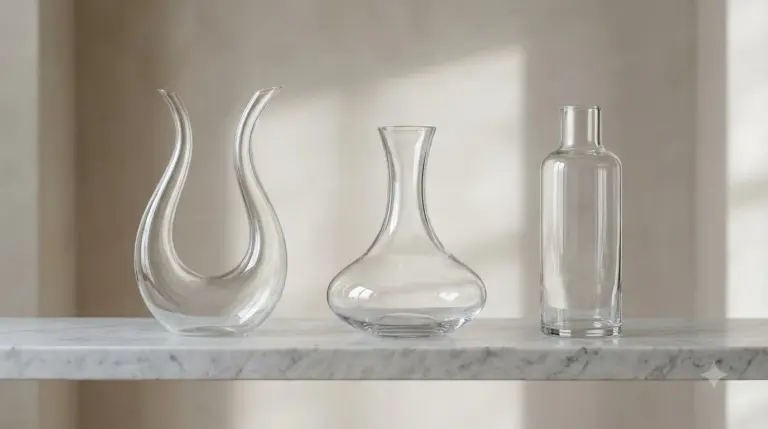
 Best U Shaped Decanter Picks for Aerating Bold Red WineUpdated Nov 18, 2026
 Best Electric Decanter Styles for Faster, Smoother Wine PoursUpdated Nov 18, 2026
 Best Hand Blown Decanter Styles for Every Bottle and TableUpdated Nov 18, 2026