

We may earn a commission when you buy through links on this page, at no extra cost to you. Learn more.
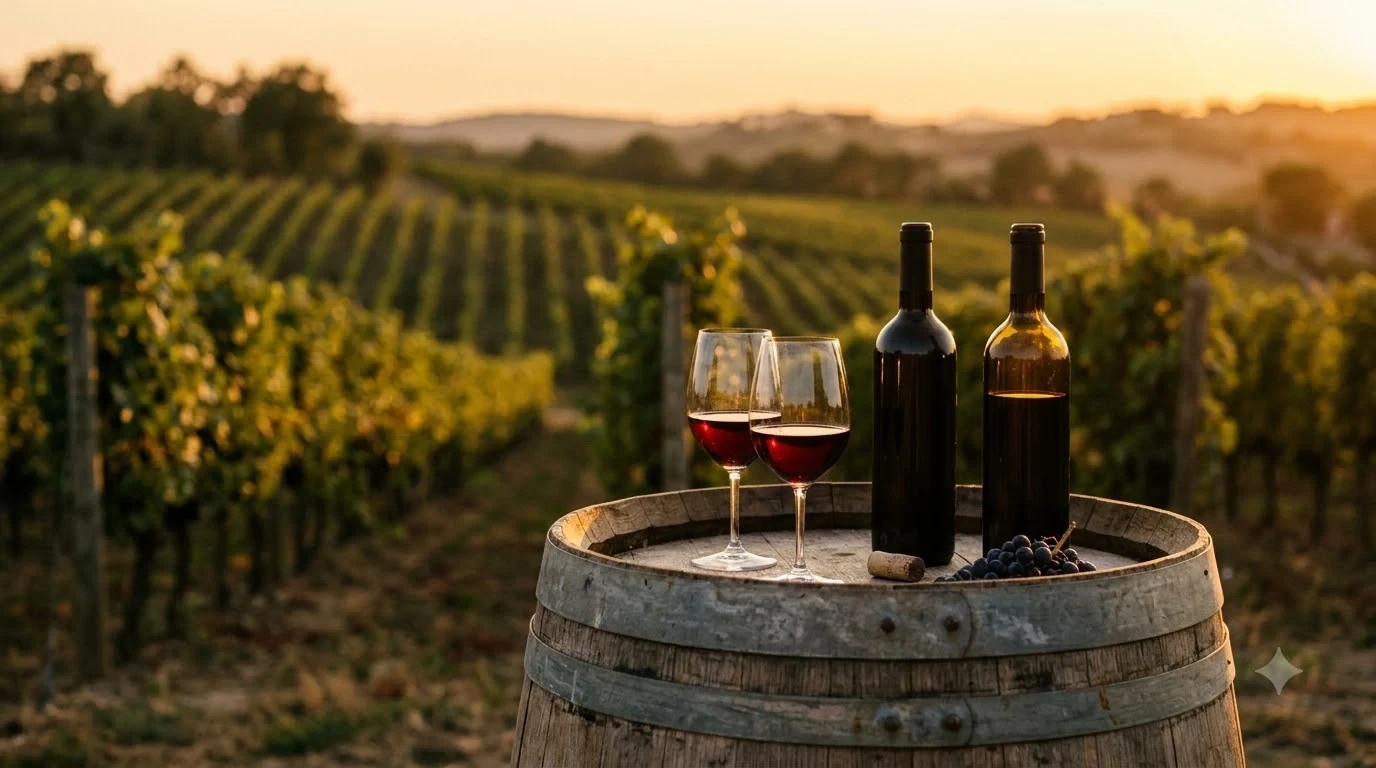
The premier croatia vineyards span four major wine-growing zones that stretch from the sun-drenched Adriatic coast and islands to the cool, continental hills of the northeast. Together, these regions cultivate more than 130 indigenous grape varieties alongside classic international cultivars, giving travelers and wine drinkers access to crisp coastal whites and bold, sun-ripened reds. Whether planted on steep limestone cliffs overlooking the sea or across fertile river plains, Croatian wine estates bridge over 2,500 years of viticultural history with modern winemaking precision.
Situated directly across the Adriatic Sea from Italy, Croatia enjoys an extraordinary range of microclimates shaped by coastal breezes, mountain ranges, and inland rivers. While international travelers often discover the country for its historic walled cities and island ferries, exploring local wine estates reveals an authentic European wine culture that remains largely uncrowded compared to neighboring wine destinations. Just as wine enthusiasts explore diverse Wine Regions across North America and Europe, learning how Croatia organizes its appellations makes selecting bottles and planning cellar visits effortless.
Overview of Croatian Viticulture
Croatian viticulture is defined by dramatic geographic contrast, dividing a relatively compact country into coastal Mediterranean zones and inland continental valleys. Winemakers categorize bottles under a clear European quality tier system that helps drinkers gauge regional origin and ripeness standards before opening a bottle.
Winemaking along the eastern Adriatic dates back to ancient Greek settlers and Roman colonists, leaving behind stone-terraced hillsides that still produce fruit today. In the modern era, genetic research brought global attention to these coastal slopes when Dr. Carol Meredith confirmed in 1994 that California Zinfandel and southern Italian Primitivo are genetically identical to Croatia’s ancient Tribidrag grape, also known locally as Crljenak Kaštelanski. That discovery sparked renewed investment in reviving rare native vines that nearly vanished during the twentieth century.
Understanding local label terminology also helps buyers read bottles with confidence. According to VinePair’s guide to Croatian wine, bottles fall into three primary quality classifications: Vrhunsko Vino represents top-tier premium quality wine from protected designations of origin, Kvalitetno Vino designates reliable quality wine, and Stolno Vino refers to everyday table wine. Checking for Vrhunsko Vino on the neck or front label is one of the fastest ways to spot serious, terroir-driven bottlings from respected estates.
Major Sub-Regions Across Croatia
Croatia divides its vineyard land into four primary wine regions: Dalmatia, Istria and Kvarner, Slavonia and the Croatian Danube, and the Croatian Uplands. Each zone possesses distinct soil compositions, elevation profiles, and signature grape specialties.
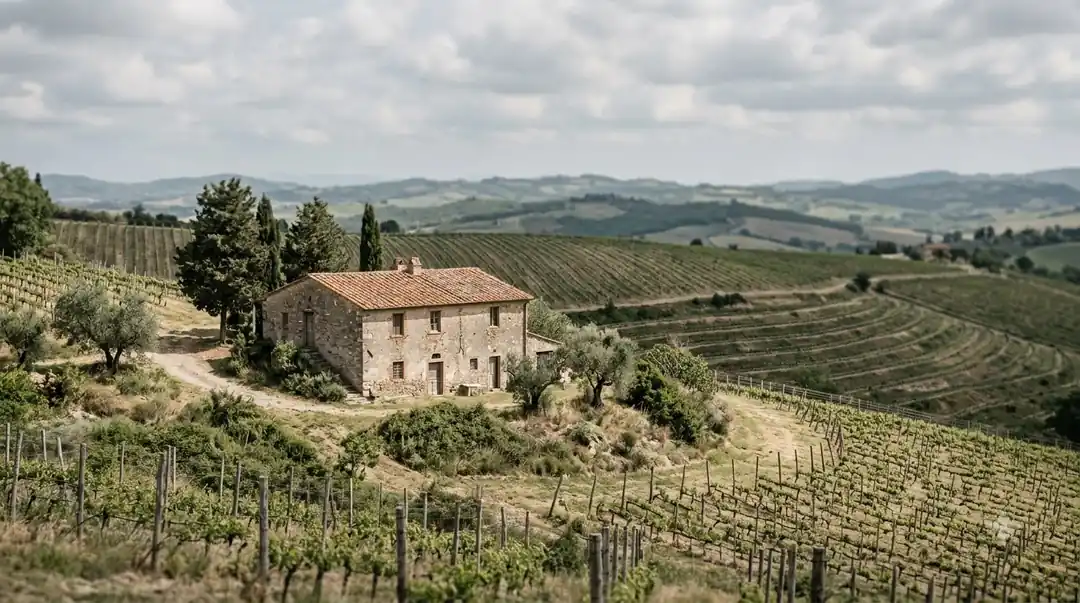
Dalmatia covers the central and southern Adriatic coast along with dozens of rugged islands such as Hvar, Korčula, and Vis, plus the steep Pelješac peninsula. Here, vines cling to dramatic karst limestone slopes that plunge straight toward the sea, soaking up intense sunlight reflected off both white rock and salt water. Pelješac is home to Dingač and Postup, the first two protected wine appellations in Croatia, prized for concentrated, age-worthy reds.
Further north along the coast, the heart-shaped Istrian peninsula and the nearby Kvarner gulf blend Mediterranean warmth with cooling alpine air. Istria is famous for its contrasting soil types—iron-rich red earth near the coast and white limestone marl in the hilly interior—which allow single grape varieties to express dramatically different mineral profiles within a few miles. Inland, Slavonia and the Danube plains offer a continental climate ideal for crisp aromatic whites and famous Slavonian oak forests used to craft traditional aging casks, while the cool, hilly Croatian Uplands around Zagreb excel at vibrant, high-acid white wines and sparkling bottlings.
| Wine Region | Climate & Terrain | Signature Grapes | Predominant Wine Styles |
|---|---|---|---|
| Dalmatia | Warm Mediterranean; steep coastal slopes and islands | Plavac Mali, Tribidrag, Pošip, Grk | Full-bodied reds, structured island whites |
| Istria & Kvarner | Coastal Mediterranean to cool hills; red iron and white marl soils | Malvazija Istarska, Teran, Žlahtina | Crisp floral whites, earthy medium-to-full reds |
| Slavonia & Danube | Continental; fertile plains and gentle river slopes | Graševina, Traminac, Frankovka | Dry aromatic whites, late-harvest dessert wines |
| Croatian Uplands | Cool continental; steep hills north and west of Zagreb | Moslavac (Furmint), Riesling, Sauvignon Blanc | High-acid crisp whites, traditional-method sparkling |
Key Native Grapes and Wine Styles
While international grapes like Merlot, Cabernet Sauvignon, and Chardonnay grow in several districts, Croatia’s true identity rests on indigenous varieties. Native whites range from crisp, floral aperitif styles to textured, barrel-aged bottles, while local reds emphasize dark berry fruit, savory herbs, and firm structure.
On the white wine side, Graševina (also known in Central Europe as Welschriesling) is the most widely planted grape in the country, producing dry, fresh bottlings with green apple, white peach, and chamomile notes in Slavonia. In Istria, Malvazija Istarska delivers dry, medium-bodied whites scented with fennel, quince, apricot, and white blossoms; young versions shine in stainless steel, whereas oak- or acacia-aged examples gain nutty complexity. Along the Dalmatian coast and islands, Pošip yields fuller-bodied whites with subtle almond and stone fruit character, while rare Grk—cultivated primarily on sandy plots in Lumbarda on Korčula—offers dry, peppery pear and melon flavors.
For red wine lovers, Plavac Mali reigns supreme across Dalmatia. As an offspring of Tribidrag, Plavac Mali produces deep, powerful wines packed with blackberry, black cherry, dried fig, and Mediterranean spice alongside firm tannins. In Istria, Teran serves as the signature red variety, drawing iron-rich minerality from the soil to create high-acid, structured reds layered with forest berries, violets, and savory smoky notes.
Tip: Don’t let unfamiliar Croatian diacritical marks intimidate you when reading wine lists—the letter š sounds like “sh” in show, č sounds like “ch” in match, and ž sounds like the “s” in measure, making Pošip (“POH-sheep”) and Žlahtina (“ZHLAHKH-tee-nah”) easy to order.
Notable Producers Shaping Modern Croatia
A dedicated generation of family estates and pioneering winemakers has elevated Croatian bottles onto international wine lists. From Napa Valley icons returning home to multi-generational Istrian families, these producers showcase what careful vineyard management can achieve.

In Dalmatia, Croatian-born winemaker Miljenko “Mike” Grgich—famous for crafting the winning Chardonnay at the 1976 Judgment of Paris—returned to the Pelješac peninsula in 1996 to establish Grgić Vina, focusing exclusively on top-tier Plavac Mali and Pošip. Other standout Dalmatian names highlighted by Wine Enthusiast include Korta Katarina, Saints Hills, and Zlatan Otok, each renowned for expressive coastal whites and structured hillside reds.
In Istria, family estates such as Kozlović, Benvenuti, Fakin, and Matošević lead the way with single-vineyard Malvazija Istarska and age-worthy Teran, while Kabola Winery has earned acclaim for fermenting white grapes in clay amphorae. Further east in Slavonia, historic estates like Kutjevo alongside Enjingi, Krauthaker, and Vina Belje set the benchmark for dry, mineral-driven Graševina.
Practical Tips for Visiting Croatian Vineyards
Touring wine country in Croatia feels intimate and personal, as many cellars remain family-operated rather than corporate showrooms. Planning ahead ensures smooth logistics, especially when combining mainland drives with island ferry schedules.
Because most boutique estates have small hospitality teams, booking tastings by email or phone at least two to three days in advance is essential—particularly during July and August when coastal tourism peaks. Many wineries pair tastings with local olive oil, aged sheep’s milk cheese from the island of Pag, and air-dried Dalmatian pršut, turning a simple flight into a memorable regional lunch. If you have enjoyed small-batch tasting rooms in American destinations like augusta vineyards in Missouri or orange vineyards in Virginia, you will appreciate the relaxed, unhurried hospitality common across Istrian hilltop towns like Motovun and Momjan.
Late spring (May through June) and early autumn (September through October) offer the best weather for vineyard visits, with warm sunny days, milder crowds, and active harvest energy in the cellars. Keep in mind that coastal roads on the Pelješac peninsula and islands like Korčula and Hvar are narrow and winding; hiring a local driver or booking an organized wine tour lets everyone taste safely while enjoying the cliffside scenery.
How to Buy Croatian Wine at Home
Finding authentic Croatian bottles outside Europe has become much easier as specialized importers bring small-production estates to North American wine shops. Knowing what to look for on the back label helps you track down fresh, well-stored bottles.
Start by browsing independent bottle shops with strong Central and Eastern European sections, or ask your local wine merchant for bottles imported by specialists focused on the Adriatic region. When shopping for crisp, unoaked whites such as Graševina, Žlahtina, or fresh-style Malvazija Istarska, look for the most recent one or two vintages so their bright citrus and floral aromatics remain vibrant. Conversely, oak-aged Pošip, macerated amphora whites, and reserve Plavac Mali from Dingač or Postup benefit from three to seven years of bottle age, softening their tannins and unlocking complex dried fruit and spice layers. Just as seekers of high-elevation bottles explore nevada vineyards for rare regional finds, tracking down single-vineyard Croatian releases rewards curious drinkers with distinctive flavors you cannot replicate anywhere else.
Frequently Asked Questions
What is the most famous wine region in Croatia?
Istria and Dalmatia are the two most internationally recognized wine regions in Croatia. Istria in the northwest is celebrated for crisp Malvazija Istarska whites and earthy Teran reds, while coastal Dalmatia in the south is famous for bold Plavac Mali reds and aromatic island whites like Pošip and Grk.
Is Zinfandel originally from Croatia?
Yes, DNA profiling conducted by grape geneticist Dr. Carol Meredith in 1994 proved that California Zinfandel and southern Italian Primitivo are genetically identical to the ancient Croatian grape Tribidrag, also known as Crljenak Kaštelanski. Tribidrag is also one of the parent varieties of Plavac Mali, Dalmatia’s flagship red wine grape.
What are the best white wines to try from Croatia?
Three standout native white varieties to seek out are Graševina, Malvazija Istarska, and Pošip. Graševina from Slavonia offers crisp green apple and chamomile notes, Istrian Malvazija delivers floral and stone-fruit freshness, and Dalmatian Pošip provides a richer, full-bodied texture with subtle almond character.
When is the best time of year to visit vineyards in Croatia?
May, June, September, and October are ideal months for touring Croatian wine country. Temperatures are comfortable for walking hillside vineyards, coastal ferries run regularly without peak mid-summer crowds, and autumn visitors can often experience grape harvest activity firsthand.
Exploring Croatia’s wine country rewards travelers and bottle collectors alike with centuries-old grape varieties, dramatic coastal scenery, and welcoming family cellars. Whether you start with a chilled glass of Istrian Malvazija at your local wine shop or plan a coastal road trip along the Pelješac peninsula, these historic vineyards offer some of Europe’s most distinctive pours.
More in Wine Regions
 Willcox Wine Trail: Discover Arizona’s High-Elevation Wine CountryUpdated Nov 20, 2026
 Yakima Valley Wine Region: Find the Best Styles to TryUpdated Nov 20, 2026
 Vosne Romanee Wine Tasting: Identify Aromas and Choose Better PairingsUpdated Nov 20, 2026
 Yakima Valley Wine Festival: Find the Best Seasonal Wine EventsUpdated Nov 20, 2026
 Wales Vineyards: Discover Cool-Climate Wines and Where to VisitUpdated Nov 20, 2026
 Yountville Wine Festival: Discover Napa Wines and Local FoodUpdated Nov 20, 2026