


We may earn a commission when you buy through links on this page, at no extra cost to you. Learn more.
Croatia wine is made mostly in three regions, and its most distinctive bottles come from native grapes such as Plavac Mali for reds and Graševina, Pošip, and Malvazija Istarska for whites. About two-thirds of the country’s wine is white, and most of the red comes from the coast. Croatia does not use a DO or AOC system like Spain, Italy, or France, so the grape name and producer matter more than a legal appellation.
This guide explains the main Croatian wine regions, the native grapes you are most likely to meet, and how these wines are styled and served. If you are new to Croatian wine, start with the grape list and then try a white and a red from different parts of the coast.
A Winemaking Story That Goes Back Thousands of Years
Winemaking in Croatia is traced to Ancient Greek settlers, who produced wine on the islands of Vis, Hvar, and Korčula roughly 2,500 years ago. Some sources suggest the Illyrians may have grown vines even earlier. Under Roman rule, production became more organized and wine was exported, and in the Middle Ages strict legal rules protected vineyards.
For a concise overview of the country’s wine history and styles, the Croatian wine article on Wikipedia summarizes the main periods and regions. Under Ottoman rule, church wine production helped keep local winemaking alive. Under Habsburg rule, production flourished through the nineteenth and early twentieth centuries. Phylloxera then destroyed most vineyards by the early 1900s, and many winegrowing families emigrated. Under Yugoslav communism, large cooperatives put quantity ahead of quality, and the Croatian War of Independence in the early 1990s destroyed many vineyards and wineries.
Since then, production has shifted back toward small, independent producers. The change shows in the bottles. Annual output fell from about 1.4 million hectolitres in 2009 to 2011 to 760,000 in 2016, a sign of how much the industry has reorganized around quality rather than volume.
The Main Wine Regions of Croatia
Croatia has three main wine regions: Eastern Continental, Western Continental, and Coastal, which includes the islands. Each region is divided into sub-regions and smaller areas known as vinogorje, or wine hills. More than 300 geographically defined wine-producing areas exist across the country.
Over half of the country’s production comes from three counties: Istria, Osijek-Baranja, and Vukovar-Srijem. The Eastern Continental region, which covers Slavonia and the Croatian Danube, focuses on white wine. The Western Continental region, the Croatian uplands, also leans toward white. The Coastal region runs from Istria to Dalmatia, and its climate varies sharply from north to south.
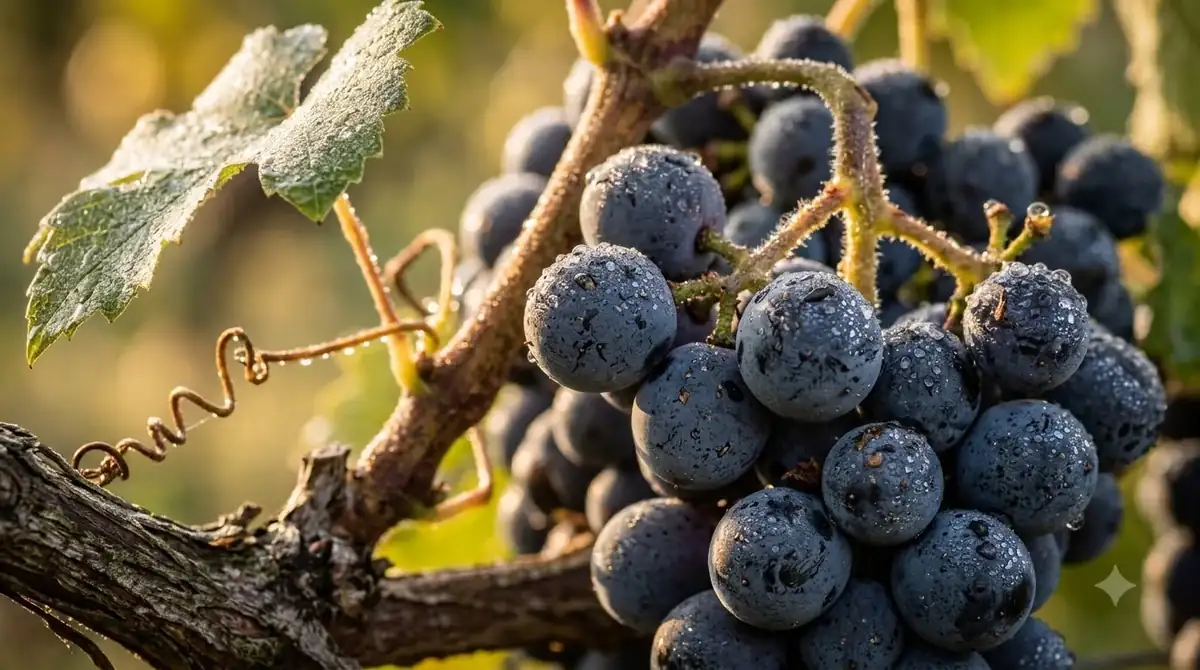
| Region | Climate and setting | Typical wines |
|---|---|---|
| Eastern Continental | Slavonia and the Croatian Danube | Mostly white wines, including fruity whites |
| Western Continental | The Croatian uplands | Mostly white wines |
| Coastal, Istria and Kvarner | Cooler climate near the northern Adriatic | Whites similar to Italian styles and bold dry reds |
| Coastal, Dalmatia and islands | Many microclimates suited to indigenous varieties | Highly individual reds and whites, plus dessert wines |
The northeast of the country produces fruity white wines that are similar in character to wines from neighboring Slovenia, Austria, and Hungary. Istria, on the other hand, makes whites that resemble Italian styles alongside bold, dry reds. Dalmatia and the islands are where the country’s most individual wines come from.
Native Grapes Behind Croatian Wine
Croatia’s native grapes are the best reason to explore its wine list. Plavac Mali is the foundation of many Dalmatian red wines. DNA testing has confirmed that it is a cross of Zinfandel, known locally as Crljenak Kaštelanski, and Dobričić. Other native reds include Babić, Teran from Istria, Plavina, and Drnekuša.
On the white side, Graševina is the most widely planted variety, although its origin is uncertain. Other native whites include Malvazija Istarska, Pošip from Korčula, Maraština, Grk from Lumbarda, Vugava from Vis, Bogdanuša from Hvar, and Žlahtina. Only a few pre-phylloxera vines survive, on Korčula and Susak, which makes those plantings especially valuable to researchers and growers.
| Grape | Color | Where it is associated |
|---|---|---|
| Plavac Mali | Red | Dalmatia, the foundation of many coastal reds |
| Babić | Red | Native red from the central Dalmatian coast |
| Teran | Red | Istria |
| Graševina | White | The most widely planted white variety |
| Malvazija Istarska | White | Istria |
| Pošip | White | Korčula |
| Grk | White | Lumbarda, on Korčula |
Wine Styles and Local Serving Habits
Most Croatian wine is white, roughly two-thirds of total production, and about a third is red. Rosé is rare. Sparkling wines and dessert wines are also made, and Prošek is a Dalmatian dessert wine produced from dried grapes. It is typically served in small pours after a meal.
Croatians often drink wine in ways that surprise visitors. Gemišt is a white wine mixed with carbonated water, while bevanda is a red wine mixed with still water. Both are casual, everyday drinks rather than fine-wine styles, and they show how wine fits into daily life across the country.
The quality tiers on Croatian labels are Vrhunsko, which means premium; Kvalitetno, meaning quality; and Stolno, meaning table wine. Because the country lacks a DO or AOC system, the tier and the producer name are the most useful clues when you shop.
How to Serve and Pair Croatian Wine
Whites from the coast and islands are usually best served fresh rather than cold, so they keep their aromatic character. Fuller reds such as Plavac Mali benefit from a short rest after opening so their structure has time to settle before you pour. Dessert wines like Prošek are served in small glasses because their sweetness is concentrated.
For food, match wine to the style of the dish. A coastal white with good acidity suits seafood and grilled fish, while a red from Dalmatia works well with roasted meats and rich stews. Istrian whites go well with Mediterranean vegetables and olive oil-based dishes, and a light red from the coast pairs nicely with cured meats.
Tip: Ask for the grape name on the menu. Croatian wine lists often group bottles by region, but the native grape tells you much more about what you are about to taste.
When you shop for Croatian wine outside the country, expect the label to lean on the producer name, the grape, and the quality tier rather than a long regional name. That makes the grape list in this guide especially useful. Look for a native variety you recognize, check whether the tier is Vrhunsko or Kvalitetno, and then read the producer’s notes or the shop’s description before you decide.
Frequently Asked Questions
What is the most famous Croatian red wine?
Plavac Mali is the best-known Croatian red. It is the foundation of many Dalmatian red wines, and DNA testing has confirmed that it is a cross of Zinfandel and Dobričić.
Is Croatian wine mostly red or white?
Mostly white. Roughly two-thirds of production is white, mainly from the interior, and about a third is red, mainly from the coast. Rosé is rare.
What does gemišt mean on a Croatian menu?
Gemišt is a white wine mixed with carbonated water. It is a casual, everyday drink that locals often order in warm weather.
Does Croatia use an appellation system?
No. Croatia does not have a DO or AOC system like Spain, Italy, or France. Labels use quality tiers instead, including Vrhunsko, Kvalitetno, and Stolno, so the producer and grape name are the key guides.
Croatian wine rewards a curious palate. Start with a Graševina or Pošip, then try a Plavac Mali from Dalmatia to compare styles. For a broader look at how different countries organize their vineyards, the wine regions guide offers a useful overview, and the Arizona wine guide gives a good contrast with a New World growing area.
More in Wine Regions
 Willcox Wine Trail: Discover Arizona’s High-Elevation Wine CountryUpdated Nov 20, 2026
 Yakima Valley Wine Region: Find the Best Styles to TryUpdated Nov 20, 2026
 Vosne Romanee Wine Tasting: Identify Aromas and Choose Better PairingsUpdated Nov 20, 2026
 Yakima Valley Wine Festival: Find the Best Seasonal Wine EventsUpdated Nov 20, 2026
 Wales Vineyards: Discover Cool-Climate Wines and Where to VisitUpdated Nov 20, 2026
 Yountville Wine Festival: Discover Napa Wines and Local FoodUpdated Nov 20, 2026