

We may earn a commission when you buy through links on this page, at no extra cost to you. Learn more.
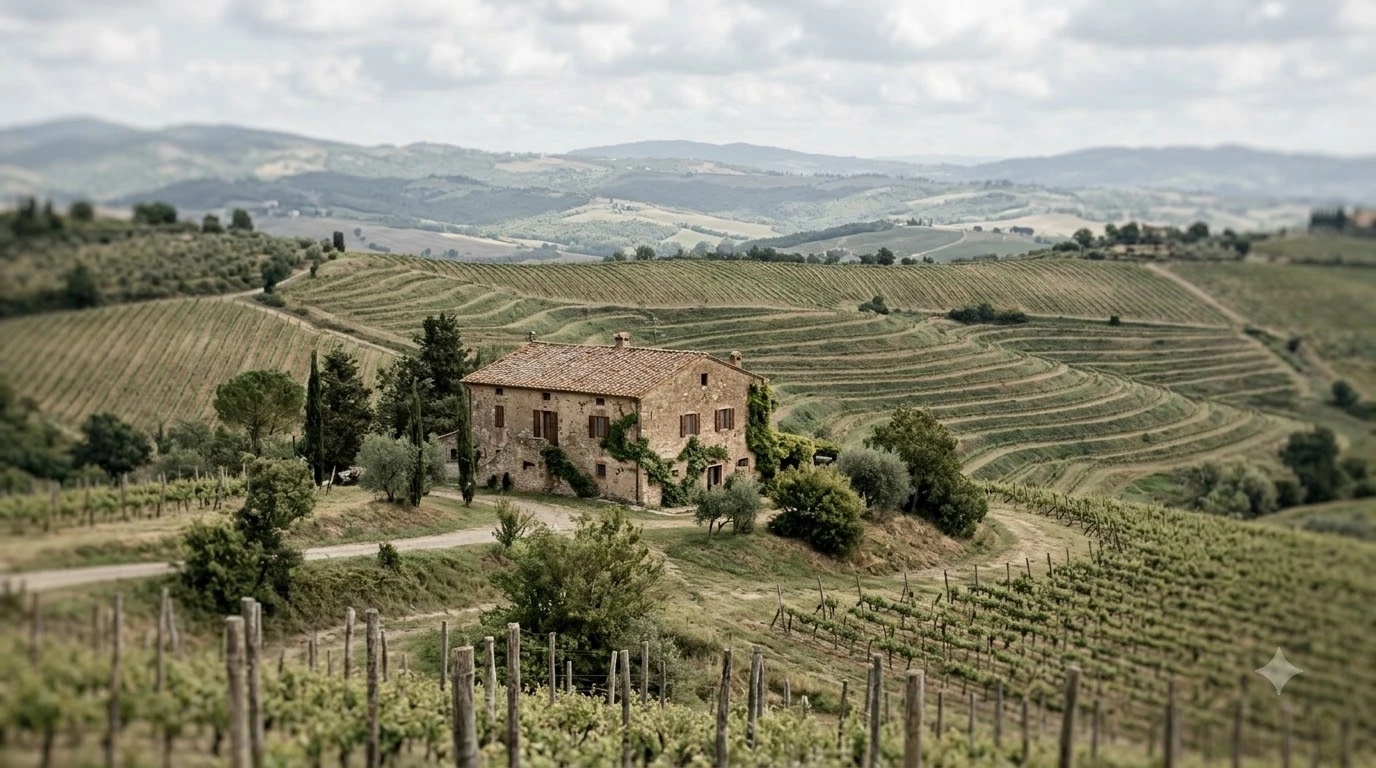
The dalmatia wine region is Croatia’s southern Adriatic wine-producing area, known for powerful Plavac Mali reds, distinctive Pošip whites, and indigenous grapes grown along rocky coastal slopes and islands. Stretching from the Zadar area to Konavle near Dubrovnik, Dalmatia combines Mediterranean sunshine, limestone terrain, and centuries of winemaking tradition. Its most recognizable wines come from the Pelješac Peninsula, Korčula, and Hvar, although northern Dalmatia and the inland Zagora also contribute important varieties and styles.
Dalmatian wine offers a different experience from the familiar international varieties found in many American wine shops. Plavac Mali provides a compelling introduction to Croatia’s red wines, while Pošip, Grk, Babić, and Bogdanuša reveal how much character can come from local grapes. Understanding the region’s geography, principal varieties, and traditional wine styles makes it easier to choose bottles and appreciate what distinguishes this part of Croatia.
Geography and Mediterranean Climate Shape Dalmatian Wine
Dalmatia follows Croatia’s eastern Adriatic coastline and includes a long chain of islands, coastal vineyards, and inland agricultural areas. Its three broad wine-growing areas are North Dalmatia, the Dalmatian Hinterland (Zagora), and Central and South Dalmatia. Each has different growing conditions, but indigenous grapes and Mediterranean influences connect them.
The Adriatic Sea has a major influence on the vineyards. Coastal locations experience warm, sunny growing seasons, while sea breezes can moderate temperatures and help maintain conditions suitable for grape cultivation. Many vineyards occupy rocky slopes where mechanized farming is difficult. Growers often work with terraces and steep parcels rather than the broad, easily cultivated vineyard sites found in some other European regions.
Soil conditions also contribute to differences between wines. Limestone, rocky karst formations, and areas of red and brown soil occur throughout Dalmatia. These varied sites affect drainage, vine growth, and the conditions under which grapes ripen. Exposed slopes can receive substantial sunlight, while cooler or more sheltered inland locations provide opportunities for different white grape varieties.
Pelješac is particularly important for red wine. Its south-facing slopes receive intense sunlight, and the sea surrounding the peninsula contributes reflected light and warmth. Dingač and Postup are two especially recognized vineyard locations. Both are closely associated with Plavac Mali and are known for demanding growing conditions.
Korčula has a different identity, with important plantings of Pošip and Grk. Hvar produces several distinctive wines, including Plavac Mali and the white varieties Bogdanuša and Vugava. Further north, the Primošten and Šibenik areas are associated with Babić and Debit.
The Dalmatian Hinterland provides another perspective. Around Imotski, Kujundžuša is an important local white grape, while other inland locations cultivate varieties such as Maraština and Plavina. This geographical variety means that Dalmatian wine should not be treated as a single uniform style.
For a broader comparison of European mountain and coastal growing conditions, the Savoie wine region provides another interesting example of how geography influences grape selection and wine character. Dalmatia, however, is particularly defined by its warm Adriatic setting and indigenous Mediterranean varieties.
Plavac Mali: The Signature Red Grape of Dalmatia
Plavac Mali is the most recognizable red grape of Dalmatian winemaking. It is especially important on the Pelješac Peninsula and the islands of Hvar and Brač, where sunny, difficult-to-farm slopes provide suitable conditions for its slow ripening.
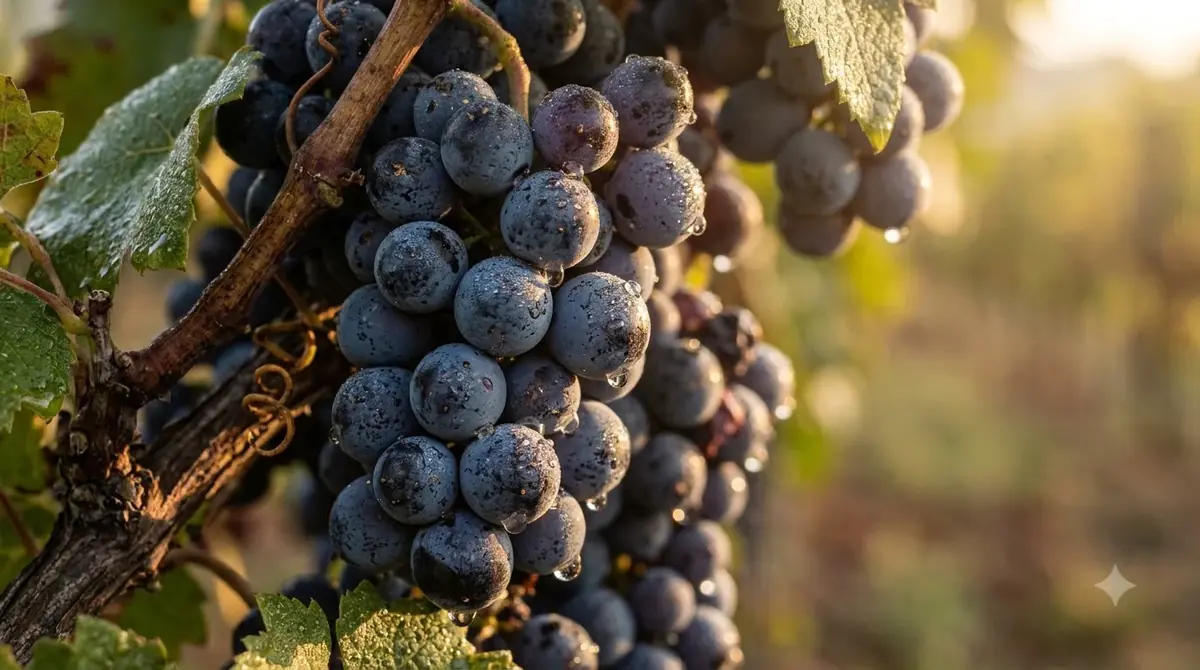
The name Plavac Mali refers to the grape’s small, dark-colored berries. Wines made from it are commonly full-bodied, with concentrated dark-fruit flavors, firm tannins, and substantial alcohol. Depending on the vineyard and winemaking approach, aromas can include ripe plum, blackberry, dried fig, dark cherry, and Mediterranean herbs. Some bottles also show earthy, savory, or spice-like characteristics.
Plavac Mali is genetically related to two other Croatian varieties, Tribidrag and Dobričić. Tribidrag is particularly important because it is genetically identical to the grape known internationally as Zinfandel and in Italy as Primitivo. This connection makes Dalmatia especially interesting to American wine drinkers familiar with California Zinfandel.
However, Plavac Mali should not simply be treated as another name for Zinfandel. It is a distinct grape with its own growing characteristics and wine profile. Its naturally concentrated fruit and tannic structure can produce wines that are more powerful and structured than many everyday Zinfandels.
Dingač and Postup
Dingač and Postup are two of the most famous vineyard locations on Pelješac. Their exposed southern slopes provide excellent sunlight, and the terrain requires considerable effort from vineyard workers. Wines from these locations are among the best-known expressions of Plavac Mali.
Dingač holds a particularly important place in Croatian wine history. The wine from this location received special recognition for quality in 1961, becoming an early landmark for geographically identified Croatian wine. Its name is now closely associated with concentrated, age-worthy Plavac Mali.
Postup is another important Pelješac wine-growing location. Its wines can share Dingač’s ripe fruit and substantial structure while expressing differences associated with individual vineyard conditions and producers.
What Plavac Mali Tastes Like
Expect ripe dark fruit, noticeable tannins, and a generous body in many traditional examples. Alcohol levels can be relatively high because the grape ripens in warm, sunny locations. Oak aging may contribute additional notes of vanilla, baking spice, and toasted wood, although not every producer uses the same approach.
For an American buyer, Plavac Mali is a good alternative to Cabernet Sauvignon or powerful Syrah when looking for a structured red. It can also appeal to people who enjoy the ripe fruit character of Zinfandel but want to explore a less familiar grape.
Not every bottle is equally concentrated. Lighter, fruit-forward examples are available, and these can be approachable without extensive cellaring. More structured Dingač and Postup wines are better candidates for aging, particularly when produced from carefully selected vineyard parcels.
Pošip, Grk, and Other Important Dalmatian White Grapes
Although Dalmatia is particularly associated with red wine, its indigenous white varieties are an essential part of the region’s identity. Pošip and Grk from Korčula are the most distinctive starting points, while Vugava, Bogdanuša, Debit, and Maraština offer additional styles.
Pošip is one of Croatia’s best-known indigenous white grapes. It originated on Korčula and is also cultivated on nearby islands, including Lastovo and Mljet. Its wines are usually dry, aromatic, and medium to full-bodied, with flavors that can include citrus, ripe orchard fruit, dried apricot, and fig.
Pošip can have a substantial alcohol level for a white wine. The Croatian tourism authority describes typical examples with alcohol levels around 12–13%. This combination of ripe fruit, noticeable body, and fresh acidity makes it a versatile partner for seafood and Mediterranean dishes.
The areas of Čara and Smokvica on Korčula are especially important. Their Pošip wines received Croatia’s first protected geographical recognition for a white wine in 1967. Pošip has since become an important variety beyond its original island home.
Grk from Korčula
Grk is another indigenous white grape closely associated with Korčula, particularly the Lumbarda area. It is a distinctive local variety that produces dry white wines with aromatic complexity, noticeable freshness, and a mineral character.
Grk is especially interesting because it is not as widely available internationally as Pošip. Its limited geographical association makes it a worthwhile discovery for drinkers interested in unusual European white grapes. Individual examples can show pepper, pear, melon, and herbal notes, with differences according to vineyard conditions and winemaking methods.
Vugava and Bogdanuša from Hvar
Hvar offers distinctive white wine identities, while Vis is particularly associated with Vugava. Vugava is known for producing aromatic, relatively full-bodied wines. Traditional examples can show ripe fruit and floral notes, and the variety has also been used for sweet wine production.
Bogdanuša is associated with Hvar and produces golden-colored wines that are generally softer in acidity. It can be a useful introduction for someone who prefers a less sharply acidic white wine. Its local identity also makes it an interesting alternative to international grapes such as Chardonnay.
Debit, Maraština, and Kujundžuša
Debit is an indigenous white variety associated with the Šibenik area and other parts of Dalmatia. It can produce refreshing dry whites that are well suited to everyday Mediterranean meals.
Maraština is a versatile grape used for dry white wines and other traditional styles, including some sweet and skin-contact wines. Kujundžuša, meanwhile, is particularly associated with the Imotski field in the hinterland, where it produces light, refreshing wines.
These grapes demonstrate why Dalmatian white wine deserves more attention. Instead of relying exclusively on familiar international varieties, the region offers several local alternatives with different levels of body, acidity, and aromatic intensity. The Croatian National Tourist Board’s overview of the Dalmatian wine region provides additional information about these indigenous varieties and their growing locations.
Babić and the Red Wines of Northern and Central Dalmatia
Babić is an important indigenous red grape associated particularly with Primošten and the wider Šibenik area. It produces dark, concentrated wines with firm tannins and notable acidity, providing a different expression of Dalmatian red wine from the powerful Plavac Mali of Pelješac.
The vineyards around Primošten include locations such as Bucavac, where vines grow in a striking rocky landscape. The demanding terrain and traditional vineyard patterns are part of the area’s agricultural identity. Babić is also cultivated in the Kaštela wine hills, the Šibenik hinterland, and parts of Brač.
Babić wines can show dark cherry, blackberry, plum, and savory herbal notes. Their acidity provides freshness, while tannins contribute structure. Some examples have substantial alcohol and concentration, making them suitable for richer dishes and, depending on their construction, extended bottle aging.
There are two commonly recognized forms, Babić veliki and Babić mali. Their differences in grape cluster and berry characteristics can influence the resulting wines. Babić mali is generally associated with more concentrated wines, including higher sugar and alcohol levels in the finished product.
Plavina is another local red grape found in Dalmatia. It can provide a softer, more approachable alternative to the region’s more structured reds. Its presence helps broaden the range of wines available from local producers.
Tribidrag also deserves attention. Its relationship with Zinfandel makes it especially interesting to American drinkers. While it is not interchangeable with Plavac Mali, its presence demonstrates the historical importance of Dalmatia in the wider story of grape varieties grown around the Mediterranean and beyond.
For readers comparing Croatian wines with Alpine European styles, the Switzerland wine region offers a useful contrast. Swiss wines often emphasize grapes suited to cooler growing conditions, whereas Dalmatian reds frequently reflect warm sunshine, ripe fruit, and Mediterranean terrain.
Prošek, Traditional Winemaking, and Dalmatian Wine History
Wine production in Dalmatia has a history extending back thousands of years. Greek settlements helped establish viticulture on the Adriatic islands, while earlier archaeological evidence from Hvar points to grape cultivation before Greek colonization.
Hvar is particularly important in this history. Stari Grad Plain is a UNESCO World Heritage Site, recognized for its historic agricultural landscape and preserved patterns of land division. The island’s long-standing connection with grape growing remains visible in its vineyards and local wine traditions.
Pelješac, Korčula, and Vis also have centuries of viticultural history. Across these locations, traditional knowledge has been passed between generations, with individual communities developing strong relationships with their native varieties.
Modern Dalmatian winemaking combines these traditions with contemporary cellar practices. Smaller producers have invested in improved vineyard management, temperature control, and more precise fermentation techniques. These developments help preserve local grape character while producing wines that can compete in international markets.
Understanding Prošek
Prošek is a traditional Dalmatian dessert wine made from grapes that are dried before fermentation. Drying concentrates the grapes’ sugars and flavors, allowing producers to make sweet, richly flavored wines.
Depending on the grapes and production method, Prošek can show dried apricot, raisin, fig, honey, and caramel-like notes. Its sweetness and concentrated fruit make it particularly suitable for dessert service.
Prošek should not be confused with Prosecco. Despite the similarity in their names, they are entirely different wines. Prosecco is an Italian sparkling wine primarily made from Glera, generally produced using the tank method. Prošek is a traditional Croatian sweet wine made from dried grapes.
The traditional role of Prošek extends beyond ordinary dining. In some Dalmatian families, grapes from a particular harvest were dried and made into wine that was saved for important family celebrations. This tradition illustrates the cultural significance of wine in local life.
Another interesting southern Dalmatian variety is Dubrovnik Malvasia. It can produce both dry and sweet wines, including styles made from lightly dried grapes. Its distinctive identity reflects the diversity of grape growing around Dubrovnik and Konavle.
Food Pairings, Serving Temperatures, and Choosing Dalmatian Wine
Dalmatian wines work particularly well with Mediterranean cooking because many of the region’s traditional dishes use seafood, grilled meats, olive oil, herbs, and vegetables. Matching the weight and acidity of the wine to the dish helps bring out the best characteristics of both.
Pošip is a natural partner for grilled white fish, shellfish, and seafood pasta. Its combination of body and acidity can stand up to olive oil, garlic, and lemon without overwhelming delicate fish. Grk is another strong choice for seafood, particularly simply prepared fish and shellfish.
For lighter preparations, Debit and Kujundžuša can be refreshing alternatives. Their approachable white-wine styles work well with salads, grilled vegetables, and lighter seafood dishes.
Plavac Mali is better suited to richer meals. Try it with grilled lamb, beef, roasted pork, or slow-cooked Dalmatian pašticada. The salt and fat in these foods soften the perception of tannin, helping the wine feel more balanced.
Babić also works with grilled meats, aged cheeses, and savory dishes containing herbs and olive oil. Its combination of acidity and tannin can complement foods with substantial flavor.
Practical Serving Temperatures
Serving temperature makes a noticeable difference, particularly with powerful Mediterranean reds and aromatic whites. A wine served too warm can seem alcoholic, while a white served too cold may conceal its aromas.
| Wine style | Suggested temperature | Serving suggestion |
|---|---|---|
| Pošip | 45–50°F | Serve with grilled fish and seafood |
| Grk | 45–50°F | Serve with shellfish and fresh salads |
| Debit | 45–50°F | Serve with lighter Mediterranean dishes |
| Light Plavac Mali | 55–60°F | Serve with roasted poultry and charcuterie |
| Full-bodied Plavac Mali | 60–65°F | Serve with lamb and grilled beef |
| Babić | 60–65°F | Serve with grilled meats and aged cheese |
| Prošek | 43–50°F | Serve with desserts and blue cheese |
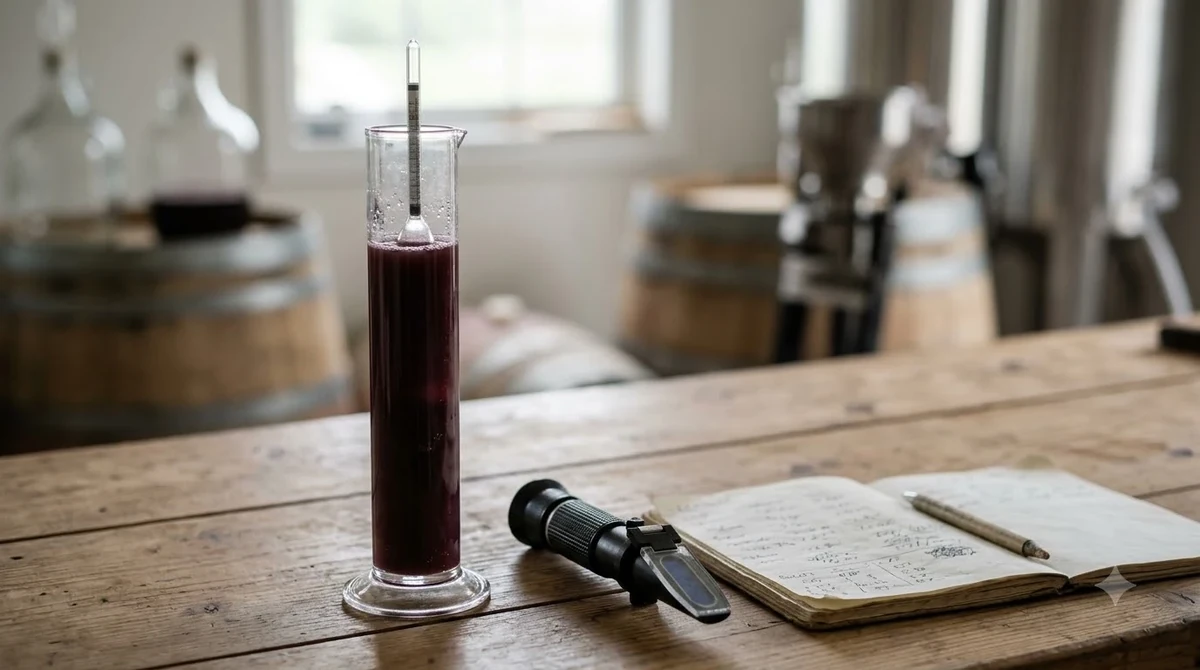
These temperatures are useful starting points rather than rigid rules. A full-bodied Plavac Mali can benefit from a short period in a cool room before serving, while an aromatic Pošip should be allowed to warm slightly if it has been stored very cold.
Food Pairing Recommendations
Try Pošip with grilled sea bass, shrimp, or Dalmatian-style grilled fish with olive oil and lemon. Its acidity complements citrus-based preparations, while its fuller body handles the richness of olive oil.
For Plavac Mali, consider lamb chops, beef stew, or roasted pork. These dishes have enough flavor and texture to complement the wine’s tannins and concentrated fruit. A younger, structured red may benefit from 30–60 minutes of decanting before serving.
Babić is particularly suitable for grilled meat and aged cheese. The wine’s acidity helps balance rich food, while its tannins work well with salty and fatty ingredients.
Prošek is best enjoyed with desserts that are no sweeter than the wine itself. Fig cake, dried fruit, nut-based pastries, and some creamy desserts can make good companions. A dessert that is sweeter than the wine can make the wine taste thin or overly acidic.
Tip: If you are buying Dalmatian wine for the first time, start with Pošip from Korčula and Plavac Mali from Pelješac. These two grapes provide a useful introduction to the region’s white and red wine identities. For a less familiar bottle, look for Grk, Babić, or Bogdanuša.
How to Store and Explore Dalmatian Wines
Store unopened bottles in a cool, dark location near 55°F, ideally with cork-finished bottles lying on their sides. Avoid repeated temperature changes and direct sunlight, especially for aromatic white wines.
After opening, keep still wines refrigerated and aim to finish them within three to five days. A wine stopper can help reduce exposure to oxygen. More delicate aromatic whites may lose some of their freshness sooner, while structured reds can sometimes remain enjoyable for several days.
When exploring Dalmatian bottles, pay attention to the grape and place of origin rather than relying only on the broad regional name. A Pošip from Korčula, a Grk from Lumbarda, and a Plavac Mali from Dingač represent quite different experiences. This is part of what makes the region rewarding for wine enthusiasts.
Readers interested in comparing other island wine-growing environments can also explore the Tasmania wine region. Tasmania’s cooler maritime climate provides a particularly interesting contrast with Dalmatia’s sun-drenched Adriatic vineyards. For additional regional discoveries, browse our broader collection of wine regions.
Frequently Asked Questions
Is Dalmatia the oldest wine-producing area in Croatia?
Dalmatia contains some of Croatia’s earliest documented wine-growing traditions, but it is difficult to establish one definitive oldest production area. Archaeological findings on Hvar include grape and olive remains dating to the 9th or 8th century BC, providing evidence of agricultural activity before Greek colonization. Other Adriatic settlements also developed viticulture during antiquity.
Are Plavac Mali and Zinfandel the same grape?
No. Plavac Mali is a distinct Croatian grape that has a genetic relationship with Zinfandel through its parentage. Tribidrag, also known as Crljenak Kaštelanski, is the Croatian variety genetically identical to Zinfandel. This distinction is important when comparing Croatian wines with California examples.
What is the difference between Dingač and Postup?
Both are famous Plavac Mali wine-growing locations on the Pelješac Peninsula, but they are distinct vineyard areas with their own geographical identities. Their wines can differ in ripeness, structure, and aromatic expression according to site and producer. Dingač is particularly notable for its historic quality recognition in 1961.
Which Dalmatian wine is best for someone who dislikes heavy reds?
Pošip is an excellent starting point if you prefer white wine, while Debit and Kujundžuša provide additional lighter options. Among reds, look for a fruit-forward Plavac Mali rather than a particularly concentrated Dingač bottling. These choices offer an introduction to Dalmatian grapes without beginning with the region’s most powerful styles.
Can Dalmatian wine be aged for several years?
Yes. Well-made Plavac Mali from recognized Pelješac locations and structured Babić can develop additional complexity with bottle aging. Some Pošip wines also have aging potential because of their acidity and concentration. The ideal cellaring period depends on the individual wine, vintage, and producer’s winemaking approach.
The Dalmatia wine region offers far more than powerful Mediterranean reds. From Plavac Mali on Pelješac to Pošip and Grk on Korčula, its indigenous varieties reflect a remarkable combination of geography, history, and local winemaking knowledge. Exploring these grapes is one of the most rewarding ways to discover Croatia’s distinctive wine culture.
More in Wine Regions
 Willcox Wine Trail: Discover Arizona’s High-Elevation Wine CountryUpdated Nov 20, 2026
 Yakima Valley Wine Region: Find the Best Styles to TryUpdated Nov 20, 2026
 Vosne Romanee Wine Tasting: Identify Aromas and Choose Better PairingsUpdated Nov 20, 2026
 Yakima Valley Wine Festival: Find the Best Seasonal Wine EventsUpdated Nov 20, 2026
 Wales Vineyards: Discover Cool-Climate Wines and Where to VisitUpdated Nov 20, 2026
 Yountville Wine Festival: Discover Napa Wines and Local FoodUpdated Nov 20, 2026