

We may earn a commission when you buy through links on this page, at no extra cost to you. Learn more.
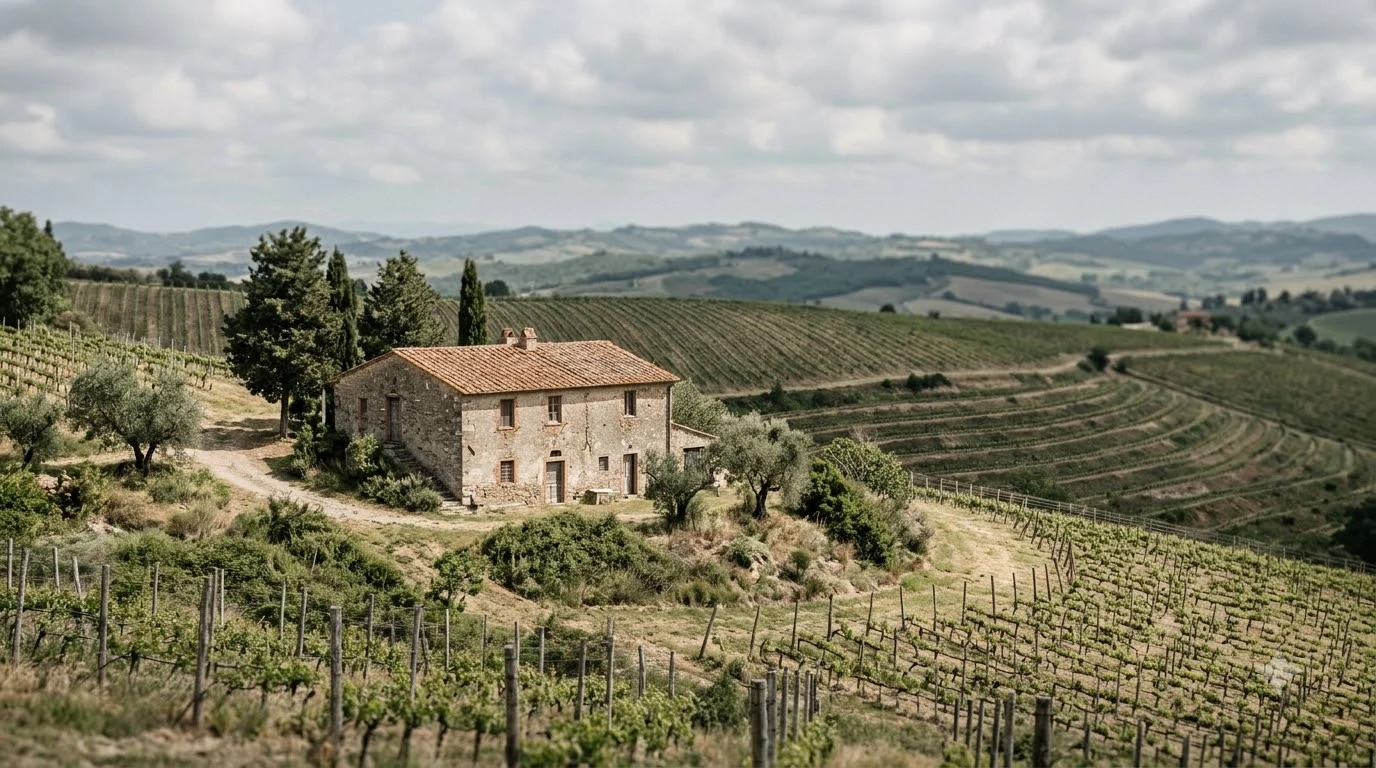
croatia wine country is best understood through four distinct wine regions, each with its own grapes, landscapes, and styles. Istria and Kvarner are known for Malvasia and Teran, while Slavonia and the Croatian Danube are closely associated with Graševina. The Croatian Uplands specialize in fresh whites and sparkling wines, and Dalmatia is home to powerful Plavac Mali reds and distinctive island whites. Knowing the regional names makes Croatian wine labels easier to read and helps you choose bottles that suit a meal or a trip.
From the Adriatic coast to the inland hills and eastern river plains, Croatia offers far more variety than its compact size might suggest. This overview explains each region’s signature grapes, styles, and food matches.
Four wine regions across a varied landscape
Croatia has four main wine regions: Istria and Kvarner, Slavonia and the Croatian Danube (often called Podunavlje), the Croatian Uplands, and Dalmatia. The contrast between an Adriatic coastline, inland hills, and continental plains is the key to understanding why the country’s wines range from crisp sparkling whites to concentrated reds.
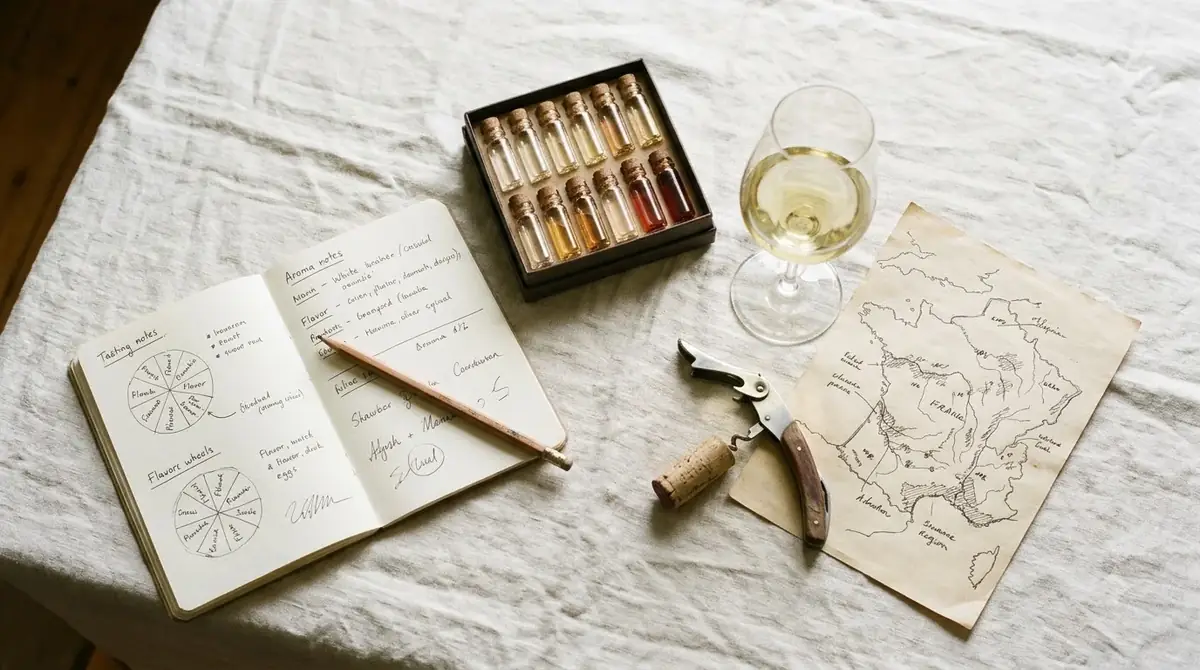
Decanter describes a mainland coastline of about 1,800 kilometers and an archipelago of roughly 1,200 islands. Yet the best-known wine areas are not all coastal. The Uplands include hills near Zagreb, while Slavonia and Podunavlje extend east toward the Danube. Differences in temperature, exposure, and soils make a single description of “Croatian wine” unhelpful.
Coastal vineyards generally experience Mediterranean conditions, although northern Istria and Kvarner also receive cooler continental influences. The interior has cold winters and warm summers, while higher sites can retain freshness as grapes ripen. Decanter characterizes the Uplands by crisp whites, lighter reds, and sparkling wines; Slavonia by Graševina, Chardonnay, and Traminer; and Dalmatia by red grapes from steep slopes and islands.
No single grape represents every region. Graševina is the most widely planted variety nationally, but Istrian Malvasia, Teran, Plavac Mali, Pošip, and Žlahtina offer more specific regional clues. For a broader overview of how grape, climate, and place fit together, browse our Wine Regions directory. The Croatia wine region overview is also useful when you want to compare the country’s regional names and label terms side by side.
Istria and Kvarner: Malvasia, Teran, and island whites
Istria and Kvarner form Croatia’s northern coastal wine region, combining the Istrian Peninsula with the wider Rijeka area and islands such as Krk, Cres, Rab, Lošinj, and Pag. Istrian Malvasia is the signature white, Teran is the best-known local red, and Žlahtina gives the island of Krk a distinctive white-wine identity.

Istrian Malvasia, also written Malvazija Istarska, is usually the first bottle to seek out. The grape is especially associated with western Istria, where producers make dry whites with fresh fruit, floral notes, and a savory or mineral edge. A bright, early-drinking bottling tends to emphasize citrus, stone fruit, and freshness, while a more substantial wine may spend time on lees or in larger wooden vessels. Fresh, youthful Malvasia is often the easiest introduction to the region.
Central Istria is a useful place to look for Teran, known in Italian as Terrano. The cooler inland influence in this part of the peninsula suits the grape, which typically produces a darker, more structured red with lively acidity and firm, savory fruit. Teran works well with Istrian food that has earthy or salty elements, including mushroom dishes, grilled sausages, and aged sheep’s cheese. It can also be a good match for tomato-based dishes because its freshness can stand up to the acidity of the sauce.
Kvarner offers a different expression of the coast. Žlahtina is most closely linked with Krk, particularly the village of Vrbnik, where it is made into light, refreshing white wine. The wider region also grows Chardonnay, Pinot Gris, Pinot Blanc, Merlot, and Cabernet Sauvignon, alongside local varieties such as Sansigot and Trojišćina. A visit can combine Istrian hill villages and cellar doors with coastal stops and island wines farther east.
Slavonia and Podunavlje: Graševina at the center
Slavonia and Podunavlje make up Croatia’s eastern continental wine region, stretching from Virovitica and Daruvar in the west toward Baranja and the Danube in the east. It produces the country’s largest volume of wine, and Graševina is its central grape, appearing in styles that range from crisp and light to rounded and age-worthy.
Graševina is the Croatian name for Welschriesling, a white grape that has become closely identified with Slavonia. It is not the same grape as Rhine Riesling, although both are grown in Croatia. Graševina’s appeal lies partly in its flexibility: producers can make clean, fresh wines for everyday meals, fuller versions with more texture, and richer wines from grapes harvested later. The best examples balance orchard-fruit flavors with enough acidity for the table.
The region’s recognized wine locations include Venje and Mitrovac in the Kutjevo area, as well as Erdut, Belje, Srijem, Daruvar, Baranja, and Ilok. The broad regional name alone does not tell the whole story: a bottle from Kutjevo may differ in ripeness and freshness from one grown near the Danube. Slavonia also grows Chardonnay, Pinot Gris, Pinot Blanc, Rhine Riesling, Traminer, and Sauvignon Blanc.
Red wine has a place here as well. Blaufränkisch, known locally as Frankovka, has a long regional presence, and producers also work with Portugieser, Kadarka, Pinot Noir, Cabernet Sauvignon, Merlot, and Zweigelt. Smaller producers have broadened the region’s reputation beyond high-volume white wine. Kutjevo and Ilok are useful itinerary anchors, while Belje and Erdut show how vineyards follow the eastern plains and river corridors. For an American comparison, our feature on Yadkin Valley wine country offers a useful example of how local conditions shape regional styles.
Croatian Uplands: cool-climate whites and sparkling wines
The Croatian Uplands cover central and northwestern Croatia, including Međimurje, Zagorje, Prigorje, Plešivica, and Moslavina. The region is dominated by white grapes and small, family-run wineries, with Plešivica particularly associated with sparkling wine production.
Cooler conditions help preserve acidity and aromatic detail, so the Uplands are a strong choice for drinkers who favor crisp whites, lighter-bodied reds, and sparkling wines. International varieties include Sauvignon Blanc, Chardonnay, Pinot Gris, Pinot Blanc, Sylvaner, Welschriesling, and Yellow Muscat. Pinot Noir and Blaufränkisch are among the red varieties that also do well in suitable sites.
Local grapes add another layer of character. Škrlet is associated with Moslavina, Pušipel with Međimurje, and Kraljevina with the Prigorje area. Kraljevina is also used for sparkling wines, and Plešivica’s hills are among the country’s most interesting places to explore this category. Unlike Slavonia and Podunavlje, the Uplands have few large-scale cellars; many producers are small family operations.
For a visit, Plešivica is a natural starting point because it is close enough to Zagreb for a day trip and has a strong sparkling-wine identity. Zagorje and Međimurje offer a different route through northern hill country, while Moslavina is the place to look for Škrlet. For a comparison of hill landscapes and winery visits, see our guide to hill country vineyards. In the glass, expect freshness and balance rather than the weight and warmth associated with many south-facing coastal reds.
Dalmatia: Plavac Mali, Pošip, and steep Adriatic vineyards
Dalmatia stretches from the Zadar area in the north to Konavle in the far south, and its vineyards include difficult, steep slopes on the mainland and islands. Plavac Mali is the leading red variety, while Pošip is one of the region’s best-known whites; Korčula, Pelješac, Hvar, Brač, and the Šibenik area each contribute distinct local expressions.
Plavac Mali is most closely associated with the sun-exposed slopes of central and southern Dalmatia. On the Pelješac Peninsula, place names such as Dingač and Postup are closely tied to concentrated Plavac Mali wines. The grape can produce full-bodied reds with ripe dark fruit, firm tannin, and substantial alcohol, especially from warm, exposed sites. Less demanding inland or coastal sites can yield lighter, fruitier versions. This difference is useful to remember when choosing a bottle: the grape name points to the variety, while a place name can hint at the vineyard conditions and expected weight.
Dalmatia is not only a red-wine destination. Pošip and Grk are important indigenous white grapes associated with Korčula, while Babić and Debit are grown around Šibenik and Primošten, as well as in other nearby areas. Pošip generally makes a fuller white with ripe fruit and enough structure for grilled fish, shellfish, and richer seafood dishes. Grk is a distinctive island white, while Debit can offer a fresher, lighter alternative. The Croatian National Tourist Board’s Dalmatian wine-region profile is a helpful reference for the area’s geography and native grapes.
Other local names worth recognizing include Kujundžuša, Plavina, Maraština, Bogdanuša, and Dubrovnik Malvasia. The last of these can be used for dry wines and for sweet wines made from lightly dried berries. Vineyards are sometimes planted on terraces held by dry-stone walls, and the demanding terrain is part of the region’s visual identity. For a broader view beyond the islands, Decanter’s Croatia wine-region overview places Dalmatia in context alongside the country’s three other regions.
How to choose, pair, and serve Croatian wines
Start with the grape and region, then think about body, acidity, and the food on the table. A crisp Graševina or Malvasia can be a versatile opening choice, while Teran and Plavac Mali offer more structure for richer meals; the right serving temperature helps each style show its best balance.
For a first tasting, compare coastal and inland whites: Istrian Malvasia beside Slavonian Graševina, then Dalmatian Pošip beside fresh Žlahtina from Krk. For reds, Teran’s acidity and savory profile contrast with the broader, warmer, more tannic style often found in Plavac Mali. Food pairing is easiest when the wine’s structure matches the dish: Malvasia, Graševina, Žlahtina, and Pošip pair naturally with grilled fish, shellfish, roast chicken, vegetables, and mild cheeses; Teran suits mushrooms, cured meats, tomato-based dishes, and hard cheeses; Plavac Mali is better with grilled lamb, beef, and slow-cooked meat than delicate seafood. Salt and fat can soften tannin, so a rich meat dish often makes a structured red feel more balanced. Oily fish can make tannic reds taste metallic or harsh, so choose an acidic white instead. Alcohol and tannin can intensify chili heat. For dessert, choose a wine at least as sweet as the food.
Use these temperature ranges as practical starting points. Cooler service preserves freshness in light wines, while slightly warmer service lets fuller whites and reds show more aroma. Avoid serving wine so cold that its flavors disappear or so warm that alcohol dominates.
| Wine style | Suggested serving temperature | Useful Croatian examples |
|---|---|---|
| Sparkling | 40–50°F | Plešivica sparkling wines |
| Light whites and rosé | 45–50°F | Žlahtina, fresh Malvasia, lighter Graševina |
| Fuller whites | 50–55°F | Richer Pošip or barrel-aged Malvasia |
| Light reds | 55–60°F | Lighter Teran or Pinot Noir |
| Full-bodied reds | 60–65°F | Structured Plavac Mali |
| Sweet whites | 43–50°F | Sweet Croatian dessert wines |
Tip: For a tasting flight, pour about 5 ounces per glass and serve the wines from lightest to fullest: sparkling first, then light whites, fuller whites, lighter reds, and finally structured reds or dessert wines. Keep opened bottles chilled between pours.
A universal white-wine glass suits most fresh whites, while a larger bowl helps fuller Pošip, Malvasia, Teran, or Plavac Mali open up. Young, full-bodied reds may benefit from 30 to 60 minutes in a decanter; handle older bottles gently because extended aeration can fade delicate aromas. Store bottles away from sunlight and temperature swings, ideally near 55°F, and keep cork-finished bottles on their sides. After opening, refrigerate still wine and use a stopper, even for red wine, to preserve freshness.
Frequently Asked Questions
Is Croatia connected to Zinfandel?
Yes. The Croatian grape Tribidrag, also known as Crljenak Kaštelanski, shares its DNA profile with Zinfandel and Italy’s Primitivo. Plavac Mali is a separate grape, although UC Davis Foundation Plant Services lists a Zinfandel-related variety among its parent lines.
Is Prošek the same wine as Prosecco?
No. Prošek is a Dalmatian dessert wine made from ripe grapes that are dried before pressing, while Prosecco is an Italian sparkling wine made primarily from Glera. The similar names can be confusing, but the grapes, production methods, and finished styles are different.
What does the IQ mark mean on Istrian Malvasia?
On fresh Istrian Malvasia, IQ is a quality mark used to identify a certified style intended for drinking within about three years of harvest. It is different from a general regional name and is a useful clue when choosing a fresh, fruit-forward bottle rather than an aged or barrel-influenced version.
Can Graševina be made as a sweet wine?
Yes. In addition to dry table wines, Graševina can be used for sweet predicate wines made from selected dried berries and for ice wine. These concentrated styles are a reminder that the grape is not limited to one weight or sweetness level.
How many glasses are in a standard 750-milliliter bottle?
A 750-milliliter bottle holds about five standard 5-ounce pours. Smaller tasting pours allow a visitor to compare more regional wines without finishing a full serving of each one.
Croatia rewards a regional approach: choose Graševina for an introduction to the eastern interior, Malvasia or Teran for Istria, and Pošip or Plavac Mali for Dalmatia. Once the region and grape names become familiar, the country’s wine map turns into a practical guide to what is likely to be in the glass.
More in Wine Regions
 Willcox Wine Trail: Discover Arizona’s High-Elevation Wine CountryUpdated Nov 20, 2026
 Yakima Valley Wine Region: Find the Best Styles to TryUpdated Nov 20, 2026
 Vosne Romanee Wine Tasting: Identify Aromas and Choose Better PairingsUpdated Nov 20, 2026
 Yakima Valley Wine Festival: Find the Best Seasonal Wine EventsUpdated Nov 20, 2026
 Wales Vineyards: Discover Cool-Climate Wines and Where to VisitUpdated Nov 20, 2026
 Yountville Wine Festival: Discover Napa Wines and Local FoodUpdated Nov 20, 2026