

We may earn a commission when you buy through links on this page, at no extra cost to you. Learn more.
A concord cocktail is a grape-forward mixed drink made with sweet, deeply flavored Concord grape juice, fresh grapes, puree, or syrup combined with spirits, citrus, or sparkling wine. Its characteristic flavor is rich, fruity, and reminiscent of grape jam, with a distinctive musky aroma and vivid purple color. Tequila, gin, vodka, and sparkling wine all make excellent partners when balanced with enough lemon or lime juice. You can prepare one as a refreshing Margarita-style drink, a bubbly brunch cocktail, or a simple highball.
Concord grapes have a familiar place in American food culture, appearing in grape juice, jelly, desserts, and sweet wines. Their concentrated flavor also makes them particularly useful behind the bar. Unlike delicate table grapes, Concords bring an unmistakable aroma and substantial sweetness that can stand up to assertive spirits. The key to a successful drink is preserving that recognizable grape character without allowing sugar to overwhelm the other ingredients. Here is how to choose your ingredients, prepare a balanced drink, and adapt the basic recipe for different occasions.
What Makes a Concord Cocktail Different?
A Concord cocktail stands out because of its distinctive American grape flavor, dark purple color, and combination of fruit sweetness with refreshing acidity. Its foundation is Concord grape juice, fresh fruit, puree, or syrup, rather than a neutral grape flavoring or ordinary white grape juice.
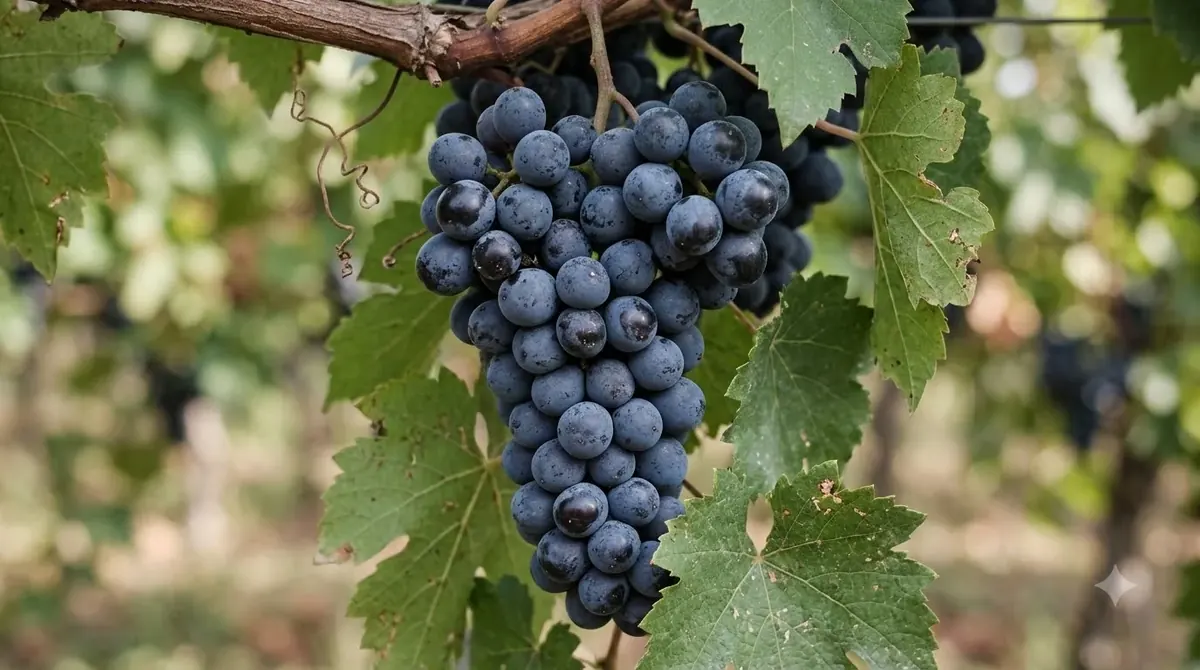
Concord belongs to the American grape species Vitis labrusca. The variety was selected from wild vines in the nineteenth century near Concord, Massachusetts. Its berries have dark purple skins and a recognizable aroma that many Americans associate with traditional grape juice and jelly. The skins separate relatively easily from the pulp, a characteristic commonly described as slip-skin.
The grape’s history helps explain its unusual place in cocktails. Ephraim Wales Bull developed the variety in 1849, and its popularity subsequently spread beyond New England. Concord became particularly important for juice and preserves, although it is also used to make sweet red wine. Its recognizable flavor gives bartenders an ingredient that can create a strong fruit identity without requiring several different fruit components.
In a glass, expect ripe grape, jam-like sweetness, and a distinctive musky quality. Depending on the preparation, the drink can feel bright and tart, smooth and sweet, or rich and almost dessert-like. Lemon, lime, vinegar-based shrub, and dry sparkling wine can provide the contrast needed to keep the drink refreshing.
Concord cocktails also differ from drinks made with ordinary red table grapes. Table-grape juice generally has a milder flavor, while Concord delivers a more concentrated grape character. This difference matters because a relatively small quantity of Concord juice can contribute substantial aroma and color.
The drink does not have one universally fixed recipe. A Concord Margarita, a sparkling Concord mimosa, and a gin-based grape highball can all fall under the same general cocktail category. What connects them is the recognizable flavor of the Concord grape.
Best Ingredients for a Balanced Concord Cocktail
The best Concord cocktail ingredients combine concentrated grape flavor with a spirit that can complement its sweetness. Fresh citrus supplies acidity, while herbs, bitters, and sparkling water add complexity without requiring excessive sugar.
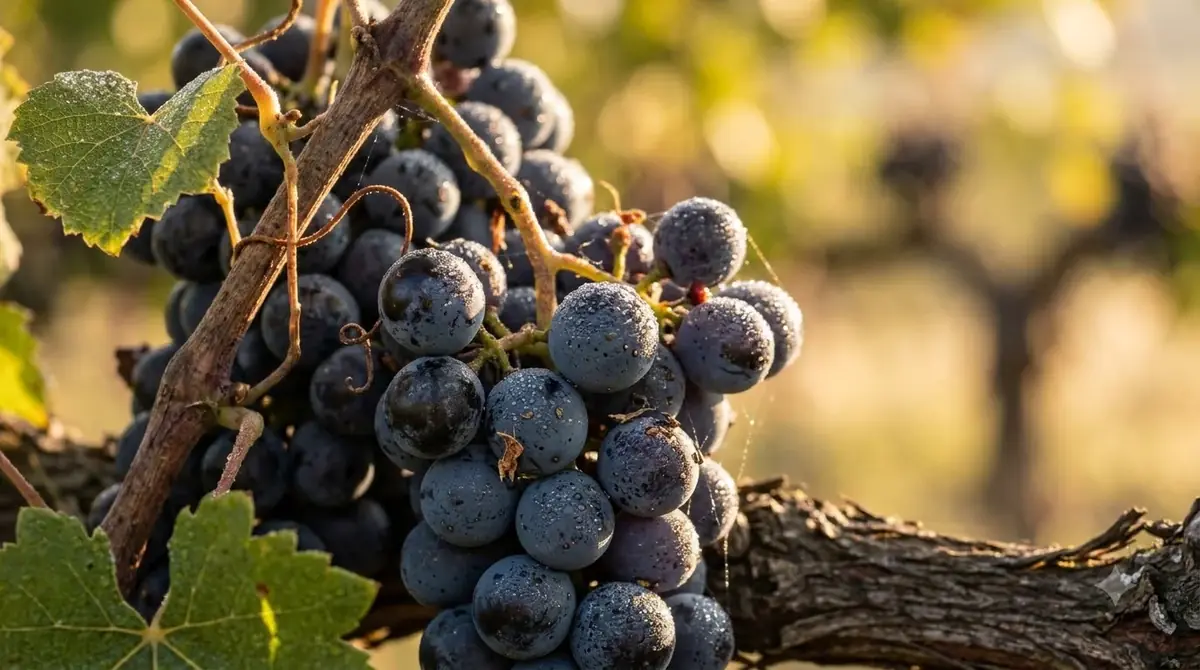
Concord grape juice: This is the easiest starting point. Choose 100% Concord grape juice when available, rather than a generic grape beverage containing several fruit juices and added sweeteners. Pure juice provides a more recognizable flavor and makes it easier to control the final drink’s sweetness.
Fresh Concord grapes: Fresh fruit is useful for muddling, garnishing, and making homemade puree. Remove stems and rinse the grapes thoroughly. Muddling releases juice and aroma, while blending and straining creates a smoother ingredient for cocktails. Because Concord grapes contain seeds, strain blended mixtures through a fine-mesh sieve or cheesecloth.
Concord grape jelly: Jelly provides concentrated fruit flavor and sweetness in a small quantity. It is particularly useful in shaken drinks, where citrus and alcohol help distribute it. A teaspoon can add a recognizable grape-jelly character without requiring a large amount of syrup.
Tequila: Blanco tequila is a particularly effective choice. Its agave character and relatively clean profile provide contrast against sweet, musky grape. It is the foundation of the Concord Grape Margarita documented by Liquor.com, which also uses lemon juice and grape jelly.
Gin: Gin brings botanical flavors that work well with grape, especially when the drink includes lime, basil, or rosemary. A London dry gin gives a more pronounced juniper character, while a softer contemporary gin allows the fruit to remain prominent.
Vodka: Vodka is useful when the objective is to emphasize Concord rather than the spirit. It works particularly well in sparkling drinks, grape lemonades, and pitcher cocktails.
Sparkling wine: Brut sparkling wine adds bubbles and dryness that contrast with sweet grape juice. Prosecco, Cava, and Champagne can all work, although their production methods and flavor profiles differ. A dry style generally provides better balance than a noticeably sweet sparkling wine.
Fresh citrus: Lemon juice and lime juice are important balancing ingredients. Lemon creates a familiar sour-cocktail profile, while lime adds a sharper citrus impression. Freshly squeezed juice is preferable to bottled alternatives for a brighter flavor.
Additional ingredients can introduce complexity. Rosemary and basil provide herbal aromas, ginger adds gentle warmth, and orange bitters bring a subtle bitter-citrus note. A small amount of honey or simple syrup may be appropriate for a particularly tart batch of grapes, but sweet ingredients should be added gradually.
How to Make a Classic Concord Cocktail
A simple Concord cocktail can be made by shaking grape juice, tequila, fresh citrus, and a little grape jelly with ice. The resulting drink combines juicy grape flavor with a tart finish and works well in a salt-rimmed rocks glass.
The following recipe is a practical homemade variation inspired by the flavor balance of a Concord Margarita. It serves one person and uses readily available ingredients.
Classic Concord Margarita-style cocktail
Tip: Start with unsweetened 100% Concord grape juice and freshly squeezed citrus. The juice and jelly already contribute considerable sweetness, so additional syrup is usually unnecessary.
Ingredients:
- 1½ ounces blanco tequila
- 1 ounce Concord grape juice
- ¾ ounce freshly squeezed lemon juice
- 1 teaspoon Concord grape jelly
- Smoked salt for the glass rim
- Ice cubes
- Fresh Concord grapes or a lemon wheel for garnish
Preparation:
- Run a lemon wedge around the outside edge of a rocks glass and dip the moistened rim into smoked salt.
- Add the tequila, Concord grape juice, lemon juice, and grape jelly to a cocktail shaker.
- Fill the shaker with ice and shake vigorously until the ingredients are thoroughly chilled and the jelly has dissolved into the mixture.
- Fill the prepared rocks glass with fresh ice.
- Strain the cocktail into the glass.
- Garnish with fresh Concord grapes or a lemon wheel and serve immediately.
The resulting drink should taste distinctly of Concord grapes without becoming syrupy. The tequila provides structure, the lemon supplies acidity, and the smoked salt adds a savory contrast. If the grape flavor seems too intense, add a small splash of sparkling water rather than immediately adding more citrus or sugar.
There is a useful distinction between this homemade variation and the published Liquor.com recipe. Its Concord Grape Margarita uses Cimarron blanco tequila, R.W. Knudsen organic Concord grape juice, freshly squeezed lemon juice, and Smucker’s Concord grape jelly. The published preparation also specifies a smoked-salt rim and shaking the ingredients with ice. See the Concord Grape Margarita recipe for its original ingredient proportions and instructions.
Popular Concord Cocktail Variations
Concord grape flavor works in several cocktail styles, from sparkling brunch drinks to herbaceous gin highballs. Changing the base spirit, citrus, and carbonation creates noticeably different drinks without losing the characteristic grape aroma.
Concord grape mimosa
A Concord mimosa is a straightforward option for brunch or celebrations. Combine 2 ounces Concord grape juice with 1 ounce vodka in a flute or wine glass, then top with 3 to 4 ounces chilled dry sparkling wine. Stir gently and garnish with a lime wheel and rosemary sprig.
This combination follows the general proportions of a published Concord grape mimosa recipe. The sparkling wine provides bubbles, while vodka gives the drink additional spirit character without competing heavily with the fruit. Brut sparkling wine is a practical choice because its dryness helps balance the grape juice.
Concord gin and lime highball
For a more refreshing drink, combine 1½ ounces gin, 1 ounce Concord grape juice, ¾ ounce lime juice, and ¼ ounce simple syrup in a shaker. Shake with ice, strain into an ice-filled highball glass, and top with approximately 3 ounces club soda.
Garnish with basil or rosemary. Gin’s botanical character works especially well with these herbs, while lime keeps the grape flavor from becoming too sweet. Reduce the syrup if the juice is already sweet enough.
Concord vodka lemonade
This variation is suitable for casual gatherings and warm afternoons. Mix 1½ ounces vodka, 1½ ounces Concord grape juice, ¾ ounce lemon juice, and ½ ounce simple syrup in a shaker with ice. Strain into a tall glass and top with 2 to 3 ounces chilled water or soda water.
For a larger group, prepare the grape juice, lemon juice, and syrup mixture in a pitcher before guests arrive. Keep the vodka separate until serving if some guests prefer a nonalcoholic version. Add carbonation directly to individual glasses to preserve the bubbles.
Concord grape and whiskey cocktail
Whiskey offers a warmer flavor profile that suits the concentrated fruit character of Concord. Combine 1½ ounces bourbon, 1 ounce Concord grape juice, ½ ounce lemon juice, and ¼ ounce maple syrup in a shaker with ice. Shake, strain over fresh ice, and garnish with an orange peel.
Bourbon’s vanilla, caramel, and oak impressions complement grape jam flavors. Maple syrup can make the drink quite sweet, so a small quantity is sufficient. A dash of aromatic bitters can introduce additional spice and make the finish more complex.
Concord grape sparkling spritz
For a lower-intensity sparkling option, add 1½ ounces Concord grape juice and ½ ounce lemon juice to an ice-filled wine glass. Top with 4 ounces sparkling wine and finish with a splash of soda water if desired.
This preparation is particularly useful when serving several people because each glass can be assembled individually. A lemon twist or rosemary sprig makes a simple garnish, and dry sparkling wine keeps the grape’s natural sweetness from dominating.
Choosing the Right Sweetness, Acidity, and Serving Temperature
A well-balanced Concord cocktail should have enough acidity to offset its sweet fruit flavor. Chilling the ingredients and choosing an appropriate sparkling wine or mixer also help the drink feel refreshing rather than heavy.
Concord grape juice and jelly can vary in sweetness. A drink made with unsweetened juice may need a little syrup, while one made with sweetened juice and jelly may need additional lemon or lime instead. Adjusting the recipe gradually is more reliable than adding large quantities of sweetener or citrus immediately.
Use this guide as a starting point for one-glass preparations:
| Ingredient | Starting quantity | Purpose |
|---|---|---|
| Concord grape juice | 1 ounce | Fruit flavor and color |
| Blanco tequila or vodka | 1½ ounces | Alcohol base |
| Fresh lemon or lime juice | ¾ ounce | Acidity and freshness |
| Concord grape jelly | 1 teaspoon | Concentrated grape flavor |
| Simple syrup | ¼ ounce | Optional sweetness adjustment |
| Club soda | 2–3 ounces | Lightness and carbonation |
| Dry sparkling wine | 3–4 ounces | Bubbles and a crisp finish |
These quantities are starting points rather than a formula for combining every ingredient in one drink. Choose one spirit, one grape component, and one balancing ingredient before deciding whether bubbles or additional sweetener are needed.
Understanding the role of acidity
Concord’s natural sweetness makes fresh citrus particularly valuable. Lemon juice produces a familiar sour profile, while lime gives the cocktail a sharper edge. If the finished drink tastes like grape candy, a small additional amount of citrus can improve its balance.
Acidity also matters when pairing cocktails with food. Highly acidic dishes are easier to accompany when the drink has comparable or greater acidity. A grape cocktail with insufficient citrus may seem particularly sweet beside vinegar-based salads, pickles, or citrus-heavy seafood dishes.
Serving temperature and glassware
Serve Concord cocktails cold, ideally immediately after shaking or assembling. A rocks glass is suitable for Margarita-style preparations, a highball glass works for soda-based drinks, and a flute or small wine glass presents sparkling variations neatly.
Concord wine itself is commonly served chilled. Missouri Wines recommends approximately 45°F for its Concord wine category. That temperature is a useful reference when serving a wine-based Concord drink, although a cocktail containing ice and fresh citrus is best assembled immediately before drinking.
For sparkling versions, chill the sparkling wine before opening and add it last. This reduces excessive foaming and helps retain carbonation. Avoid shaking sparkling wine in a cocktail shaker because pressure from the bubbles can cause the liquid to escape when the shaker is opened.
Food Pairings and Entertaining Ideas
Concord cocktails pair particularly well with savory, salty, and mildly rich foods that balance their pronounced grape sweetness. Cheddar, barbecue beef, pork, and aged cheeses are useful starting points, while citrus and herbs make the drinks more versatile with appetizers.
Missouri Wines lists cheddar, aged cheeses, pork chops, barbecue beef, orange chicken, and spicy seafood among its Concord wine pairing suggestions. These foods also offer useful inspiration for cocktail menus, although the strength of the spirit and sweetness of the mixer should influence the final pairing.
Cheese and savory appetizers
Sharp cheddar and aged cheeses provide saltiness that contrasts with the sweet grape character. A Concord Margarita with smoked salt can work especially well with a cheese board featuring mature cheddar, crackers, toasted nuts, and sliced pears.
Goat cheese offers another possibility, particularly with sparkling Concord cocktails. Its tangy flavor provides contrast, while the bubbles refresh the palate between bites. A small serving of fruit preserves can connect the cheese selection with the grape component of the drink.
Barbecue and grilled food
Barbecue beef, grilled pork chops, and smoked chicken are natural choices for Concord-based drinks. The fruit’s jam-like character works with the savory and slightly sweet flavors of barbecue sauces. A whiskey-based Concord cocktail is particularly suitable for a richer grilled-meat menu.
For a summer gathering, serve Concord vodka lemonade alongside pulled pork sandwiches, grilled vegetables, and aged cheddar. Keep the drink relatively tart so it does not compete with sweet barbecue sauce.
Spicy dishes
Orange chicken and moderately spicy seafood can work with grape cocktails, particularly when the drink contains enough citrus. However, alcohol can intensify the perception of chili heat. Drinks made with higher-proof spirits may therefore be less comfortable alongside particularly hot dishes.
A lighter vodka and Concord spritz or a sparkling grape cocktail can be a more suitable option for moderately spicy food. The sweetness provides contrast, while citrus keeps the pairing from becoming overly rich.
Desserts and sweet snacks
Concord cocktails can also accompany grape pie, figs, poached pears, candied nuts, and peanut-butter-based desserts. For these pairings, the sweetness of the drink should match or exceed the sweetness of the dessert if the goal is to avoid making the cocktail taste harsh or sour.
A Concord grape and bourbon cocktail can complement peanut butter cookies, while a sparkling grape drink works nicely with fruit pastries. For a dessert course featuring chocolate, choose a richer preparation rather than a very tart, light spritz.
For a complete wine-inspired gathering, you can also explore a Riesling cocktail for a brighter alternative or a tawny port cocktail when a richer, fortified-wine flavor is more appropriate.
Fresh Grapes, Homemade Syrup, and Make-Ahead Preparation
Fresh Concord grapes and homemade syrup give cocktails a more pronounced fruit character, while bottled juice offers convenience and consistent proportions. Choosing the right preparation depends on the season, available ingredients, and how many drinks need to be served.
Preparing fresh Concord grapes
Fresh Concord grapes can be muddled directly in a cocktail shaker. Add a small handful of washed grapes and press gently with a muddler to release the juice. Avoid crushing them excessively, especially if the seeds and skins are being left in the mixture for an extended period.
For a smoother result, blend the grapes briefly and strain the puree through a fine-mesh sieve. This removes seeds and larger pieces of skin. The resulting puree can be measured into cocktail recipes in the same way as bottled juice, although its thickness may require a little extra liquid.
Fresh grapes are particularly useful for garnishes. Halved grapes can be placed on a cocktail pick, while whole grapes can be frozen and used as decorative chilled additions. They provide visual appeal without introducing additional dilution at the rate of ordinary ice cubes.
Making homemade Concord grape syrup
A homemade syrup concentrates grape flavor and makes it easier to prepare consistent drinks. It is especially useful when fresh grapes are plentiful or when a batch of cocktails needs to be assembled quickly.
To prepare a basic syrup, combine 2 cups Concord grape juice with 1 cup granulated sugar in a saucepan. Warm gently over low heat, stirring until the sugar dissolves completely. Avoid prolonged boiling, which can concentrate the mixture excessively and alter the fresh fruit character.
For additional aroma, add a small rosemary sprig or a few slices of fresh ginger while warming the mixture. Remove the pan from the heat, allow the ingredients to steep briefly, and strain out the solids. Cool completely before transferring the syrup to a clean, sealed container.
Refrigerate the syrup and use it within a week as a conservative homemade preparation guideline. Discard it if its smell, appearance, or texture changes unexpectedly. Add it to cocktails in small quantities because concentrated grape syrup can make a drink substantially sweeter than ordinary juice.
Preparing drinks for a group
For entertaining, prepare the noncarbonated ingredients in advance. Combine grape juice, citrus juice, and any syrup in a pitcher, then refrigerate until needed. Measure the spirits into individual glasses or add them to the pitcher shortly before serving.
Keep ice and sparkling ingredients separate until the last moment. Adding ice too early dilutes the mixture, while adding sparkling wine or soda well before serving causes carbonation to disappear. For a gathering, individual assembly usually produces a better result than preparing the entire cocktail hours ahead.
A practical batch for 6 servings of a grape spritz can begin with 9 ounces Concord grape juice, 3 ounces lemon juice, and 24 ounces chilled dry sparkling wine. Divide the juice and citrus mixture between six glasses, then top each with 4 ounces sparkling wine. Adjust the final balance according to the sweetness of the juice and the dryness of the wine.
For more information about different grape varieties and wine styles, visit Wine by Type. Understanding the grape and wine style helps when choosing a base for cocktails that use actual Concord wine rather than grape juice.
Frequently Asked Questions
Is Concord grape wine the same as regular red wine?
No. Concord wine is made from an American grape with a distinctive musky aroma and characteristic grape-juice flavor. It is frequently produced as a sweet red wine, unlike many dry red wines made from European Vitis vinifera varieties. Missouri Wines describes its Concord wine profile as soft, medium-bodied, and balanced.
Can Concord cocktails be made without alcohol?
Yes. Combine Concord grape juice, fresh lemon juice, and a little rosemary syrup in a glass with ice. Top with sparkling water for a refreshing nonalcoholic drink. You can also use a vinegar-based grape shrub to introduce a sharper, more complex finish.
Why does Concord grape juice have such a distinctive aroma?
Concord belongs to the Vitis labrusca grape family, which is associated with a characteristic musky or foxy aroma. One compound associated with this distinctive grape character is methyl anthranilate. This aroma helps distinguish Concord from many familiar European wine grapes.
Can frozen Concord grapes be used in cocktails?
Yes. Frozen grapes can be thawed before muddling or blending, although they may release more liquid as they defrost. Alternatively, use frozen whole grapes as chilled garnishes. Freezing also provides a convenient way to preserve seasonal fruit for later cocktail preparation.
Does Concord grape wine contain the same alcohol as Concord grape juice?
No. Concord grape juice is a nonalcoholic beverage unless it has been mixed with an alcoholic ingredient. Concord wine undergoes alcoholic fermentation, producing ethanol. The actual alcohol content varies by producer and wine style, so the wine’s label provides the relevant information.
A Concord cocktail is an approachable way to enjoy one of America’s most recognizable grape varieties in a refreshing mixed drink. Start with quality Concord juice, fresh citrus, and a spirit that complements the fruit, then adjust the sweetness to suit your preferences. Whether served as a tart Margarita, a sparkling brunch drink, or an aromatic gin highball, the distinctive purple grape flavor makes a memorable addition to a cocktail menu.
More in Wine Types & Grapes
 What Does Ruby Port Taste Like? Flavor Notes, Styles, and Serving TipsUpdated Nov 21, 2026
 What Does Ribolla Gialla Taste Like? Crisp White and Amber Styles ExplainedUpdated Nov 21, 2026
 What Does Semillon Taste Like? Flavor Profile, Styles & PairingsUpdated Nov 21, 2026
 What Does Scuppernong Taste Like? Flavor, Styles, and Pairing GuideUpdated Nov 21, 2026
 What Does Saperavi Taste Like? Flavors, Styles, and Pairing GuideUpdated Nov 21, 2026
 What Does Natural Wine Taste Like? Flavors, Styles, and Serving TipsUpdated Nov 21, 2026