

We may earn a commission when you buy through links on this page, at no extra cost to you. Learn more.
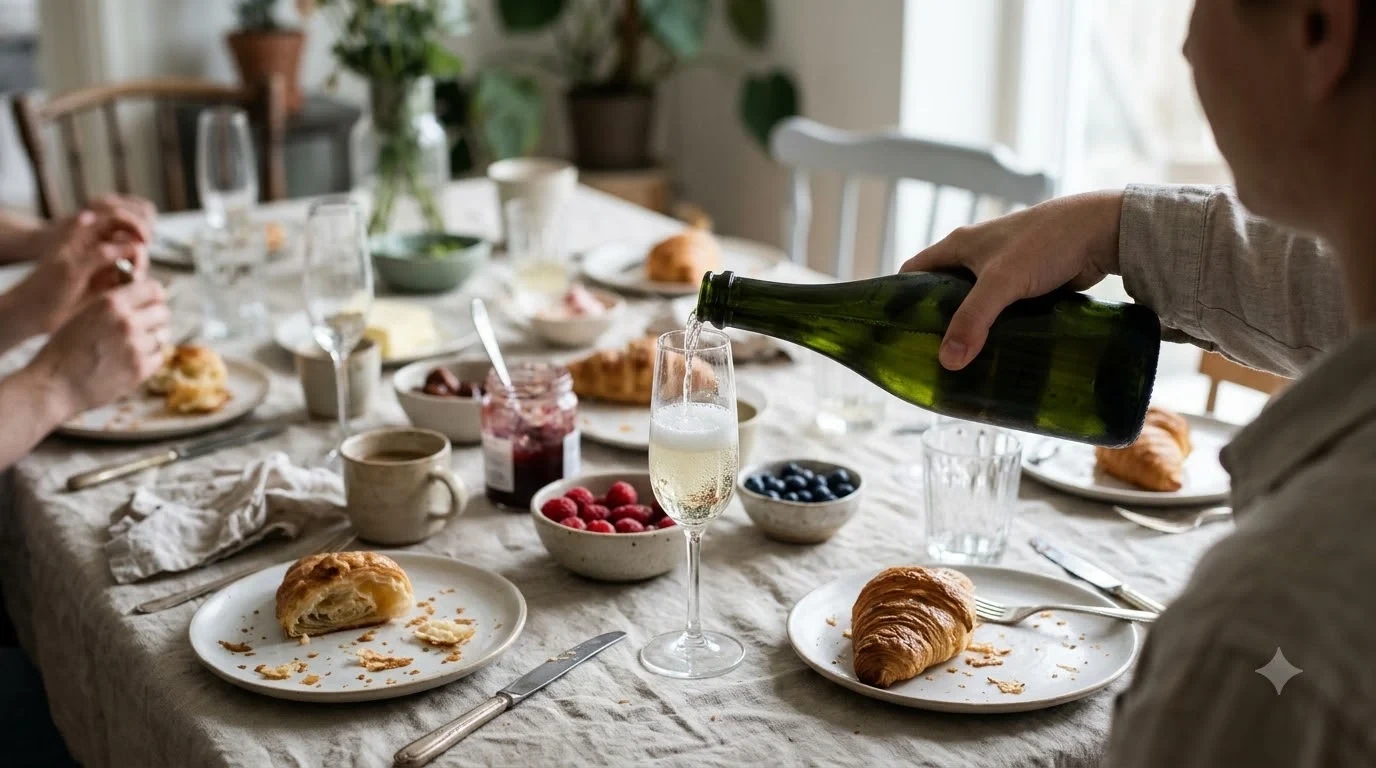
A mimosa recipe is simple: mix chilled sparkling wine with chilled orange juice, usually in equal parts, and serve it in a tall flute. The classic ratio is one part juice to one part champagne or other dry sparkling wine, though many people use a little more bubbly. It takes about two minutes to make, which is why it has become a brunch staple.
This recipe covers the ingredients, the ratio, the method, and the small choices that change the flavor, such as the juice you use and the sparkling wine you pick. It also explains how a mimosa differs from its close cousin, Buck’s Fizz, so you can choose the version you prefer.
What You Need for a Classic Mimosa
A classic mimosa uses only two ingredients, so each one matters. Choose a dry sparkling wine, since sweet bubbly can make the drink heavy. Champagne is traditional, but a dry Cava, Prosecco, or American sparkling wine will also work well. Fresh orange juice tastes brighter than a carton, and a juice without much pulp keeps the drink clean and easy to pour.
The drink was historically known as a champagne orange and takes its name from the bright yellow flowers of the mimosa plant. Its origin is disputed, with some accounts linking it to a Paris hotel bar and others to 1920s London, but the recipe itself has stayed consistent: sparkling wine and citrus juice, served cold. According to the Wikipedia entry on the mimosa, the drink became popular in the United States in the 1960s.
Mimosa Ingredients and Ratio
The mimosa is forgiving, so you can scale it to any number of guests. The standard starting point is equal parts juice and sparkling wine. The International Bartenders Association’s official recipe follows the same idea with 75 ml of freshly pressed orange juice and 75 ml of Prosecco, poured into a flute and finished with an optional orange twist. A common reference uses roughly 2.5 ounces of each in a single drink, which fills a standard flute with room for the bubbles to rise. Some cooks prefer more wine and less juice, which keeps the drink dry and crisp, while others add a little more juice for a fruity, softer glass.
| Ingredient | Single drink | Pitcher for 6 | Notes |
|---|---|---|---|
| Chilled dry sparkling wine | About 2.5 oz | One 750 ml bottle | Champagne, Cava, or Prosecco |
| Chilled fresh orange juice | About 2.5 oz | About 2 cups | Strain out large pulp |
| Optional orange liqueur | Half an ounce | 3 oz | Adds a deeper orange note |
| Orange twist | One | Six | For garnish |
Tip: Chill the sparkling wine and juice for at least an hour before you start. Warm ingredients lose their fizz quickly and make the drink taste flat.
How to Make a Mimosa Step by Step
The method is simple, and the order matters. Pour the juice first so the sparkling wine does not foam over the rim when you add it. Keep the bottle low and pour slowly to preserve as much carbonation as possible.
- Chill the sparkling wine and the orange juice until both are cold.
- Chill the flutes in the freezer for a few minutes if you have time.
- Pour about 2.5 ounces of orange juice into each flute.
- Tilt the flute and add the sparkling wine slowly until the glass is nearly full.
- Give the drink a gentle stir with a long spoon, or skip stirring to keep the bubbles lively.
- Garnish with an orange twist, and serve immediately.
If you are making a pitcher, mix the juice and any liqueur first, then add the sparkling wine just before serving. Pouring the bubbly last protects the carbonation and keeps the drink from going flat on the table.
Mimosa Variations Worth Trying
The mimosa is a good base for experiments. Orange liqueur such as triple sec or Grand Marnier adds depth and a slightly bitter edge, which many people enjoy. A few dashes of orange bitters can also give the drink more complexity without making it sweet.
Swapping the juice is the most popular change. Grapefruit juice gives a tart, bitter version, and cranberry juice creates a pink drink that suits holiday tables. Pineapple or mango juice produces a tropical mimosa. Each change alters the sweetness, so taste the juice first and adjust the amount of sparkling wine to match.
Mimosa Versus Buck’s Fizz
Buck’s Fizz is almost the same drink, and the difference is mostly in the proportions and the service. Buck’s Fizz traditionally uses about twice as much sparkling wine as juice, and it is often served without ice in a flute or coupe. A mimosa uses more juice, so it tastes softer and fruitier. Both drinks are common at brunch, and either one works if you keep the ingredients cold.
If you want a drink with a little more bitterness, the Aperol spritz recipe follows a similar sparkling wine logic with a different flavor profile. It is a good next step for guests who want something beyond orange juice.
What to Serve With a Mimosa
A mimosa is light, bright, and acidic, so it pairs best with brunch foods that have a little salt or richness. Eggs Benedict, smoked salmon on toast, and fresh fruit with yogurt are classic choices. Savory dishes such as a rich braise also work when served as a mid-morning or late lunch. For a heartier main, a dish like chicken marsala has enough savory depth to balance a glass of bubbly.
For more pairing ideas and other drinks to build a menu around, the Wine Recipes & Cocktails section collects more options.
Common Mistakes to Avoid
Most weak mimosas come from a few avoidable errors. The most common is a sweet sparkling wine, which adds sugar on top of the juice and leaves the glass heavy. The second is warm ingredients. A bottle that has been sitting on the counter loses its carbonation quickly, and the drink tastes flat before the first sip. Pouring the wine too fast is the third mistake, because it foams over the rim and wastes a good part of the bottle.
Juice quality matters more than many people expect. Pulpy juice can clog the flute and cloud the color, while a juice that is too sweet or heavily flavored hides the wine. If you are squeezing fresh oranges, strain the juice and taste it before you mix, since oranges vary a lot in sweetness from one batch to the next. Adjust the proportion in small steps rather than changing the whole recipe at once, and keep a note of the mix that worked so the next round is just as good.
Frequently Asked Questions
What is the best sparkling wine for a mimosa?
A dry sparkling wine is the best choice. Champagne is traditional, but dry Cava, Prosecco, and many American sparkling wines are good options. Avoid very sweet bottles, because the orange juice already adds sugar.
Should I use fresh or bottled orange juice?
Fresh juice tastes brighter and more complex, so it is worth using when you can. Bottled juice works well too, especially a not-from-concentrate juice with little pulp. Either way, chill it thoroughly before mixing.
How far ahead can I make mimosas for a party?
You can mix the orange juice and any liqueur a few hours ahead and keep it chilled. Add the sparkling wine just before serving so the drink keeps its fizz. Mixing too early lets the bubbles disappear.
Can I make a non-alcoholic mimosa?
Yes. Use a sparkling non-alcoholic wine or a chilled sparkling juice in place of the wine, and keep the orange juice in the same ratio. Serve it in the same flute so guests get the same look and feel.
A mimosa is one of the easiest drinks to make well, as long as the ingredients are cold and the wine is dry. Start with equal parts, taste, and adjust to your guests. For more ideas on drinks and food that work together, visit the Wine Recipes & Cocktails collection.
More in Food & Wine Pairing
 Risotto With White Wine Recipe: Make a Creamy Dinner at HomeUpdated Nov 20, 2026
 Wassail With Wine Recipe for a Festive Spiced Holiday DrinkUpdated Nov 20, 2026
 Spritz Veneziano Recipe: Make a Classic Venetian Aperitivo at HomeUpdated Nov 20, 2026
 Summer Wine Punch Recipe for Easy Homemade EntertainingUpdated Nov 20, 2026
 Bishop Recipe: How to Make a Bright, Citrus-Forward Red Wine CocktailUpdated Nov 20, 2026
 Wine Cupcakes Recipe: Bake Rich Chocolate Cupcakes at HomeUpdated Nov 20, 2026