


We may earn a commission when you buy through links on this page, at no extra cost to you. Learn more.
This cloudy bay wine review examines the winery’s signature Sauvignon Blanc, alternative white wines, Pinot Noir and sparkling selections to help you choose the right bottle. Founded in Marlborough, New Zealand, Cloudy Bay became internationally recognized for its fresh, aromatic Sauvignon Blanc and now produces several distinct wine styles. Its lineup ranges from crisp, citrus-driven whites to barrel-fermented Sauvignon Blanc, elegant Pinot Noir and traditional-method sparkling wine.
Cloudy Bay is a useful name to know if you enjoy New Zealand wine but want more than a familiar Sauvignon Blanc. Its wines share an emphasis on freshness, fruit definition and regional character, although the differences between individual bottles are substantial. This guide examines the winery’s background, explains its main wine styles, compares important buying factors and offers practical advice on serving and storing each selection. The goal is to help you decide whether the familiar flagship bottle is right for your table or whether another Cloudy Bay wine deserves attention.
Who This Is For: Understanding Cloudy Bay’s Appeal
Cloudy Bay is particularly appealing to drinkers who enjoy aromatic wines, refreshing acidity and clearly expressed fruit flavors. Its flagship Sauvignon Blanc is a natural starting point, while the broader collection gives adventurous buyers opportunities to explore Chardonnay, Pinot Noir and traditional-method sparkling wine from New Zealand.
The winery’s story began in Marlborough in 1985, when founder David Hohnen and founding winemaker Kevin Judd introduced their first Sauvignon Blanc. Hohnen had become interested in the region after tasting its Sauvignon Blanc in 1983. Their wine helped establish international recognition for Marlborough as a major source of premium Sauvignon Blanc. Cloudy Bay subsequently developed a reputation that extends beyond its original white wine.
The winery’s location explains much of its recognizable style. Its Marlborough vineyards include parcels near the Wairau River, where stony, sandy and free-draining soils are particularly suitable for Sauvignon Blanc. Further south, heavier clay-based soils in the Southern Valleys provide different growing conditions for Pinot Noir and Chardonnay. These distinctions help explain why the winery’s different grapes produce noticeably different expressions.
According to Cloudy Bay, its Marlborough operation includes 163 vineyard parcels and 65 grower blocks. The winery also reports that its yields are around 30% below the regional average. These figures illustrate its emphasis on vineyard selection and blending rather than simply increasing production volume.
This producer is worth considering if you enjoy wines with pronounced citrus, stone fruit, herbal notes and refreshing acidity. It is also suitable for people who want to serve one recognizable New Zealand white wine at a dinner party while keeping other styles available for different courses.
However, Cloudy Bay is not automatically the right choice for every drinker. Someone who prefers soft, low-acid whites, heavily oaked Chardonnay or inexpensive everyday table wine may find its signature Sauvignon Blanc less suitable. Buyers who expect every bottle from the producer to taste similarly should also understand that the grape variety and winemaking approach make a considerable difference.
For a broader introduction to producers and their regional identities, the Wine Brands section provides useful background for comparing Cloudy Bay with other established wineries.
Key Factors to Compare When Buying Cloudy Bay Wine
The most useful comparison points are grape variety, winemaking technique, acidity, flavor intensity and intended occasion. Cloudy Bay offers several distinct styles, so choosing by producer name alone is less helpful than understanding what each bottle is designed to deliver.
The following table summarizes the main selections and their general characteristics. These are style descriptions rather than promises that every vintage will taste identical.
| Wine | Main style | Typical flavor direction | Best use |
|---|---|---|---|
| Sauvignon Blanc | Dry, aromatic white | Citrus, peach, tropical fruit and herbs | Seafood, salads and goat cheese |
| Te Koko | Barrel-fermented Sauvignon Blanc | More layered, rounded and complex | Rich seafood and composed dishes |
| Chardonnay | Dry white | Stone fruit, citrus and a broader palate | Roast chicken and creamy seafood |
| Pinot Noir | Dry red | Red fruit, savory notes and fine tannins | Duck, mushrooms and roast poultry |
| Te Wāhi Pinot Noir | Central Otago red | Concentrated fruit and structured texture | Roast meats and mushroom dishes |
| Pelorus | Traditional-method sparkling | Fresh, lively and fine-bubbled | Celebrations and seafood starters |
Grape variety and acidity
Start with the grape because it determines much of the drinking experience. Sauvignon Blanc generally has high acidity, giving it a refreshing profile that works particularly well with lemon-seasoned seafood, fresh herbs and goat cheese. Chardonnay usually has medium acidity and can feel broader and rounder, making it a useful choice for dishes with richer textures.
Pinot Noir offers a different experience. Its tannins are generally low to medium, and its acidity is relatively high compared with many fuller-bodied red varieties. This combination makes it a versatile red wine for poultry, mushrooms and dishes that would overwhelm a more heavily tannic Cabernet Sauvignon.
Winemaking approach
The distinction between standard Sauvignon Blanc and Te Koko deserves particular attention. Cloudy Bay’s standard Sauvignon Blanc is known for its bright, expressive fruit and refreshing citrus acidity. Te Koko uses barrel fermentation, creating a more layered interpretation of the same grape.
Cloudy Bay also ferments individual vineyard portions separately before blending its flagship Sauvignon Blanc. The producer explains that selecting fruit from different vineyard sources helps preserve consistency while allowing the winemaking team to choose the most suitable components for each vintage.
For a closer look at the signature white wine, the dedicated Cloudy Bay Sauvignon Blanc guide offers a more focused introduction to its characteristics and drinking style.
Vintage and intended occasion
Vintage matters because growing conditions change the balance between ripe fruit, acidity and aromatic intensity. Even when a winery maintains a recognizable house style, one vintage can seem more citrus-driven while another emphasizes peach, passion fruit or tropical fruit.
Consider the occasion as well. A chilled Sauvignon Blanc is convenient for a casual seafood lunch, while Te Koko may suit a more carefully prepared dinner. Pinot Noir is a natural alternative when the menu includes roast poultry or earthy ingredients.
Step-by-Step: How to Choose the Right Cloudy Bay Bottle
Choosing a bottle becomes easier when you work from your preferred wine style toward the meal and occasion. Rather than automatically buying the flagship Sauvignon Blanc, use these steps to identify which part of the collection best matches your preferences.
-
Decide whether you want white, red or sparkling wine.
For a refreshing white, begin with Sauvignon Blanc. For a more developed white-wine profile, investigate Te Koko or Chardonnay. Choose Pinot Noir if you prefer red wine, or Pelorus if you want something sparkling for an aperitif or celebration.
-
Identify your preferred flavor profile.
Drinkers who enjoy lemon, lime, peach and fresh herbal aromas will generally find the standard Sauvignon Blanc appealing. Those who prefer a more layered, rounded white should investigate Te Koko. Pinot Noir offers red fruit and savory characteristics instead of the citrus-driven profile associated with the winery’s flagship white.
-
Match the wine to the food.
Pair Sauvignon Blanc with oysters, steamed mussels, sashimi and goat cheese. Chardonnay works with roast chicken, richer fish dishes and creamy sauces. Pinot Noir is a natural partner for duck, roast poultry and mushroom preparations.
-
Consider the level of complexity you want.
The standard Sauvignon Blanc is the most straightforward starting point for understanding Cloudy Bay. Te Koko offers a different expression through barrel fermentation. A drinker already familiar with aromatic Sauvignon Blanc may find this alternative more interesting.
-
Compare the vintage descriptions.
Read the producer’s tasting notes for the particular vintage under consideration. Look for differences in citrus, stone fruit, tropical character and texture rather than assuming that all releases have identical flavor profiles.
-
Check the bottle size and alcohol level.
Many conventional wine bottles contain 750 ml, equivalent to approximately five standard 5-ounce pours. As an example, Cloudy Bay’s published 2025 Sauvignon Blanc product page lists 13.5% alcohol, making it useful to compare alcohol levels between releases.
-
Buy according to the drinking occasion.
For an informal lunch, standard Sauvignon Blanc is a practical choice. For a special dinner, Te Koko, Chardonnay or Pinot Noir may be more appropriate depending on the menu. Pelorus offers another option when the occasion calls for sparkling wine.
Tip: If you are purchasing Cloudy Bay for the first time, start with its Marlborough Sauvignon Blanc. Its combination of citrus, stone fruit, pronounced acidity and dry finish provides a useful reference point for understanding the winery’s broader collection.
After choosing a style, consider how the wine will be served. A Sauvignon Blanc that is too warm can seem less refreshing, while a very cold bottle may conceal some of its aromatic character. Matching the serving temperature to the wine is a simple way to get more from the bottle without additional equipment.
Types and Styles Explained: From Sauvignon Blanc to Pelorus
Cloudy Bay’s portfolio includes more than one expression of Marlborough Sauvignon Blanc. The winery also produces Chardonnay, Pinot Noir and sparkling wines, alongside distinctive selections associated with Central Otago and barrel-fermented winemaking.

Cloudy Bay Sauvignon Blanc
The flagship Sauvignon Blanc is the most recognizable expression of the producer. Its appeal comes from a combination of fresh citrus, stone fruit, tropical nuances and vibrant acidity. The overall style is dry rather than sweet, with an aromatic profile that makes it especially suitable for seafood and vegetable dishes.
Cloudy Bay’s published 2025 tasting notes describe aromas of peach, elderflower, makrut lime and freshly squeezed lemon. The palate includes lemon curd, white nectarine, sea salt and dune grass, with a refreshing citrus-driven finish. These characteristics illustrate the balance between fruit and acidity that defines the wine’s familiar style. The official Cloudy Bay Sauvignon Blanc 2025 tasting notes and serving recommendations provide the producer’s detailed description of this release.
The producer recommends serving this vintage at 46–50°F. That temperature range is particularly suitable for preserving freshness while allowing the aromatic character to remain noticeable. It is a strong starting point for people exploring Marlborough Sauvignon Blanc for the first time.
Te Koko
Te Koko is a more distinctive interpretation of Sauvignon Blanc. Rather than following the same predominantly fresh-fruit presentation as the flagship bottling, it uses barrel fermentation to develop additional texture and complexity.
The idea originated from experiments with wild fermentation and barrel aging. LVMH identifies its launch in 2000 as an important moment in Cloudy Bay’s development. Te Koko is particularly interesting for drinkers who already enjoy Sauvignon Blanc but want to explore a less conventional expression.
Its different winemaking approach also affects food pairing. Instead of limiting it to simple salads and shellfish, consider richer seafood preparations, roast chicken and dishes with herbs or moderate creaminess. The wine’s individual vintage characteristics should guide the final pairing.
Chardonnay
Cloudy Bay Chardonnay offers a useful alternative for people who enjoy white wine but prefer a broader profile than the signature Sauvignon Blanc. Chardonnay generally has medium acidity, although the final texture and flavor depend on fermentation, aging and vintage conditions.
It is a practical choice with roast chicken, grilled fish and seafood served with richer sauces. Compared with Sauvignon Blanc, it can provide a more rounded accompaniment to food without relying on the same sharp citrus character.
Buyers who usually associate New Zealand wine exclusively with Sauvignon Blanc should not overlook this part of the collection. It demonstrates how Marlborough’s different vineyard sites and grape varieties can create distinct expressions within one producer’s portfolio.
Pinot Noir and Te Wāhi
Cloudy Bay Pinot Noir provides a red-wine alternative with a different regional identity. Its Marlborough Pinot Noir is associated with vineyards in the Southern Valleys, where heavier clay-based soils provide growing conditions that differ from the gravelly sites used for Sauvignon Blanc.
Te Wāhi is the winery’s distinctive Central Otago Pinot Noir. The producer sources grapes from two vineyards, Calvert in Bannockburn and Northburn. Calvert has loamy, silty soils and gentle slopes, while Northburn has rocky glacial soils and steep terrain. Blending fruit from these sites creates a wine with a combination of fine tannins, texture and structure.
Both wines are suitable for people who enjoy Pinot Noir’s relatively restrained tannins and food-friendly acidity. Try them with duck, roasted mushrooms, pork tenderloin or herb-seasoned poultry.
Pelorus and Pelorus Rosé
Pelorus expands the collection into traditional-method sparkling wine. The traditional method involves a second fermentation in the bottle, which creates the bubbles and can contribute additional complexity to the finished wine.
Pelorus is a useful option for celebrations, aperitifs and seafood-focused meals. Its sparkling character makes it suitable for occasions when a still Sauvignon Blanc would feel less festive. Pelorus Rosé provides another sparkling alternative for people who prefer a wine with a pink hue and a different presentation.
For a wider overview of the producer’s portfolio, the Cloudy Bay wine resource can help you compare its main labels before deciding which style to purchase.
Common Mistakes When Buying and Drinking Cloudy Bay
The most common buying mistakes involve assuming that every Cloudy Bay wine tastes like its flagship Sauvignon Blanc, confusing dry fruitiness with sweetness and overlooking serving temperature. Understanding these differences helps buyers select a bottle that genuinely suits their preferences.
Assuming every Sauvignon Blanc tastes the same
New Zealand Sauvignon Blanc is often associated with intense citrus, tropical fruit and fresh herbal aromas. However, winemaking decisions and vineyard conditions can produce substantial differences between producers.
Cloudy Bay’s standard Sauvignon Blanc emphasizes freshness and aromatic clarity, while Te Koko explores barrel fermentation and a more complex presentation. A person who dislikes the most intensely aromatic Sauvignon Blanc styles should not automatically dismiss the entire collection.
Confusing fruity flavors with sweetness
A wine can smell strongly of peach, passion fruit and citrus while still being dry. Cloudy Bay’s signature Sauvignon Blanc is presented as a dry wine, even though its fruit aromas can seem ripe and expressive.
This distinction matters when choosing wine for dinner. If you specifically want a sweet white wine, a dry Sauvignon Blanc is unlikely to provide the same experience as a Moscato or an off-dry Riesling.
Serving Sauvignon Blanc too cold
Very low temperatures can suppress aromatic expression. Although chilling is important for preserving the wine’s refreshing character, serving it significantly colder than the recommended 46–50°F can make its fruit and floral notes less noticeable.
Allow a bottle to warm slightly in the glass if its aromas initially seem muted. Small temperature adjustments can make a meaningful difference to the overall experience.
Choosing the wine before planning the food
Another mistake is buying a bottle without considering the meal. Sauvignon Blanc’s high acidity makes it particularly useful with acidic ingredients such as lemon, lime and vinaigrette. It can also complement shellfish, goat cheese and fresh herbs.
For richer dishes, consider Chardonnay or Pinot Noir instead. Pinot Noir has less tannin than Cabernet Sauvignon, while its acidity can complement roasted poultry and earthy mushroom dishes. Heavy tannic reds are generally less suitable for delicate oily fish.
Expecting every vintage to be identical
Vintage variation is normal, even for established producers with consistent winemaking practices. Differences in seasonal weather, harvest conditions and grape ripeness can affect the balance of acidity, fruit and texture.
Cloudy Bay’s practice of fermenting vineyard portions separately allows its winemaking team to select components for the final blend. That approach helps maintain a recognizable style, but it does not mean that every release is interchangeable.
Care and Storage Tips for Cloudy Bay Wines
Proper storage and serving conditions help preserve the fruit, freshness and structure that make Cloudy Bay wines appealing. Keep unopened bottles away from excessive heat and light, then use the appropriate serving temperature for each specific wine style.
Storing unopened bottles
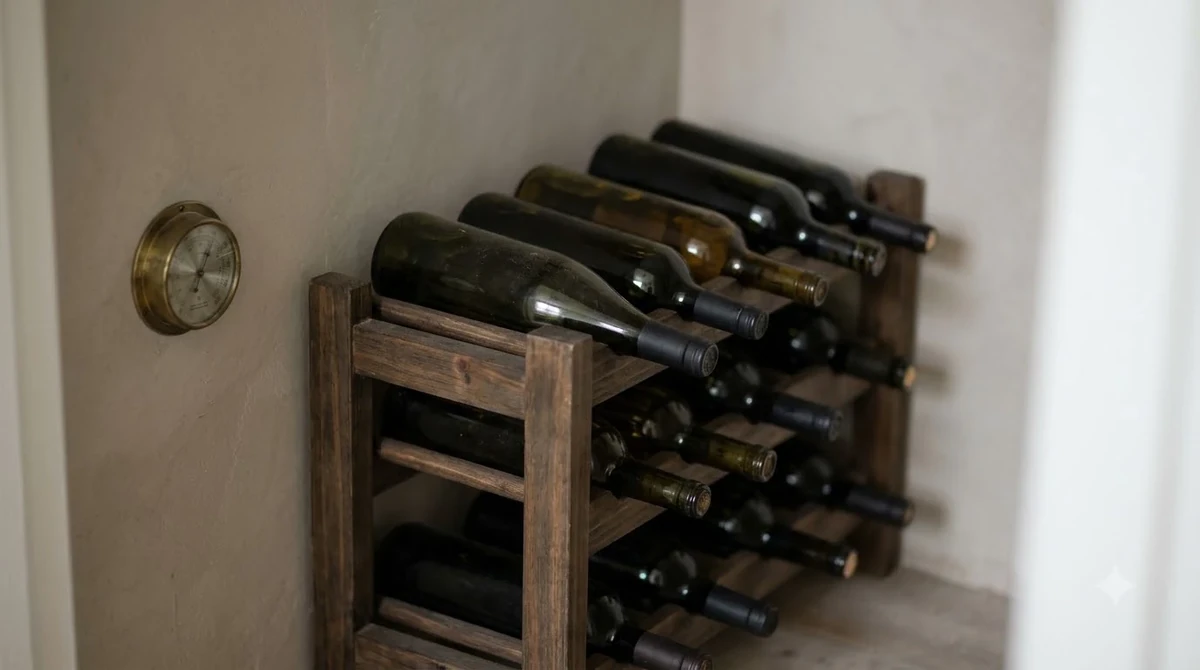
A consistent storage temperature near 55°F is a useful target for wine. Keep bottles away from direct sunlight, kitchen appliances, radiators and locations where temperatures change frequently. Significant temperature fluctuations can be more damaging than a slightly imperfect but stable storage environment.
For bottles intended for longer storage, laying them on their sides is a traditional approach for cork-closed wines. This helps maintain contact between the wine and the cork. Many modern white wines use screw caps, so the same cork-moisture consideration does not apply in the same way.
Serving temperature by wine style
Serving temperature should reflect the structure of the wine rather than the color alone. Light, aromatic whites benefit from cooler service, while fuller-bodied whites generally show more complexity at slightly warmer temperatures.
| Wine style | Recommended temperature | Serving consideration |
|---|---|---|
| Cloudy Bay Sauvignon Blanc | 46–50°F | Preserves freshness and citrus aromas |
| Other light white wines | 45–50°F | Maintains a refreshing character |
| Fuller-bodied Chardonnay | 50–55°F | Allows more texture and aroma to emerge |
| Pelorus sparkling wine | 40–50°F | Maintains freshness and lively bubbles |
| Pinot Noir | 55–60°F | Shows red fruit and aromatic detail |
| Full-bodied red wine | 60–65°F | Allows greater aromatic expression |
The producer’s 46–50°F recommendation for its 2025 Sauvignon Blanc fits the standard range for light aromatic white wine. A refrigerator can chill a bottle before serving, but avoid leaving it in the cold for unnecessarily long periods.
Opening and preserving an unfinished bottle
Cloudy Bay Sauvignon Blanc and other still wines are generally best enjoyed within 3–5 days after opening when stored properly in the refrigerator. Reseal the bottle promptly and minimize the amount of air inside the container to slow oxidation.
For sparkling wine such as Pelorus, use a proper sparkling-wine stopper and refrigerate the bottle after opening. Its quality generally lasts around 1–3 days, although the bubbles can gradually diminish. A standard still-wine stopper is not a substitute for a secure sparkling-wine closure.
Let red wine warm slightly before serving if it has been refrigerated after opening. A bottle of Pinot Noir should not be served at the same temperature as a chilled Sauvignon Blanc. Matching the temperature to the style helps preserve the character of each wine.
Choosing the right glass and pour
A standard 5-ounce pour is a convenient serving size for still wine. A 750 ml bottle provides approximately five such glasses, making it straightforward to estimate how many bottles are needed for a dinner gathering.
Use a white-wine glass with enough room to collect aromas for Sauvignon Blanc and Chardonnay. Pinot Noir benefits from a larger bowl that allows its red-fruit and savory aromas to develop. For Pelorus, a sparkling-wine glass or tulip-shaped glass can help retain the bubbles while allowing the wine’s aromas to emerge.
These small details do not require expensive accessories. Consistent temperature, sensible storage and appropriate glassware are more important than buying a large collection of specialized equipment.
Frequently Asked Questions
Is Cloudy Bay owned by LVMH?
Cloudy Bay is part of the LVMH wines and spirits portfolio. LVMH identifies the producer among its wine maisons and describes its operations across Marlborough and Central Otago. Its portfolio membership provides useful ownership context when comparing established international wine groups.
Where does the name Cloudy Bay come from?
The name refers to a body of water in Marlborough encountered by Captain James Cook during his voyage to New Zealand in 1770. Historical accounts associate the cloudy appearance with sediment carried into the sea after flooding. The name therefore connects the winery with the geography and history of its home region.
Can Cloudy Bay Sauvignon Blanc be aged?
Although the wine is widely enjoyed for its youthful freshness, some vintages can develop additional complexity with bottle age. Decanter’s discussion of Cloudy Bay’s Sauvignon Blanc specifically examines its aging potential rather than treating it exclusively as an immediate-drinking wine. Cellaring decisions should depend on the particular vintage and storage conditions.
Is Te Koko made from a different grape than the flagship Sauvignon Blanc?
No. Te Koko is another expression of Sauvignon Blanc rather than a completely different grape variety. Its barrel-fermentation approach distinguishes it from the winery’s familiar flagship bottling. The difference is primarily in the winemaking approach and resulting style.
Does Cloudy Bay make wine outside Marlborough?
Yes. The winery has a presence in Central Otago as well as Marlborough. Its Te Wāhi Pinot Noir comes from the Central Otago vineyards of Calvert and Northburn, giving the collection a red-wine expression associated with a different New Zealand region.
Cloudy Bay is a compelling producer to explore if you appreciate expressive New Zealand wines, particularly aromatic Sauvignon Blanc with fresh citrus, stone fruit and lively acidity. Its Te Koko, Chardonnay, Pinot Noir and Pelorus selections provide meaningful alternatives for different meals and occasions. Start with the flagship Sauvignon Blanc if you want to understand the winery’s signature style, then explore the wider collection according to your preferred grape, food pairings and level of complexity.
More in Wine Brands
 Underwood Wine Price: Compare Bottles, Cans, and Pack SizesUpdated Nov 21, 2026
 Zenato Wine Price: Compare Styles and Choose the Right BottleUpdated Nov 21, 2026
 Zuccardi Wine Price: Compare Bottles and Find the Right RangeUpdated Nov 21, 2026
 Yellow Tail Moscato Review: Taste, Sweetness and Serving TipsUpdated Nov 21, 2026
 Wolf Blass Yellow Label Review: Choose Your Best StyleUpdated Nov 21, 2026
 Wolffer Estate Rose Review: Choose the Right Bottle for Your TableUpdated Nov 21, 2026