
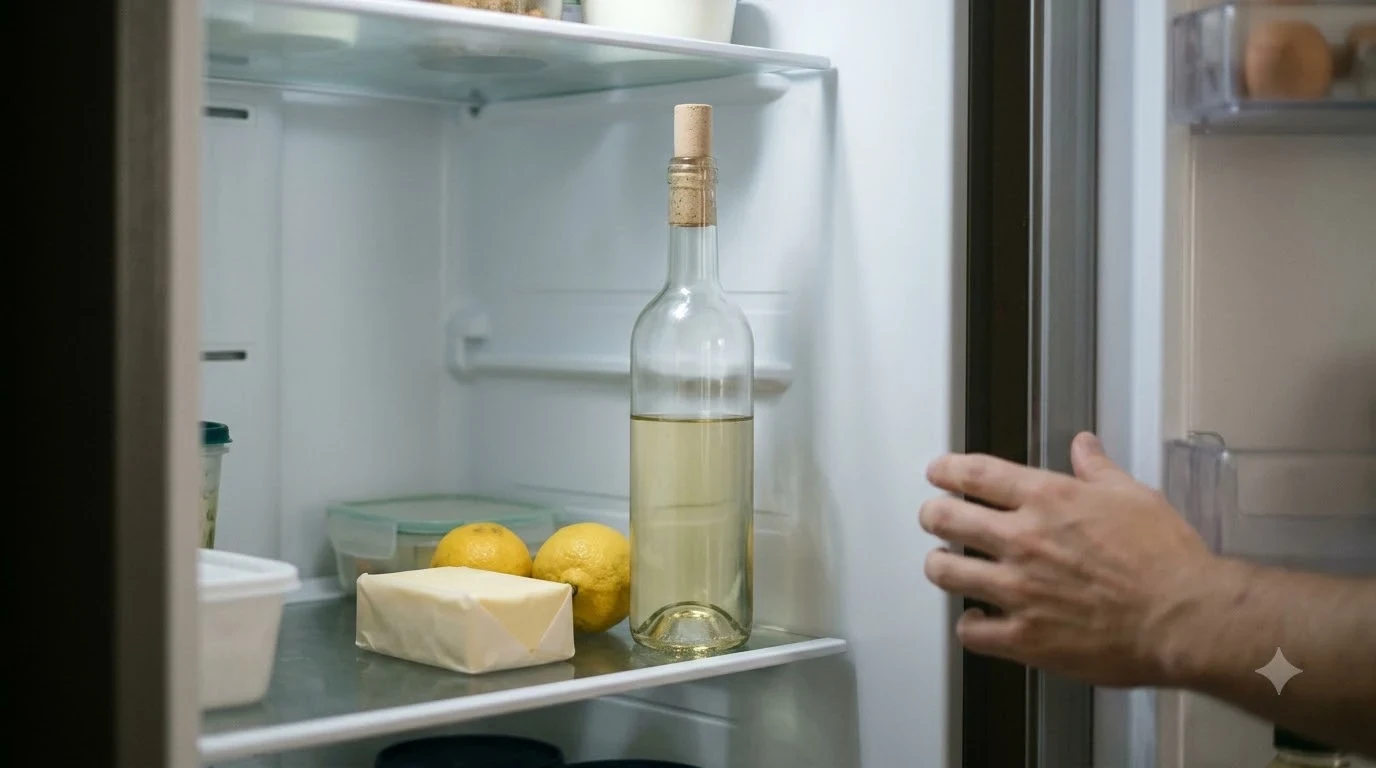

We may earn a commission when you buy through links on this page, at no extra cost to you. Learn more.
Cloudy Bay wine is a New Zealand range from Marlborough, the region best known for Sauvignon Blanc, and the winery’s flagship Sauvignon Blanc is the wine most people know it for. The estate was established in 1985 and its buildings sit in the Wairau Valley near Blenheim. Beyond Sauvignon Blanc, the lineup includes Chardonnay, Pinot Noir from Central Otago, a barrel-fermented Sauvignon Blanc and a sparkling wine.
Cloudy Bay is one of the best-known names in New Zealand wine, and it helped bring the country’s Sauvignon Blanc to international attention. This guide covers where the winery came from, what is in the range, what Marlborough Sauvignon Blanc tastes like and how to serve and pair these wines with food.
Where Cloudy Bay came from
According to the Wikipedia entry on Cloudy Bay Vineyards, the winery was established in 1985 by David Hohnen, who had founded the Margaret River winery Cape Mentelle. The name refers to a stretch of coast named by James Cook during his 1770 voyage. In 2003 Hohnen sold his remaining shares to Veuve Clicquot, which places the winery within the LVMH group. In 2014 the company added Northburn Station, a vineyard and cellar door in Central Otago, its first expansion outside Marlborough.
The winery’s buildings are in the Wairau Valley, roughly eight kilometers north-west of Blenheim. That location puts the estate in the heart of Marlborough, the district that produces most of New Zealand’s wine. The brand’s own site describes its story as beginning with Marlborough Sauvignon Blanc, and it lists Central Otago as a second region with its own visit page.
Why Marlborough Sauvignon Blanc tastes the way it does
Marlborough is a cool, sunny region with long days and cool nights. Those conditions help grapes keep high acidity while still ripening their fruit, which is the balance that defines New Zealand Sauvignon Blanc. The style is bright and expressive, and it tends to be more aromatic than Sauvignon Blanc from many other countries.
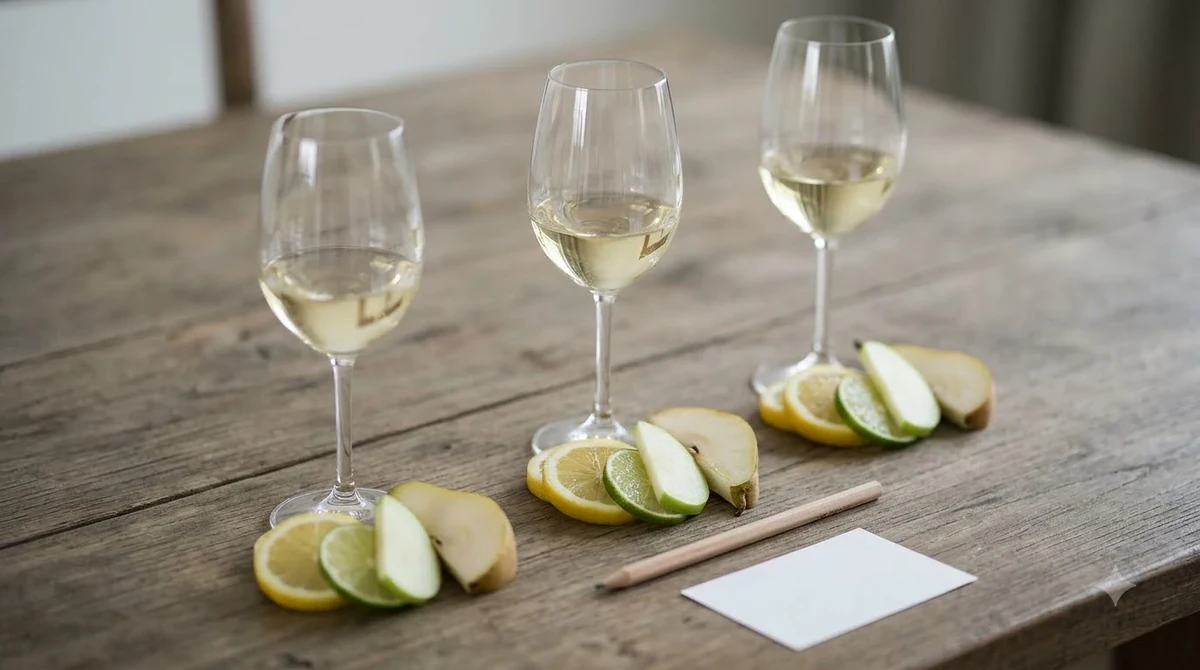
Wine Folly describes Marlborough wines as showing “incredible vibrancy of fruit and razor-sharp acidity,” with notes of bell pepper, gooseberry, passion fruit, tomato stalk, citrus and freshly cut grass. Those aromatic markers are what most people mean when they describe a New Zealand Sauvignon Blanc, and they are a good way to recognize the style in a glass.
What is in the Cloudy Bay range
The brand’s website lists several wines. Sauvignon Blanc is the core of the range and still makes up most of the winery’s production. Te Koko is a barrel-fermented Sauvignon Blanc, which gives it more texture and a rounder feel than the standard style. The lineup also includes Chardonnay, a Pinot Noir from Central Otago called Te Wāhi, and sparkling wines named Pelorus and Pelorus Rosé, which the brand describes as made by the traditional method.
The site lists current vintages for several of these wines, but vintage listings change often, so check the label or the producer’s page for the bottle you want. Tasting notes on the site appear mainly as images, which means the written descriptions are limited. The sensory notes in this guide therefore come from the general character of each grape and region.
| Wine | Style | Typical character |
|---|---|---|
| Sauvignon Blanc | Marlborough, unoaked | High acidity, gooseberry, passion fruit, fresh herb |
| Te Koko | Barrel-fermented Sauvignon Blanc | Richer texture and more weight from barrel fermentation |
| Chardonnay | White, Marlborough | Citrus and stone fruit with a fuller body |
| Te Wāhi | Pinot Noir, Central Otago | Red fruit, fresh acidity and a fine structure |
| Pelorus | Sparkling, traditional method | Fine bubbles and crisp, citrus-led flavor |
The table is a guide to the character each style usually shows. It is not a set of tasting notes from the producer for each bottle, so use it to match a style to your taste rather than to predict a specific vintage exactly.
How to serve Sauvignon Blanc
Sauvignon Blanc is best served cool. Wine Folly suggests 45 to 55 degrees Fahrenheit, or 7 to 12 degrees Celsius, in a white wine glass, and notes that decanting is not needed. Serving the wine too cold can mute the aromatics, so take it out of the refrigerator about ten minutes before pouring if it has been chilling for a long time.
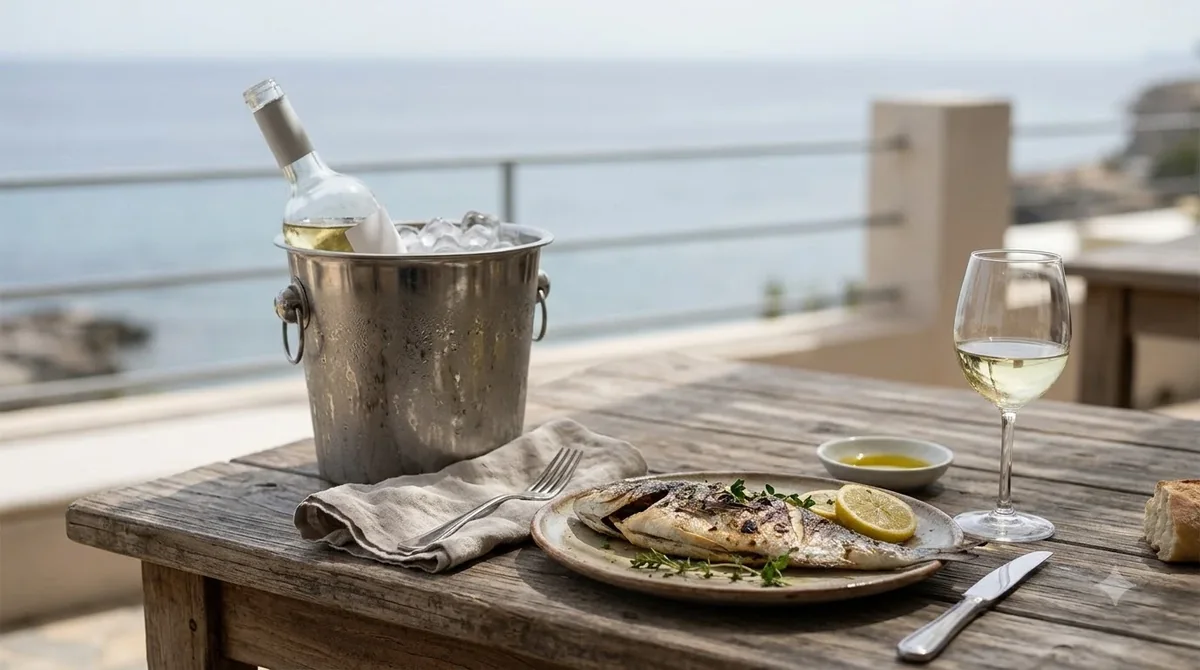
Sauvignon Blanc generally has an alcohol level of about 11.5% to 13.5%, which makes it lighter than many white wines from warmer regions. That lighter body is one reason it works well as an aperitif or a relaxed lunch wine. Keep an opened bottle sealed and chilled, and drink it within a few days for the freshest flavor.
Tip: Match Marlborough Sauvignon Blanc with herbs and fresh acidity in your food. Mint, dill, basil and cilantro complement its green, aromatic character well.
Food pairing for Cloudy Bay wines
Sauvignon Blanc is one of the most food-friendly white wines. Its acidity cuts through rich or oily dishes, and its herbal notes pick up the flavors of fresh herbs in the cooking. Herb-driven sauces over chicken, tofu or white fish are classic matches, and the wine also works with goat cheese, feta, burrata and mozzarella.
Asian and Mediterranean cooking suits the style well. Thai and Vietnamese dishes with lime, chili and herbs can work with a Marlborough Sauvignon Blanc, and a simple plate of grilled fish with lemon and basil is a dependable choice. The Chardonnay and the barrel-fermented Te Koko suit richer dishes, such as roast chicken with a creamy sauce or a pork dish with apple.
Who the Cloudy Bay range suits
Cloudy Bay is a good fit for drinkers who enjoy aromatic white wines with clear fruit and sharp acidity. The Sauvignon Blanc is an approachable starting point for people who want a bright, food-friendly glass, while the Chardonnay and Te Koko suit those who prefer a rounder style. The Central Otago Pinot Noir gives red wine drinkers a way to explore the same winery’s range.
Readers who prefer soft, low-acid whites may find Marlborough Sauvignon Blanc too sharp at first. Serving it cool and pairing it with food usually softens that edge and shows the wine at its best. For a first bottle, a simple dinner of grilled fish, a green salad and fresh herbs is a good test of whether the style suits you.
Frequently Asked Questions
Who founded Cloudy Bay?
According to the Wikipedia entry on Cloudy Bay Vineyards, the winery was established in 1985 by David Hohnen, who also founded the Margaret River winery Cape Mentelle.
Where is Cloudy Bay located?
The winery is in the Wairau Valley of Marlborough, on New Zealand’s South Island, roughly eight kilometers north-west of Blenheim. It also has a vineyard and cellar door in Central Otago.
What is Cloudy Bay best known for?
The winery is best known for its Marlborough Sauvignon Blanc, which is the core of the range and the wine that helped draw international attention to New Zealand Sauvignon Blanc.
Is Cloudy Bay Sauvignon Blanc dry?
Yes, Sauvignon Blanc from Marlborough is generally dry, with high acidity and bright fruit. Some Marlborough wines carry a gram or two of residual sugar to balance that acidity, so check the producer notes for the exact bottle.
To see how other brands present their wines, browse our Wine Brands guide. If you are comparing red wines from other producers, the Spottswoode wine and Pedernales wine pages offer a useful contrast with a Pinot Noir from a cooler region. For the winery’s own range and current releases, visit the Cloudy Bay website, and for the typical profile of Sauvignon Blanc, see Wine Folly’s Sauvignon Blanc guide.
More in Wine Brands
 Underwood Wine Price: Compare Bottles, Cans, and Pack SizesUpdated Nov 21, 2026
 Zenato Wine Price: Compare Styles and Choose the Right BottleUpdated Nov 21, 2026
 Zuccardi Wine Price: Compare Bottles and Find the Right RangeUpdated Nov 21, 2026
 Yellow Tail Moscato Review: Taste, Sweetness and Serving TipsUpdated Nov 21, 2026
 Wolf Blass Yellow Label Review: Choose Your Best StyleUpdated Nov 21, 2026
 Wolffer Estate Rose Review: Choose the Right Bottle for Your TableUpdated Nov 21, 2026