


We may earn a commission when you buy through links on this page, at no extra cost to you. Learn more.
Clare Valley wine is best known for dry, lime-scented Riesling, but this South Australian region also makes distinctive Shiraz and Cabernet Sauvignon. Warm summer days, cool nights, high vineyard sites, and varied ancient soils give the wines both ripe fruit and natural freshness. Start with Riesling to understand the region’s signature style, then compare a slate-grown Polish Hill River bottling with a Watervale wine or try one of the region’s savory reds.
Clare Valley is small by Australian standards, yet its wines offer a clear sense of place. The guide below explains where the region sits, how its growing conditions shape the grapes, what to expect from its main varieties, and how to choose, serve, and pair a bottle.
Where the Clare Valley Sits and Why the Climate Matters
Clare Valley lies about 130 kilometers north of Adelaide in South Australia’s Mount Lofty Ranges. Its warm-to-hot summers are moderated by afternoon breezes, elevation, and sharp drops in nighttime temperatures, a combination that helps grapes ripen while retaining acidity.
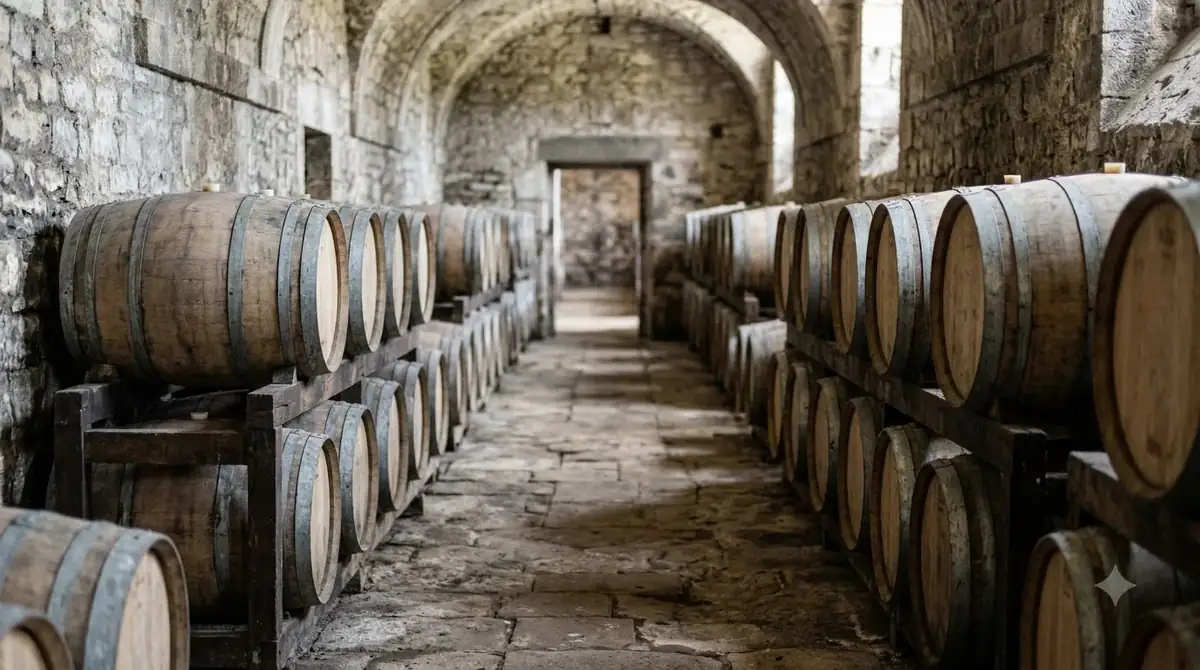
The wine region covers about 680 square kilometers and includes vineyards at elevations of roughly 190 to 609 meters, according to Wine Australia. That range matters: a vineyard on a higher, exposed slope can experience cooler conditions than a lower, sheltered site only a short drive away. The region’s mean January temperature is 22.3°C, but a monthly average does not show the full swing between a hot afternoon and a cool night. During the main ripening period, temperatures can fall dramatically after sunset, slowing the pace of ripening and helping aromatic grapes retain their freshness.
Wine Australia reports about 232 millimeters of growing-season rainfall from October through April. With much of the rain arriving outside that period, growers manage a relatively dry season. Some vineyards are dry-grown; others use careful irrigation, mulch, and cover crops to conserve moisture. European settlement dates to the late 1830s, and Wine Australia records vineyards and wine production in the early 1840s. The region is about 35 kilometers long and five to 10 kilometers wide, yet its hills and breezes create distinct sites. For more on how geography and grapes shape a region, see the guide to wine regions.
| Regional detail | Reported figure | Why it matters |
|---|---|---|
| Geographical area | 680 square kilometers | A compact region with varied vineyard sites |
| Vineyard elevation | 190–609 meters | Altitude changes temperature and exposure |
| Growing-season rainfall | 232 millimeters | Water management is important from October to April |
| Mean January temperature | 22.3°C | Warm days support ripeness; cool nights preserve freshness |
| Distance from Adelaide | About 130 kilometers | A northward drive into the Mount Lofty Ranges |
These are regional averages, not conditions shared by every vineyard. Slope, aspect, wind exposure, and soil depth can make two wines from the same grape taste different.
Soils and the Five Distinct Growing Areas
Clare Valley has 11 recognized soil types, with two especially well-known contrasts: terra rossa over limestone in Watervale and broken slate in Polish Hill River. The region has no formally designated subregions, but five distinct growing areas—Auburn, Watervale, Sevenhill, Polish Hill River, and Clare—help explain why styles vary from vineyard to vineyard.
Watervale is associated with red terra rossa topsoil over limestone. Its Rieslings are often described as aromatic and citrus-led, with a generous expression of lime and other fresh fruit. The soil name alone does not dictate flavor, but it gives buyers a useful starting point when comparing bottles. A Watervale label signals a more specific origin than a broad Clare Valley designation and can help make a side-by-side tasting more revealing.
Polish Hill River is known for slate, including broken blue slate beneath gray loam in some sites. Its Rieslings are often more restrained, steely, and mineral in character than the fuller citrus expression commonly associated with Watervale. The contrast is not a strict rule: producer decisions, the vintage, vine age, harvest date, and the exact vineyard block all affect the finished wine. Still, tasting the two areas side by side is one of the clearest ways to understand the region’s site variation.
The other named areas contribute to the region’s wider patchwork. Auburn and Clare are part of the broad geographic span; Sevenhill is closely connected with the region’s early wine history. Further differences come from alluvial soils in northern sites and sandy loam or degraded quartz in parts of the west. Rather than treating the five areas as official appellations with rigid rules, think of them as useful place names within a varied landscape. Soils influence drainage, vine vigor, and access to water. Growers also manage canopy, ground cover, irrigation, and harvest timing. The regional association describes dry-grown and sustainably managed vineyards, including multi-generation family sites. Use a soil or area name as a clue, not as a guarantee that every wine from it will taste alike.
Clare Valley Riesling: Lime, Acidity, and Age
Riesling is the region’s defining white grape, usually made dry, with brisk acidity and citrus-led flavors. Young examples commonly show lime, lemon, green apple, and a firm mineral impression; with bottle age, some develop honeyed, toasty, and lemon-curd notes while keeping a lively line of acidity.
Clare Valley Riesling is generally light to medium in body, but concentrated citrus, clean acidity, and a long finish give it presence. Heavy oak is not a defining feature; the style favors fruit clarity and a taut structure rather than sweetness or obvious wood flavors.
Most bottles are dry, although some producers make off-dry or sweeter versions. Dry Riesling suits drinkers who enjoy crisp Sauvignon Blanc but want a different aromatic profile. Its acidity gives the wine a clean finish and helps it pair with rich dishes or food dressed with lemon and vinegar.
Patience can reward buyers who enjoy mature white wine. Wine Australia notes that many Clare Valley Rieslings benefit from five to seven years of bottle age and can continue developing for decades. In youth, the profile tends to emphasize fresh citrus and a firm, sometimes austere finish. As the wine matures, fruit notes can shift toward honey, toast, and preserved citrus, and the acidity may feel more integrated even as it remains structurally important. Ageing potential varies by producer, vineyard, vintage, closure, and storage, so not every bottle needs a long cellar stay. Watervale often points toward aromatic, lime-driven Riesling, while Polish Hill River is frequently linked with a more linear, slate-influenced style. Wine Australia’s Clare Valley overview explains how elevation and cooling breezes shape the region. Compare a young bottle with one aged for five years or more to see how citrus and texture change.
Shiraz, Cabernet Sauvignon, and Other Grapes
Clare Valley is not only a Riesling region: Shiraz and Cabernet Sauvignon are important red varieties, and both benefit from warm summer conditions balanced by cooler nights. Shiraz tends toward ripe blackberry, spice, and mint, while Cabernet Sauvignon brings darker black-fruit flavors with firmer tannin.
Clare Valley Shiraz can be full flavored without losing all freshness. Look for blackberry, plum, black cherry, pepper, and savory spice, with mint or eucalyptus-like notes in some wines. Tannin and oak influence vary by producer and bottling, so one Shiraz may feel polished and approachable while another is structured for a longer rest in the cellar. The region’s cooling nighttime conditions help preserve acidity, which can keep the fruit from seeming heavy.
Cabernet Sauvignon often shows cassis, blackcurrant, dark cherry, and herbal or leafy details. Its tannins are generally more assertive than those in Pinot Noir or Merlot, and the structure can make it a good match for food with protein and fat. Some Clare Cabernets are blended with Shiraz, and a little Malbec may also appear. A blend can combine Cabernet’s firm frame with Shiraz’s generous fruit and spice, though the proportions and result depend on the producer.
Some producers also work with Sangiovese, Tempranillo, and Assyrtiko, varieties identified by the Clare Valley Wine and Grape Association. Sangiovese often shows red cherry and savory acidity, Tempranillo darker fruit and spice, and Assyrtiko citrus with a saline edge. Those are general grape cues, not guarantees of a local bottling’s flavor. When choosing a red, consider how much structure you enjoy. A Shiraz with ripe fruit and moderate oak may be easier to drink on its own than a more tannic Cabernet. A Cabernet, meanwhile, can be especially satisfying beside grilled beef or lamb, where fat and salt soften its drying tannins. The regional range is broad enough that it is worth trying a few producers rather than deciding whether you like Clare Valley reds on the basis of one bottle.
How to Choose a Bottle and Read Its Style
Start with the grape, then narrow the choice by place, producer, and desired drinking window. A dry Riesling is the most direct introduction to Clare Valley, while a Shiraz or Cabernet gives a useful view of its red-wine character and a named vineyard area can reveal how strongly site influences the finished wine.
On a label, “Clare Valley” identifies the broader regional origin. More specific names such as Watervale or Polish Hill River point to a smaller growing area, and a single-vineyard name may identify an even more focused source. Those details do not automatically mean a wine is better; they simply tell you more about where its grapes came from. If you are comparing two Rieslings, try to keep the grape and vintage similar while changing the site or producer. That makes it easier to notice whether the difference comes from fruit ripeness, acidity, texture, or winemaking.
Producer style matters as much as geography. One winemaker may favor a fresh, early-drinking Riesling, while another makes a more concentrated wine for bottle ageing. Shiraz may be fruit-forward or oak-influenced; Cabernet may be firm in youth or more integrated after time in bottle. The grape and vintage are useful first clues, and producer notes can clarify the intended style. Regional producers to look for include Grosset, Jim Barry, Pikes, Mount Horrocks, Kilikanoon, Skillogalee, and Wakefield Taylors. This is a starting list, not a ranking or a complete directory. Small producers and single-vineyard bottlings are part of the region’s appeal, and the same producer may make several wines with different levels of concentration, oak, or ageing potential. Browse a directory of Clare Valley wineries to compare cellar doors and producers before selecting a bottle.
Do not treat closure as a quality ranking. Screwcap is common for Australian Riesling and can protect fresh fruit; it does not mean the wine must be drunk immediately. Red wines may appear under screwcap or cork, so focus on the producer’s style and the bottle’s storage history. For a first purchase, choose one dry Riesling and one red, then save a second Riesling to open later under the same storage conditions. Comparing the bottles will show how age changes citrus, texture, and savory notes. Decanter’s guide to Clare Valley provides examples of the region’s different styles.
Serving, Food Pairing, and Tasting Clare Valley Wine
Serve Clare Valley wines cool enough to keep their balance, and match the food to the grape’s acidity, tannin, and body. Riesling is especially versatile at the table, while Shiraz and Cabernet are usually better with richer dishes that soften their tannins.
Serve dry Riesling at about 45–50°F, cool enough to refresh but warm enough for lime, lemon, and floral notes to show. If the wine seems muted, let it warm slightly in the glass. A fuller white such as barrel-influenced Chardonnay is generally more expressive around 50–55°F. Serve lighter reds around 55–60°F and fuller Shiraz or Cabernet around 60–65°F; a warm room may be hotter than ideal. A young, full-bodied red can benefit from 30–60 minutes in a decanter, while an older bottle usually needs gentler handling.
Dry Clare Valley Riesling pairs well with oysters, grilled prawns, white fish, goat cheese, and salads with lemon or a sharp vinaigrette. Its acidity can match acidic ingredients, and it refreshes the palate after salty or lightly fried foods. It also works with dishes that include ginger, herbs, or a moderate amount of spice, though very hot chili can make alcoholic wines seem hotter. For spicy food, choose a lower-alcohol or slightly off-dry Riesling rather than a powerful red with firm tannins. Shiraz is a natural partner for grilled lamb, barbecue, sausages, roasted mushrooms, and dishes with black pepper or smoky spices. Cabernet Sauvignon suits steak, braised beef, burgers, and aged hard cheeses. Fat and salt soften the impression of tannin, which is why a firm Cabernet can feel more balanced with a marbled steak than when served without food. Avoid pairing a tannic red with delicate oily fish: the combination can make both the fish and wine seem less harmonious. For more local context and ideas for planning a visit, use the guide to Clare Valley wine tasting.
Tip: For a home tasting, pour about 5 ounces per glass; a 750-milliliter bottle gives roughly five pours. Compare Riesling before the reds and note acidity, body, fruit, tannin, and finish. Refrigerate opened still wine and aim to finish it within three to five days. Store cork-finished bottles on their sides in a cool, dark place near 55°F, avoiding temperature swings.
Frequently Asked Questions
How much of Australia’s wine does Clare Valley produce?
Clare Valley accounts for less than 1.5% of Australia’s total wine production, according to Decanter. Its profile rests on distinctive regional wines rather than sheer volume.
When was Sevenhill Cellars founded?
Jesuits founded Sevenhill Cellars in 1851 to make sacramental wine. It remains an important landmark in the region’s early European winemaking history.
What is the history of Wendouree?
Alfred Percy Birks established Wendouree in 1893, planting Shiraz vines that are still thriving. The site is a historic link to the region’s old-vine reds.
Why is Clare Valley associated with screwcap closures?
In 2000, 13 Clare Valley winemakers led by Jeffrey Grosset championed Stelvin screwcaps for premium Riesling. Their example helped show that screwcap-sealed wines could retain freshness and age, encouraging wider adoption in Australia.
When were some of Clare Valley’s best-known wineries established?
Jim Barry Wines was founded in 1959, Wakefield Taylors and Knappstein in 1969, and Grosset in 1981. The dates mark the growth of the region’s modern producer base.
Clare Valley rewards a simple starting point: open a dry Riesling, then explore the contrast between Shiraz, Cabernet Sauvignon, and wines from Watervale or Polish Hill River. With its cool nights, varied soils, and distinctive regional producers, it offers a focused way to understand how place shapes Australian wine.
More in Wine Regions
 Willcox Wine Trail: Discover Arizona’s High-Elevation Wine CountryUpdated Nov 20, 2026
 Yakima Valley Wine Region: Find the Best Styles to TryUpdated Nov 20, 2026
 Vosne Romanee Wine Tasting: Identify Aromas and Choose Better PairingsUpdated Nov 20, 2026
 Yakima Valley Wine Festival: Find the Best Seasonal Wine EventsUpdated Nov 20, 2026
 Wales Vineyards: Discover Cool-Climate Wines and Where to VisitUpdated Nov 20, 2026
 Yountville Wine Festival: Discover Napa Wines and Local FoodUpdated Nov 20, 2026