

We may earn a commission when you buy through links on this page, at no extra cost to you. Learn more.
Clare Valley wineries are among Australia’s most celebrated wine producers, particularly for their outstanding Riesling, distinctive Shiraz and elegant Cabernet Sauvignon. Located in South Australia, approximately two hours north of Adelaide, the region combines historic family wineries, distinctive vineyard sites and welcoming cellar doors. Whether you are interested in tasting age-worthy Riesling, exploring historic estates or discovering smaller boutique producers, Clare Valley offers an excellent introduction to Australian wine country.
Although Clare Valley is relatively small compared with Australia’s largest wine-producing regions, its reputation extends well beyond South Australia. Its combination of cool nights, warm summer days, varied elevations and ancient soils creates wines with recognizable regional character. Understanding the different winery districts and their producers makes it easier to plan a visit and choose bottles that reflect the area’s distinctive identity.
Where Clare Valley Wineries Are Located and What Makes the Region Special
Clare Valley sits in South Australia’s Mount Lofty Ranges, approximately 140 kilometers north of Adelaide. Its rolling hills, Mediterranean climate and varied vineyard elevations create growing conditions that distinguish it from warmer Australian wine regions. Visitors can explore several wine-producing communities within a relatively compact area.
The region is approximately 35 kilometers long and between 5 and 10 kilometers wide. Its main wine-growing districts include Auburn, Watervale, Sevenhill, Polish Hill River and Clare. These areas are not formally designated subregions, but they have recognizable differences in vineyard conditions and wine styles. For visitors, the distinctions provide a useful way to organize tastings rather than treating every winery as interchangeable.
Clare Valley’s reputation rests particularly on Riesling, although Shiraz and Cabernet Sauvignon are also important. The region produces wines with considerable variation in aroma, structure and texture. Fiano, Malbec, Tempranillo, Mataro and Pinot Gris add further diversity to winery tasting lists.
One of the defining features of the area is its continental growing climate. Summer days can be warm enough for red grapes to ripen fully, while cooler nights help preserve acidity in white varieties. This difference between daytime and nighttime temperatures is especially important for Riesling, giving the wines freshness alongside concentrated fruit character.
The region also has a long history of wine production. The first vines were planted during the 1840s, and Sevenhill Cellars began operating in 1851. This heritage remains visible in historic winery buildings, traditional vineyard properties and family businesses that have continued across generations.
Clare Valley is also an attractive destination for travelers interested in activities beyond wine. The Riesling Trail provides opportunities for cycling and walking, while Mintaro, Burra and other historic communities offer architecture, heritage attractions and local dining.
Tip: Allow at least two days for a relaxed introduction to the region. A one-day visit can cover several cellar doors, but a longer stay makes it easier to compare vineyard districts, enjoy a winery lunch and explore the historic towns without rushing.
Understanding Clare Valley Riesling and Its Distinctive Terroir
Riesling is the signature grape of Clare Valley, and understanding its vineyard origins is one of the most rewarding parts of exploring the region. The combination of cool nights, elevation and diverse soils produces wines that can be aromatic, intensely citrus-driven and capable of developing considerable complexity with age.
Two particularly interesting growing areas are Watervale and Polish Hill River. Watervale is associated with aromatic Riesling featuring lime, citrus and floral characteristics. Polish Hill River is known for wines that can be more restrained, mineral and steely in character. These differences demonstrate how vineyard location can influence the expression of the same grape variety.
The geology helps explain the variation. According to Decanter’s regional overview, Clare Valley contains 11 distinct soil types formed over ancient geological formations. Watervale is particularly associated with terra rossa, a red soil over limestone. Polish Hill River has grey loam over broken blue slate. Other vineyard areas contain alluvial deposits, sandy loam and different mineral-rich formations.
These soils influence water availability, vine growth and the conditions under which grapes ripen. However, soil alone does not determine the finished wine. Elevation, exposure, vineyard management, harvesting decisions and winemaking techniques also contribute to the differences between individual bottles.
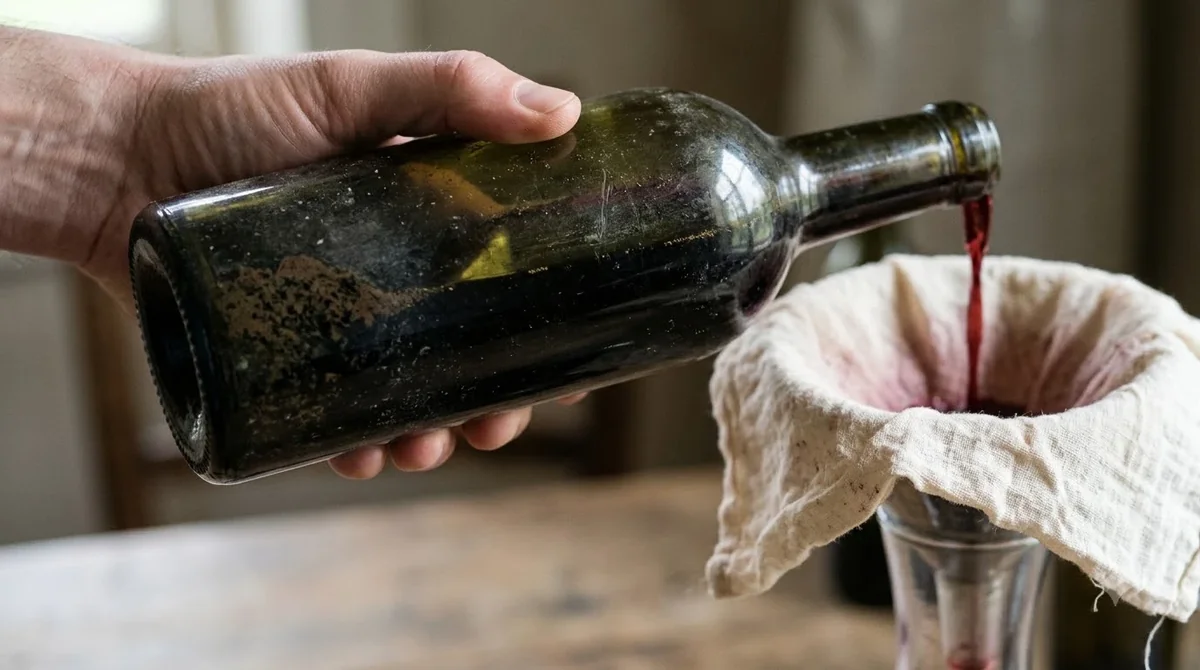
Clare Valley Riesling is generally dry, with naturally high acidity. Young examples commonly show lemon, lime, green apple and floral notes. With bottle age, some wines develop more complex aromas, including toast, honey and petrol-like characteristics associated with mature Riesling.
Ageability is an important reason collectors pay attention to the region. Well-made examples can develop over many years, although their development depends on vineyard origin, vintage conditions, winemaking and storage. Buying several bottles from one producer and opening them at different intervals can reveal how the wine changes over time.
For a first comparison, look for a Watervale Riesling and a Polish Hill River Riesling. Tasting them side by side makes it easier to recognize differences in fruit expression, acidity and mineral character without changing grape variety.
The regional character is also explained by the Clare Valley Wine and Grape Association’s overview of grape varieties and terroir, which describes the influence of ancient soils, elevation and nighttime temperature changes.
Historic Clare Valley Wineries Worth Discovering
Clare Valley has a particularly strong connection between wine production and local history. Some wineries have operated for generations, while others occupy buildings that preserve the agricultural and religious heritage of the district. Visiting these producers provides context for understanding how the region developed into one of Australia’s important fine-wine destinations.
Sevenhill Cellars
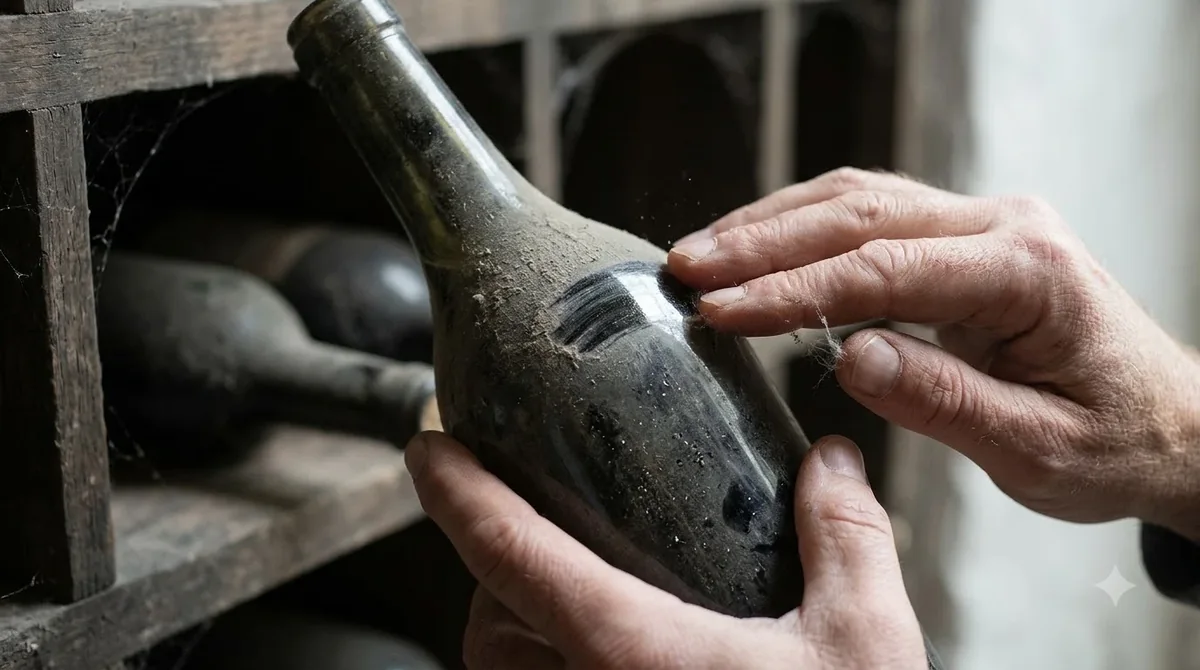
Wine Regions enthusiasts interested in Australian wine history should begin with Sevenhill Cellars. Founded by Jesuits in 1851, it was the first winery established in Clare Valley. Its original purpose was to produce sacramental wine, and that historical connection remains part of its identity.
The property is located at 111 College Road in Sevenhill. Visitors can explore the historic winery surroundings, including Saint Aloysius Church and its crypt. The combination of religious heritage, architecture and wine production makes Sevenhill different from a conventional modern tasting destination.
Sevenhill also produces a range of wines, allowing visitors to connect the region’s historical beginnings with its contemporary styles. It is an especially useful stop for travelers who want more than a brief tasting-room experience.
Wendouree
Wendouree is another historically important Clare Valley name. Its vineyard was established in 1893 by Alfred Percy Birks, and its heritage Shiraz vines remain an important part of the region’s history.
The producer is particularly associated with traditional, age-worthy red wines. Wendouree has a distinctive reputation among Australian wine collectors, although visitors should not assume that every historic producer operates a conventional public cellar door. Its significance is best understood through its vineyard history and wines.
Reillys Wines
Reillys Wines offers a different type of historical experience in Mintaro. Its cellar door and restaurant occupy a heritage slate building dating to approximately 1856. The building originally belonged to Irish shoemaker Hugh Reilly, connecting the property with the area’s nineteenth-century settlement history.
Mintaro is known for its historic streets and local slate architecture. Combining a visit to Reillys with a walk around the village provides a pleasant change of pace between winery tastings.
Knappstein Wines
Knappstein is another established Clare Valley producer with a strong connection to local history. Its cellar door is located in the heritage-listed Enterprise building at 2 Pioneer Avenue in Clare.
The location is convenient for visitors staying in the township. Knappstein’s presence in a historic industrial building demonstrates how the region’s older structures continue to serve contemporary wine tourism.
Together, Sevenhill, Wendouree, Reillys and Knappstein illustrate different aspects of Clare Valley’s history. They also demonstrate why the region offers more than a collection of tasting rooms: its wine culture is closely connected to the communities and buildings that shaped its development.
Notable Clare Valley Wineries for Riesling, Shiraz and Cabernet Sauvignon
Several producers have helped establish Clare Valley’s international reputation. Some specialize in single-vineyard Riesling, while others are recognized for Shiraz, Cabernet Sauvignon or broader regional collections. Visiting a selection of these wineries provides a useful introduction to the area’s different wine styles.
Grosset Wines
Grosset Wines is one of the region’s best-known Riesling producers. Founded by Jeffrey Grosset, the winery has become particularly associated with vineyard-specific expressions and carefully made dry whites.
Its Polish Hill Riesling is especially significant because it demonstrates the restrained, mineral character associated with that district. The wine offers an opportunity to explore the relationship between slate-rich vineyard soils and Riesling’s natural acidity.
Grosset is based in Auburn. Its wines are particularly interesting for visitors who want to compare site-specific expressions rather than simply taste several examples of the same general regional style.
Jim Barry Wines
Jim Barry Wines was founded in 1959 and has become one of Clare Valley’s prominent family producers. Its winery is located at 33 Craig Hill Road in Clare.
The producer is known for both Riesling and Shiraz. The Florita Riesling is an important wine to look for when exploring the region’s white-wine tradition, while The Armagh Shiraz represents the area’s capacity to produce concentrated, serious red wines.
Visitors interested in comparing varieties can use a tasting here to understand how the region’s climate supports both fresh, high-acid whites and structured red wines.
Pikes Wines
Pikes Wines was established in 1984 by brothers Andrew and Neil Pike. It remains family-owned and operates from the Polish Hill River area near Sevenhill.
Riesling is central to the winery’s identity, but its portfolio also includes red wines and other styles. Pikes is particularly useful for visitors seeking a broad introduction to the region’s grape varieties.
The property also has a connection with local beer production through Pikes Beer Company, providing another reason to include it in a longer regional visit.
Kilikanoon Wines
Kilikanoon is recognized for its concentrated red wines, particularly Shiraz and Grenache, alongside its Clare Valley Riesling. Its cellar door is at 30 Penna Lane in Penwortham.
The producer is an interesting stop for travelers who want to explore the region’s red-wine potential. Comparing a Shiraz with a Riesling from the same broader district can demonstrate the effects of grape variety and winemaking decisions.
Mount Horrocks Wines
Mount Horrocks is a boutique producer based at the Old Railway Station, 12 Curling Street, Auburn. It focuses on estate-grown, single-vineyard wines and has a particularly strong reputation for quality-focused production.
Its Rieslings offer another opportunity to explore the relationship between vineyard location and wine character. The producer is especially relevant to visitors who prefer smaller-scale wineries and a focused selection of regional wines.
Other producers to include
Several additional names deserve attention when planning a tasting itinerary:
- Skillogalee: Known for Riesling and other regional wines, with a restaurant and attractive cellar-door setting in the Spring Gully area.
- Taylors Wines: A three-generation family winery based at 89A Winery Road in Auburn, producing a broad collection of Australian wines.
- Mitchell Wines: Located in Penwortham and known for its regional wines and welcoming garden setting.
- Tim Adams Wines: A family-owned Clare Valley producer with a winery at 156 Warenda Road in Clare.
- Crabtree Watervale Wines: A boutique producer in the Watervale district, particularly relevant for visitors interested in Riesling.
- Paulett Wines: Located in Polish Hill River and offering a combination of regional wines and a visitor-friendly cellar-door experience.
Rather than trying to visit every famous producer, select wineries according to the styles you enjoy. Riesling-focused visitors might prioritize Grosset, Mount Horrocks and Pikes, while those interested in red wines could include Jim Barry and Kilikanoon.
Comparing Clare Valley Wine Styles and Choosing Bottles
Clare Valley’s identity is strongly associated with Riesling, but its red wines and alternative white varieties deserve attention too. Understanding the differences between the major grapes helps visitors make more informed choices at tasting counters and wine shops.
Riesling is the natural starting point. Its high acidity, aromatic intensity and ability to express individual vineyard sites make it particularly representative of the region. Dry examples are generally crisp, with citrus and green-fruit characteristics.
Shiraz is an important red variety, producing wines that can range from approachable and fruit-driven to concentrated and structured. Cabernet Sauvignon generally offers firmer tannins and darker fruit characteristics. Both varieties benefit from the region’s warm summer conditions and varied vineyard soils.
Alternative grapes provide a broader view of local experimentation. Fiano can offer textured, aromatic whites, while Pinot Gris provides another option for drinkers who prefer a less sharply acidic style. Mataro, Malbec and Tempranillo offer additional red-wine expressions.
The following table provides a practical comparison of the principal styles and their typical characteristics.
| Wine style | Typical characteristics | Acidity or tannin | Good food matches |
|---|---|---|---|
| Riesling | Lime, lemon, green apple, floral notes | High acidity | Seafood, Asian dishes, goat cheese |
| Shiraz | Dark berries, spice, pepper, plum | Medium-plus to high tannin | Grilled beef, lamb, barbecue |
| Cabernet Sauvignon | Cassis, blackcurrant, cedar, herbs | High tannin | Steak, roast beef, hard cheese |
| Pinot Gris | Pear, apple, citrus, stone fruit | Medium acidity | Chicken, seafood, vegetable dishes |
| Fiano | Stone fruit, citrus, subtle nutty notes | Medium to high acidity | Roasted chicken, shellfish, pasta |
| Tempranillo | Red fruit, savory spice, earthy notes | Medium tannin | Roasted pork, grilled vegetables |
| Malbec | Dark plum, blackberry, spice | Medium to high tannin | Beef, burgers, grilled lamb |
These are general grape-variety characteristics rather than guarantees about every bottle. Ripeness, vineyard conditions, oak treatment and winemaking decisions can change the finished wine considerably.
Serving temperature also makes a difference. Clare Valley Riesling is best served around 45–50 degrees Fahrenheit, allowing its freshness and aromatic detail to show clearly. Full-bodied Shiraz and Cabernet Sauvignon generally benefit from temperatures around 60–65 degrees Fahrenheit rather than being served excessively warm.
Food pairing is another useful way to explore the region. Riesling’s acidity makes it a natural partner for seafood, shellfish and dishes with citrus or aromatic seasoning. Shiraz and Cabernet Sauvignon are better suited to grilled meats, roasted vegetables and richer dishes.
For additional pairing ideas, compare these regional wines with the styles discussed in our article on clare valley wine. Looking at the grape variety, acidity and structure together provides a more reliable starting point than choosing a bottle based only on its label.
Planning a Clare Valley Winery Visit and Tasting Itinerary
A successful Clare Valley winery visit requires a little planning because the region’s cellar doors are spread across several towns and vineyard districts. Starting in Adelaide, allowing approximately two hours for the drive and organizing tastings by location will help make the day more enjoyable.
Many visitors begin in Auburn, the southern gateway to the region. Grosset and Mount Horrocks are important names to investigate here, while Taylors provides another established winery experience. Auburn is also a convenient starting point for exploring the Riesling Trail.
From Auburn, visitors can continue toward Watervale and Leasingham. This area is particularly useful for Riesling enthusiasts interested in comparing different producers and vineyard expressions. Crabtree Watervale and other smaller producers provide opportunities to explore wines beyond the best-known labels.
Sevenhill and Penwortham form another productive tasting area. Sevenhill Cellars provides the historic connection, while Pikes, Kilikanoon and Mitchell offer opportunities to explore different wine styles. Skillogalee is another option for visitors interested in combining wine with a meal.
Clare itself is a convenient base for accommodation and dining. Jim Barry, Tim Adams and Knappstein are among the established producers associated with the township and surrounding vineyards.
A practical two-day itinerary
A two-day visit provides enough time to compare the major districts without turning the trip into a rushed sequence of tastings.
Day one: Auburn, Watervale and Clare. Start in Auburn with a morning tasting, then continue toward Watervale for a comparison of Riesling styles. After lunch, visit a producer in or near Clare and spend the evening enjoying the town’s restaurants and accommodation.
Day two: Sevenhill, Penwortham and Polish Hill River. Begin with Sevenhill Cellars and its historic buildings. Continue to Pikes or Kilikanoon, then explore another winery in Polish Hill River. Finish with a relaxed lunch or a visit to Mintaro before returning to your accommodation.
Keep the number of winery appointments manageable. Three or four well-planned stops in a day are generally more enjoyable than trying to squeeze in six or seven. Tastings take time, and some cellar doors offer additional experiences or food that deserve more than a short visit.
Reservations and opening hours
Some larger wineries offer regular public tasting hours, while smaller producers may operate only on selected days or by appointment. Check individual winery websites before traveling, especially if visiting outside the main tourism periods.
Advance booking is sensible for structured tastings, winery lunches and special experiences. It is also helpful for groups, since some tasting rooms have limited capacity.
Travelers should arrange a designated driver, private transfer or organized wine tour if they plan to visit multiple wineries. Tasting portions can add up over the course of a day, so responsible transport should be part of the itinerary from the beginning.
The Riesling Trail, Local Food and Other Experiences
Clare Valley offers more than cellar-door tastings. Its combination of vineyard scenery, historic villages, restaurants and cycling routes makes it an appealing destination for visitors who want to spend time outdoors between winery visits.
The Riesling Trail is one of the area’s best-known attractions. It connects Auburn with Clare and extends north toward Barinia, providing a route through vineyard landscapes and rural communities. The trail is suitable for walking and cycling, with several opportunities to plan shorter journeys.
Bike hire is available through regional operators, some of which provide pickup and drop-off assistance. This makes it possible to explore a section of the trail without committing to the entire route. The experience is particularly enjoyable for visitors who want to appreciate the landscape at a slower pace.
Wine tourism and local food are closely connected in Clare Valley. Skillogalee is known for combining wine with a restaurant experience, while Reillys offers a heritage setting in Mintaro. Mr. Mick Cellar Door and Kitchen is another option in Clare for visitors looking for food alongside regional wines.
Local restaurants and accommodation providers also make it easier to plan an overnight stay. Rather than driving back to Adelaide immediately after a full day of tastings, visitors can spend an evening in the region and explore another district the following morning.
History enthusiasts should include Mintaro in their itinerary. The village is known for its heritage-listed character and historic slate buildings. Martindale Hall, a grand mansion dating to 1879, is another notable attraction in the area.
Sevenhill provides another important historical experience through its church and crypt. These attractions help explain the connection between early European settlement, religious communities and the development of wine production in the district.
For visitors interested in extending their journey, Burra is approximately 30 minutes northeast of Clare by car. Its mining heritage and historic buildings provide a different perspective on South Australia’s regional development.
The most enjoyable trips balance wine tasting with these other activities. A morning cycle, a relaxed lunch, an afternoon cellar-door visit and an evening in a local village can provide a fuller understanding of the region than a day spent moving continuously between tasting counters.
Frequently Asked Questions
Are Clare Valley wineries suitable for beginners?
Yes. Many producers offer introductory tastings that explain the region’s main grape varieties and wine styles. Beginners can start with a dry Riesling, a Shiraz and a Cabernet Sauvignon to understand the area’s principal strengths. Staff at smaller cellar doors can often explain the differences between individual vineyard sites.
Can Clare Valley Riesling develop bottle-aged characteristics?
Yes. Mature Clare Valley Riesling can develop distinctive toast, honey and kerosene-like aromas while retaining refreshing acidity. The appearance can also change from pale lemon toward deeper golden shades. These developments are particularly interesting when comparing younger and older bottles from the same producer.
What is the significance of screwcap closures in Clare Valley?
Clare Valley played an important role in the Australian adoption of screwcap closures for premium Riesling. In 2000, a group of 13 regional winemakers led by Jeffrey Grosset championed their use for top-quality wines. This helped demonstrate that screwcaps could preserve freshness while allowing suitable wines to mature in the bottle.
Are Clare Valley wines available outside Australia?
Yes. Several established producers export their wines to international markets, including the United States. Availability varies by producer, importer and vintage. Specialist Australian wine retailers and restaurants with international wine lists are useful places to look for bottles from producers such as Grosset, Jim Barry and Pikes.
Is Clare Valley an official appellation with legally defined subregions?
Clare Valley is a recognized Australian wine geographical indication, but the commonly discussed areas such as Watervale, Auburn, Sevenhill and Polish Hill River are not separate official subregions. These local names are nevertheless useful for understanding vineyard geography and regional wine styles. Producers frequently identify individual vineyard locations on their labels to communicate those differences.
Clare Valley wineries offer an impressive combination of historic wine culture, distinctive vineyard expressions and welcoming regional hospitality. Start with the area’s celebrated Riesling, compare its Shiraz and Cabernet Sauvignon, and allow time to explore the villages and cycling trails between cellar doors. Whether you are planning a South Australian wine-country trip or searching for distinctive Australian bottles at home, Clare Valley is a region well worth discovering.
More in Wine Regions
 Willcox Wine Trail: Discover Arizona’s High-Elevation Wine CountryUpdated Nov 20, 2026
 Yakima Valley Wine Region: Find the Best Styles to TryUpdated Nov 20, 2026
 Vosne Romanee Wine Tasting: Identify Aromas and Choose Better PairingsUpdated Nov 20, 2026
 Yakima Valley Wine Festival: Find the Best Seasonal Wine EventsUpdated Nov 20, 2026
 Wales Vineyards: Discover Cool-Climate Wines and Where to VisitUpdated Nov 20, 2026
 Yountville Wine Festival: Discover Napa Wines and Local FoodUpdated Nov 20, 2026