

We may earn a commission when you buy through links on this page, at no extra cost to you. Learn more.
Clare valley wine tasting is an opportunity to discover Australia’s distinctive Riesling, expressive Shiraz, and characterful Cabernet Sauvignon at welcoming cellar doors across South Australia’s Clare Valley. The region is particularly famous for dry, citrus-driven Riesling, with differences between vineyard sites creating noticeably different expressions of the grape. Visitors can also explore historic wineries, sample alternative varieties, enjoy regional food, and compare wines from several distinct areas.
Located north of Adelaide, Clare Valley offers a rewarding wine-country experience with a combination of elevated vineyards, cool nights, varied soils, and established wineries. Its reputation rests largely on Riesling, but the region’s structured red wines and increasingly diverse grape varieties make it interesting for a much wider audience. Whether you are planning an afternoon of tastings or a longer regional getaway, knowing which wines and cellar doors to prioritize will help you make the most of your visit.
Understanding Clare Valley’s Wine Identity
Clare Valley is best known for Riesling, but its identity extends well beyond this celebrated white grape. The region also produces substantial quantities of Shiraz and Cabernet Sauvignon, with smaller plantings of alternative varieties adding diversity to the tasting experience.
Wine Australia identifies the Clare Valley as a geographical indication region covering approximately 680 square kilometers, with 5,093 hectares of vineyards. Vineyard elevations range from 190 to 609 meters above sea level, creating different growing conditions across the valley. These variations help explain why wines made from the same grape can show noticeably different aromas, textures, and structures depending on their vineyard origins.
Riesling, Shiraz, and Cabernet Sauvignon are the three principal varieties. The Clare Valley Wine and Grape Association reports that these grapes together account for nearly 80% of regional wine production. Their contrasting characteristics provide a useful introduction to the area’s wines.
Riesling is generally dry, refreshing, and strongly influenced by natural acidity. Shiraz offers fuller body, ripe dark fruit, and savory spice, while Cabernet Sauvignon typically brings darker fruit flavors and firmer tannins. These differences provide a useful framework for tasting across several wineries.
The region also has an established tradition of experimentation. Sangiovese, Tempranillo, and Assyrtiko are among the alternative varieties identified by the regional association. These wines can offer an interesting comparison with the more familiar regional styles, particularly for visitors who already know Australian Shiraz and Riesling.
For visitors exploring Australian wine more broadly, comparing Clare Valley with other established regions is worthwhile. The area’s high-acid Riesling tradition provides a useful contrast with the wines discussed in our guides to Clare Valley wine and Hunter Valley wine tasting.
Climate, Elevation, and Soil Shape the Wines
Clare Valley’s distinctive wines reflect the relationship between warm growing conditions, substantial nighttime cooling, vineyard elevation, and varied geological formations. These factors are particularly important for Riesling, helping preserve acidity while allowing grapes to develop ripe varietal flavors.
Wine Australia describes the region as having warm to hot summers, with cooling afternoon breezes helping slow the ripening process. Its regional information records a January mean temperature of 22.3 degrees Celsius and growing-season rainfall of 232 millimeters. The considerable difference between daytime and nighttime temperatures is another important feature of the local climate.
Cool nights help preserve natural grape acidity, an especially valuable characteristic for Riesling. This balance between ripe fruit and refreshing acidity explains why Clare Valley wines can taste concentrated without necessarily feeling heavy or broad.
Soil differences are equally important. Wine Australia identifies 11 recognized soil types across the region, with broken slate particularly associated with Polish Hill River and limestone in the subsoil characteristic of Watervale.
Watervale and Polish Hill River
Watervale is associated with terra rossa red topsoil over limestone. Its Rieslings are frequently recognized for generous citrus character, including lime and lemon, alongside a balanced structure. The area’s combination of soil and vineyard conditions gives its wines a distinctive regional identity.
Polish Hill River offers a different expression. Its broken slate soils and vineyard conditions are associated with tighter, more restrained Rieslings, particularly when the wines are young. Mineral impressions, concentrated acidity, and a firm structure can distinguish these bottlings from their Watervale counterparts.
These are useful general patterns rather than absolute rules. Individual vineyards, vintage conditions, harvesting decisions, and winemaking methods can influence the final wine as much as the broader area.
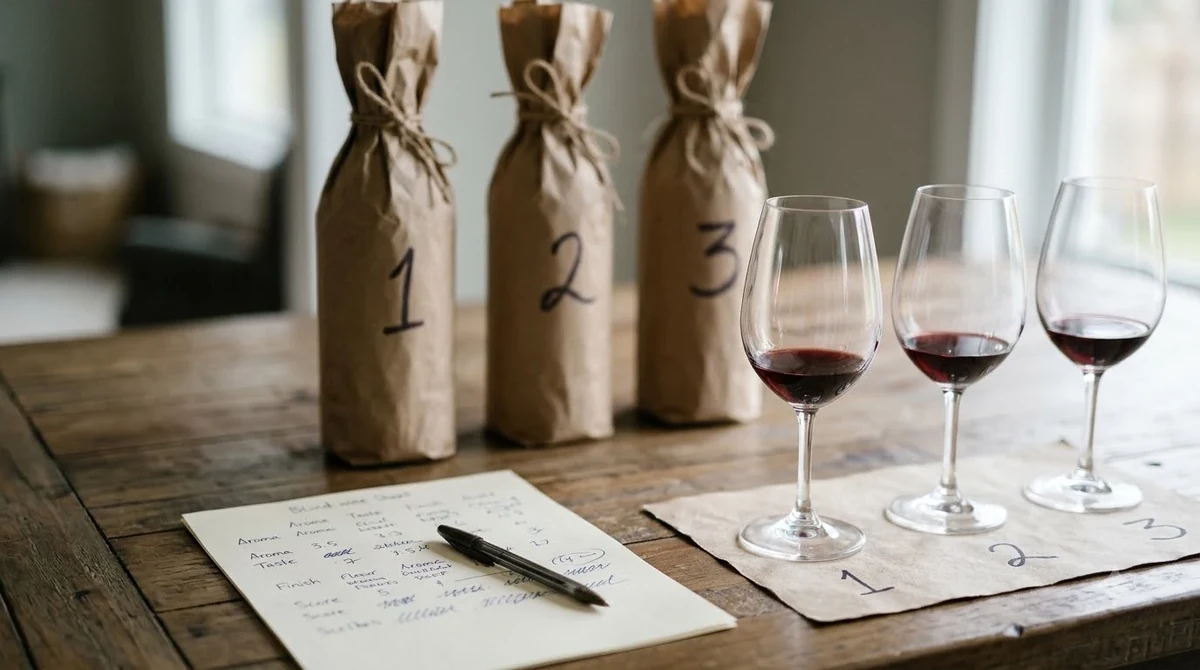
A particularly useful tasting exercise is to compare two Rieslings from the same vintage, one from Watervale and another from Polish Hill River. Pay attention to the intensity of lime, the impression of acidity, the texture through the middle of the palate, and the length of the finish. This comparison often makes the influence of vineyard origin easier to understand.
For a deeper look at the grape itself, Wine Australia’s Riesling regional and variety information explains how Clare Valley and Eden Valley contribute different expressions to Australia’s Riesling reputation.
Riesling, Shiraz, and Cabernet Sauvignon to Taste
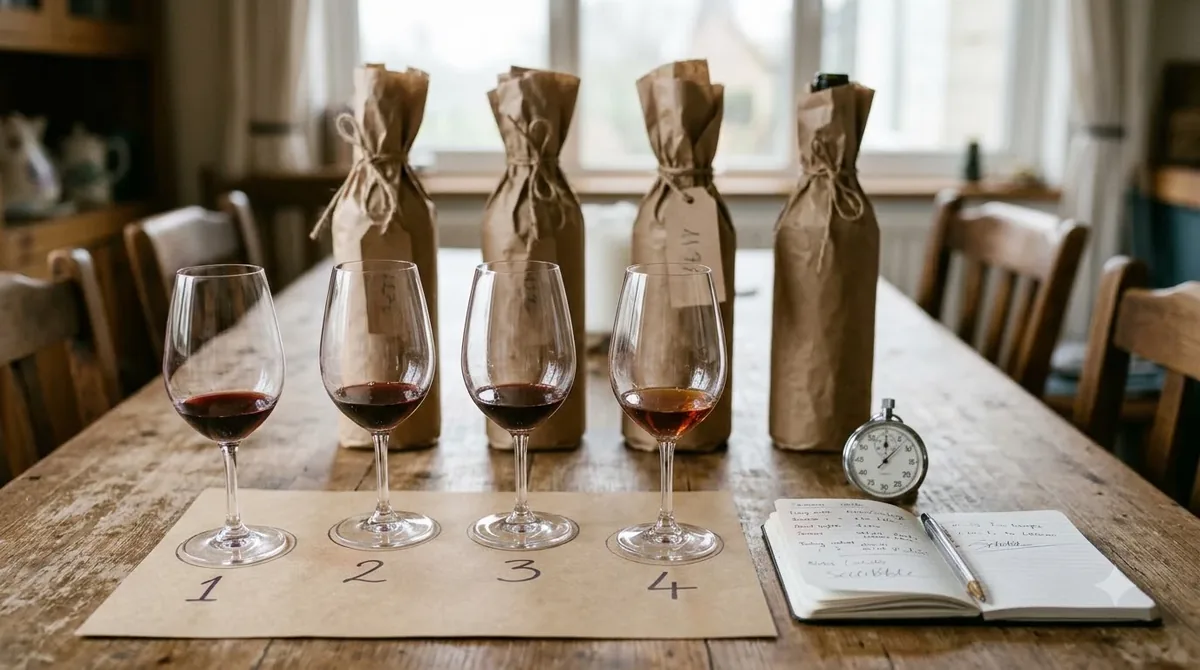
The most informative Clare Valley tasting includes at least three different wines: a dry Riesling, a regional Shiraz, and a Cabernet Sauvignon. Together, they demonstrate the range of styles that have made the region important in Australian wine.
Riesling: The Essential Regional Experience
Clare Valley Riesling is generally dry, high in acidity, and recognizable for its lime, citrus, and mineral characteristics. Young examples can seem restrained or austere, particularly when compared with more aromatic or immediately approachable white wines.
With bottle age, the style develops additional complexity. Citrus flavors can become more integrated, while mature wines may show toast-like and honeyed characteristics. Wine Australia reports that many Clare Valley Rieslings benefit from five to seven years of bottle aging and can evolve for decades.
The region accounts for approximately 20% of Australia’s total Riesling crush, making it an especially important destination for enthusiasts of this variety. A tasting that includes both a young Riesling and a mature bottle can demonstrate how acidity supports long-term development.
Shiraz: Dark Fruit and Savory Spice
Clare Valley Shiraz offers a fuller-bodied alternative to the region’s crisp whites. Typical examples display ripe blackberry, dark plum, spice, and mint, supported by moderate to substantial tannin.
The wines can be powerful without losing their freshness. The region’s temperature variations help maintain acidity, balancing ripe fruit with a more structured finish. Some examples emphasize concentrated fruit, while others highlight savory characteristics and oak-derived complexity.
During a tasting, notice whether the wine feels particularly fruit-driven or whether pepper, herbs, and earthy notes become more prominent as it opens in the glass. Comparing two producers’ Shiraz wines from the same general area can also reveal differences in ripeness, oak treatment, and extraction.
Cabernet Sauvignon: Structure and Dark Fruit
Clare Valley Cabernet Sauvignon commonly displays blackcurrant, blackberry, and other dark-fruit characteristics, accompanied by firm but polished tannins. Some examples are blended with Shiraz and occasionally a smaller proportion of Malbec.
Compared with Riesling, Cabernet Sauvignon is more structured and requires different food pairings. Its tannins work particularly well alongside protein-rich dishes and foods containing fat, which soften the wine’s drying sensation.
These three varieties make a useful tasting sequence. Begin with Riesling, move to Shiraz, and finish with Cabernet Sauvignon. Moving from lighter to fuller-bodied wines helps preserve your ability to notice the subtler characteristics of each glass.
Cellar Doors and Wineries Worth Including
Clare Valley has more than 30 cellar doors, ranging from established wineries with extensive tasting programs to smaller producers offering more intimate experiences. A good itinerary combines different locations and wine styles rather than attempting to visit every available winery.
Several producers provide useful starting points for understanding the region’s character.
Pikes Wines
Pikes Wines is located at 233 Polish Hill Road in Sevenhill, within the Polish Hill River area. Its tasting room offers seated experiences featuring the Traditionale Riesling followed by four additional wines selected by visitors.
According to the winery’s visitor information, tastings are available daily from 10 a.m. to 4 p.m. and last approximately 45 minutes. The winery recommends booking ahead, although walk-ins may be accommodated when space is available.
The estate also offers Slate Restaurant and Pikes Beer Co., making it a convenient destination for visitors who want to combine wine tasting with a meal or another beverage experience. The official Pikes tasting-room information provides details about its tasting format, opening hours, reservations, and on-site facilities.
Grosset Wines
Grosset is a recognized Clare Valley producer associated with high-quality Riesling. Its wines provide an opportunity to investigate how individual vineyard sites and winemaking decisions influence the variety’s character.
For Riesling enthusiasts, comparing different site expressions is particularly valuable. Consider asking about differences between Watervale and Polish Hill River fruit, vineyard characteristics, and the potential for bottle aging. A comparison of younger and older wines can also demonstrate how the region’s natural acidity contributes to development.
Jim Barry Wines
Jim Barry Wines is another established regional name. Its range provides an opportunity to explore the relationship between Riesling, Shiraz, and other regional varieties.
Visitors interested in learning about Clare Valley beyond its best-known white wine can use a tasting here to investigate the region’s red-wine styles and the influence of different vineyard conditions. Comparing a Riesling with a structured red can also help clarify the region’s broader identity.
Sevenhill Cellars
Sevenhill Cellars provides an important historical perspective on the region. Founded by Jesuits in 1851, it remains closely associated with Clare Valley’s early winemaking history.
Its historic setting offers a different experience from a modern tasting room. Visitors interested in the connection between wine, regional settlement, and religious heritage can make it an important part of their itinerary. The location also makes it convenient to combine a historical visit with nearby winery appointments.
Other producers worth investigating include Kilikanoon, Skillogalee, Reillys, Mount Horrocks, and Tim Adams. Each offers another opportunity to understand the diversity of Clare Valley wines, from aromatic whites to concentrated reds.
Tip: Choose three or four cellar doors for a relaxed day rather than trying to visit every winery on your list. Book appointment-based tastings ahead of time, allow approximately 45 minutes to an hour at each stop, and leave room for lunch and travel between locations.
Planning Your Tasting Route and Choosing the Best Season
A successful Clare Valley wine trip benefits from geographical planning. The region extends across several towns and vineyard areas, so grouping wineries by location can reduce unnecessary driving and leave more time for tasting.
Clare Valley is approximately 142 kilometers north of Adelaide, making it practical to visit as part of a South Australian holiday. Visitors arriving by air can fly into Adelaide Airport and arrange a rental car before heading north.
There are several practical ways to explore the region. Driving provides flexibility, private tours remove the need for a designated driver, and cycling offers an alternative for visitors interested in the scenic Riesling Trail. Taxis and coaches can also be considered, although transport should be arranged in advance rather than assumed to be available between every cellar door.
A Practical One-Day Itinerary
A first-time visitor can organize a day around three main tasting areas:
Morning: Watervale and Auburn. Begin with Riesling in the southern part of the region. Compare wines from different producers and pay particular attention to the balance between citrus intensity and acidity. This is a useful opportunity to understand the Watervale style.
Midday: Polish Hill River and Sevenhill. Continue toward Polish Hill River to explore slate-influenced Rieslings. Include a stop at Pikes Wines if its tasting program fits your schedule. Allow time for lunch or a relaxed break before continuing.
Afternoon: Clare and surrounding areas. Finish with a fuller-bodied Shiraz or Cabernet Sauvignon. A visit to a historic winery such as Sevenhill Cellars can provide a useful contrast to the smaller, contemporary tasting experiences encountered earlier.
This route is a suggested framework rather than a fixed schedule. Actual driving times depend on the wineries selected, road conditions, and the length of each tasting. Check appointment availability before setting out, particularly if you are visiting on a weekend or during a regional event.
When to Visit
Spring and autumn are particularly attractive seasons for visiting. September through November brings fresh vineyard growth and pleasant conditions for exploring local trails. March through May offers a different atmosphere, with harvest activity and changing vineyard colors contributing to the experience.
May is also associated with Clare Valley Gourmet Week, a notable regional event combining wine and food. Visitors planning around this event should arrange accommodation and tasting appointments early, as popular experiences can become busy.
Summer, from December through February, can bring hot weather, so morning tastings and planned transport are particularly useful. Winter, from June through August, is generally quieter and offers a different atmosphere, especially for visitors interested in relaxed cellar-door experiences and local dining.
| Planning factor | Typical detail | Practical advice |
|---|---|---|
| Distance from Adelaide | Approximately 142 km | Allow around 2 hours by car. |
| Suggested cellar doors | 3–4 per day | Leave time for lunch and travel. |
| Individual tasting | About 45–60 minutes | Confirm the duration when booking. |
| Spring | September–November | Enjoy vineyard scenery and outdoor activities. |
| Summer | December–February | Prioritize morning appointments. |
| Autumn | March–May | Consider harvest-season experiences. |
| Winter | June–August | Look for quieter cellar-door visits. |
| Recommended wine pour | 5 oz | Use smaller comparison pours during tastings. |
How to Taste Clare Valley Wine and Pair It With Food
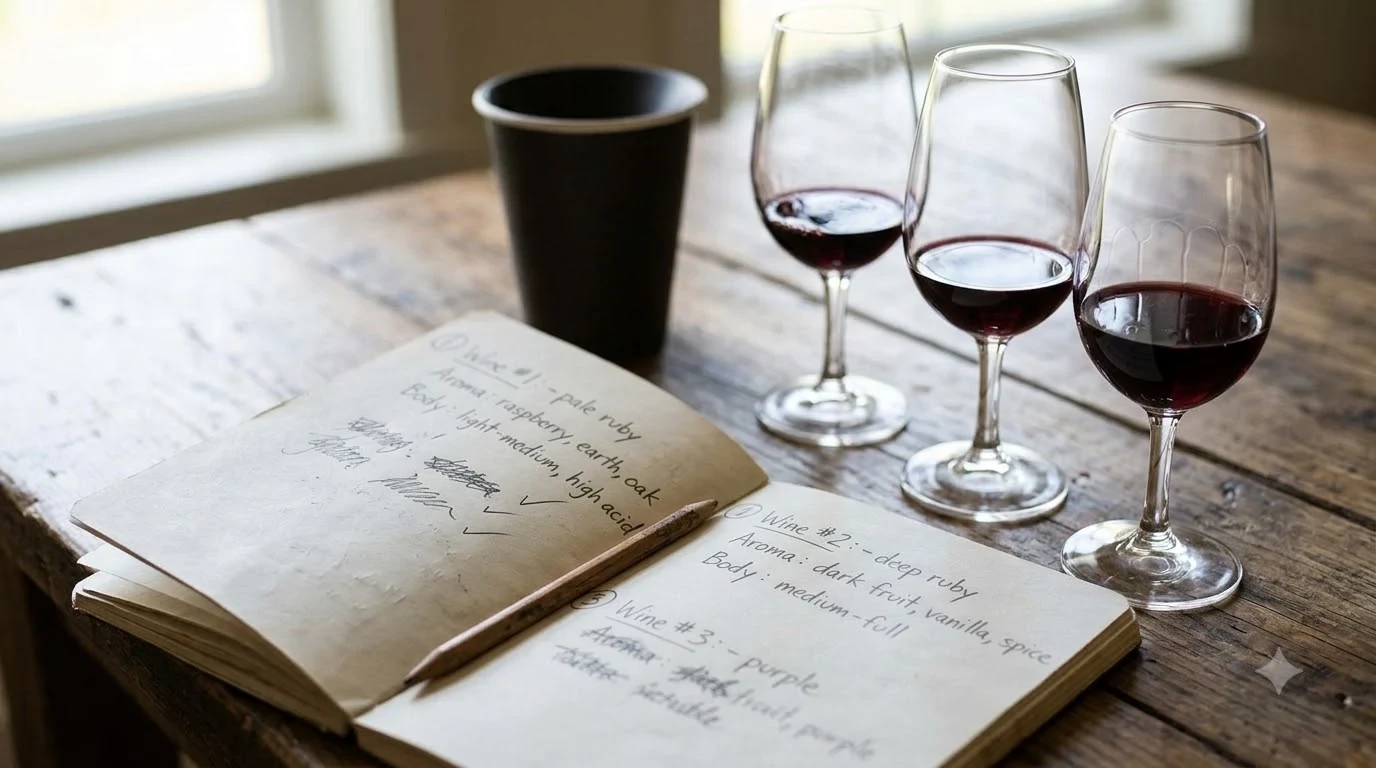
Understanding a few basic tasting principles makes it easier to compare Clare Valley wines. Pay attention to acidity, body, tannin, fruit intensity, and finish, rather than concentrating only on whether you like a particular aroma.
Begin by looking at the wine’s appearance. Riesling generally ranges from pale straw to deeper golden shades as it ages. Shiraz and Cabernet Sauvignon typically display deeper ruby or garnet colors, with mature examples sometimes showing more developed tones.
Next, smell the wine before tasting. Clare Valley Riesling may reveal lime, lemon, citrus blossom, and mineral impressions. Shiraz commonly shows blackberry, dark plum, spice, and mint. Cabernet Sauvignon can suggest blackcurrant, blackberry, and savory herbal notes.
On the palate, Riesling’s acidity should be especially noticeable. Consider how the freshness balances the fruit and how long the citrus flavors remain after swallowing. For Shiraz and Cabernet Sauvignon, focus on the relationship between fruit concentration, tannin, and acidity.
Regional Food Pairings
Clare Valley Riesling is particularly versatile with food. Its high acidity works well with seafood, grilled fish, fresh salads, and dishes featuring citrus or herbs. It also provides a useful contrast to rich or creamy foods because the acidity refreshes the palate.
For Shiraz, consider grilled lamb, beef, roasted vegetables, and dishes featuring black pepper or rosemary. The wine’s fuller body and dark-fruit profile can stand up to stronger flavors. Its spice character can complement savory seasonings without requiring an especially elaborate dish.
Cabernet Sauvignon pairs well with steak, slow-cooked beef, and aged hard cheeses. Protein and fat soften the perception of tannin, making structured reds more harmonious with substantial dishes. A grilled rib-eye or slow-cooked beef preparation provides a particularly suitable match.
Sweetness and acidity require particular attention when selecting pairings. A wine should generally be at least as sweet as the dessert served with it, while acidic foods are best matched with wines of equal or higher acidity. Chili heat can become more pronounced alongside wines with substantial alcohol and tannin, so a full-bodied, high-alcohol red may not be the best choice for particularly hot dishes.
Oily fish also requires some care. The tannins in Cabernet Sauvignon and Shiraz can clash with the texture of oily fish, making a crisp, high-acid Riesling a more suitable choice for salmon, sardines, and similar dishes.
Serving Temperatures
Serving temperature has a significant effect on how wine tastes. Clare Valley Riesling is generally best served chilled but not excessively cold, while fuller-bodied reds benefit from slightly cooler conditions than a warm room.
For a practical tasting, use approximately 45–50 degrees Fahrenheit for light white wines, 50–55 degrees Fahrenheit for fuller-bodied whites, and 60–65 degrees Fahrenheit for full-bodied reds. Light reds are generally best around 55–60 degrees Fahrenheit.
Pouring approximately 5 ounces is a useful standard for a normal glass of wine, although smaller pours are appropriate when comparing several wines during a tasting. A standard 750-milliliter bottle contains approximately five such servings.
If you purchase a bottle of Clare Valley Riesling, proper storage can help preserve its character. Keep bottles on their sides in a cool, dark place near 55 degrees Fahrenheit, away from significant temperature fluctuations. Once opened, refrigerate still wines and generally aim to enjoy them within three to five days.
For young, full-bodied reds, allowing approximately 30–60 minutes of decanting can help the wine open up. This is particularly useful when comparing structured Shiraz and Cabernet Sauvignon with the lighter, more aromatic Rieslings that define the region.
Frequently Asked Questions
Is Clare Valley Riesling always completely dry?
No. Although dry Riesling is the region’s signature style, individual producers can make wines with different levels of residual sugar. Australian winemakers also produce off-dry and sweeter Riesling expressions. Some producers experiment with extended skin contact and lees aging to create additional texture rather than relying only on sweetness to change the style.
Can Clare Valley wine be purchased outside Australia?
Yes. Clare Valley wines are exported to international markets, including the United States. Availability varies by producer, importer, and vintage. Some producers have international distribution arrangements, while smaller wineries may have more limited export availability.
What is the difference between Clare Valley and Eden Valley Riesling?
Both are important South Australian Riesling regions, but their wines can show different expressions of acidity, fruit, and texture. Eden Valley is part of the Barossa Zone and has higher-altitude vineyard sites. Its Rieslings commonly display lemon and lime character with a steely finish, while Clare Valley is particularly associated with concentrated lime flavors and the influence of slate and limestone soils.
Does Clare Valley produce sparkling wine?
Yes. Although still Riesling and red wines dominate the region’s reputation, Clare Valley producers can also make sparkling wines. Sparkling Riesling is an interesting style to investigate because it combines the grape’s natural acidity with the freshness and texture of carbonation. Traditional-method sparkling wines undergo their second fermentation in the bottle.
What is the Riesling Trail in Clare Valley?
The Riesling Trail is a recreational cycling and walking route following a former railway corridor through the wine region. It connects several communities and passes vineyards, countryside, and local points of interest. It is a useful alternative for visitors who want to experience the landscape without spending the entire trip inside a car.
Clare Valley offers much more than an opportunity to sample Australia’s celebrated Riesling. Its contrasting vineyard sites, historic wineries, distinctive Shiraz, and growing range of alternative varieties make it a rewarding destination for wine enthusiasts at every experience level. Plan a few well-chosen cellar-door visits, compare wines from different areas, and leave enough time to enjoy the food and scenery that make this South Australian wine region memorable.
More in Wine Regions
 Willcox Wine Trail: Discover Arizona’s High-Elevation Wine CountryUpdated Nov 20, 2026
 Yakima Valley Wine Region: Find the Best Styles to TryUpdated Nov 20, 2026
 Vosne Romanee Wine Tasting: Identify Aromas and Choose Better PairingsUpdated Nov 20, 2026
 Yakima Valley Wine Festival: Find the Best Seasonal Wine EventsUpdated Nov 20, 2026
 Wales Vineyards: Discover Cool-Climate Wines and Where to VisitUpdated Nov 20, 2026
 Yountville Wine Festival: Discover Napa Wines and Local FoodUpdated Nov 20, 2026