

We may earn a commission when you buy through links on this page, at no extra cost to you. Learn more.
Chloe Wine Price typically ranges from about $11 to $14 for a 750 ml bottle of still wine and approximately $12 to $17 for Chloe Prosecco, depending on the retailer and variety. Chloe Wine Collection offers approachable red, white, rosé, and sparkling wines, including Pinot Grigio, Sauvignon Blanc, Chardonnay, Pinot Noir, Cabernet Sauvignon, Merlot, and Prosecco. Comparing bottle styles, retailer listings, and the occasion helps shoppers find a suitable Chloe wine without paying more than necessary. These price ranges are useful shopping estimates rather than guaranteed prices.
Chloe Wine Collection is an accessible option for shoppers who want recognizable grape varieties and straightforward flavor profiles. Its selection covers crisp whites, fruit-forward reds, refreshing rosé, and sparkling Prosecco, making it possible to choose different styles within one collection. However, the price of a bottle depends on its variety, retailer, location, and availability. Understanding the differences between the wines makes it easier to compare prices and decide which bottle offers the right combination of flavor and value.
Who Should Consider Chloe Wine and Its Price Range?
Chloe Wine is worth considering for shoppers looking for familiar wine varieties at accessible retail prices. Most standard 750 ml bottles fall into an approximate $11 to $14 range, while sparkling Prosecco can cost somewhat more depending on the retailer.
The collection covers several common drinking occasions. Pinot Grigio and Sauvignon Blanc suit shoppers who prefer refreshing white wines, while Chardonnay offers a richer style. Pinot Noir and Merlot provide softer red-wine options, whereas Cabernet Sauvignon is a better fit for people who enjoy more structured reds. Rosé and Prosecco offer alternatives for casual gatherings, celebrations, and lighter meals.
Shoppers comparing Chloe Wine Price should consider the difference between an everyday bottle and a wine selected for a particular meal or occasion. Paying slightly more for sparkling wine may make sense when bubbles are important, but there is little reason to choose a higher-priced variety simply because it costs more. The grape, flavor profile, and intended serving situation should guide the decision.
Chloe can also suit people who want to explore several grape varieties without moving between unrelated brands. Its portfolio includes both familiar international varieties and wines with different flavor profiles. The producer describes Pinot Grigio through peach, melon, and apple notes, while its Sauvignon Blanc emphasizes citrus, lychee, and pineapple. These descriptions provide a practical starting point for choosing between the two.
It is also useful for shoppers who prefer a recognizable bottle size. Liquor Warehouse lists nine Chloe products in 750 ml bottles, including four white wines, four red wines, and one sparkling wine in its displayed selection. That format makes price comparisons relatively straightforward because shoppers are comparing the same standard bottle volume.
People seeking rare collectible wines, highly specialized regional bottlings, or extensive vintage selections may need to look beyond this collection. Chloe’s main appeal is its accessible selection of familiar styles rather than an extensive range of limited-production wines.
Key Factors to Compare When Checking Chloe Wine Price
The most useful comparisons involve wine variety, bottle size, retailer pricing, and the difference between still and sparkling wine. Comparing these factors helps shoppers understand why two Chloe bottles may have different shelf prices.
Retailer listings reviewed for this guide support an approximate $11 to $14 range for many standard Chloe still wines. Target’s displayed selection and Liquor Warehouse’s brand listings show that the same collection can appear at different prices depending on the store and product. Chloe Prosecco generally occupies a higher approximate $12 to $17 range across the reviewed listings. Prices vary by state and retailer.
| Wine or category | Typical US retail range | What to expect |
|---|---|---|
| Chloe Pinot Grigio | About $11–$13 | Peach, melon, and crisp apple |
| Chloe Sauvignon Blanc | About $12–$14 | Citrus, lychee, and pineapple |
| Chloe Chardonnay | About $11–$14 | Apple, pear, butter, and vanilla |
| Chloe Pinot Noir | About $12–$14 | Strawberry, plum, and cherry |
| Chloe Cabernet Sauvignon | About $12–$14 | Black cherry, chocolate, and coffee |
| Chloe Merlot | About $12–$14 | Blackberry, mocha, and spice |
| Chloe Rosé | About $11–$14 | Strawberry, raspberry, and watermelon |
| Chloe Prosecco | About $12–$17 | Peach, green apple, and citrus |
These are approximate comparison ranges based on the reviewed retailer listings from Liquor Warehouse and Target, not fixed manufacturer prices. Individual stores may list different prices, and local taxes, distribution costs, availability, and regional alcohol regulations can affect the final amount. Prices vary by state and retailer. For the underlying selection, see the Liquor Warehouse Chloe wine listings.
Bottle size is another important consideration. The standard 750 ml bottle is the most useful reference point because it allows direct comparisons across the collection. A larger or smaller format, where available, should not be compared solely by its total shelf price. Calculate the equivalent price per 750 ml before deciding which option represents better value.
Wine style also affects how useful a bottle will be. A shopper who wants a crisp wine for seafood may get more enjoyment from Pinot Grigio than from a richer Chardonnay, even if their prices are similar. Likewise, someone planning a celebration may prefer Prosecco because it provides carbonation that a still white wine cannot offer.
Finally, consider availability. A particular Chloe variety may be listed by one retailer but unavailable in another state. The official Chloe website provides a product overview and retailer-finding options, which can help shoppers identify the appropriate shopping route rather than relying on an outdated store listing.
Step-by-Step: How to Find the Right Chloe Bottle
A simple comparison process makes buying Chloe wine easier. Start with the desired style, compare the standard bottle size, review retailer ranges, and then select the bottle that suits the meal or occasion.
-
Decide whether you want red, white, rosé, or sparkling wine.
This first choice narrows the collection considerably. Pinot Grigio, Sauvignon Blanc, and Chardonnay are white options; Pinot Noir, Cabernet Sauvignon, and Merlot are reds; Rosé provides a pink wine style; and Prosecco is the sparkling option.
-
Choose a grape variety based on flavor preference.
For a light, refreshing white, consider Pinot Grigio. For stronger citrus character, consider Sauvignon Blanc. Chardonnay is more suitable for someone who prefers apple, pear, butter, and vanilla notes. Red-wine shoppers can compare the softer character of Merlot with the more structured Cabernet Sauvignon.
-
Set a reasonable bottle budget.
Use approximately $11 to $14 as a starting range for standard still wines and approximately $12 to $17 for Prosecco, based on the reviewed US retailer listings. This is a comparison framework, not a guarantee that every store will carry every variety within those ranges.
-
Compare the same bottle volume.
Use 750 ml as the standard comparison size. If a retailer displays a different bottle format, calculate the equivalent cost before deciding which listing is more economical.
-
Consider the food or occasion.
Match acidity and body to the meal. Sauvignon Blanc works well with acidic seafood preparations, while Pinot Noir is generally a more suitable red for salmon than a strongly tannic Cabernet Sauvignon. Prosecco is useful for celebrations and appetizers.
-
Compare retailer listings.
Look at the total bottle cost, product availability, pickup or delivery options, and any additional charges. A store listing is a snapshot of its own inventory and does not establish a universal price for the brand.
-
Choose the bottle that matches your priorities.
Do not automatically select the most expensive variety. A well-matched Pinot Grigio can be a more satisfying purchase than Prosecco or Chardonnay if the intended occasion calls for a crisp, uncomplicated white wine.
Tip: Compare Chloe wines by both grape variety and bottle volume. A 750 ml Pinot Grigio and a 750 ml Sauvignon Blanc provide a fairer price comparison than bottles of different sizes, while Prosecco should be evaluated separately because it is sparkling wine.
Following these steps also helps prevent unnecessary purchases. Someone buying wine for a seafood dinner has different priorities from someone preparing a celebration toast. Selecting the wine style first keeps the price comparison focused on bottles that actually fit the occasion.
Chloe Wine Types and Flavor Profiles Explained
Chloe’s collection includes several recognizable wine styles, each with a different flavor profile and food-pairing potential. Understanding these differences is more useful than choosing a bottle based on its price alone.
White Wines
Pinot Grigio: Chloe describes its Pinot Grigio with juicy white peach, soft melon, and crisp apple. This is a sensible choice for shoppers who prefer fresh, fruit-forward white wine without a particularly rich texture. Its refreshing character works with grilled shrimp, salads, light pasta dishes, and simply prepared fish.
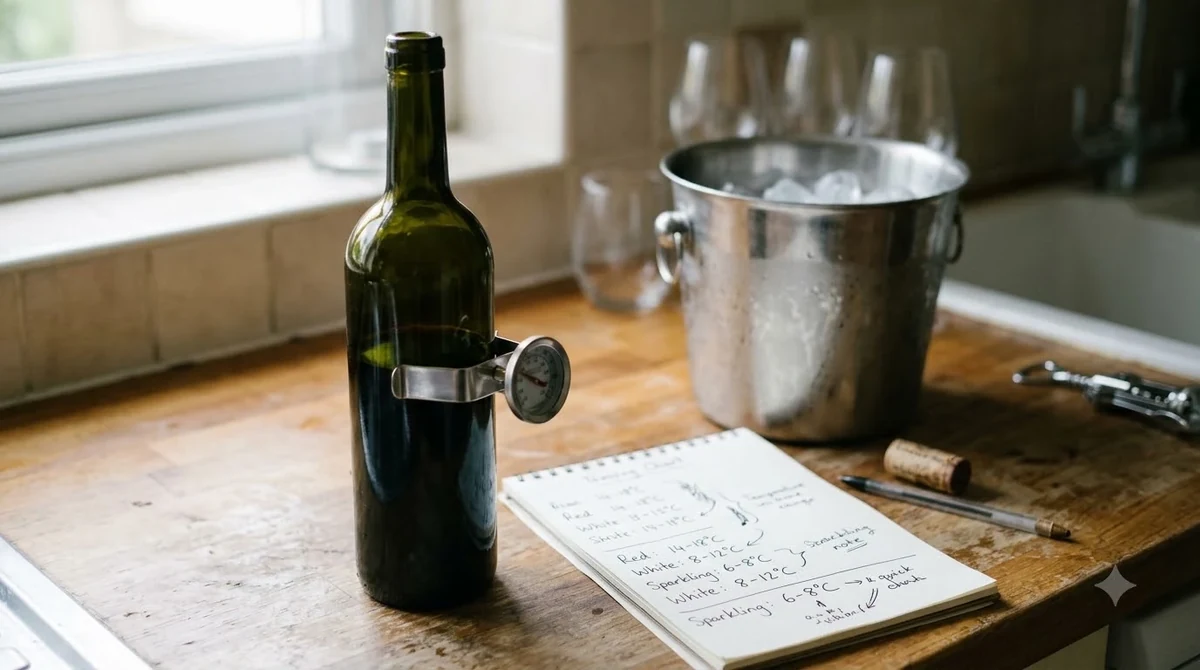
Serve Pinot Grigio at approximately 45–50°F to maintain its freshness. It is particularly useful as an uncomplicated aperitif or as a companion to lighter meals. People who prefer a softer fruit impression rather than pronounced herbal or citrus notes may find it a more suitable starting point than Sauvignon Blanc.
Sauvignon Blanc: Chloe describes this wine through fresh citrus, ripe lychee, and juicy pineapple. Sauvignon Blanc generally has high acidity, which makes it useful with dishes that contain lemon, fresh herbs, or vinaigrette. It can also pair well with goat cheese, seafood, and grilled vegetables.
Its brighter acidity creates a different drinking experience from Pinot Grigio. Shoppers who enjoy sharper, fresher white wines may prefer Sauvignon Blanc, while those who want a softer fruit-led impression may gravitate toward Pinot Grigio.
Chardonnay: Chloe’s Monterey County Chardonnay is described by the producer as featuring fresh citrus, apple, and pear, followed by creamy butter, vanilla, and toasted oak. This makes it an interesting option for people who want a richer white-wine profile than the crispness commonly associated with Pinot Grigio.
Chardonnay has medium acidity in the typical wine-style range. It can work with roast chicken, creamy pasta, grilled seafood, and dishes containing butter or mild sauces. Serve fuller-bodied Chardonnay at approximately 50–55°F rather than serving it extremely cold, which can suppress some of its aromas.
Red Wines
Pinot Noir: Chloe identifies wild strawberry, plum, cherry, and a hint of spicy clove in its Pinot Noir. Pinot Noir typically has low-to-medium tannin and high acidity, making it a flexible choice for meals that need a red wine without a particularly heavy structure.
It is a useful option with roast chicken, mushroom dishes, pork, and salmon. Its relatively gentle tannin profile makes it more versatile with certain fish dishes than a strongly tannic red. Serve light-bodied Pinot Noir around 55–60°F.
Merlot: Chloe describes its Merlot through blackberry, mocha, and spice. Merlot generally has medium tannin and a softer texture than Cabernet Sauvignon, which can make it approachable for people who enjoy fruit-forward reds without particularly firm tannins.
Try it with roasted vegetables, burgers, meatloaf, or moderately seasoned beef dishes. Its fruit and softer structure can work well with meals containing moderate amounts of fat and salt.
Cabernet Sauvignon: Chloe’s Cabernet Sauvignon features black cherry, dark chocolate, coffee, and spice in the producer’s description. Cabernet Sauvignon typically has high tannin, giving it a firmer structure than Pinot Noir or Merlot.
It is best suited to richer meals such as grilled beef, lamb, and hearty dishes with savory sauces. Salt and fat can soften the perception of tannin, which is why a structured Cabernet often works better with a steak than with delicate white fish.
Rosé and Sparkling Wine
Rosé: Chloe describes its Rosé through fresh strawberries, raspberries, and watermelon. This fruit-forward profile makes it a versatile option for outdoor meals, salads, grilled chicken, and lighter appetizers. Serve it around 45–50°F to retain its refreshing character.
Prosecco: Chloe Prosecco features peach, green apple, citrus, and white flowers according to the producer. Prosecco is made primarily from the Glera grape and commonly uses the tank method for its secondary fermentation, producing its characteristic fresh, fruity sparkling style.
It is useful for celebrations, brunch, seafood appetizers, and casual gatherings. Sparkling wine is best served around 40–50°F. The bubbles and fresh fruit profile make Prosecco a distinct purchase rather than a direct replacement for a still white wine.
The wider portfolio also includes products such as Limited Edition Pinot Grigio, Chloe In Bloom, an alcohol-removed Pinot Grigio, and Chloe Lighter. These provide additional choices for shoppers who want something beyond the standard varietal lineup.
Common Mistakes When Comparing Chloe Wine Prices
The biggest purchasing mistakes involve comparing unrelated wine styles, assuming every retailer has identical pricing, and selecting a bottle without considering how it will be served. A little attention to these details makes the buying decision more practical.
Comparing sparkling and still wines as identical products: Prosecco is not simply another white wine. Its carbonation, production method, and intended occasions are different. A slightly higher price for sparkling wine does not necessarily mean that the still wines offer better or worse value.
Choosing only by the lowest shelf price: A lower-priced bottle is not automatically the best purchase. Pinot Grigio, Chardonnay, and Sauvignon Blanc have different acidity, textures, and flavor profiles. A wine that does not suit the meal may be less satisfying even if its shelf price is lower.
Ignoring bottle volume: A 750 ml bottle is the standard reference for most of the reviewed Chloe listings. A different size should be evaluated using its equivalent price per 750 ml rather than the total amount shown on the shelf.
Assuming all retailers carry the same wines: One store may list Pinot Grigio, Pinot Noir, and Prosecco, while another may offer additional red varieties or different inventory. The selection at Liquor Warehouse, for example, includes nine displayed products, whereas Target’s reviewed brand page displays six.
Expecting identical prices across locations: Retailers operate with different distribution arrangements, inventory levels, and local costs. State alcohol regulations and taxes can also affect what shoppers pay. A price found online should be treated as a retailer-specific reference rather than a guaranteed nationwide shelf price.
Confusing grape names with sweetness levels: A fruity aroma does not automatically mean that a wine tastes sweet. Peach, apple, and pineapple aromas can appear in dry wines. Shoppers who want a noticeably sweet wine should distinguish perceived fruitiness from actual residual sugar.
Serving wine at an unsuitable temperature: A very cold Chardonnay may seem less expressive, while an overly warm white can lose its refreshing character. Likewise, serving red wine too warm can make alcohol seem more prominent. Temperature influences enjoyment independently of bottle price.
Ignoring food compatibility: High-tannin Cabernet Sauvignon can be overpowering with delicate fish, while a high-acidity Sauvignon Blanc is often more suitable for lemon-seasoned seafood. Consider the meal before deciding which bottle to buy.
These mistakes are easy to avoid by treating the price as only one part of the decision. Wine variety, bottle size, intended use, and retailer availability should all contribute to the final choice.
Buying, Serving, and Storing Chloe Wine
Good storage and serving practices help preserve the character of a bottle after purchase. Even an affordable wine deserves appropriate handling, especially if it will not be consumed immediately.
For unopened bottles intended for short- or medium-term storage, keep the wine in a cool, dark location away from direct sunlight and strong temperature fluctuations. A storage temperature near 55°F is a useful general target. Bottles sealed with traditional corks are generally stored on their sides to keep the cork from drying out.
Keep white wines and rosé refrigerated before serving. Chloe Pinot Grigio, Sauvignon Blanc, and Rosé are best enjoyed around 45–50°F. A fuller Chardonnay is generally more expressive around 50–55°F. Avoid leaving an open bottle sitting at room temperature for extended periods, particularly in a warm kitchen.
For red wines, serving temperature matters as well. Pinot Noir is generally best around 55–60°F, while fuller-bodied red wines such as Cabernet Sauvignon and Merlot are usually served around 60–65°F. These ranges are cooler than many household room temperatures.
Prosecco needs particular attention because preserving its carbonation is important. Chill the bottle to approximately 40–50°F before serving, open it carefully, and use an appropriate sparkling-wine stopper if the bottle is not finished. Refrigerate the remaining wine promptly.
After Opening
Once opened, still wines generally retain their best drinking quality for approximately three to five days when refrigerated and properly resealed. Sparkling wines generally retain their best character for approximately one to three days with a suitable sparkling-wine closure. These are practical guidelines, not guarantees, because storage conditions and the wine itself influence how quickly its character changes.
Keep opened Chardonnay, Pinot Grigio, Sauvignon Blanc, Pinot Noir, Merlot, Cabernet Sauvignon, and Rosé in the refrigerator. Let red wine warm slightly toward its preferred serving temperature before pouring again. This simple approach is usually more effective than leaving an open bottle on a countertop between servings.
Use clean wine glasses and avoid filling them completely. A standard wine pour is approximately 5 oz, meaning a 750 ml bottle provides about five standard glasses. Sparkling wine is often served in smaller pours, particularly at gatherings where guests may want to enjoy more than one variety.
Food pairing is another part of serving well. Pinot Grigio and Sauvignon Blanc are natural choices for lighter seafood, while Chardonnay works with richer preparations involving butter or cream. Pinot Noir suits mushrooms and roast poultry, Merlot works with burgers and roasted vegetables, and Cabernet Sauvignon is a stronger choice for grilled red meat.
For more information about the individual varieties, shoppers can explore Chloe wine, compare the sparkling option through Chloe Prosecco, or review the available Chloe white wine selections. These pages can help narrow the choice after establishing an appropriate bottle budget.
Frequently Asked Questions
Is Chloe Wine considered a California wine brand?
Chloe’s portfolio includes wines from more than one origin, rather than being exclusively Californian. Its Chardonnay is identified as Monterey County, California, while the retailer listings also identify products originating from Italy and New Zealand. The origin therefore depends on the particular variety rather than the brand name alone.
How many servings are in a standard Chloe wine bottle?
A standard 750 ml bottle contains approximately 25.4 US fluid ounces. At a conventional 5 oz serving, that provides roughly five glasses, with a small amount remaining because of rounding. Actual servings depend on the pour size and whether the wine is being served as an aperitif or alongside a meal.
Does Chloe make wine without alcohol?
Yes. The official Chloe Wine Collection portfolio includes an alcohol-removed Pinot Grigio. The producer describes its profile with bright lemon, zesty lime, and juicy green apple. This is a separate product from the standard alcoholic Pinot Grigio, so shoppers should distinguish the two when comparing bottles.
Can Chloe wine be used for cooking?
Several Chloe styles can be used in appropriate recipes. Chardonnay can complement creamy sauces and chicken dishes, while Sauvignon Blanc can work in lighter seafood preparations. Pinot Noir or Merlot can contribute fruit and savory character to certain meat sauces. Use a wine that tastes suitable for the dish rather than relying on a particular bottle price.
Does Chloe wine need to be decanted before serving?
Most everyday Chloe bottles can be poured directly from the bottle without decanting. Young, full-bodied red wines may benefit from approximately 30–60 minutes of aeration if their tannins seem particularly firm. Pinot Noir, Pinot Grigio, Sauvignon Blanc, and Prosecco generally do not require conventional decanting for ordinary service.
Chloe Wine Price comparisons suggest that the collection sits within an accessible US retail category, with most still wines generally costing less than its sparkling option. The best bottle depends on whether you prefer crisp whites, richer Chardonnay, fruit-forward reds, refreshing Rosé, or Prosecco for celebrations. Compare the same bottle size, consider the meal, and check retailer availability before purchasing. For additional wine comparisons and buying guidance, explore our Wine Brands resources.
More in Wine Brands
 Underwood Wine Price: Compare Bottles, Cans, and Pack SizesUpdated Nov 21, 2026
 Zenato Wine Price: Compare Styles and Choose the Right BottleUpdated Nov 21, 2026
 Zuccardi Wine Price: Compare Bottles and Find the Right RangeUpdated Nov 21, 2026
 Yellow Tail Moscato Review: Taste, Sweetness and Serving TipsUpdated Nov 21, 2026
 Wolf Blass Yellow Label Review: Choose Your Best StyleUpdated Nov 21, 2026
 Wolffer Estate Rose Review: Choose the Right Bottle for Your TableUpdated Nov 21, 2026