


We may earn a commission when you buy through links on this page, at no extra cost to you. Learn more.
Comparing pinot noir vs prosecco comes down to a still, dry red wine made from red grapes versus a sparkling Italian wine made mainly from white Glera grapes. Pinot Noir delivers light-to-medium body, silky tannins, red berry and earthy aromas, and 12 to 15 percent alcohol by volume. Prosecco offers crisp carbonation, lower alcohol around 11 to 12 percent, green apple and white peach notes, and sweetness levels ranging from bone-dry Brut to off-dry Extra Dry.
Shoppers often weigh these two bottles side by side because both are light on their feet, food-friendly, and far less heavy than full-bodied reds like Cabernet Sauvignon. Despite those shared strengths at the dinner table, the two wines come from different grapes, climates, and cellar techniques—and in the case of Prosecco Rosé, Pinot Noir actually steps inside the Prosecco blend itself.
Core Differences Between Pinot Noir and Prosecco
Pinot Noir is a single-varietal still red wine grown across cool and moderate regions worldwide, while Prosecco is a protected Italian sparkling wine produced in northeast Italy primarily from the Glera grape. One relies on skin contact for ruby color and gentle tannin, whereas the other relies on pressurized stainless steel tanks for lively bubbles and fresh fruit aromatics.
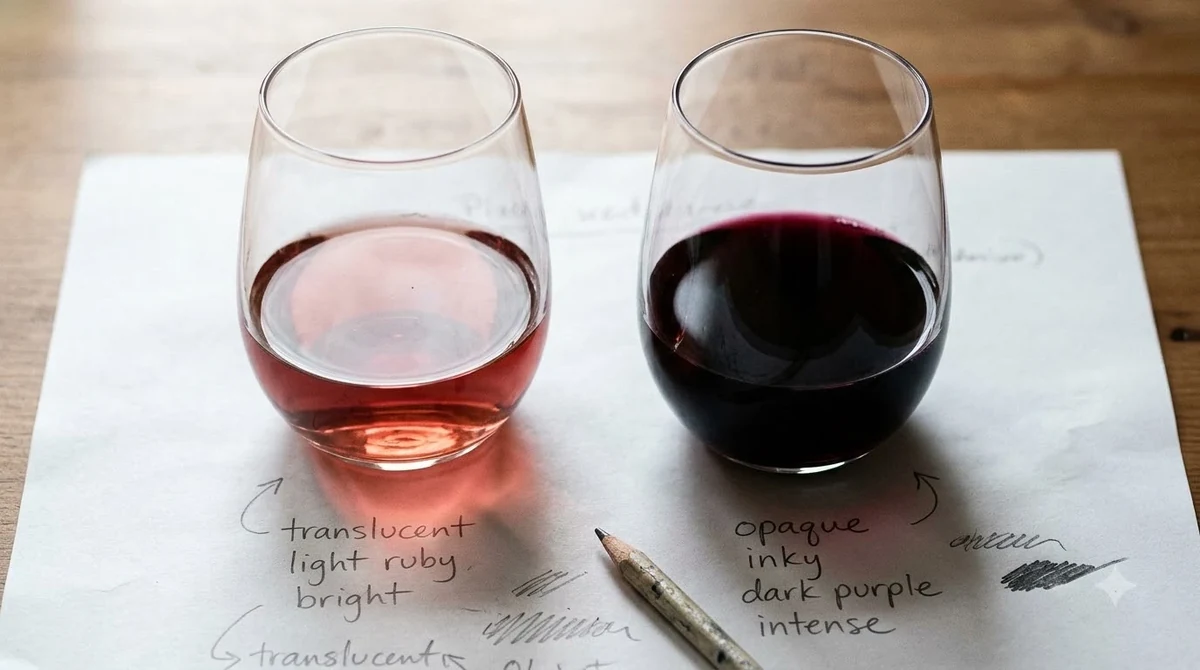
Understanding how each bottle behaves in the glass starts with grape biology and regional rules. Pinot Noir gets its name from the French words for pine and black, describing its tight, pine-cone-shaped clusters and dark skins, according to Wine Enthusiast. Because those skins are thin, the resulting red wine stays translucent ruby in color with low-to-medium tannin and vibrant acidity, rather than deep purple andgripping.
Prosecco, by contrast, is tied to a specific place rather than a single grape name. In 2009, Italian regulators renamed the traditional grape from Prosecco to Glera so that Prosecco could be legally protected as a geographical designation spanning nine provinces in Veneto and Friuli Venezia Giulia, with roughly 90 percent of production centered in the province of Treviso, according to the Wine Scholar Guild. For readers exploring other head-to-head style matchups across red, white, and sparkling bottles, the Wine vs Wine hub maps out how grape structure drives glass-by-glass differences.
| Attribute | Pinot Noir | Prosecco |
|---|---|---|
| Wine Category | Still dry red wine (also used in sparkling/rosé) | Sparkling white or rosé wine (rarely still) |
| Primary Grape | 100% Pinot Noir (in varietal bottlings) | Minimum 85% Glera (up to 15% allowed partners) |
| Key Regions | Burgundy, Oregon, California, New Zealand, Germany | Veneto and Friuli Venezia Giulia, Italy (9 provinces) |
| Typical Alcohol (ABV) | 12%–15% | 11%–12% (minimum 10.5%–11% by DOC rules) |
| Sweetness Level | Dry | Brut (<12 g/L) to Demi-Sec (32–50 g/L) |
| Tannin & Acidity | Low-to-medium tannin, high acidity | Zero tannin (white), medium-to-high acidity |
| Serving Temperature | 55–60°F (up to 65°F for fuller styles) | 40–50°F |
| Fridge Life After Opening | 3–5 days | 1–3 days |
Flavor Profile, Sweetness, and Mouthfeel
Pinot Noir tastes dry, savory, and red-fruited with a smooth, non-astringent grip, whereas Prosecco feels effervescent, crisp, and orchard-fruited with noticeable variations in residual sugar. Neither wine overwhelms the palate with heavy oak or high alcohol, yet their textures are opposites.
In a glass of Pinot Noir, climate shapes the exact fruit spectrum. Cooler growing zones such as France’s Burgundy or Germany’s Ahr and Baden yield wines around 12 to 13.5 percent ABV marked by tart cranberry, red cherry, rose petal, and damp forest floor or mushroom notes. Warmer appellations like California’s Sonoma Coast or Santa Lucia Highlands push ripeness toward 13.5 to 15 percent ABV, bringing plush raspberry, dark cherry, baking spice, and subtle vanilla from French oak barrels. Regardless of origin, Pinot Noir is fermented dry with virtually no residual sugar, and its silky low-to-medium tannins leave a clean, mouthwatering finish.
Prosecco trades tannin and oak spice for carbonation and bright aromatics. Glera is a semi-aromatic white variety that yields notes of green apple, Bartlett pear, white peach, lemon zest, and acacia blossom. Sweetness varies widely depending on the style printed on the front label: Brut contains under 12 grams per liter of residual sugar and tastes crisp and dry, while Extra Dry holds 12 to 17 grams per liter and delivers a subtle, round hint of sweetness that many American drinkers associate with classic Prosecco. Sweeter Dry (17 to 32 g/L) and Demi-Sec (32 to 50 g/L) versions exist but appear far less often on US shelves.
Tip: Do not let the term “Extra Dry” on a Prosecco bottle mislead you—in sparkling wine terminology, Extra Dry is noticeably sweeter than Brut, carrying 12 to 17 grams of residual sugar per liter compared to Brut’s sub-12-gram limit.
How Winemaking Shapes Each Bottle
Pinot Noir is fermented on its grape skins and often aged in oak barrels to build color, aroma, and gentle structure, while Prosecco undergoes two separate fermentations in stainless steel tanks to trap carbon dioxide and preserve fresh fruit flavors. These contrasting cellar methods explain why Pinot Noir develops earthy complexity over time while Prosecco is bottled for immediate freshness.
Crafting red Pinot Noir begins with destemming the fragile berries and macerating the juice with the dark skins during alcoholic fermentation. Because Pinot Noir skins contain fewer anthocyanins and tannins than thicker-skinned grapes like Cabernet Sauvignon or Nebbiolo, winemakers use gentle punch-downs or pump-overs to extract ruby pigment without bitterness. Many producers mature the wine in French oak barrels for 8 to 16 months, using a restrained percentage of new oak so toasted wood nuances never mask the grape’s delicate aromatics. If you want to see how Pinot Noir’s gentle skin extraction compares against another pale-colored, high-acid red grape, explore nebbiolo vs pinot noir for a closer look at tannin structure.
Prosecco follows a completely different path known as the Charmat or Martinotti method. According to the Consorzio Tutela Prosecco DOC, harvested Glera grapes are gently pressed off their skins immediately so the juice stays pale and free of bitter phenolics, then fermented at roughly 18 degrees Celsius (64 degrees Fahrenheit) for 15 to 20 days to create a dry base wine. Winemakers filter that still base wine and transfer it into pressurized stainless steel autoclaves with yeast and sugar for a second fermentation lasting at least 30 days. Trapped carbon dioxide dissolves into the wine, generating over 3 bars of pressure for fully sparkling Spumante or 1 to 2.5 bars for lighter Frizzante before sterile filtration and bottling under pressure.
Where Pinot Noir and Prosecco Overlap: Prosecco Rosé
Although Pinot Noir and Prosecco sit in separate wine aisles, Italian regulations explicitly bring them together in Prosecco DOC Rosé, which blends red-vinified Pinot Noir into a Glera base. Even standard white Prosecco permits a small splash of white-vinified Pinot Noir to bolster mid-palate structure.
Under standard Prosecco DOC and DOCG production rules, Glera must make up at least 85 percent of the blend, while up to 15 percent can come from approved partner grapes including Chardonnay, Pinot Bianco, Pinot Grigio, and Pinot Noir (known locally in Italy as Pinot Nero). For white Prosecco, any Pinot Noir included must be pressed immediately off its skins so no pink pigment enters the juice, adding quiet body without altering color.
In 2020, Italian authorities officially approved Prosecco DOC Rosé, giving Pinot Noir a starring visual and aromatic role. To earn the Prosecco DOC Rosé label, a winery must blend 85 to 90 percent Glera with 10 to 15 percent Pinot Noir that has been macerated on its skins to extract bright pink color and wild strawberry notes. Unlike standard white Prosecco Spumante, which requires a 30-day secondary tank fermentation, Prosecco DOC Rosé must spend at least 60 days in pressurized autoclaves, carry a vintage year (“Millesimato”) on the label, and stick to drier sweetness tiers ranging from Brut Nature to Extra Dry.
Food Pairing: Matching Each Wine to the Meal
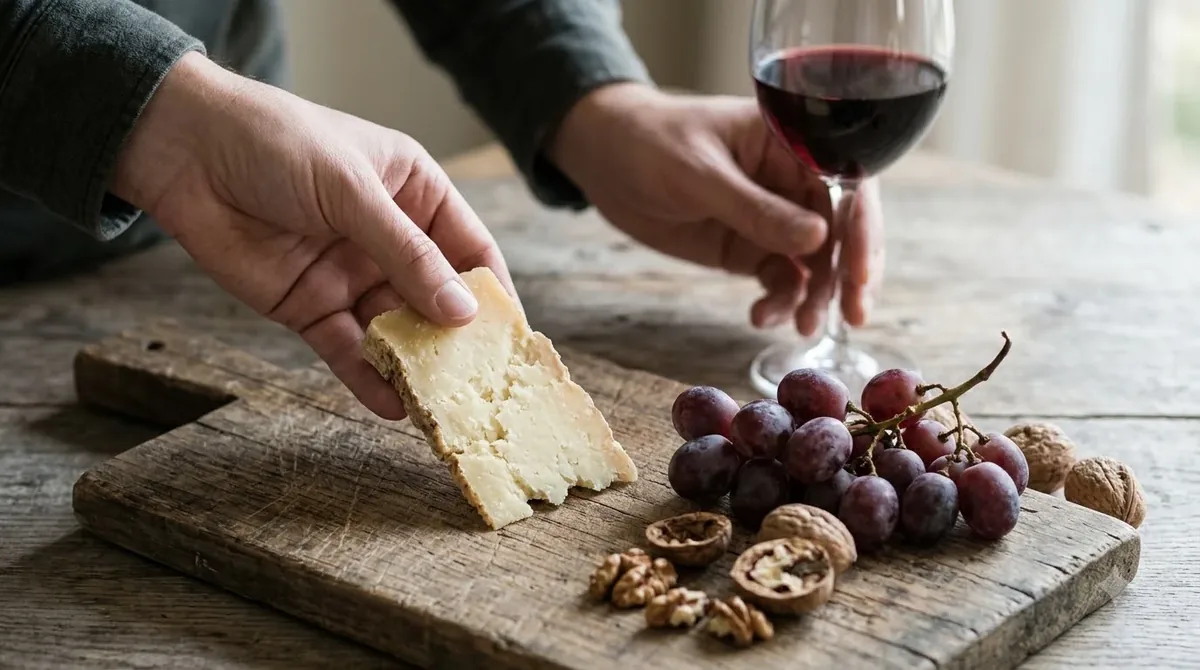
Pinot Noir pairs best with savory roasted dishes, mushrooms, poultry, and salmon, while Prosecco shines alongside salty appetizers, fried snacks, soft cheeses, and light seafood. Choosing between them depends on whether the dish leans toward earthy richness or crisp, salty contrast.
Pinot Noir stands out among red wines because its combination of high acidity and low-to-medium tannin allows it to bridge meat and seafood without clashing. Classic pairings include roasted duck breast, herb-crusted pork tenderloin, mushroom risotto, and grilled salmon. While high-tannin reds clash with oily fish by creating a metallic aftertaste, Pinot Noir’s light grip and bright red-fruit acidity cut cleanly through salmon’s natural richness. Its earthy undertones also echo umami-heavy ingredients such as truffles, lentils, and roasted root vegetables. Readers weighing Pinot Noir against another bright, high-acid food wine can review pinot noir vs sauvignon blanc to see how white-wine herbaceousness compares with red-berry savoriness at the table.
Prosecco relies on lively carbonation, refreshing acidity, and a touch of residual sugar in Extra Dry bottlings to cleanse the palate between bites. Brut Prosecco pairs naturally with fried calamari, tempura shrimp, oysters, and aged Parmigiano-Reggiano, where bubbles scrub away oil and salt. Extra Dry Prosecco, which carries 12 to 17 grams per liter of residual sugar according to VinePair, excels with salty-sweet pairings like prosciutto-wrapped melon, mild blue cheese, or mildly spiced Thai and Vietnamese appetizers. Because higher alcohol and heavy tannin amplify chili heat, low-alcohol Prosecco (typically 11 to 12 percent ABV) cools spicy dishes far more reliably than a warm-climate 14.5 percent ABV Pinot Noir.
Serving Temperature, Glassware, and Storage
Serve Prosecco well chilled at 40 to 50°F in a tulip glass to preserve carbonation, and serve Pinot Noir lightly chilled at 55 to 60°F in a wide-bowled Burgundy glass to concentrate its delicate aromas. Proper temperature control prevents Prosecco from tasting flat and keeps Pinot Noir’s alcohol from overpowering its red fruit.
Temperature makes an immediate difference in how both wines taste. Prosecco belongs in the refrigerator for at least three hours before opening, landing in the 40 to 50°F serving range; pouring it warmer causes dissolved carbon dioxide to escape more rapidly and makes Extra Dry styles taste noticeably sweeter. Pinot Noir is frequently served too warm at room temperature around 70°F, which dulls its acidity and exaggerates alcohol heat. Chilling a bottle of Pinot Noir in the refrigerator for 20 to 30 minutes before pouring brings it down to 55 to 60°F (or up to 65°F for fuller-bodied California bottlings), keeping the fruit vibrant and crisp.
Glassware and post-opening care also follow distinct rules. A tulip-shaped sparkling wine glass—wider at the center than a narrow flute—gives Prosecco room to release white peach and floral scents while keeping a steady bead of bubbles. Pinot Noir benefits from a wide-bowled Burgundy glass that funnels subtle cherry, spice, and forest-floor aromatics toward the nose; older or delicate bottles rarely need more than 15 to 20 minutes of air, whereas structured young bottles can open up after 30 minutes. Once opened and recorked in the refrigerator, a sparkling wine stopper keeps Prosecco lively for 1 to 3 days, while still Pinot Noir stays fresh for 3 to 5 days. Unopened bottles of either wine store best on their sides in a dark spot near 55°F.
How to Choose Between Pinot Noir vs Prosecco
Pick Prosecco when hosting casual gatherings, pouring welcome drinks, or pairing with salty finger foods and brunch dishes; pick Pinot Noir for sit-down dinners, cooler evenings, and roasted meats or mushrooms. Both bottles deliver crowd-pleasing versatility without heavy oak or harsh astringency.
- Choose Prosecco for celebrations, brunch, and aperitif hour: Its 11 to 12 percent ABV keeps daytime sipping light, and its bubbles pair smoothly with charcuterie, fried appetizers, and fruit-forward brunch plates.
- Choose Pinot Noir for dinner parties and mixed menus: When guests order different entrees—from roasted chicken and salmon to pasta with mushrooms—one bottle of dry Pinot Noir accommodates the entire table.
- Check the sweetness and origin cues on the bottle: Select Brut Prosecco for a crisp, dry aperitif or Extra Dry for a softer, fruitier finish; for Pinot Noir, look to Oregon’s Willamette Valley or Burgundy for bright, earthy elegance, and California’s Russian River Valley for riper berry plushness.
If a ripe, fruit-forward red sounds appealing but Pinot Noir feels too light-bodied, comparing grenache vs pinot noir highlights how Grenache brings fuller body and deeper spice while keeping tannins approachable.
Frequently Asked Questions
Is Pinot Noir or Prosecco lower in calories and sugar?
According to USDA FoodData Central estimates for table and sparkling wines, a standard 5-ounce pour of Brut Prosecco and a 5-ounce pour of dry Pinot Noir contain roughly similar calorie counts, typically around 120 to 125 calories per glass. Under European Union sparkling wine labeling rules, Brut Prosecco keeps residual sugar below 12 grams per liter (under 2 grams per 5-ounce glass) and offsets it with lower 11 to 12 percent alcohol, whereas dry Pinot Noir typically contains under 1 to 2 grams per liter of residual sugar and carries higher calories from its 12 to 15 percent alcohol.
What is the difference between Prosecco DOC and Conegliano Valdobbiadene DOCG?
According to the Consorzio di Tutela della DOC Prosecco, Prosecco DOC covers a large lowland and hillside zone across nine provinces in Veneto and Friuli Venezia Giulia where mechanical harvesting is common. Conegliano Valdobbiadene Prosecco Superiore DOCG sits on steep, sunny hills in the province of Treviso where slopes require hand harvesting, yields are capped lower, and the wines often show finer bubbles and greater aromatic concentration.
Can Pinot Noir be made into a traditional-method sparkling wine?
Yes, Pinot Noir is one of the three primary grapes used in Champagne and traditional-method sparkling wines worldwide, alongside Chardonnay and Pinot Meunier. Unlike tank-fermented Prosecco, traditional-method sparkling wines undergo their second fermentation inside individual glass bottles and rest on dead yeast cells (lees) for months or years, creating brioche and toasted nut flavors.
How many glasses are in a standard bottle of Pinot Noir or Prosecco?
By standard U.S. wine-pouring measures, a 750-milliliter bottle of either Pinot Noir or Prosecco yields about five 5-ounce pours. When pouring Prosecco into narrower sparkling flutes for toasts, hosts often pour 4 ounces per glass, stretching one 750-milliliter bottle to six servings.
Why is Pinot Noir often more expensive than Prosecco?
Pinot Noir has thin skins and tight clusters that make it prone to rot, frost, and sunburn in the vineyard, resulting in lower grape yields and higher farming costs. Prosecco uses high-yielding Glera grapes and bulk pressurized stainless steel tanks rather than expensive French oak barrels, allowing wineries to bottle it faster and more economically.
Pinot Noir and Prosecco represent two distinct sides of light, food-friendly winemaking—one offering dry red-berry nuance and gentle oak structure, the other bringing crisp bubbles and orchard-fruit refreshment. Keeping both styles on hand ensures an easy match for everything from pre-dinner snacks to the main course.
More in Wine vs Wine
 Chenin Blanc vs Pinot Gris: Acidity, Body, and Pairing DifferencesUpdated Nov 20, 2026
 Chianti vs Lambrusco: How Tuscany and Emilia-Romagna Reds CompareUpdated Nov 20, 2026
 Chianti vs Primitivo: Key Differences in Taste, Body, and PairingUpdated Nov 20, 2026
 Chianti vs Rioja: Key Differences in Taste, Aging, and PairingUpdated Nov 20, 2026
 Chianti vs Shiraz: How Acidity, Body, and Food Pairings CompareUpdated Nov 20, 2026
 Chianti vs Syrah: Key Differences in Taste, Body, and Food PairingUpdated Nov 20, 2026