

We may earn a commission when you buy through links on this page, at no extra cost to you. Learn more.
Charles Smith wine is a value-focused range from a Washington State brand founded by Charles Smith, whose lineup covers approachable whites like Riesling and Chardonnay along with reds such as Merlot, Syrah and Cabernet Sauvignon. The brand is known for bold, fruit-forward bottles and a playful label style. Choosing among them is easier once you know which grapes and styles sit behind each name.
Charles Smith is one of the more recognizable names on the American wine shelf, and the brand has built a following for wines that are easy to drink without feeling thin. This guide explains where the brand came from, what the main wines are, how the winemaking is described and how to pick a bottle for the occasion.
Where the brand came from
According to the brand’s About page, Charles Smith grew up about an hour from Napa Valley in California and spent time managing rock bands in Europe, including the Danish duo The Raveonettes. That life, the brand says, sparked his interest in fine wine. A 1999 road trip to Walla Walla, Washington, brought him into contact with a winemaker who encouraged him to make his own wine. In 2001 he released the first 330 cases of his debut vintage.
The brand’s footer lists Prosser, Washington, as its base. The company’s tagline, “Land to Hand. Vineyard to Bottle.”, reflects the idea that the wines are meant to show the place they come from. The About page says the brand was named Winemaker of the Year by Food & Wine within eight years of that first release, and again by Wine Enthusiast in 2014.
Where the wines come from: Washington State
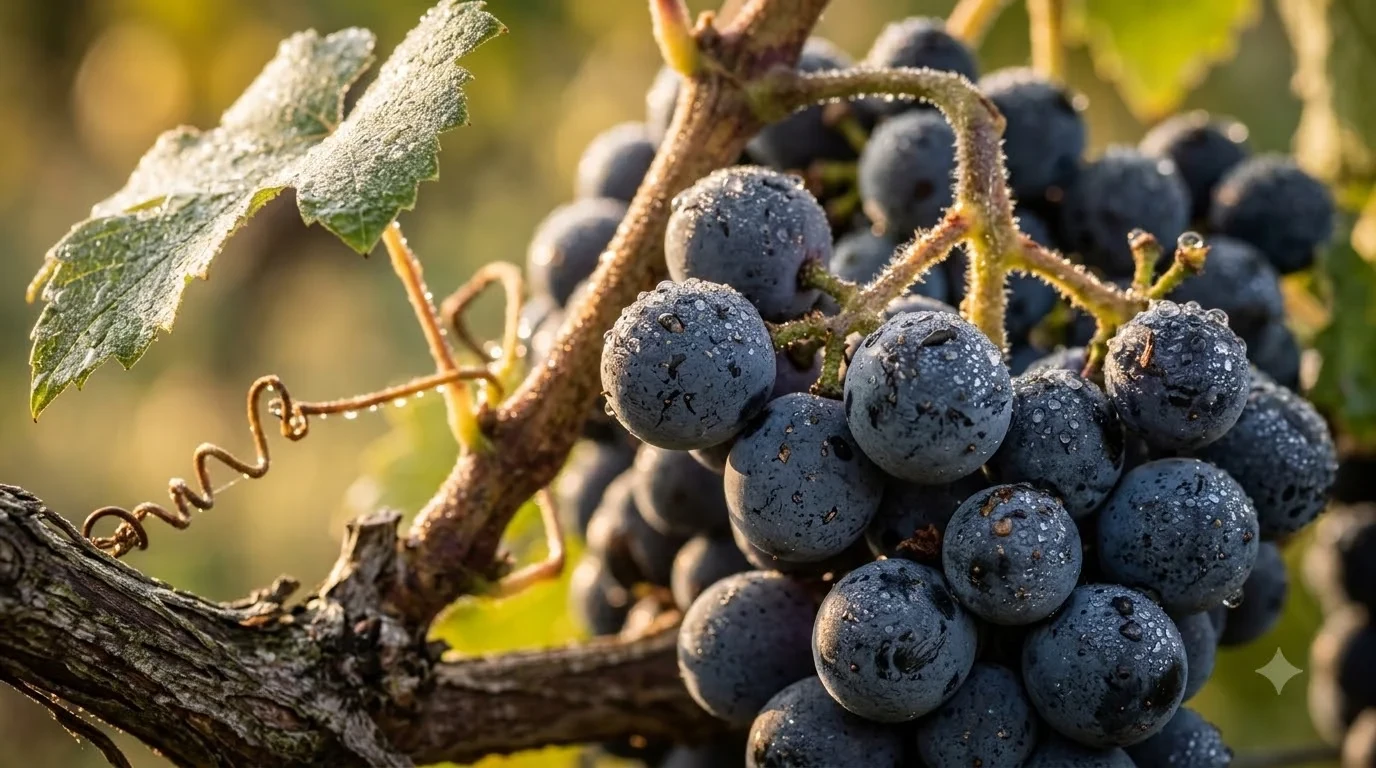
Washington is a large and varied wine state, and the Walla Walla area is one of its best-known districts. The Washington wine site cites a wine-trail app that counts more than 1,000 wineries, tasting rooms and vineyards in the state. Its growing areas range from cooler sites to warmer, drier ones, which allows a single producer to work with many different grape styles.
Washington’s climate is a big reason the brand can offer both crisp whites and fuller reds. Cool nights help white grapes keep their acidity, while warmer, sunnier vineyards give red grapes more ripeness and structure. Because a brand like Charles Smith buys from several sources across the state, the bottles can differ in intensity from one label to the next even within the same price tier.
The main wines and what they taste like
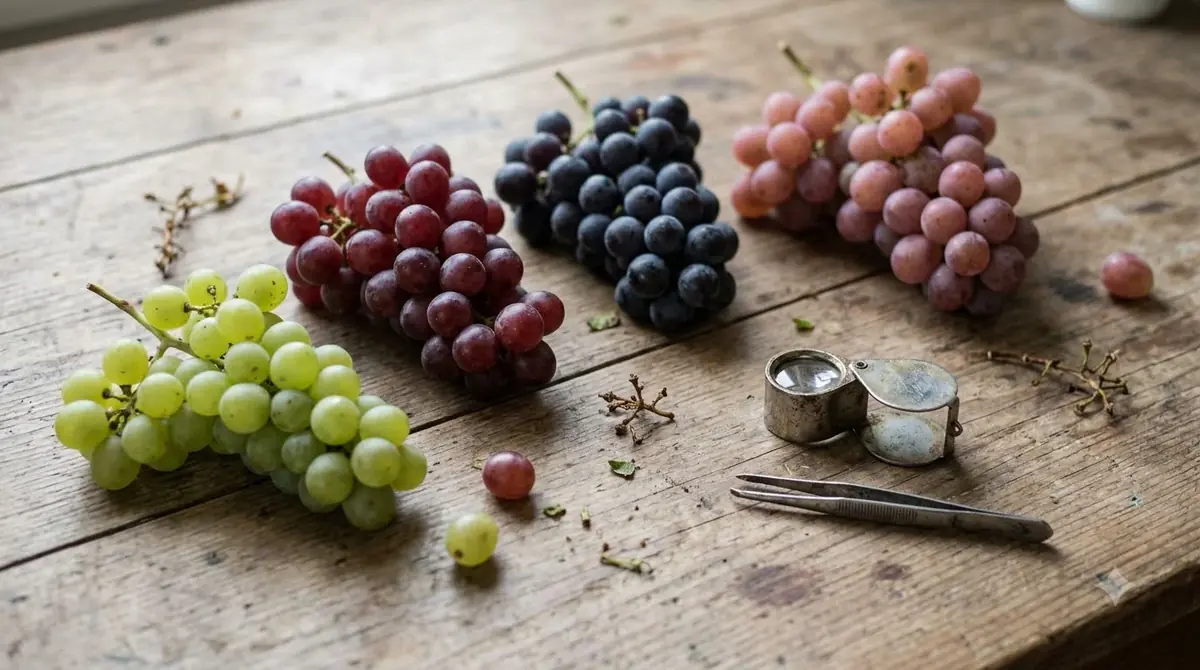
The brand’s listed range includes Kung Fu Girl Riesling, Band of Roses Rosé, Boom Boom! Syrah, Chateau Smith Cabernet Sauvignon, Eve Chardonnay and The Velvet Devil Merlot. It also offers sparkling versions of the Riesling and the Rosé, called “Bubbled.” The About page names these wines but does not describe them one by one, so the notes below rely on the general character of each grape.
| Wine | Grape or style | General character |
|---|---|---|
| Kung Fu Girl Riesling | Riesling | Bright, aromatic and typically off-dry, with citrus and stone fruit |
| Band of Roses Rosé | Rosé blend | Light, fresh and berry-led |
| Eve Chardonnay | Chardonnay | Round, with ripe fruit and a creamy texture |
| The Velvet Devil Merlot | Merlot | Soft, plummy and easygoing |
| Boom Boom! Syrah | Syrah | Dark fruit, spice and a fuller body |
| Chateau Smith Cabernet Sauvignon | Cabernet Sauvignon | Blackcurrant, firmer tannins and structure |
The table reflects the typical profile of each grape rather than tasting notes from the brand for every bottle. Vintage changes and blending decisions can shift the flavors, so the label and the producer’s current description are the best guide for a specific release.
How the reds and whites are made
The brand’s About page describes its winemaking in some detail. Reds undergo extended maceration on the skins, which pulls color, tannin and flavor from the grape skins into the wine. After malolactic fermentation, the reds are not racked, a step that leaves more of the wine’s texture in place. Whites are not battonage-treated, meaning the lees are not stirred during aging, and they are fined and filtered for stability before bottling.
Those choices explain why the reds tend to feel fuller and the whites cleaner. Extended skin contact favors more structure in red wine, while filtering a white removes particles that could cloud the bottle later.
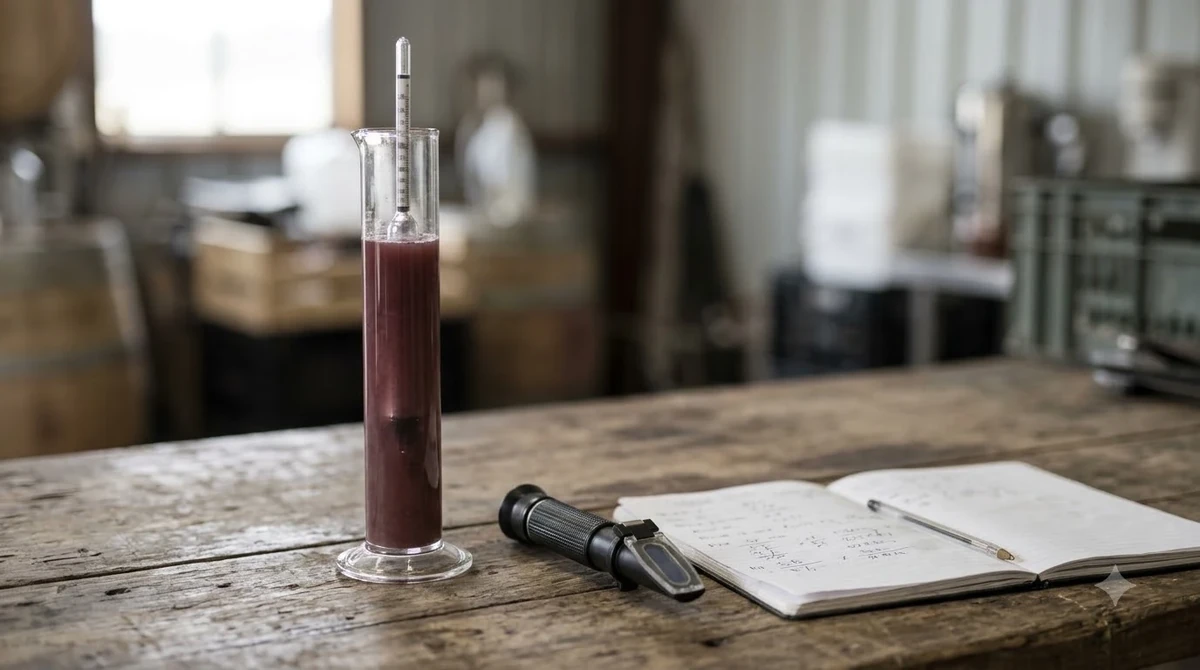
None of these steps is unusual on its own, but together they shape the wines into the approachable style the brand is known for.
How to serve and pair the wines
Serving temperature matters more than many buyers expect. Merlot, for example, is typically served a little below room temperature. Wine Folly’s Merlot guide gives a serving range of 60 to 68 degrees Fahrenheit, and it notes that a decanter can help soften the wine for about 30 minutes before pouring. That advice applies well to The Velvet Devil Merlot and other soft reds.
For the whites, a cool but not icy temperature keeps the fruit lively. Riesling is often paired with spicy food, pork and salads, while a fuller Chardonnay suits roast chicken and creamy pasta. The rosé works with lighter meals and outdoor dishes. Matching the wine’s weight to the food is the simplest rule: lighter bottles for light plates, fuller bottles for richer ones.
Tip: If you are new to the brand, start with the Riesling or the rosé. Both are easy to open for a casual evening and give a clear sense of the house style before you move on to the reds.
Who the brand suits
Charles Smith wines suit people who want a dependable everyday bottle with a clear personality. The fruit-forward profiles make them approachable for newer wine drinkers, and the range offers both white and red choices so a group can share one brand across a meal. The bolder reds, such as Syrah and Cabernet Sauvignon, appeal to those who like structure and a longer finish.
Readers who prefer delicate, restrained wines may find the fruit more pronounced than they like. That is a matter of taste rather than quality, and it is worth tasting a bottle or two to see whether the style fits your palate before buying in quantity.
Frequently Asked Questions
Who founded Charles Smith Wines?
The brand was founded by Charles Smith, who according to the brand’s About page began making wine after a 1999 road trip to Walla Walla, Washington, and released his first 330 cases in 2001.
Where are Charles Smith wines made?
The brand’s footer lists Prosser, Washington, as its base. Its wines come from Washington State, and the exact vineyard sources can vary by bottle.
What is the most popular Charles Smith wine?
Popularity changes by market and season, so there is no single answer that holds for every shelf. The Velvet Devil Merlot and Kung Fu Girl Riesling are among the names the brand lists most prominently, and they are a good place to start.
Are Charles Smith wines dry or sweet?
It depends on the bottle. The Riesling is typically marketed with a fruity, approachable character, while the reds such as Merlot, Syrah and Cabernet Sauvignon are usually made in a dry style. Confirm the sweetness on the label or in the producer notes for the bottle you buy.
To compare this brand with other names on the shelf, browse our Wine Brands guide. If you like the soft, fruit-forward style of the Merlot, the Pedernales wine and Spottswoode wine pages show how other producers approach red wine, and the Stella Rosa red page covers a sweeter option. For the brand’s own account of its history and winemaking, read the Charles Smith Wines About page, and for Merlot’s typical profile, see Wine Folly’s Merlot guide.
More in Wine Brands
 Underwood Wine Price: Compare Bottles, Cans, and Pack SizesUpdated Nov 21, 2026
 Zenato Wine Price: Compare Styles and Choose the Right BottleUpdated Nov 21, 2026
 Zuccardi Wine Price: Compare Bottles and Find the Right RangeUpdated Nov 21, 2026
 Yellow Tail Moscato Review: Taste, Sweetness and Serving TipsUpdated Nov 21, 2026
 Wolf Blass Yellow Label Review: Choose Your Best StyleUpdated Nov 21, 2026
 Wolffer Estate Rose Review: Choose the Right Bottle for Your TableUpdated Nov 21, 2026