

We may earn a commission when you buy through links on this page, at no extra cost to you. Learn more.
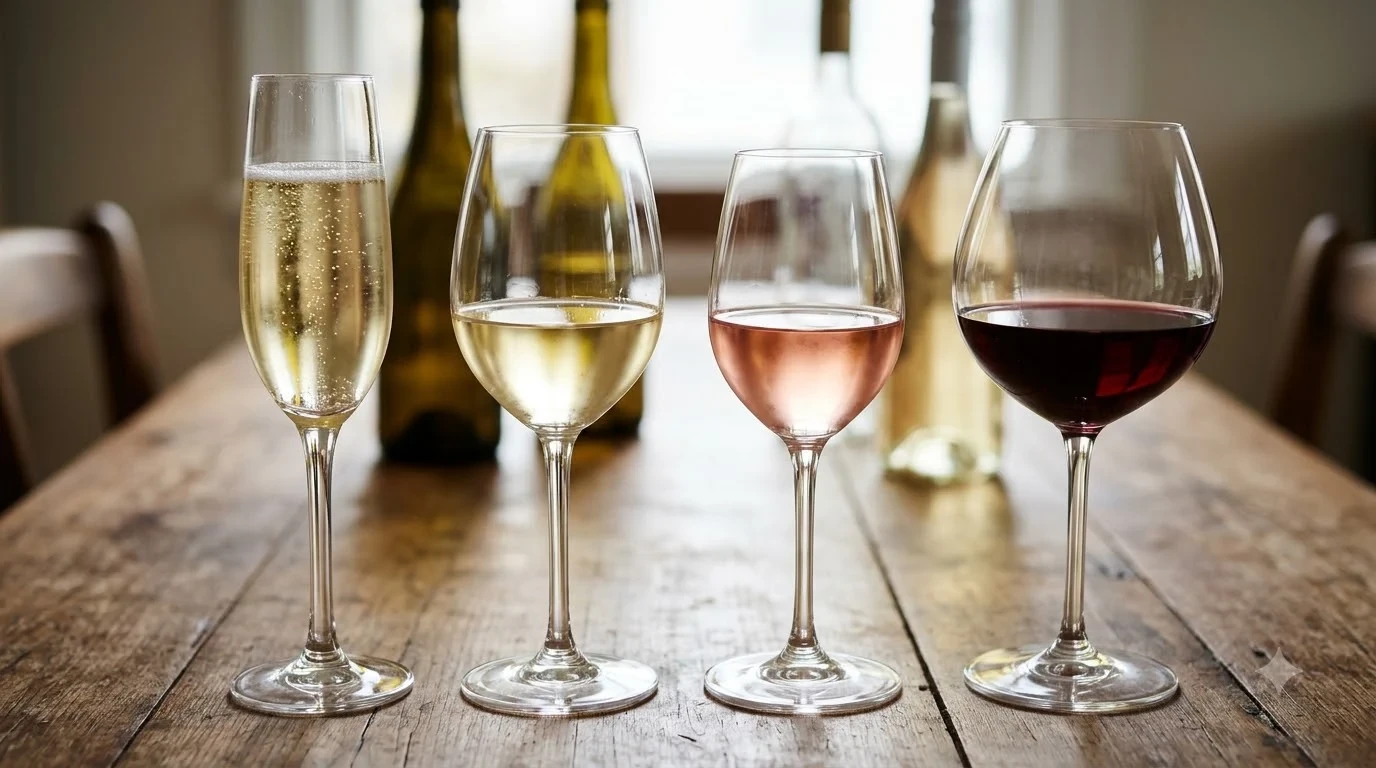
Charles Shaw white wine includes several approachable California styles, particularly Chardonnay, Sauvignon Blanc, Pinot Grigio, and White Zinfandel, with options ranging from crisp and refreshing to fruity and slightly sweet. Each variety offers a different combination of fruit flavors, acidity, body, and sweetness. Chardonnay is a good starting point for a fuller white wine, Sauvignon Blanc suits drinkers who prefer herbal and citrus notes, and White Zinfandel is an option for those who enjoy a softer, sweeter finish. Understanding these differences makes it easier to choose a bottle that matches your taste and meal.
Charles Shaw has become one of the most recognizable value-oriented wine names in American grocery shopping. Its connection with Trader Joe’s and the familiar Two-Buck Chuck nickname have made it particularly well known among casual wine drinkers. However, the white wine selection deserves attention beyond its reputation for affordability. Different grapes produce noticeably different drinking experiences, and knowing what to expect can help you find the right bottle for weeknight dinners, casual gatherings, seafood, or an afternoon glass.
What Is Charles Shaw White Wine?
Charles Shaw is a California wine brand associated with Trader Joe’s, known for making familiar grape varieties accessible to everyday wine drinkers. Its white wine selection includes several distinct styles, each intended for a different palate and occasion.
The name became famous through the Two-Buck Chuck phenomenon, which began when Charles Shaw wines appeared at Trader Joe’s in 2002. The original lineup included Chardonnay and Sauvignon Blanc, alongside Cabernet Sauvignon and Merlot. The nickname reflected the original price point rather than a separate wine category. The wines quickly became a familiar sight in Trader Joe’s stores and attracted attention from both casual consumers and the wine industry.
The brand’s history is also connected to Bronco Wine Company. The Washington Post’s early coverage of Two-Buck Chuck identified Bronco as the company bottling the wines. Charles Shaw is therefore best understood as a wine brand rather than assuming that every bottle represents an independent, small-scale winery bearing that name.
Its California identity is an important part of the current brand presentation. Charles Shaw describes its wines as being made exclusively from California-grown grapes, with sourcing that spans different growing areas, including northern California and the Central Valley. These areas have varied climates and growing conditions, allowing winemakers to work with different grape characteristics when producing their wines.
The current collection presented on the brand’s website includes Chardonnay, Sauvignon Blanc, Pinot Grigio, White Zinfandel, and additional selections such as Rosé. Availability and the exact assortment can vary by store and market. This means shoppers should distinguish between the wider brand collection and the specific bottles stocked at their local Trader Joe’s.
Trader Joe’s wine representatives have also explained that their selection process involves evaluating quality, consistency, suppliers, and value. In an interview published through the Inside Trader Joe’s podcast, the wine team discussed the importance of maintaining consistent production and choosing wines that meet customer expectations.
For consumers, the practical takeaway is straightforward: Charles Shaw offers recognizable California wine styles without requiring extensive wine knowledge. You can select a familiar grape variety, understand its general characteristics, and pair it with everyday food without needing to study complicated regional classifications.
Chardonnay, Sauvignon Blanc, Pinot Grigio, And White Zinfandel Explained
The main white wine styles differ in body, acidity, fruit character, and sweetness. Choosing between them becomes much easier when you understand what each grape typically contributes to the finished wine.
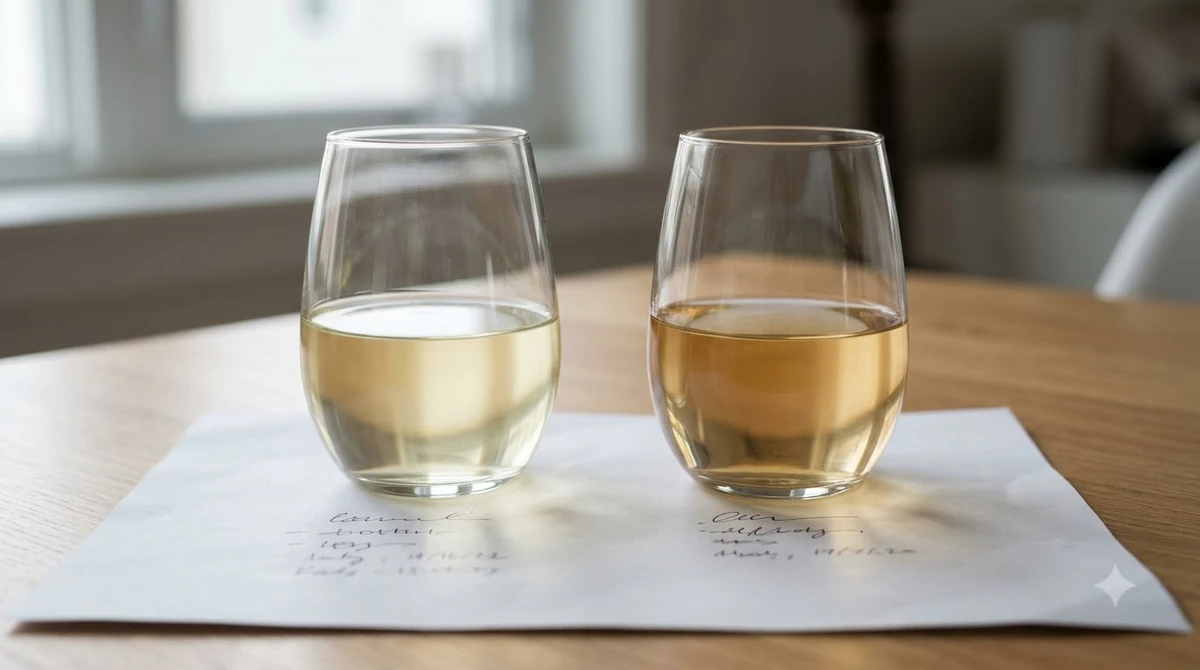
Chardonnay is a useful choice for drinkers who prefer a fuller white wine with rounded fruit flavors. Charles Shaw describes its Chardonnay as light straw-colored, with tropical aromas and flavors that include pineapple, coconut, mint, and jasmine. The brand recommends serving it with roasted chicken and Sunday dinner. These characteristics make it a natural option for poultry, creamy dishes, and meals with richer textures.
Sauvignon Blanc offers a different experience. Charles Shaw describes its version as light straw-colored, with aromas of melon, lemongrass, and herbs, followed by citrus and apple flavors. Sauvignon Blanc generally has high acidity, which gives it a refreshing character and makes it particularly useful alongside foods with citrus, herbs, and fresh vegetables.
Pinot Grigio usually appeals to drinkers who want a lighter, relatively delicate white wine. Its common characteristics include citrus, white peach, and mineral notes. Charles Shaw’s brand description highlights kiwi, jasmine, strawberry, and gardenia, with a soft, rounded finish. It is a practical choice for lighter meals and informal occasions.
White Zinfandel is different from the three traditional white grape varieties because it is made from the red Zinfandel grape using a winemaking approach that limits color extraction from the skins. The resulting wine is pink rather than completely white. Charles Shaw describes its White Zinfandel with fresh peach aromas, hints of strawberry, floral character, and a slightly sweet finish.
The distinction between these varieties is important because the word white on a wine shelf does not mean every bottle tastes alike. A Chardonnay may feel rounder and more substantial, while Sauvignon Blanc usually has sharper acidity. Pinot Grigio is often lighter in flavor, whereas White Zinfandel offers a noticeably fruitier, sweeter impression.
| Wine Style | Typical Body | Typical Acidity | Common Flavor Profile | Best Starting Point |
|---|---|---|---|---|
| Chardonnay | Medium to full | Medium | Apple, pineapple, tropical fruit | Roasted chicken |
| Sauvignon Blanc | Light to medium | High | Citrus, herbs, melon | Seafood and salads |
| Pinot Grigio | Light | Moderate to high | Peach, citrus, mineral notes | Light seafood dishes |
| White Zinfandel | Light | Low to medium | Peach, strawberry, floral notes | Spicy Asian-inspired dishes |
These are general characteristics of the grape varieties, not laboratory measurements or guaranteed specifications for every Charles Shaw bottle. Individual bottlings can differ according to grape sourcing, vintage, fermentation, and winemaking decisions.
One useful way to compare the wines is to think about texture rather than simply fruit flavor. Two wines can both smell like apple but feel completely different in the mouth. Acidity creates freshness, body determines how substantial the wine feels, and residual sugar influences its perceived sweetness.
If you are uncertain where to begin, consider how you normally enjoy beverages. Someone who likes crisp lemonade may appreciate Sauvignon Blanc. Someone who prefers a rounder, softer drink may find Chardonnay more appealing. A person who regularly chooses fruity, slightly sweet drinks may prefer White Zinfandel.
How Each Variety Tastes And How Sweet It Is
Most Charles Shaw white wine choices are better understood through their individual grape styles rather than assuming the entire collection is sweet or dry. Chardonnay and Sauvignon Blanc are generally produced in dry styles, Pinot Grigio is commonly dry, and White Zinfandel is the clearer choice for someone seeking a slightly sweet finish.
Chardonnay can show considerable variation depending on climate and winemaking. Some versions emphasize fresh green apple, lemon, and pear, while others have richer tropical fruit, vanilla, or buttery characteristics. Oak aging and malolactic fermentation can influence the texture and flavor, although neither should be assumed for every bottle carrying the Chardonnay name.
The Charles Shaw Chardonnay description emphasizes pineapple, coconut, mint, and jasmine. This suggests a fruit-forward presentation rather than a wine that needs extensive knowledge of oak treatment to appreciate. Its combination of tropical fruit and a refreshing finish makes it approachable for drinkers who want something more rounded than a particularly crisp Sauvignon Blanc.
Sauvignon Blanc typically has a more pronounced acidic structure. According to Wine Enthusiast, its characteristic flavor range includes grapefruit, passion fruit, guava, herbs, grass, and bell pepper, depending on climate and harvesting conditions. The Charles Shaw description focuses on melon, lemongrass, herbs, citrus, and apple.
Importantly, fruitiness does not automatically mean sweetness. A wine can smell strongly of ripe peach, pineapple, or melon while remaining dry on the palate. Sweetness refers to the amount of residual sugar that remains after fermentation, not simply the intensity of fruit aromas.
Pinot Grigio is usually a comfortable middle ground for someone who wants refreshing fruit without a particularly rich texture. Its moderate-to-high acidity gives it freshness, while flavors of citrus, white peach, and subtle mineral notes provide a relatively delicate profile.
White Zinfandel is the more obvious choice for a sweeter experience. Charles Shaw specifically describes its version as finishing slightly sweet, with fresh peach aromas and hints of ripe strawberry. This makes it different from a typical dry Sauvignon Blanc or Chardonnay.
Dryness Versus Fruitiness
It helps to separate three ideas when evaluating a bottle: aroma, perceived fruitiness, and actual sweetness. They influence each other, but they are not interchangeable.
For example, Sauvignon Blanc may have a strong grapefruit aroma and taste very refreshing because of its acidity. Chardonnay can have pineapple and coconut characteristics without tasting sugary. Pinot Grigio may suggest white peach while still finishing dry. White Zinfandel, by contrast, is specifically presented by Charles Shaw as having a slightly sweet finish.
The best approach is to identify the flavor experience you want before choosing the grape. If you want a clean finish, begin with Chardonnay, Sauvignon Blanc, or Pinot Grigio. If you prefer a gentler, fruitier finish, White Zinfandel deserves consideration.
Do not assume that every vintage or bottling will have exactly the same sweetness. Production choices and grape characteristics can affect the final result, so descriptions of the specific wine are more useful than general assumptions about the brand.
Best Food Pairings For Different Charles Shaw Whites
Food pairing works best when the wine’s acidity, sweetness, body, and flavor intensity complement the dominant characteristics of the meal. Charles Shaw Chardonnay suits richer poultry dishes, Sauvignon Blanc works particularly well with fresh and acidic foods, Pinot Grigio complements lighter meals, and White Zinfandel can accompany dishes with moderate spice.
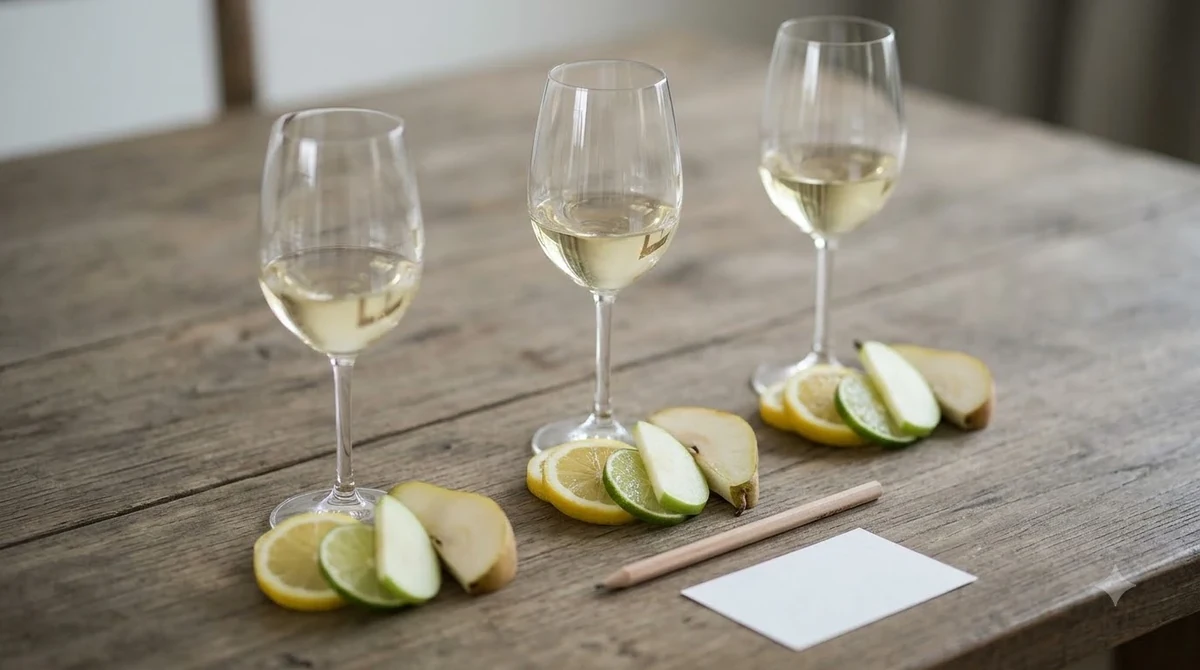
Chardonnay and roasted chicken make a natural combination. The brand itself recommends its Chardonnay with roasted chicken and Sunday dinner. Roasted poultry has enough savory flavor and texture to work with the wine’s tropical fruit characteristics, while preparations involving butter, mild cream sauces, or roasted vegetables can make the combination even more satisfying.
Chardonnay also works with baked fish, pork tenderloin, and creamy pasta. The important consideration is the preparation. A lightly seasoned white fish dish may be better with Pinot Grigio, while a richer baked fish preparation with butter or cream can benefit from a fuller Chardonnay.
Sauvignon Blanc and seafood are another useful combination. Its high acidity works particularly well with oysters, shrimp, scallops, and white fish served with lemon or fresh herbs. Goat cheese, green salads, asparagus, and citrus-seasoned chicken are also suitable options.
The same principle applies to dishes containing tomatoes, vinegar, or lemon. Acidic foods can make a low-acid wine taste flat, so a wine with equal or higher acidity is generally a safer match. Sauvignon Blanc’s natural freshness makes it particularly useful with these ingredients.
Pinot Grigio and lighter meals are an easy pairing for lunch or a simple dinner. Consider grilled shrimp, vegetable pasta, fresh salads, steamed fish, and mild cheeses. The wine’s relatively light body means it is less likely to overpower delicate flavors.
For example, a simple lemon-and-herb pasta with shrimp can work well with Pinot Grigio. If the dish contains substantial cream or butter, Chardonnay may be a more suitable alternative because its fuller texture can better match the weight of the food.
White Zinfandel and spicy food offer another appealing combination. The Charles Shaw brand specifically suggests Pad Thai, which can contain sweet, salty, acidic, and spicy ingredients. A slightly sweet wine can complement the sweetness of the dish while providing a refreshing contrast to its seasoning.
White Zinfandel can also accompany grilled chicken skewers, fruit salads, lightly spicy appetizers, and dishes with ripe fruit components. However, particularly intense chili heat can overwhelm wine. Alcohol can make the sensation of heat stronger, so a cooler-serving, lower-alcohol wine with some sweetness is often a more comfortable choice.
Quick Pairing Reference
- Roasted chicken: Charles Shaw Chardonnay.
- Grilled shrimp with lemon: Sauvignon Blanc or Pinot Grigio.
- Goat cheese salad: Sauvignon Blanc.
- Seafood pasta: Pinot Grigio or Chardonnay, depending on sauce richness.
- Pad Thai: White Zinfandel.
- Grilled vegetables: Sauvignon Blanc.
- Creamy chicken pasta: Chardonnay.
- Fresh fruit desserts: White Zinfandel, provided the wine is at least as sweet as the dessert.
One important exception concerns very spicy dishes. A highly alcoholic wine can make chili heat feel stronger, and excessive spice can obscure delicate aromas. If the dish is especially hot, a slightly sweet white wine is generally a better starting point than a powerful, dry wine.
For additional pairing ideas, the Wine Enthusiast guide to wine and food pairing explains why acidity, texture, preparation, and seasoning matter just as much as the main ingredient.
Serving Temperature, Glassware, And Storage
Serving temperature can change how a white wine smells, tastes, and feels. Charles Shaw Chardonnay generally benefits from a slightly warmer serving temperature than a light Sauvignon Blanc or Pinot Grigio, while White Zinfandel is best enjoyed well chilled.
A wine served too warm may seem heavy, with its alcohol becoming more noticeable. A wine served excessively cold can lose much of its aromatic character. The goal is to preserve freshness without hiding the fruit and floral notes that make each variety distinctive.
These are useful serving-temperature ranges for the different styles:
| Wine Style | Serving Temperature | Practical Serving Advice |
|---|---|---|
| Chardonnay | 50–55°F | Serve cool to preserve fruit and texture. |
| Sauvignon Blanc | 45–50°F for a light style | Chill thoroughly, then allow aromas to develop. |
| Pinot Grigio | 45–50°F | Keep it cool and refreshing. |
| White Zinfandel | 43–50°F | Serve chilled to emphasize freshness. |
These temperatures are general serving guidelines. Sauvignon Blanc can also be served around 50–55°F when a fuller aromatic expression is desired, consistent with Wine Enthusiast’s recommendation for the variety.
Choosing The Right Glass
You do not need an expensive collection of wine glasses to enjoy these bottles. A standard white wine glass with a moderately narrow bowl is suitable for Sauvignon Blanc and Pinot Grigio. It helps concentrate their fresh aromas while keeping the wine relatively cool.
Chardonnay can benefit from a slightly wider bowl, especially if you want to appreciate its tropical fruit and richer texture. White Zinfandel can also be served in a standard white wine glass. The most important factor is using a clean glass without lingering detergent or food odors.
How Much To Pour
A standard wine serving is approximately 5 ounces. A typical 750-milliliter bottle contains around five such servings, making it easy to estimate quantities when preparing a small dinner or gathering.
For a group of six adults, two 750-milliliter bottles provide approximately ten standard 5-ounce servings. That is a useful planning estimate, although actual consumption depends on the occasion and whether other beverages are available.
Smaller pours also help maintain the wine’s temperature. Rather than filling a glass completely, leave enough room to swirl the wine gently and release its aromas.
Storage After Opening
Once opened, white wine should be resealed and refrigerated. Most still white wines remain in reasonable drinking condition for approximately three to five days, although freshness gradually declines as oxygen affects the wine.
Keep the bottle away from direct sunlight and sources of heat. For unopened bottles, a cool, dark storage location is preferable to a warm kitchen counter or a cabinet directly above an oven.
Tip: Chill a bottle in the refrigerator before serving, then pour smaller glasses throughout the meal. If you do not finish it, replace the closure promptly and return the bottle to the refrigerator. This helps preserve the freshness of its citrus, apple, and tropical fruit aromas.
How Charles Shaw Compares With Other Everyday White Wines
Charles Shaw competes in a familiar category of approachable, widely distributed wines, where shoppers often compare grape varieties before considering individual brands. Looking at the differences between Chardonnay, Pinot Grigio, and Sauvignon Blanc is usually more useful than assuming one brand will always outperform another.
For instance, someone who enjoys Charles Shaw Chardonnay may also appreciate another California Chardonnay with apple, pear, pineapple, or vanilla characteristics. The precise style depends on the producer, growing conditions, and winemaking choices. An oak-aged Chardonnay may feel richer and more textured than a stainless-steel-fermented version.
Sauvignon Blanc is another category where regional differences matter. New Zealand examples are often recognized for intense citrus and herbal aromas, while wines from France’s Loire Valley can emphasize mineral, flinty, and restrained fruit characteristics. California Sauvignon Blanc can show riper fruit profiles.
These differences are useful when comparing Charles Shaw with other brands. A shopper considering Baron Philippe de Rothschild wine, for example, should compare the actual grape variety and region rather than relying on the producer’s name alone.
Pinot Grigio also has a broad range of expressions. Italian versions are frequently light, crisp, and citrus-driven, while Pinot Gris from Alsace can have greater body and may range from dry to noticeably sweeter styles. The grape name alone does not tell you everything about the finished wine.
For another everyday comparison, shoppers can look at Black Box Pinot Grigio alcohol content when evaluating a boxed Pinot Grigio against a bottled California alternative. Alcohol percentage is only one part of the comparison, but it can help clarify differences in body and drinking style.
Understanding Alcohol Content
Alcohol content is an important detail for understanding a wine’s overall character. It is generally expressed as alcohol by volume, or ABV, and represents the percentage of the beverage that is alcohol.
White wine alcohol levels vary according to grape ripeness, fermentation, climate, and winemaking decisions. Warmer growing conditions can produce grapes with higher sugar levels, potentially resulting in more alcohol after fermentation.
It would be inaccurate to assume that every Charles Shaw white variety has the same ABV. Chardonnay, Sauvignon Blanc, Pinot Grigio, and White Zinfandel are separate wines, and their individual specifications can differ. For a more detailed explanation of the brand’s alcohol labeling, see our article about Charles Shaw wine alcohol content.
It is also useful to remember that body and alcohol are related but not identical. A wine can feel relatively full-bodied because of its texture and flavor concentration without necessarily having an unusually high alcohol percentage.
Ultimately, the best comparison considers four things: grape variety, sweetness, acidity, and alcohol. These characteristics tell you more about whether a wine will suit your preferences than a general reputation for being an inexpensive or premium bottle.
Where To Find Charles Shaw And How To Choose A Bottle
Trader Joe’s is the retailer most closely associated with Charles Shaw, and its stores have played a central role in the brand’s recognition in the United States. The exact selection can differ between locations, so the wines available at one store may not match the selection at another.
The easiest way to shop is to begin with the variety rather than looking for a particular vintage or assuming every product shown online is available locally. If you want a fuller white wine, look for Chardonnay. If you prefer crisp citrus and herbal notes, Sauvignon Blanc is a sensible starting point. For a lighter, delicate style, consider Pinot Grigio.
If you enjoy sweeter wines, White Zinfandel is the more suitable option among these four varieties. Its slightly sweet finish and peach-and-strawberry character make it different from the typically dry styles of the other grapes.
It is also helpful to consider the meal before choosing the bottle. A Chardonnay may make more sense for a roast chicken dinner, while Sauvignon Blanc is a practical option for seafood with lemon. Pinot Grigio suits lighter lunches, and White Zinfandel can work with Pad Thai or other dishes containing moderate spice.
What To Look For On The Bottle
Start by identifying the grape variety and wine style. The grape name is often the most useful piece of information because it gives you an initial indication of the wine’s typical acidity, body, and fruit characteristics.
Next, consider whether you want a dry, slightly sweet, or fruit-forward wine. Remember that fruit-forward and sweet are not synonymous. A dry Sauvignon Blanc can have powerful tropical aromas, while a slightly sweet White Zinfandel may have a softer, rounder finish.
Alcohol percentage can also be useful when comparing different bottles. It provides a standardized way to understand one aspect of the wine, although it does not independently establish quality or sweetness.
Vintage information may be relevant when comparing different bottlings. White wines intended for fresh, fruit-forward drinking are generally enjoyed while their primary fruit characteristics remain lively rather than being stored for extended periods.
Finally, consider how many bottles you actually need. A 750-milliliter bottle provides approximately five standard servings, making it relatively easy to plan for dinner guests without overestimating quantities.
For broader information about producers, grapes, and styles, browse our Wine Brands resource. Learning the basic differences between wine varieties is a useful way to make better choices across the entire grocery-store wine selection.
Frequently Asked Questions
Is Charles Shaw white wine vegan?
Not every wine can automatically be considered vegan because some winemaking processes use animal-derived fining materials. The grape variety and wine color do not establish vegan status. Anyone following a vegan diet should look for an explicit vegan certification or confirmation for the particular bottling.
Does Charles Shaw white wine contain sulfites?
Wine commonly contains sulfites, which can occur naturally during fermentation and may also be added during production. In the United States, wine containing at least 10 parts per million of sulfur dioxide must carry a sulfite declaration. The precise sulfite concentration is not established by the grape variety alone.
Can Charles Shaw Chardonnay be used for cooking?
Yes. A dry Chardonnay can be used in recipes involving chicken, seafood, cream sauces, and pan sauces. Use it in a dish that benefits from its fruit character, and avoid cooking with wine that has developed unpleasant oxidation or vinegar-like aromas after being left open for too long.
Can Charles Shaw white wine be used to make sangria?
Yes. Chardonnay and Pinot Grigio can provide a base for white sangria, while White Zinfandel can create a fruitier, sweeter variation. A typical pitcher can combine one 750-milliliter bottle of wine with sliced fruit and a complementary nonalcoholic mixer, then be refrigerated for several hours before serving.
Does Charles Shaw white wine need to be decanted?
Most young, fresh white wines do not require decanting. Chardonnay, Sauvignon Blanc, Pinot Grigio, and White Zinfandel can generally be poured directly into glasses. If a bottle has developed an unusual smell or flavor from poor storage, decanting will not repair the underlying problem.
Charles Shaw offers several approachable white and rosé styles, making it possible to choose a wine according to your preferred sweetness, acidity, and body rather than simply selecting the most familiar label. Chardonnay is a useful option for richer meals, Sauvignon Blanc and Pinot Grigio suit lighter dishes, and White Zinfandel provides a fruitier finish. Start with the variety that matches your taste and food, serve it at the appropriate temperature, and enjoy the bottle while its flavors are fresh.
More in Wine Brands
 Underwood Wine Price: Compare Bottles, Cans, and Pack SizesUpdated Nov 21, 2026
 Zenato Wine Price: Compare Styles and Choose the Right BottleUpdated Nov 21, 2026
 Zuccardi Wine Price: Compare Bottles and Find the Right RangeUpdated Nov 21, 2026
 Yellow Tail Moscato Review: Taste, Sweetness and Serving TipsUpdated Nov 21, 2026
 Wolf Blass Yellow Label Review: Choose Your Best StyleUpdated Nov 21, 2026
 Wolffer Estate Rose Review: Choose the Right Bottle for Your TableUpdated Nov 21, 2026