

We may earn a commission when you buy through links on this page, at no extra cost to you. Learn more.
Cava tasting notes typically feature green apple, pear, lemon, citrus peel, white flowers and fresh bread, with crisp acidity, lively bubbles and a clean finish. Longer-aged Cava develops additional aromas of brioche, toasted almonds, hazelnuts, pastry and dried fruit. Its precise flavor profile depends on the grape blend, bottle-aging period, sweetness level and winemaking choices.
Cava is Spain’s traditional-method sparkling wine, best known for combining refreshing fruit flavors with the savory complexity that develops during contact with spent yeast. Although often compared with Champagne, Cava has its own identity, shaped by Mediterranean grape varieties such as Macabeo, Parellada and Xarel·lo. Understanding its aromas, palate, texture and aging categories makes it easier to recognize different styles and choose a bottle for a particular occasion.
Primary Aromas and Flavors Found in Cava
Cava generally offers fresh orchard fruit, citrus and floral aromas, supported by subtle yeast character. Younger bottles emphasize freshness, while extended bottle aging introduces more developed aromas of bread, nuts and pastry.
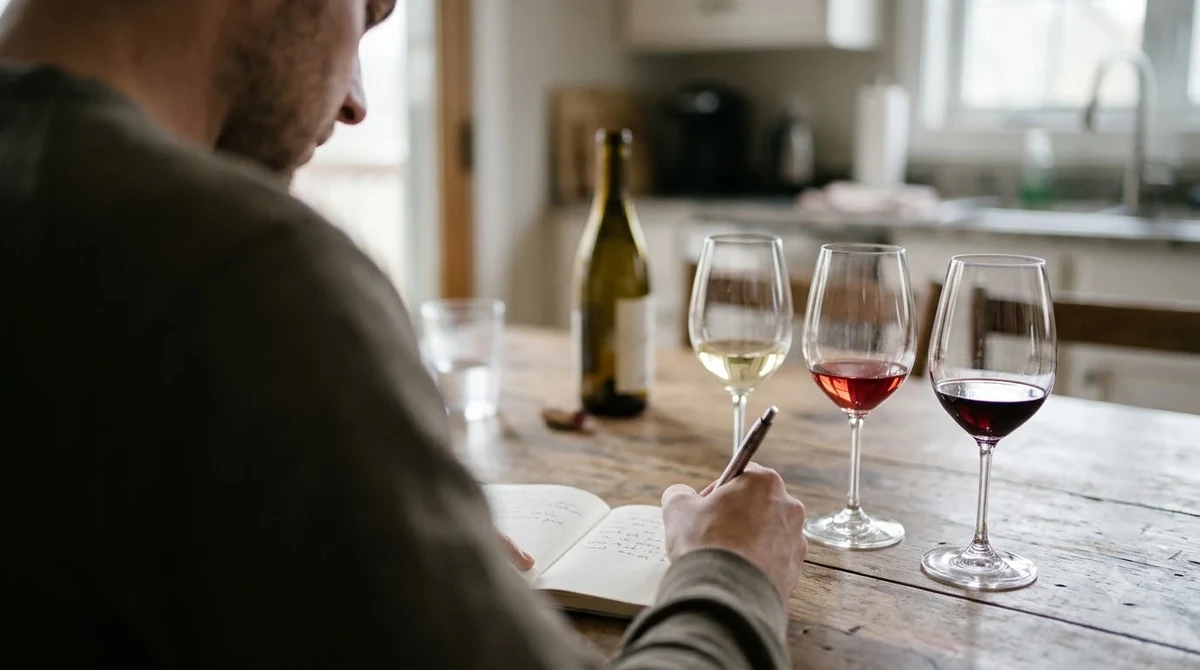
In a young Cava de Guarda, green apple and pear are among the most recognizable fruit characteristics. These aromas may be accompanied by lemon, lime, white peach and occasionally raspberry, depending on the blend and whether the wine is white or rosé. The overall impression is bright, clean and refreshing rather than heavy or intensely tropical.
Citrus aromas are particularly useful when describing Cava. Lemon zest, grapefruit and fresh citrus peel can provide an impression of freshness, while white-flower aromas add a delicate fragrance. Some examples also show herbal suggestions, including fennel and subtle Mediterranean botanical notes.
As Cava ages on its lees, the aromatic profile becomes more layered. Fresh fruit remains present in many bottles, but additional characteristics can include freshly baked bread, bread dough, brioche, biscuit, pastry and toasted nuts. These aromas develop through the interaction between the wine and the spent yeast cells left in the bottle after the second fermentation.
More mature Gran Reserva examples can show hazelnut, almond, dried apricot, candied citrus peel and toasted bread. Particularly developed wines may introduce coffee, caramel, mocha or honey-like nuances. These characteristics do not mean that the wine is necessarily sweet. A dry sparkling wine can have pronounced pastry and ripe-fruit aromas while retaining a dry finish.
Mineral impressions may also appear, especially in more distinctive, longer-aged examples. Terms such as chalky, stony or saline describe sensory impressions rather than ingredients added to the wine. They can help communicate the wine’s overall character when straightforward fruit descriptions are insufficient.
For a useful tasting description, identify three aromatic groups: fruit, floral or herbal notes, and yeast-derived characteristics. For example, a young bottle might suggest green apple, lemon and white flowers, while a mature example might show baked apple, brioche and hazelnut. This approach creates a clearer description than simply calling every sparkling wine crisp or fruity.
How Macabeo, Parellada and Xarel·lo Shape the Taste
The traditional Cava blend relies on three principal Spanish grape varieties: Macabeo, Parellada and Xarel·lo. Each contributes a different component, from fresh fruit and fragrance to acidity and structure.
Macabeo, also known as Viura in other Spanish wine regions, contributes fresh fruit and approachable aromatic character. In Cava, it can provide impressions of apple, pear, citrus and delicate white flowers. Its relatively gentle profile helps create an inviting base for sparkling blends.
Parellada contributes aromatic lift, freshness and acidity. It can add delicate floral notes, citrus characteristics and finesse to the finished wine. Its contribution helps prevent a blend from feeling overly broad, especially when combined with richer components or extended lees aging.
Xarel·lo provides much of the structure and character associated with traditional Cava. It can contribute body, freshness and distinctive herbal or earthy impressions. Depending on the wine and production approach, tasters may encounter fennel, green fruit, citrus peel or subtle mineral characteristics.
These grapes work together because their characteristics complement rather than duplicate one another. Macabeo supplies fruit, Parellada contributes aromatic detail and acidity, and Xarel·lo provides structural depth. The proportions vary between producers, so two bottles made from the same varieties can still taste noticeably different.
International varieties also play a role. Chardonnay and Pinot Noir are permitted in Cava production, providing producers with additional blending options. Chardonnay can contribute citrus, orchard fruit and a broader palate, while Pinot Noir can bring red-fruit character and additional structure.
Rosé Cava introduces another aromatic direction. Red varieties used in its production include Trepat, Garnacha, Pinot Noir and Monastrell. Depending on the blend, rosé examples may show strawberry, raspberry, cherry and red-currant aromas alongside the familiar citrus and yeast characteristics of traditional-method sparkling wine.
Single-variety examples can also reveal the individual character of a grape more clearly than a traditional blend. A Xarel·lo-focused sparkling wine, for example, can emphasize structure, savory complexity and distinctive herbal notes. Comparing these wines with traditional blends is a useful way to understand how grape selection influences the final profile.
Tip: When comparing two Cavas, start with the grape blend before considering individual flavor descriptions. A traditional Macabeo, Parellada and Xarel·lo blend provides a useful reference point for recognizing the contributions of Chardonnay, Pinot Noir and other permitted varieties.
How Bottle Aging Changes Cava’s Flavor and Texture
Bottle aging is one of the most important influences on Cava tasting notes. The minimum aging periods progress from 9 months for Cava de Guarda to 18 months for Reserva, 30 months for Gran Reserva and 36 months for Cava de Paraje Calificado.
During traditional-method production, the second fermentation takes place inside the bottle. The yeast converts added sugar into alcohol and carbon dioxide, creating the wine’s natural bubbles. After fermentation, spent yeast cells remain in contact with the wine during the aging period.
This contact with the lees influences both aroma and texture. A process called autolysis occurs as enzymes break down the spent yeast cells, contributing compounds that influence the wine’s aromatic complexity and mouthfeel. The longer the wine remains in contact with the lees, the more pronounced these characteristics can become. The D.O. Cava explanation of the aging process describes how lees contact contributes to aromatic development and bubble integration.
| Cava category | Minimum aging | Typical tasting notes | Texture |
|---|---|---|---|
| Cava de Guarda | 9 months | Apple, pear, lemon, white flowers | Lively, fresh bubbles |
| Cava Reserva | 18 months | Ripe fruit, brioche, bread dough, dried fruit | Finer, creamier bubbles |
| Cava Gran Reserva | 30 months | Toasted bread, hazelnut, almond, pastry | Fine, integrated bubbles |
| Cava de Paraje Calificado | 36 months | Mineral notes, nuts, honey, spice, mocha | Creamy, structured palate |
The table reflects the D.O. Cava aging classification. These are minimum periods rather than exact descriptions of every bottle. Producers can age their wines longer, and differences in grape selection, dosage and winemaking can create considerable variation within each category.
Cava de Guarda: The youngest category emphasizes fresh fruit and floral aromas. Green apple, pear, lemon and peach are common reference points. The bubbles tend to feel lively and relatively prominent because they have had less time to integrate into the wine.
Cava Reserva: With at least 18 months of aging, Reserva develops greater aromatic richness. Riper fruit, bread dough, brioche and pastry become more noticeable. The bubbles can feel smaller and creamier, while the palate develops additional depth without necessarily losing its freshness.
Cava Gran Reserva: A minimum of 30 months of aging encourages more pronounced autolytic characteristics. Expect toasted bread, hazelnut, almond, pastry and candied fruit, alongside mature orchard-fruit notes. Its bubbles are generally finer and better integrated, and the overall texture can feel round and velvety.
Cava de Paraje Calificado: This category requires at least 36 months of aging and additional vineyard and production standards. Its tasting profile can combine mineral impressions associated with the specific growing site, roasted nuts, floral honey, spice and toasted notes such as mocha or toffee. The wines can show considerable structure and creaminess while retaining acidity.
For readers comparing Spanish sparkling wine with French examples, the extended lees character is a useful starting point. Both Cava and Champagne use bottle fermentation, but their grape varieties, growing environments and individual production choices produce different aromatic expressions. A comparison with Sancerre tasting notes can also help clarify the contrast between fresh, still Sauvignon Blanc and the yeast-derived complexity of traditional-method sparkling wine.
Acidity, Sweetness, Bubbles and Mouthfeel
Cava typically combines refreshing acidity, a lively mousse and a dry or moderately rounded palate. Sweetness depends on the dosage, while bottle aging influences how fine the bubbles feel and how creamy the wine becomes.
Acidity is central to the balance of Cava. It provides freshness and helps offset the richer texture that develops during lees aging. Lemon, green apple and grapefruit impressions often reinforce this sensation. A young Cava may feel particularly energetic, while a mature bottle can combine similar freshness with a broader and more layered palate.
It is useful to distinguish acidity from sweetness. A wine can taste fruity without being sweet, and a wine with pronounced pastry aromas can still finish dry. Acidity is the mouthwatering sensation associated with freshness, whereas sweetness refers to residual sugar in the finished wine.
Dosage is the addition made before final bottling to establish the wine’s sweetness category. The terminology on the label helps identify the expected level of sweetness.
- Brut Nature: 0–3 grams of residual sugar per liter.
- Extra Brut: 0–6 grams per liter.
- Brut: Up to 12 grams per liter.
- Extra Dry: 12–17 grams per liter.
- Dry: 17–32 grams per liter.
- Demi-Sec: 32–50 grams per liter.
- Doux: More than 50 grams per liter.
Brut is a familiar choice for drinkers who prefer dry sparkling wine with enough fruit to balance its acidity. Brut Nature and Extra Brut offer particularly dry expressions, while Demi-Sec and Doux provide noticeably sweeter profiles. Extra Dry is an important label distinction because, despite its name, it is sweeter than Brut.
Bubbles contribute another essential part of the tasting experience. Young Cava often has energetic, clearly noticeable bubbles, while longer-aged examples can develop a finer and more integrated mousse. The bubbles help carry aromas toward the nose and contribute to the wine’s overall sense of freshness.
Mouthfeel ranges from light and lively to rounded, creamy and substantial. Younger wines generally emphasize freshness and movement across the palate. Extended lees aging can introduce a softer, more textured impression, sometimes accompanied by a lingering finish of toast, nuts and ripe fruit.
Alcohol also contributes to the overall balance, although it should not dominate a well-made example. The best descriptions consider how fruit, acidity, sweetness, bubbles and texture work together rather than treating each characteristic as an isolated quality.
How to Taste Cava and Recognize Quality
A structured tasting of Cava involves examining appearance, aroma, palate and finish. Serving the wine at approximately 40–50°F helps preserve its freshness while allowing its fruit and yeast-derived aromas to emerge.
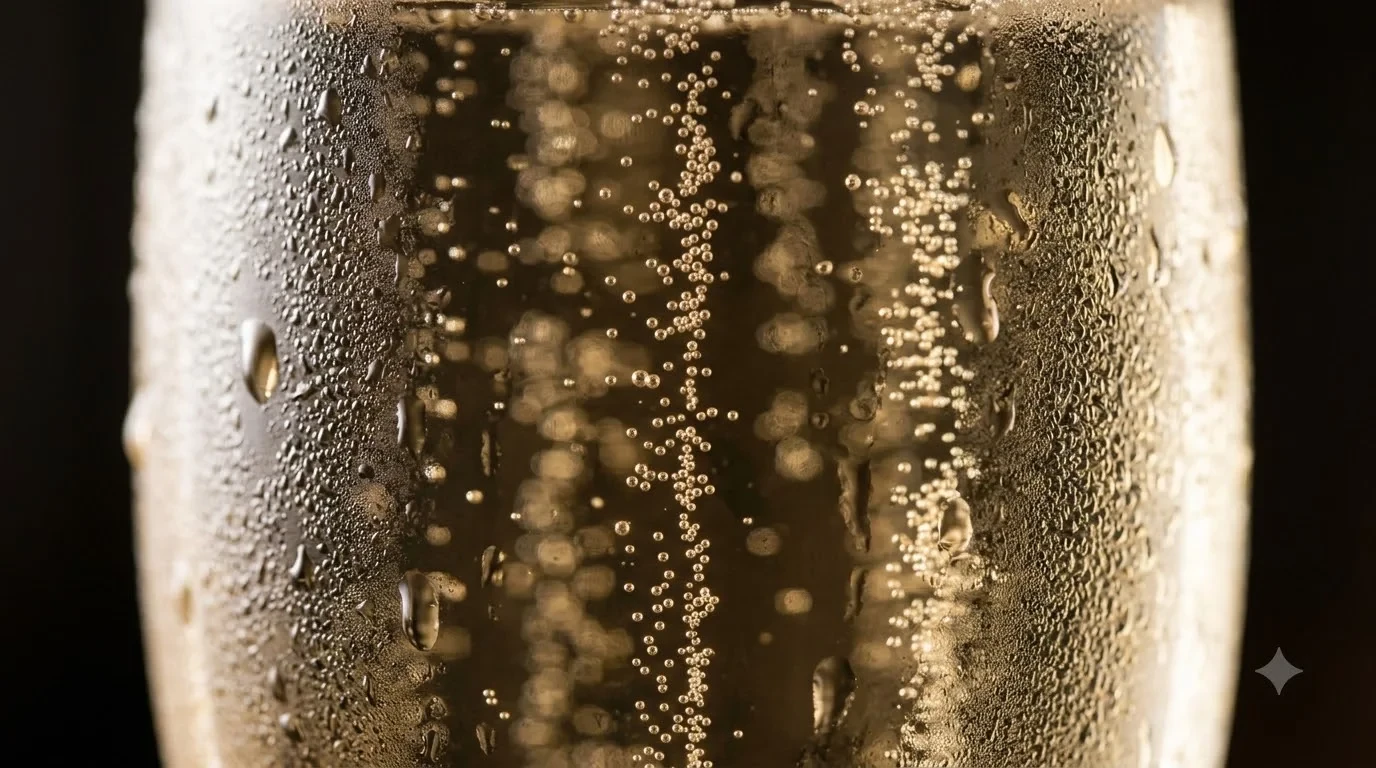
1. Examine the appearance. Pour a small amount into a clean sparkling-wine glass. White Cava commonly ranges from pale yellow to straw yellow, sometimes with greenish highlights. Rosé Cava can range from pale pink to deeper pink shades. Look for a bright appearance and a steady stream of bubbles.
2. Assess the bubbles. Observe how the bubbles rise through the glass and collect at the surface. Young Cava may have a more energetic mousse, whereas mature examples can show smaller, more integrated bubbles. Bubble size alone does not establish quality, but it contributes useful information about the wine’s presentation.
3. Evaluate the aromas. Begin with a gentle swirl, then identify the most prominent fruit characteristics. Look for green apple, pear, lemon and peach before considering secondary aromas such as white flowers, fennel and citrus peel. In Reserva or Gran Reserva, pay particular attention to brioche, toast, almond and hazelnut.
4. Assess the palate. Take a small sip and consider the balance between acidity, sweetness and texture. Notice whether the wine feels light and energetic or broad and creamy. The bubbles should complement the wine rather than overwhelm its fruit and structure.
5. Consider the finish. After swallowing, observe how long the flavors remain. A younger Cava may finish with apple, lemon and refreshing acidity. An older example can leave lingering impressions of pastry, toasted nuts, ripe fruit and mineral character.
The following descriptors can help organize a tasting note:
- Appearance: Pale yellow, straw yellow, bright pink or salmon pink.
- Aroma: Green apple, pear, lemon, white flowers, brioche or hazelnut.
- Palate: Fresh, dry, crisp, creamy, structured or rounded.
- Acidity: Refreshing, lively, balanced or moderate.
- Finish: Clean, citrus-driven, nutty, toasty or lingering.
Quality assessment should consider balance and complexity together. A young Cava does not need extensive toast or nut aromas to be enjoyable. Its purpose may be to deliver clean fruit, freshness and energetic bubbles. Similarly, an older bottle should offer more than obvious yeast character: its fruit, acidity, texture and finish should remain integrated.
It is also useful to compare the wine’s aromatic intensity with its aging category. A Reserva that shows clear brioche and ripe fruit is expressing characteristics associated with its additional lees contact. However, an individual producer’s approach can influence how strongly those aromas appear.
For a broader understanding of the differences among sparkling, white, red and rosé styles, explore Wine by Type. Building a vocabulary across different wine styles makes it easier to describe Cava accurately and distinguish its characteristics from those of still wines. Decanter’s Cava profile and grape-variety overview also explains how the traditional Spanish varieties contribute to the wine’s distinctive character.
Food Pairings, Serving Temperature and Storage
Cava’s acidity, bubbles and range of dry to sweet styles make it versatile at the table. Seafood, salty appetizers, fried foods and lighter Mediterranean dishes are especially useful pairings, while mature Cava can accompany richer preparations.
Seafood and shellfish: Young Brut Cava pairs naturally with oysters, shrimp, mussels, scallops and grilled white fish. Its acidity refreshes the palate between bites, while the bubbles provide a lively contrast to the delicate texture of seafood. Avoid pairing a strongly tannic red wine with oily fish; Cava offers a more suitable sparkling alternative.
Fried foods: Fried calamari, croquettes, potato chips and tempura are good partners for dry Cava. Acidity helps balance the richness of fried dishes, and the carbonation provides a refreshing contrast to their crisp, oily surfaces.
Cheese and charcuterie: Manchego, aged sheep’s-milk cheese, cured ham and savory tapas work well with Brut Cava. Salt and fat soften the perception of tannin in red wines, while sparkling wine provides acidity and freshness to balance rich and salty ingredients.
Vegetables and salads: Young Cava can accompany grilled vegetables, green salads, olives and dishes featuring citrus-based dressings. The wine’s freshness works particularly well with ingredients such as asparagus, fennel and roasted peppers. For strongly acidic dressings, choose a wine with sufficient acidity so that it does not taste flat alongside the food.
Richer dishes: Reserva and Gran Reserva can pair with roasted poultry, mushroom dishes, creamy seafood preparations and savory pastries. Their bread, nut and pastry aromas complement browned surfaces and richer textures. A mature Cava can also work with dishes featuring roasted almonds or herbs.
Desserts: Sweetness requires particular attention. The wine should be at least as sweet as the dessert to avoid tasting thin or excessively acidic. Demi-Sec or Doux Cava is more appropriate for sweet pastries and fruit desserts than a very dry Brut Nature. Brut can work with lightly sweetened dishes when the dessert does not overpower it.
Serving temperature
Serve Cava at approximately 40–50°F. This range keeps the wine refreshing and helps maintain its bubbles. Avoid serving it excessively warm, which can make the alcohol more noticeable and reduce the sense of freshness. Serving it too cold can suppress delicate aromas, particularly in older bottles.
A tulip-shaped sparkling-wine glass is a practical choice because it provides room for the wine’s aromas while retaining the visual appeal of the bubbles. A standard 5-ounce pour is suitable for tasting, and a 750-milliliter bottle provides approximately five glasses.
Opening and storing the bottle
Chill the bottle thoroughly before opening. Remove the foil and loosen the wire cage while keeping a thumb over the cork. Hold the cork securely, angle the bottle away from people and fragile objects, and rotate the bottle slowly rather than pulling the cork sharply. A gentle release helps preserve the wine and its carbonation.
Once opened, sparkling Cava generally keeps for approximately 1–3 days in the refrigerator when sealed with a suitable sparkling-wine stopper. The bubbles gradually diminish, so the wine is usually best enjoyed soon after opening.
For unopened bottles, store Cava in a cool, dark location with a stable temperature. A storage temperature near 55°F is a useful target. Keep bottles on their sides when appropriate for long-term storage and avoid repeated temperature changes, direct sunlight and unnecessary vibration.
Most standard Cava is intended to be enjoyed for its freshness rather than stored for extended periods. Longer-aged categories can have greater complexity, but additional bottle storage after purchase does not automatically improve every wine. The producer’s style, release condition and intended drinking window all matter.
Frequently Asked Questions
Does Cava taste like Champagne?
Cava and Champagne share traditional-method production, but they are not identical in flavor. Champagne is generally associated with Chardonnay, Pinot Noir and Pinot Meunier, while traditional Cava relies on Macabeo, Parellada and Xarel·lo. Their different grape combinations and growing environments produce distinct aromatic and textural profiles.
Is Cava made only in Catalonia?
No. Although Catalonia is the historic center of Cava production, the designation includes approved production territories elsewhere in Spain. These include areas in the Ebro Valley, Extremadura and Requena in Valencia. The designation is governed by production rules rather than being limited to one Spanish province.
Can Cava be made from a single grape variety?
Yes. Although traditional Cava commonly uses blends of Macabeo, Parellada and Xarel·lo, producers can make varietal expressions using permitted grapes. Single-variety Xarel·lo examples are particularly interesting for exploring the grape’s individual structural and aromatic characteristics.
What does the word Cava mean in Spanish?
The Spanish word cava refers to a cellar or underground wine-storage space. The name reflects the traditional cellars where sparkling wines rested during bottle fermentation and aging. The designation became the official name for the Spanish sparkling-wine category in 1959.
What is the difference between Cava and Crémant?
Both Cava and Crémant are traditional-method sparkling wines, but they come from different European wine regions and follow different appellation rules. Crémant is produced in several French regions outside Champagne, including Alsace, Burgundy and the Loire. Its permitted grapes and typical aromas vary according to the regional appellation.
Cava offers a wide range of tasting experiences, from youthful apple and citrus aromas to mature brioche, toasted nuts and creamy textures. Its grape varieties, sweetness levels and aging categories provide practical clues for identifying the style in your glass. Start with a fresh Cava de Guarda, compare it with a Reserva or Gran Reserva, and the influence of traditional-method aging becomes much easier to recognize.
More in Wine Types & Grapes
 What Does Ruby Port Taste Like? Flavor Notes, Styles, and Serving TipsUpdated Nov 21, 2026
 What Does Ribolla Gialla Taste Like? Crisp White and Amber Styles ExplainedUpdated Nov 21, 2026
 What Does Semillon Taste Like? Flavor Profile, Styles & PairingsUpdated Nov 21, 2026
 What Does Scuppernong Taste Like? Flavor, Styles, and Pairing GuideUpdated Nov 21, 2026
 What Does Saperavi Taste Like? Flavors, Styles, and Pairing GuideUpdated Nov 21, 2026
 What Does Natural Wine Taste Like? Flavors, Styles, and Serving TipsUpdated Nov 21, 2026