

We may earn a commission when you buy through links on this page, at no extra cost to you. Learn more.
This castello banfi wine review finds that Castello Banfi is a strong choice for drinkers who enjoy structured Tuscan reds, especially Sangiovese-based Brunello di Montalcino and Rosso di Montalcino. Its wines combine ripe cherry and plum flavors with noticeable acidity, savory characteristics, and oak-derived complexity. Brunello is the more substantial, age-worthy option, while Rosso di Montalcino offers a more approachable introduction to the producer’s style.
Castello Banfi is a recognizable name in Tuscan wine, particularly for its Montalcino bottlings. The producer’s portfolio includes traditional Sangiovese wines as well as more concentrated selections and different expressions of Brunello. Choosing the right bottle means understanding the differences between these wines, how their oak aging affects their character, and which occasions suit their structure. This guide examines the principal styles, explains what to expect in the glass, and provides practical advice for selecting and serving Castello Banfi wines.
Who This Is For
Castello Banfi is worth considering for wine drinkers who appreciate Italian reds with fresh acidity, developed fruit flavors, and enough tannin to accompany substantial meals. Its Montalcino wines are particularly relevant to people exploring Sangiovese beyond Chianti, including those interested in Brunello’s combination of regional character and extended maturation.
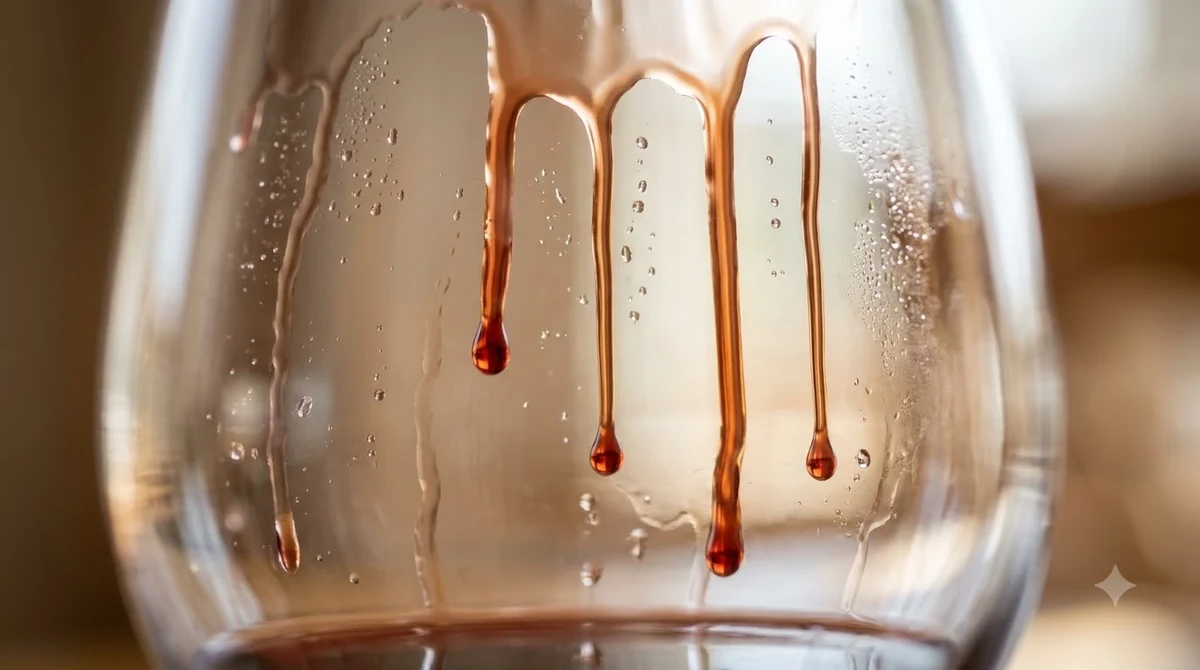
Brunello di Montalcino is the natural starting point for anyone interested in the estate’s more serious wines. Made entirely from Sangiovese, it offers a combination of cherry, plum, licorice, tobacco, and structured tannins. The standard Castello Banfi Brunello was first produced in 1978, establishing a long-standing connection between the label and the Montalcino appellation. Its combination of fruit, acidity, and oak influence makes it suitable for drinkers who enjoy reds with a developed rather than immediately simple character.
Rosso di Montalcino is a better starting point for someone who wants a less demanding bottle. It also uses Sangiovese, but its aging requirements and overall positioning differ from Brunello. Banfi’s Rosso di Montalcino was first produced in 1982 and spends 12 months aging in French oak casks and barriques. The result is a wine that can provide recognizable Tuscan characteristics without requiring the same commitment as a more substantial Brunello.
Castello Banfi may also appeal to people who enjoy pairing red wine with food. Sangiovese’s naturally noticeable acidity works particularly well with tomato-based dishes, roasted meats, and savory Italian cooking. Brunello’s greater tannin structure can stand alongside richer preparations, while Rosso can accompany pasta, grilled sausages, and medium-aged cheeses.
However, these wines are not ideal for every preference. Someone who mainly drinks sweet, low-tannin reds or light-bodied fruit-forward wines may find Brunello too structured. Likewise, anyone looking for a delicate, inexpensive everyday red may prefer Rosso over a more complex Brunello bottling.
For a broader introduction to the producer and its portfolio, the Castello Banfi wine overview provides useful context before comparing individual bottles.
Key Factors to Compare
The most useful comparison points are grape variety, appellation, oak aging, tannin structure, and drinking occasion. Although several Castello Banfi wines share Sangiovese as their foundation, differences in production and maturation create distinct drinking experiences.
| Comparison factor | Castello Banfi Brunello | Castello Banfi Rosso |
|---|---|---|
| Appellation | Brunello di Montalcino DOCG | Rosso di Montalcino DOC |
| Main grape | Sangiovese | Sangiovese |
| First production | 1978 | 1982 |
| Oak aging | At least 24 months | 12 months |
| Large oak casks | 80% of the aging blend | Part of the aging program |
| Smaller oak barriques | 20% of the aging blend | Part of the aging program |
| Typical character | Structured, complex, persistent | Fruity, savory, approachable |
| Best use | Special dinners and cellar-worthy occasions | Everyday meals and casual gatherings |
The Brunello aging information is particularly useful when comparing bottles. According to Banfi’s technical information, its standard Brunello spends at least two years in French oak, with 80% aged in large 60- and 90-hectoliter casks and 20% in 350-liter barriques. These different vessel sizes provide different degrees of wine-to-wood contact. The larger casks allow maturation without the same degree of oak influence associated with smaller barrels.
Rosso di Montalcino follows a shorter 12-month aging program using French oak casks and barriques. This difference helps explain why Rosso generally makes more sense for drinkers looking for a relatively accessible expression of Sangiovese, while Brunello is the more substantial choice for a slower dinner or a bottle intended for further development.
Another important consideration is vintage variation. The 2021 Brunello, for example, experienced a spring frost that affected the lower and middle vineyard areas, reducing yields by approximately 10–15%, according to the producer. Its published tasting description emphasizes plum, ripe cherry, licorice, tobacco, polished tannins, and pronounced acidity.
Independent reviews provide another useful perspective. Wine Enthusiast’s assessment of the 2020 Castello Banfi Brunello highlighted earth, crushed rocks, herbs, berries, and chewy tannins. The publication awarded the wine 91 points. Its 2020 Castello Banfi Brunello review provides an independent tasting perspective alongside the producer’s own description.
For a broader comparison of the company’s red portfolio, the Banfi red wine selection helps explain where its Montalcino bottles fit among its other Italian reds.
Tip: Compare wines from the same appellation and, whenever possible, similar vintages. A Brunello and a Rosso may share the same grape, but their different aging requirements make them fundamentally different purchasing choices.
Step-by-Step: How to Choose a Castello Banfi Bottle
A good purchase begins with the occasion rather than the label alone. Identify the desired level of structure, decide how soon the wine will be opened, and then choose the appropriate Montalcino style.
-
Decide how substantial the wine should be.
Choose Brunello if you prefer full-bodied reds with developed tannins and considerable persistence. Choose Rosso if you want a more approachable Sangiovese for a regular dinner. Both can show cherry and savory flavors, but Brunello generally provides a more substantial experience.
-
Choose the appropriate appellation.
Brunello di Montalcino DOCG is the more demanding category, with stricter production and aging requirements. Rosso di Montalcino DOC provides a different expression of the same regional grape tradition and generally reaches the table sooner.
-
Consider the food.
For grilled beef, braised lamb, and rich mushroom dishes, Brunello is a natural candidate. For tomato-based pasta, roasted chicken, grilled pork, and medium-aged cheese, Rosso is often easier to match.
-
Look at the individual bottling.
Start with standard Castello Banfi Brunello or Rosso before exploring labels such as Poggio alle Mura, Poggio all’Oro Riserva, and Vigna Marrucheto. These names represent different expressions within the producer’s Montalcino collection.
-
Compare the vintage.
Vintage conditions affect ripeness, acidity, alcohol, and tannin development. For example, Banfi describes its 2021 Brunello as having ripe cherry and plum characteristics, while its 2020 Brunello received an independent Wine Enthusiast review emphasizing earthy flavors and chewy tannins.
-
Decide whether to drink or hold the bottle.
Rosso is generally the more practical choice for a near-term meal. Brunello has greater potential for bottle development, although the ideal drinking window depends on the individual vintage and bottling.
-
Plan the serving conditions.
Allow full-bodied Brunello to warm slightly if stored too cold, and consider decanting a young, structured bottle for 30–60 minutes. Rosso can generally be served with less preparation.
This approach prevents a common buying mistake: selecting a prestigious wine when a more immediately enjoyable bottle would better suit the meal. The most expensive or elaborate category is not automatically the most appropriate choice.
Types and Styles Explained
Castello Banfi’s Montalcino collection includes several expressions of Brunello alongside Rosso di Montalcino. Understanding their positioning makes it easier to choose between a classic regional red, a more distinctive selection, and a bottle intended for a special occasion.
Castello Banfi Brunello di Montalcino
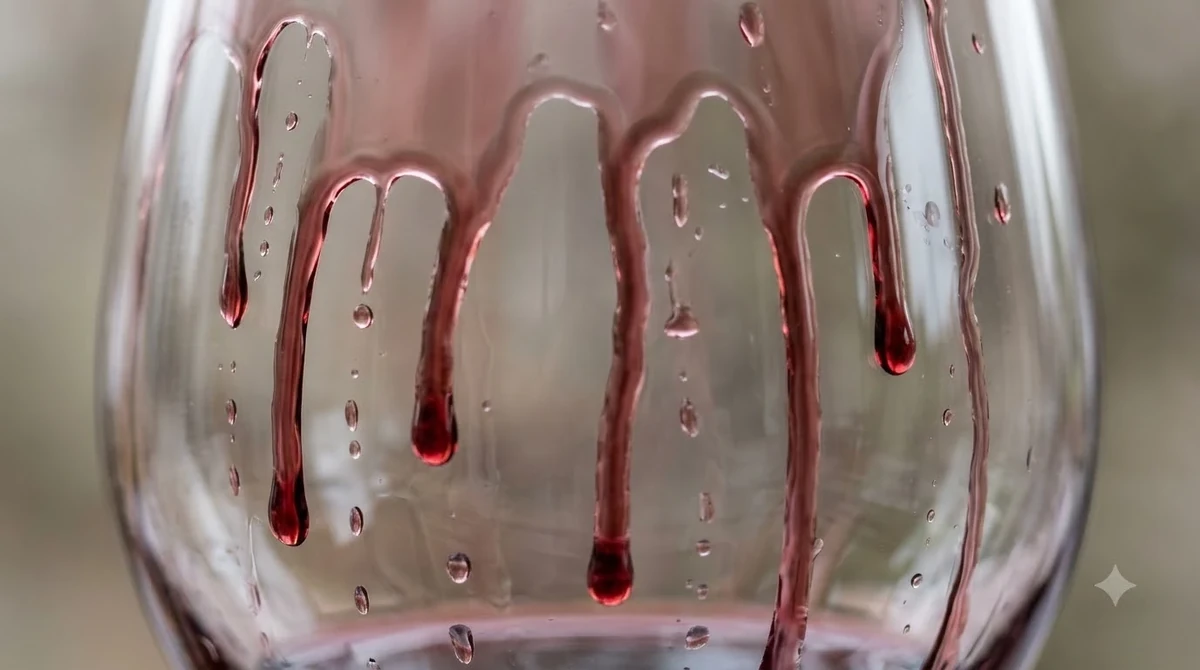
The standard Brunello is the most straightforward introduction to the producer’s flagship Montalcino style. Made from Sangiovese, it combines ripe red and dark fruit with licorice, tobacco, firm tannins, and balancing acidity. Banfi describes the wine as rich and elegant, with a powerful structure and good aging potential.
Its French oak maturation is an important part of the finished profile. The combination of large casks and smaller barriques provides an extended maturation period while maintaining the underlying character of Sangiovese. For drinkers who want a traditional Brunello experience from an established producer, this is the logical starting point.
Castello Banfi Rosso di Montalcino
Rosso di Montalcino is the more approachable member of Banfi’s core Montalcino range. Its fruit profile can include blackberry, raspberry, coffee, and tobacco, while its natural acidity provides freshness and helps it work with food.
The 12-month oak aging program gives the wine some development without the longer maturation associated with Brunello. It is particularly useful for people who want to explore Tuscan Sangiovese without opening a more substantial bottle. A serving temperature around 55–60°F can help preserve its freshness and fruit character.
Poggio alle Mura Brunello
Poggio alle Mura is another important name within Banfi’s Brunello collection. The standard Poggio alle Mura Brunello and its Riserva version offer alternatives to the classic Castello Banfi bottling. Their positioning makes them relevant to buyers who want to explore different interpretations of Brunello rather than simply choosing another producer.
Individual vintages can show substantial differences in fruit concentration, tannin, and development. Published professional assessments of Poggio alle Mura include descriptions of cherry, strawberry, currant, mineral notes, and firm structure. The Riserva category is particularly relevant for someone seeking a more extended maturation experience.
Poggio all’Oro Brunello Riserva
Poggio all’Oro Riserva is another distinct label in the producer’s Brunello portfolio. It belongs to the more specialized end of the collection and is a reasonable consideration for experienced Brunello drinkers who already understand the standard bottling.
Riserva wines generally require greater patience and are often selected for special meals or longer-term cellaring. Individual vintage conditions remain important, so buyers should evaluate the specific bottle rather than assume that every Riserva will have an identical flavor profile or drinking window.
Vigna Marrucheto Brunello
Vigna Marrucheto represents a single-vineyard expression within the Banfi Brunello collection. This is particularly interesting for enthusiasts who enjoy examining how individual vineyard locations can influence the finished wine.
Banfi’s published review information for the 2021 Vigna Marrucheto highlights dark plum, dried cherry, earth, fruit, and licorice characteristics, with a substantial tannin structure. This is a more specialized option for someone interested in comparing different Brunello expressions from the same producer.
For a wider look at the company’s other offerings, the Banfi wine collection provides a useful starting point beyond Montalcino.
Common Mistakes When Buying Castello Banfi
The biggest mistake is treating all Castello Banfi red wines as interchangeable. Shared branding and regional origins do not mean that Brunello, Rosso, and the producer’s more specialized bottlings deliver the same experience.
Confusing Brunello and Rosso
Both wines use Sangiovese, but their appellations and production requirements are different. Brunello di Montalcino requires substantially longer maturation, making it a more structured and developed wine category. Rosso di Montalcino is designed around a shorter maturation period and an earlier drinking opportunity.
For someone serving pasta on a weeknight, Rosso may be the more sensible purchase. For a holiday dinner featuring grilled beef or braised lamb, Brunello may provide the depth and structure needed for the occasion.
Assuming Every Vintage Tastes the Same
Climate conditions influence the character of Sangiovese. Temperature, rainfall, vineyard exposure, and harvest timing affect grape ripeness and acidity. The 2021 growing season in Montalcino, for example, included a spring frost and a warm, relatively dry late summer.
Consequently, tasting descriptions from one vintage should not automatically be applied to another. Compare the vintage-specific information rather than relying exclusively on the producer name.
Serving Brunello Too Warm
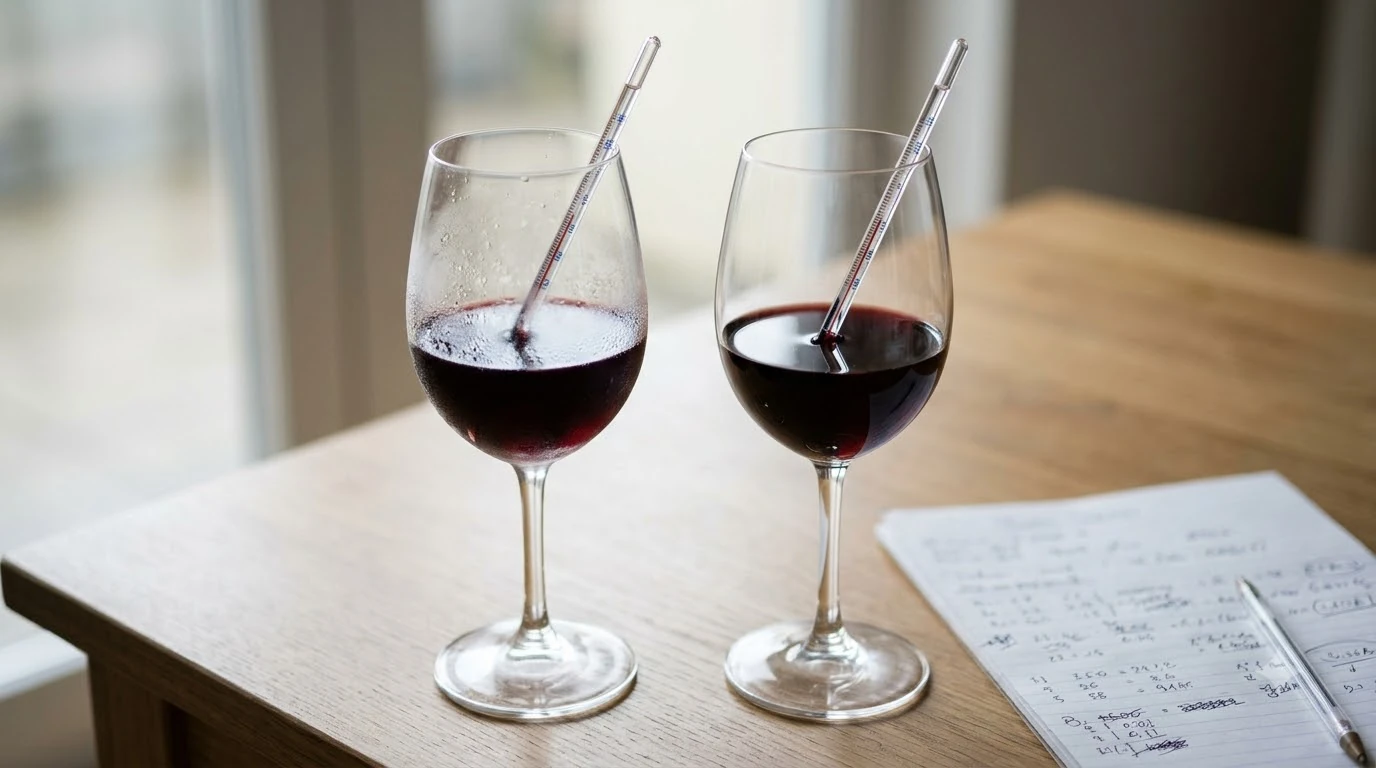
Full-bodied reds are often served warmer than necessary. Excessive warmth can make alcohol more noticeable and reduce the perception of freshness. For Brunello, a serving range around 60–65°F is generally more useful than typical room temperature in a heated home.
Rosso can benefit from a slightly cooler presentation, particularly when served with food in a warm dining room.
Pairing Tannin With the Wrong Food
Brunello’s tannins work well with protein-rich dishes and fatty preparations. They can feel less comfortable alongside delicate seafood, particularly oily fish, where the combination may produce an unpleasant impression.
Highly spicy dishes also require care because alcohol and tannin can amplify chili heat. Tomato sauces, aged cheeses, grilled meats, and savory mushroom preparations are generally more dependable choices.
Opening an Age-Worthy Wine Too Quickly
Some young Brunello bottles can initially feel tight, particularly when their tannins and acidity dominate the fruit. Giving a young full-bodied red 30–60 minutes in a decanter can help it open and become more expressive.
However, extended aeration is not automatically beneficial for every bottle. Older wines can be more delicate, and excessive exposure to air may diminish their aromatic detail.
Care, Serving, and Storage Tips
Correct serving and storage conditions help preserve the fruit, acidity, and structure that make Castello Banfi wines appealing. Brunello benefits from thoughtful temperature control and careful handling, while Rosso generally requires less preparation.
Choose the Right Serving Temperature
For full-bodied Castello Banfi Brunello, aim for approximately 60–65°F. This range allows the wine’s cherry, plum, tobacco, and savory characteristics to emerge without making the alcohol seem excessively prominent.
For Rosso di Montalcino, approximately 55–60°F is a practical starting point. A slightly cooler serving temperature can make its fruit and acidity feel particularly refreshing alongside food.
Use Decanting Selectively
A young Brunello with substantial tannins can benefit from 30–60 minutes of decanting. This gives the wine time to interact with oxygen and can make its aromas easier to appreciate.
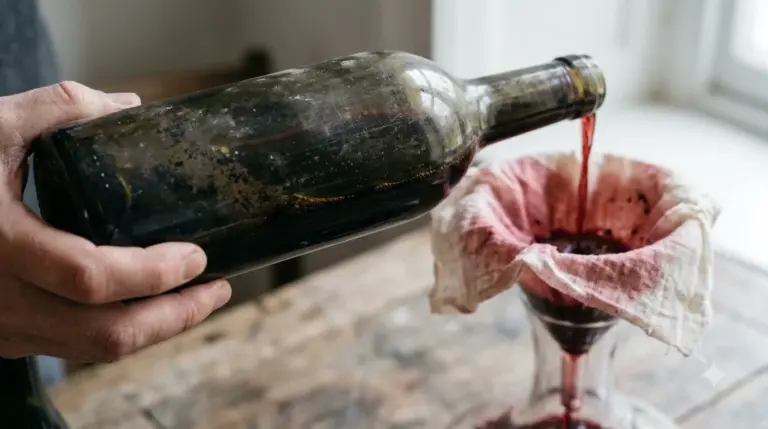
Decanting also provides an opportunity to separate sediment from older bottles. Pour slowly and stop when sediment approaches the neck of the bottle. Older wine should be handled more cautiously because its aromas and structure may be more fragile.
Store Bottles Properly
Keep bottles in a cool, dark location with a relatively stable temperature near 55°F. Avoid direct sunlight, significant temperature fluctuations, and storage near heating equipment. Bottles with natural cork closures are best stored horizontally to help keep the cork from drying out.
Long-term storage is particularly relevant for Brunello because its acidity and tannin structure can support bottle development. Rosso is generally better approached as a wine for earlier consumption, although individual bottlings can vary in their ability to age.
Preserve Opened Wine
Once opened, recork the bottle and place it in the refrigerator, including red wine. Cooler temperatures slow oxidation and help preserve the remaining wine. Most opened still wines retain their best characteristics for approximately three to five days when properly stored.
Remove the bottle from the refrigerator before serving and allow it to approach the appropriate drinking temperature. A full-bodied Brunello may need additional time to warm, while Rosso can be ready sooner.
Pouring a standard 5-ounce glass from a 750 ml bottle gives approximately five servings. This is a useful planning measurement for dinner parties and tasting gatherings, particularly when serving a wine intended to accompany several courses.
Castello Banfi’s wines are generally most rewarding when served with food that complements their acidity and structure. A thoughtful serving temperature, appropriate glassware, and careful storage are simple ways to make the experience more enjoyable.
Frequently Asked Questions
Is Castello Banfi an Italian wine producer?
Yes. Castello Banfi is associated with the Montalcino wine estate in Tuscany, Italy. The estate’s wine production includes several important regional categories, including Brunello di Montalcino DOCG and Rosso di Montalcino DOC. Banfi also produces wines from other Italian regions.
Is Castello Banfi Brunello always 100% Sangiovese?
Brunello di Montalcino is a Sangiovese-based appellation requiring the use of the designated grape variety. Banfi identifies Sangiovese as the variety used for its standard Brunello. This makes it different from many Tuscan blends that combine Sangiovese with international varieties such as Cabernet Sauvignon or Merlot.
How many years must Brunello di Montalcino age before release?
Standard Brunello di Montalcino requires a minimum of five years of maturation calculated from January 1 following the harvest, including at least two years in oak. Brunello Riserva requires a longer minimum maturation period of six years. These appellation requirements explain why Brunello generally reaches the market later than Rosso di Montalcino.
Does Castello Banfi make white wine as well as red wine?
Yes. The wider Banfi portfolio includes white wines such as Fontanelle Chardonnay Toscana IGT, San Angelo Pinot Grigio Toscana IGT, and Principessa Gavia Gavi DOCG. These wines provide alternatives for drinkers who enjoy the producer’s broader Italian portfolio but do not always want a structured red.
What glassware works best for Castello Banfi Brunello?
A large-bowled red wine glass is a practical choice for Brunello because it provides room for the wine to aerate and allows its aromas to collect near the rim. A Burgundy-style or generous universal red wine glass works well. Rosso di Montalcino can also be served in a standard medium-to-large red wine glass.
Castello Banfi offers a useful range of Tuscan Sangiovese wines, from approachable Rosso di Montalcino to structured Brunello and specialized vineyard selections. For most newcomers, Rosso is a sensible introduction, while the standard Brunello is the better choice for those seeking greater depth, maturation, and complexity. Start with the style that matches your meal and preferred level of structure, then explore the estate’s other bottlings as your interest in Montalcino grows.
More in Wine Brands
 Fonseca Port Review: How to Choose the Right StyleUpdated Nov 21, 2026
 Franzia White Zinfandel Review: Taste, Sweetness and Serving TipsUpdated Nov 21, 2026
 Franzia White Zinfandel Price: Compare Box Sizes and ValueUpdated Nov 21, 2026
 Erath Wine Review: How to Choose the Right Oregon BottleUpdated Nov 21, 2026
 Franzia Sunset Blush Price: Compare Box Sizes and Get Better ValueUpdated Nov 21, 2026
 Franzia Sangria Review: Taste, Sweetness, Serving Tips and ValueUpdated Nov 21, 2026