

We may earn a commission when you buy through links on this page, at no extra cost to you. Learn more.
This fonseca port review finds that Fonseca is an excellent producer to explore if you enjoy rich, fruit-driven fortified wine, with Bin 27 offering an approachable introduction and Vintage Port providing a more complex option for special occasions. The range includes Ruby, Reserve, Tawny, Late Bottled Vintage and Vintage expressions, each offering a different balance of fruit, sweetness, oak influence and aging potential. Choosing the right bottle depends on whether you want an easy-drinking after-dinner wine, a mellow companion for dessert or a more structured Port to cellar.
Fonseca has a long history in Portugal’s Douro Valley, and its wines are particularly associated with concentrated dark-fruit flavors and generous textures. However, the name alone does not tell you which bottle to buy. A standard Ruby, Bin 27, an age-indicated Tawny and a Vintage release can deliver noticeably different experiences. This guide explains the distinctions, identifies the qualities worth comparing and offers practical advice for selecting, serving and storing Fonseca Port.
Who Should Choose Fonseca Port?
Fonseca is a strong choice for drinkers who appreciate sweet, full-bodied wines with concentrated fruit, a substantial palate and a lingering finish. Its range includes accessible bottles for casual entertaining and more structured expressions suited to thoughtful drinking and longer-term cellaring.
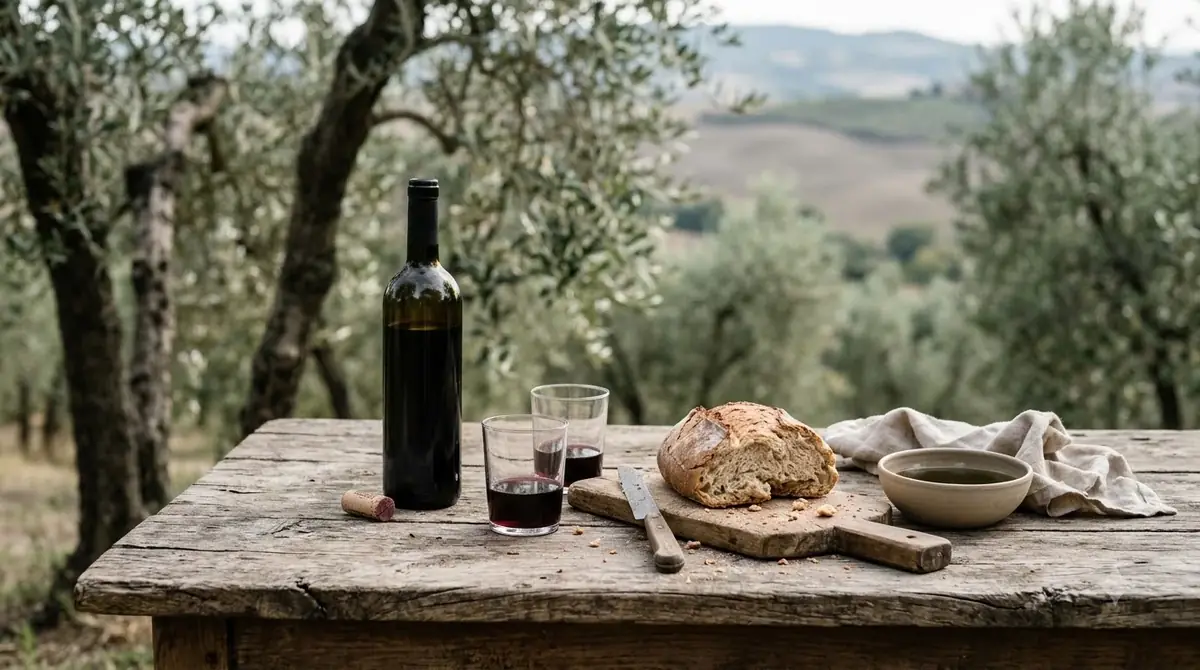
The producer was established in 1815 and has a particularly strong reputation for Vintage Port. Its Bin 27 Reserve Port, however, has become an important part of its identity among everyday Port drinkers. Introduced in Great Britain in 1972, Bin 27 was designed to offer Fonseca’s characteristic richness and fruit concentration in a style that could be enjoyed without the preparation associated with Vintage Port.
According to Fonseca’s producer information, Bin 27 combines selected reserve wines from the Cima Corgo and Douro Superior areas. These wines are blended to maintain a consistent house style rather than expressing just one harvest. The result is a bottle aimed at people who want recognizable Fonseca character without needing to select a particular vintage.
Fonseca is particularly suitable for several types of buyers:
- New Port drinkers: Bin 27 offers a straightforward introduction to the producer’s rich, fruity approach. It is ready to drink and does not require decanting.
- Dessert wine enthusiasts: Ruby and Reserve styles work well with chocolate, berry desserts and mature cheeses.
- Fans of mellow wines: Tawny Port offers a softer, more developed profile with dried-fruit, caramel and spice characteristics.
- Wine collectors: Vintage Port offers greater bottle-aging potential and a more involved drinking experience.
- Hosts and entertainers: Reserve Port is practical when guests may want only a small glass rather than a full serving of table wine.
However, Fonseca may not be the right choice for everyone. People who generally prefer crisp, dry white wines or light-bodied reds may find its fortified wines too sweet, rich and concentrated. Its alcohol content also deserves attention: the Instituto dos Vinhos do Douro e Porto gives a typical range of 19% to 22% ABV for Port wine.
For shoppers comparing producers, exploring Wine Brands can provide useful context about the different traditions and styles represented by established wine houses. Fonseca is particularly worth considering if a rich, fruit-forward character is a priority. Readers comparing another established Portuguese producer can also explore Grahams Port to understand how another house approaches the Ruby, Tawny and Vintage categories.
Key Factors to Compare Before Buying
The most useful way to compare Fonseca bottles is to look at their aging method, fruit profile, texture, drinking readiness and intended occasion. A Reserve Port such as Bin 27 and an age-indicated Tawny may both be sweet, but their aromas and mouthfeel are substantially different.
| Comparison factor | What to look for | Why it matters |
|---|---|---|
| Port style | Ruby, Reserve, Tawny, LBV or Vintage | Determines the general flavor and aging profile |
| Oak maturation | About 3 years for standard Ruby and Tawny | Influences fruit freshness and oxidation |
| Reserve aging | Approximately 4 years for Bin 27 | Helps explain its balance of fruit and maturity |
| LBV maturation | 4 to 6 years in wood | Provides additional development before bottling |
| Vintage bottling | Generally after 2 years in wood | Allows further development in the bottle |
| Typical Port alcohol | 19% to 22% ABV | Helps set expectations for serving size and intensity |
| Bin 27 serving temperature | 16°C to 18°C (61°F to 64°F) | Helps preserve fruit and aromatic balance |
| Standard Tawny serving temperature | 12°C to 16°C (54°F to 61°F) | Provides a refreshing presentation for its mellow flavors |
The aging figures in this comparison describe the relevant styles and Fonseca’s published information, rather than a universal maturation schedule for every Port. The Instituto dos Vinhos do Douro e Porto distinguishes Ruby-style wines, which preserve youthful fruit, from Tawny-style wines, which develop through longer wood aging.
Another important factor is whether the wine is a blend or comes from one harvest. Bin 27 combines reserve wines from different years, while LBV and Vintage Port come from a specific harvest. Colheita is also associated with one harvest, but it follows a wood-aged Tawny approach. These distinctions help buyers understand what the date or category on the bottle actually communicates.
For a first purchase, Bin 27 is a sensible starting point. Its recognizable black-fruit character and ready-to-drink presentation make it easier to serve than an unfiltered Vintage Port. Buyers who already enjoy nutty, oxidative wines may find an age-indicated Tawny more appealing.
Tip: Do not assume that a higher age statement automatically means a better match for your preferences. A 20-year-old Tawny and a young Reserve Port serve different purposes. Choose according to the flavors, texture and occasion you actually want.
Step-by-Step: How to Select a Fonseca Bottle
A simple buying process helps narrow down the range without requiring specialist knowledge of Portuguese fortified wine. Start with the occasion, decide whether you prefer fresh or developed fruit, and then select the level of complexity that makes sense for your plans.
-
Decide when you will serve the Port.
For a casual evening with cheese or chocolate, Bin 27 is a practical choice. For a more formal dessert course, an age-indicated Tawny can offer greater aromatic complexity. If the bottle is intended for a major celebration or collection, investigate Vintage Port.
-
Choose between youthful fruit and mature aromas.
Ruby and Reserve styles emphasize cherry, blackberry and blackcurrant. Tawny styles develop more pronounced dried-fruit, wood, caramel and nutty characteristics. If you enjoy fresh berry flavors, start with Bin 27. If you prefer roasted nuts and dried apricots, consider Tawny.
-
Decide whether you want a blend or a single-harvest wine.
Bin 27 is a multi-year Reserve blend intended to maintain a consistent profile. LBV and Vintage come from individual harvests. A single-harvest expression may be more interesting if you want to explore the influence of a particular growing season.
-
Consider preparation requirements.
Standard Ruby, Reserve and Tawny bottles are generally convenient for immediate serving. Fonseca identifies Bin 27 as ready to drink without decanting. Vintage Port requires more attention because it can develop sediment during bottle aging and often benefits from careful decanting.
-
Match the bottle with your food.
For dark chocolate, rich brownies or farmhouse cheddar, choose Bin 27 or Ruby. For almond desserts, caramel and crème brûlée, consider Tawny. Vintage Port is particularly well suited to strong blue cheeses such as Stilton.
-
Consider how many people will drink it.
A standard 750 ml bottle provides approximately five conventional 5 oz wine servings, although Port is generally poured in smaller portions. For a group that includes several guests who prefer different sweetness levels, offering more than one style can make the selection more versatile.
-
Plan for storage after opening.
Think about whether you will finish the bottle during one occasion or serve it over several weeks. Bin 27 is designed to retain its freshness after opening, while Vintage Port generally deserves more careful handling and a shorter drinking window after exposure to air.
Following these steps helps prevent a common buying mistake: choosing a bottle based only on its producer name or price category without considering its actual style. Fonseca offers several distinct interpretations of Port, and the most suitable one depends on your palate rather than a simple hierarchy of labels.
Fonseca Port Types and Styles Explained
Fonseca’s range covers the major Port styles, from youthful Ruby and Reserve wines to wood-aged Tawny and bottle-aged Vintage expressions. Understanding these categories is essential because each style develops its character differently and suits a different drinking occasion.

Fonseca Ruby
Ruby Port is the straightforward expression of youthful, fruit-driven Port. Fonseca Ruby spends approximately three years in large wooden vats, where the wine develops without losing its deep color and fresh fruit character.
The producer describes cherry and blackcurrant aromas, a full-bodied palate and integrated tannins. Its style makes it suitable for drinkers who want a sweet, uncomplicated fortified wine with a strong berry profile. It is also a useful choice for chocolate desserts and mature blue cheese.
Ruby is particularly appropriate for casual after-dinner drinking. It does not have the additional complexity of an extended bottle-aged Vintage Port, but that is not necessarily a disadvantage when convenience and immediate enjoyment are the priorities.
Fonseca Bin 27 Reserve Port
Bin 27 is arguably the most useful starting point for buyers exploring Fonseca. Introduced in 1972, it was created to express the house’s concentrated fruit character in a smoother, more accessible style than traditional Vintage Port.
Its blend includes selected reserve wines, with fruit sourced from the Cima Corgo and Douro Superior areas. Fonseca describes aromas of blackberry, cassis, cherry and plum, followed by a rich palate with a velvety texture, firm tannins and a lingering dark-fruit finish.
The wine is ready to drink when bottled, and the producer does not require decanting. This makes it particularly convenient for serving by the glass. Its recommended serving temperature is 16°C to 18°C, which is approximately 61°F to 64°F.
Independent commentary supports its appeal while providing some useful perspective. Wine Enthusiast describes Bin 27 as sweet, soft and juicy, with balancing acidity and dried-raisin character. Decanter’s Richard Mayson highlights its dense berry fruit, plummy character and gentle peppery finish.
One qualification is that Bin 27 is not designed to replicate the development of a mature Vintage Port. Its strength is consistency, concentration and immediate drinkability rather than the complexity that can emerge after many years of bottle aging.
Fonseca Tawny Port
Tawny Port takes a different approach to maturation. Instead of emphasizing the deep color and fresh fruit of Ruby Port, it develops in smaller wooden casks, where greater exposure to oxygen gradually changes its appearance and aromatic profile.
Fonseca Tawny spends approximately three years in small wooden casks, generally holding around 630 liters. The producer describes aromas of apricot and plum, accompanied by butterscotch and spice. Its palate combines rich, jammy flavors with an attractive crisp finish.
This is an appealing style for people who prefer mellow dessert wines. Almond tart, apple-based desserts, caramel ice cream and crème brûlée are particularly suitable companions. It can also work well with cheeses that have a creamy texture.
Fonseca Late Bottled Vintage
Late Bottled Vintage, commonly abbreviated to LBV, is a single-harvest Port that spends more time in wood than Vintage Port before bottling. Fonseca explains that its LBV wines are aged for four to six years in wood and are ready to drink when bottled.
This category provides a useful middle ground between accessible Reserve Port and more demanding Vintage expressions. It offers the character of a particular harvest while avoiding some of the preparation and immediate drinking considerations associated with traditional Vintage Port.
Unfiltered LBV deserves particular attention. Fonseca’s unfiltered expression is bottled without fining or filtration after maturation in large wooden vats. This preserves a more naturally expressive profile, although the wine may develop sediment and benefit from careful handling before serving.
Fonseca Vintage Port
Vintage Port represents the most prestigious and age-worthy category in the range. It comes from a single exceptional harvest and is bottled relatively early, allowing the wine to develop further in the bottle over many years.
The Instituto dos Vinhos do Douro e Porto explains that Vintage Port is bottled between the second and third year following harvest. During subsequent bottle aging, its initially powerful fruit and tannin structure can evolve into a more complex combination of dried fruit, spice, chocolate, cocoa and other mature aromas.
Fonseca has a particularly strong Vintage Port reputation. Decanter identifies historical releases from 1963, 1966, 1970, 1977, 1985 and 1994 as especially successful examples of the producer’s work.
Vintage Port is best suited to experienced enthusiasts, collectors and special occasions. It is not necessarily the most convenient option for someone who wants an uncomplicated glass after dinner. Bottle condition, vintage variation, sediment and decanting all deserve attention.
Common Mistakes When Buying Fonseca Port
Several misunderstandings can lead buyers to choose the wrong Fonseca expression. The most important is treating every bottle as though it has the same sweetness, aging method and drinking requirements.
Confusing Reserve Port with Vintage Port
Bin 27 may share some stylistic characteristics with Fonseca Vintage Port, but the two categories are not interchangeable. Bin 27 is a blend of reserve wines from multiple harvests, designed for consistency and immediate enjoyment. Vintage Port comes from one exceptional year and develops through bottle aging.
The distinction matters because buyers looking for a collectible wine may find Bin 27 too straightforward, while casual drinkers may find Vintage Port unnecessarily demanding. Choose based on the intended drinking experience rather than assuming that the two labels indicate different quality levels within an identical style.
Assuming All Port Tastes the Same
Ruby and Tawny are particularly different in their aromatic profiles. Ruby emphasizes fresh cherry, blackberry and blackcurrant, whereas Tawny develops dried-fruit, nutty and woody characteristics.
Someone who enjoys dark chocolate and ripe berries may prefer Bin 27. A drinker who prefers almonds, caramel and roasted nuts may find Tawny more satisfying. Trying to compare these bottles only by sweetness overlooks the influence of maturation.
Serving Port Too Warm
Port is fortified, but that does not mean it should always be served at warm room temperature. Excessive warmth can make alcohol more prominent and reduce the sense of freshness.
Fonseca recommends 16°C to 18°C for Bin 27 and 12°C to 16°C for its standard Tawny. A short period of refrigeration can help bring a bottle into a suitable serving range, particularly in a warm dining room.
Pairing Sweet Port with an Equally Sweet Dessert
A dessert that is substantially sweeter than the wine can make the Port seem less expressive. Dark chocolate, berry desserts and moderately sweet pastries are generally more reliable matches for rich Ruby and Reserve expressions.
For a useful pairing principle, aim for a dessert that is no sweeter than the wine. Strong cheese is another excellent option because salt and fat help balance the richness and tannins of a full-bodied Ruby or Reserve Port.
Ignoring the Difference Between Drinking and Cellaring
Not every Fonseca bottle needs years of storage. Bin 27 and standard Tawny are bottled ready to drink, so keeping them for an extended period does not automatically improve the experience.
Vintage Port is different. It is specifically produced for bottle development and can become more complex with suitable aging. Buyers should understand the intended category before deciding whether to open or store a bottle.
Fonseca Port Serving, Care and Storage Tips
Good serving and storage practices preserve the aromas and texture that make Fonseca distinctive. Pay particular attention to temperature, bottle position, light exposure and the difference between wines designed for immediate drinking and those intended for extended aging.
Use the Right Serving Temperature
Temperature is one of the easiest ways to improve the presentation of Port. Bin 27 benefits from serving between 61°F and 64°F, while standard Fonseca Tawny is recommended at approximately 54°F to 61°F.
These temperatures provide a useful starting point for the respective styles. A slightly cooler pour can make a rich, sweet Port feel fresher, while serving it too cold can mute its aromas and make its texture seem less expressive.
Choose Appropriate Glassware and Portions
A small Port glass or a compact white-wine glass with a reasonably narrow opening works well. The glass should leave enough room for aromas to develop while keeping the serving size manageable.
Unlike a conventional 5 oz table-wine pour, Port is often enjoyed in smaller portions. A 750 ml bottle provides approximately five standard 5 oz servings, but smaller pours make it easier to appreciate the wine slowly and offer several guests a taste.
Store Unopened Bottles Properly
For general wine storage, a cool, dark and temperature-stable environment is preferable. A temperature near 55°F is a useful target for long-term storage, particularly for wines intended for bottle development.
Traditional bottle-aged wines are commonly stored horizontally to keep their corks from drying out. However, Fonseca specifically recommends storing its Bin 27 and Tawny bottles upright, protected from light and at a cool, constant temperature. Follow the producer’s recommendations for these expressions rather than applying one storage rule indiscriminately.
Handle Open Bottles Carefully
Opened wine generally deteriorates through exposure to oxygen, but fortified wines can retain their character longer than ordinary table wines. Bin 27 is designed to maintain freshness after opening, and Fonseca states that it can be enjoyed over an extended period. Its technical information identifies an optimum drinking period of up to two months after opening under appropriate storage conditions.
That producer-specific guidance should not be applied automatically to every Port category. Vintage Port, particularly an older bottle, can be more sensitive after opening. Keep opened bottles properly sealed and refrigerated where appropriate, and assess their aroma and flavor before serving again.
For additional guidance, the Instituto dos Vinhos do Douro e Porto’s Port wine classification explains the differences between Ruby, Tawny, Vintage and other categories. Understanding these classifications makes it easier to follow the correct handling and serving approach for each bottle.
For Bin 27, there is generally no need to decant. Vintage Port is a different matter: older bottles can contain sediment, so careful decanting helps separate the clear wine from deposits accumulated during maturation. The Decanter assessment of Fonseca’s benchmark Ports also illustrates why the producer’s Vintage expressions deserve attention from collectors and experienced Port drinkers.
Frequently Asked Questions
Is Fonseca Port made from a single grape variety?
No. Traditional Port is generally made from blends of Portuguese grape varieties rather than one international variety. Red Port commonly uses grapes such as Touriga Nacional, Touriga Franca, Tinta Roriz, Tinta Barroca and Tinto Cão, with the proportions varying between wines and producers.
Is Fonseca Port suitable for cooking?
Yes. Ruby and Reserve Port can be used in sauces for duck, beef and other rich dishes, while Tawny can add depth to caramel sauces and fruit-based desserts. Because Port is sweet and fortified, begin with a modest quantity and adjust the recipe to prevent excessive sweetness.
What does Colheita Port mean?
Colheita is a Tawny-style Port made from a single harvest and aged in wood for at least seven years before bottling under the relevant Portuguese classification. Unlike a 10-year or 20-year Tawny, which blends wines from different harvests, a Colheita identifies one particular vintage. Its character reflects both the original harvest and the subsequent wood maturation.
Can Fonseca Port be used in cocktails?
Yes. Ruby and Reserve Port can be used in drinks that benefit from concentrated fruit and sweetness. Fonseca also features a Bin 27 Martini and a Ruby Sparkler among its suggested recipes. These preparations offer an alternative to serving Port on its own after a meal.
What is the difference between a 10-year and 20-year Tawny?
The age designation indicates the approximate average age of the wines in the blend rather than the exact age of every component. A 20-year Tawny generally has more developed wood-aged characteristics than a 10-year expression, although house style and blending decisions also influence the final profile. Both categories are bottled ready to drink rather than requiring further cellar aging.
Fonseca offers a broad range of Portuguese Port wines, but Bin 27 is the most straightforward starting point for anyone seeking its characteristic dark fruit, rich texture and convenient ready-to-drink style. Tawny provides a mellower alternative, while LBV and Vintage are worth exploring when greater vintage character and complexity become priorities. Start with the style that best suits your preferred flavors and occasion, then explore the wider Fonseca range as your appreciation of Port develops.
More in Wine Brands
 Is Gerard Bertrand Wine Good? How to Choose a Bottle You’ll EnjoyUpdated Nov 21, 2026
 Is Freixenet Wine Good? Find the Right Bottle for Your TasteUpdated Nov 21, 2026
 Is Mark West Wine Good for Everyday Drinking?Updated Nov 21, 2026
 Is Fetzer Wine Good? Find the Right Bottle for Everyday DrinkingUpdated Nov 21, 2026
 Is Hess Wine Good? How to Choose the Right BottleUpdated Nov 21, 2026
 Is Fonseca Port Good for Rich Flavor and QualityUpdated Nov 21, 2026