

We may earn a commission when you buy through links on this page, at no extra cost to you. Learn more.
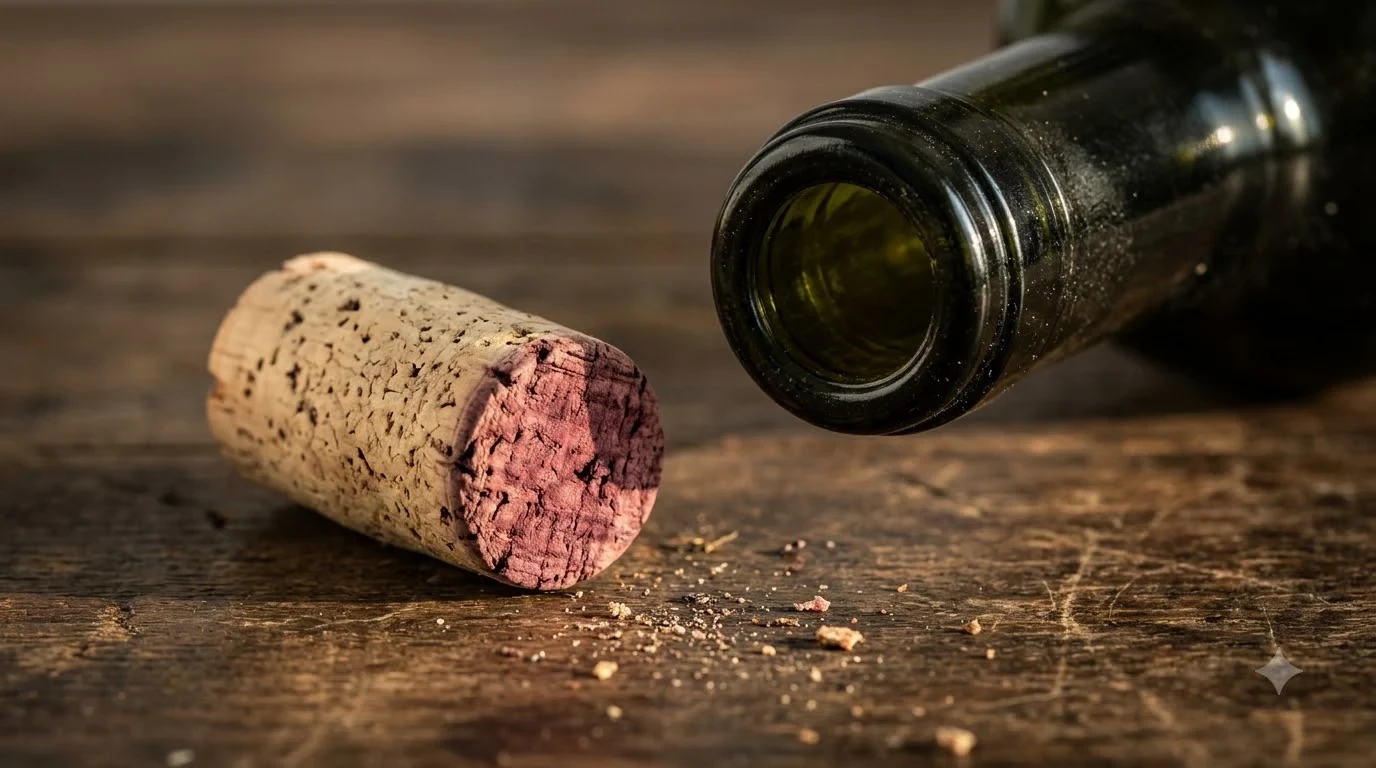
Can you reuse wine corks? Generally, no: you should not reuse a natural wine cork to seal a bottle of wine after removing it. Pulling a cork out damages its structure, and the opening process can introduce microorganisms and contaminants. A used cork may also fail to create an airtight seal, allowing oxygen to affect the wine. Instead, use a fresh stopper, a reusable wine-preservation device, or another clean, properly fitting closure.
Wine corks are designed to provide a reliable seal during bottling and storage, not to serve as permanent reusable plugs. Although putting an old cork back into a bottle might seem like the simplest way to preserve leftover Cabernet Sauvignon, Chardonnay, or sparkling wine, doing so can create problems that are easy to avoid. Understanding how cork works, why removal changes its structure, and which alternatives are available helps protect an opened bottle and gives used corks a useful second life.
Why Used Wine Corks Should Not Be Reused
A natural wine cork is intended to create a secure seal when it is compressed and inserted into a clean bottle opening. Once removed, its original shape, surface, and cleanliness may change, making it unreliable for another round of wine storage.
The first problem is physical damage. A corkscrew usually enters the center of the cork and creates a hole as the cork is extracted. Depending on the extraction method, the cork may also develop cracks, torn edges, or compressed areas. Even if it appears intact, it may no longer fit the bottle neck as tightly as it did before opening.
The second problem is contamination. During removal, the cork comes into contact with the corkscrew, bottle opening, air, and potentially the hands handling it. It may also carry residue from the wine or material from the bottle neck. North Dakota State University Extension specifically advises home winemakers to use new corks because old corks can contain microbes and frequently leak.
A leaking closure allows additional oxygen to enter the bottle. Wine naturally changes after opening because of oxygen exposure, and an unreliable stopper can accelerate unwanted changes. Fresh fruit aromas may fade, flavors can become less lively, and oxidation can produce dull or stale characteristics.
There is also a practical difference between inserting a cork once during commercial bottling and trying to put it back by hand. A new cork is compressed with suitable equipment before insertion, allowing it to expand against the glass. An extracted cork has already experienced this process and may not return to its original dimensions or sealing performance.
For these reasons, the safest everyday rule is straightforward: treat an extracted natural cork as a used closure, not as a reusable wine-storage accessory. Save it for a craft project or a recycling program instead.
How Cork Changes When You Open a Wine Bottle
Natural cork works because of its cellular structure, elasticity, and ability to compress inside a bottle neck. Removing it changes the conditions that make it an effective closure, particularly after the cork has been pierced and exposed to air.
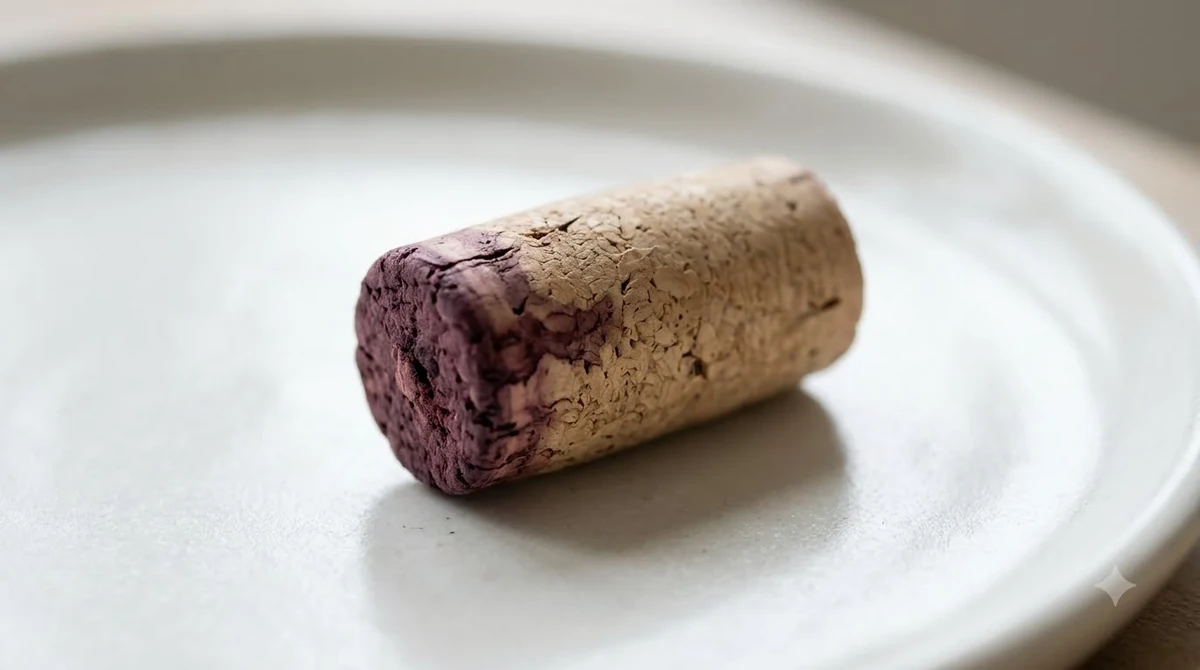
According to Amorim Cork, natural cork comes from the bark of the cork oak tree, scientifically known as Quercus suber. Its structure contains approximately 800 million watertight cells per stopper. These cells contain a gaseous mixture that allows the material to compress and expand, helping the cork adapt to pressure and temperature changes.
During commercial bottling, machinery compresses a new cork before pushing it into the bottle opening. After insertion, the cork expands and presses against the glass. This friction helps keep the closure in place while limiting the movement of air into and out of the bottle.
When someone opens a bottle with a corkscrew, several changes occur:
- A hole forms: The corkscrew penetrates the cork, creating a central opening that was not present before bottling.
- The material expands: Once released from the bottle neck, the compressed cork begins returning toward its original shape.
- The surface becomes exposed: The cork comes into contact with air, the bottle neck, and the extraction tool.
- Small pieces may separate: Older or brittle corks can shed fragments during removal.
- The original fit changes: A cork that has expanded outside the bottle may be difficult to insert again without damaging it.
The problem becomes more noticeable with older corks. Alison Crowe explains in a WineMaker Magazine discussion about reconditioning old corks that cork needs sufficient moisture and flexibility to function properly. Over time, natural cork can lose moisture and elasticity, becoming brittle and more likely to crumble.
That loss of flexibility is particularly important for bottles intended for extended storage. A cork that breaks during insertion or fails to seal consistently can expose wine to more oxygen than intended. Trying to soften an old cork at home does not reliably restore its original properties.
There is also no dependable household cleaning method that turns a used wine cork into a new, commercially suitable closure. Rinsing, soaking, steaming, or wiping the surface cannot guarantee that the cork is free from microorganisms or that its structure will provide a reliable seal.
The difference between appearance and performance matters. A used cork can look clean and relatively undamaged while still having a weakened sealing surface or contamination that cannot be identified visually.
Natural, Synthetic, and Agglomerated Corks
Not all wine corks are made from the same material, and identifying the closure type helps determine what to do with it after opening. Natural cork, agglomerated cork, and synthetic cork each have different structures and recycling options.
Natural cork is produced from cork oak bark. It usually has an irregular surface with small pores, visible grain, and a fibrous interior. Some natural corks are cut from a single piece of bark, while others have different shapes and grades depending on their intended use.
Agglomerated cork is made from smaller pieces or granules of natural cork that are bonded together. Its surface may look more uniform or speckled than a traditional natural cork. Some wine closures combine natural cork discs with agglomerated cork in the center.
Synthetic cork is manufactured from materials such as plastic-based foam or other polymers. These closures often have a smoother appearance and more consistent texture. They may be easier to remove and insert than some natural corks, but their material properties and recycling requirements are different.
The following comparison summarizes the practical differences.
| Closure type | Typical appearance | Can it reseal wine reliably after removal? | Common disposal option |
|---|---|---|---|
| Natural cork | Irregular grain and pores | No | Dedicated cork recycling or suitable composting |
| Agglomerated cork | Visible cork granules | No | Dedicated cork recycling where accepted |
| Synthetic cork | Smooth, uniform texture | Not recommended as a dependable wine-preservation closure | Material-specific recycling or disposal |
| Reusable wine stopper | Rubber, silicone, or metal components | Yes, if clean and designed for repeated use | Reuse or follow material-specific disposal rules |
| Wine-preservation pump stopper | Specialized stopper with a valve | Yes, when compatible with the preservation system | Reuse according to manufacturer instructions |
One important distinction is that a synthetic cork should not automatically be considered reusable simply because it looks less damaged after extraction. Its fit, design, and intended function determine whether it can be used again. A synthetic closure that was designed for one-time commercial bottling is not necessarily equivalent to a reusable stopper.
For ordinary household wine storage, a purpose-made reusable stopper is a better choice than either a previously used natural cork or an extracted synthetic closure. These accessories are designed to fit bottles repeatedly and can generally be washed according to their manufacturer’s instructions.
Knowing the closure type also makes recycling easier. Natural cork is a renewable plant material, whereas synthetic closures may contain polymers that require different waste-handling arrangements. Mixing these materials in a collection intended for natural cork can interfere with processing.
Better Ways to Reseal an Opened Wine Bottle
The best way to preserve an opened bottle is to use a clean closure designed for repeated use. A reusable wine stopper, vacuum pump, or specialized sparkling-wine stopper provides a more dependable option than forcing the original cork back into the bottle.
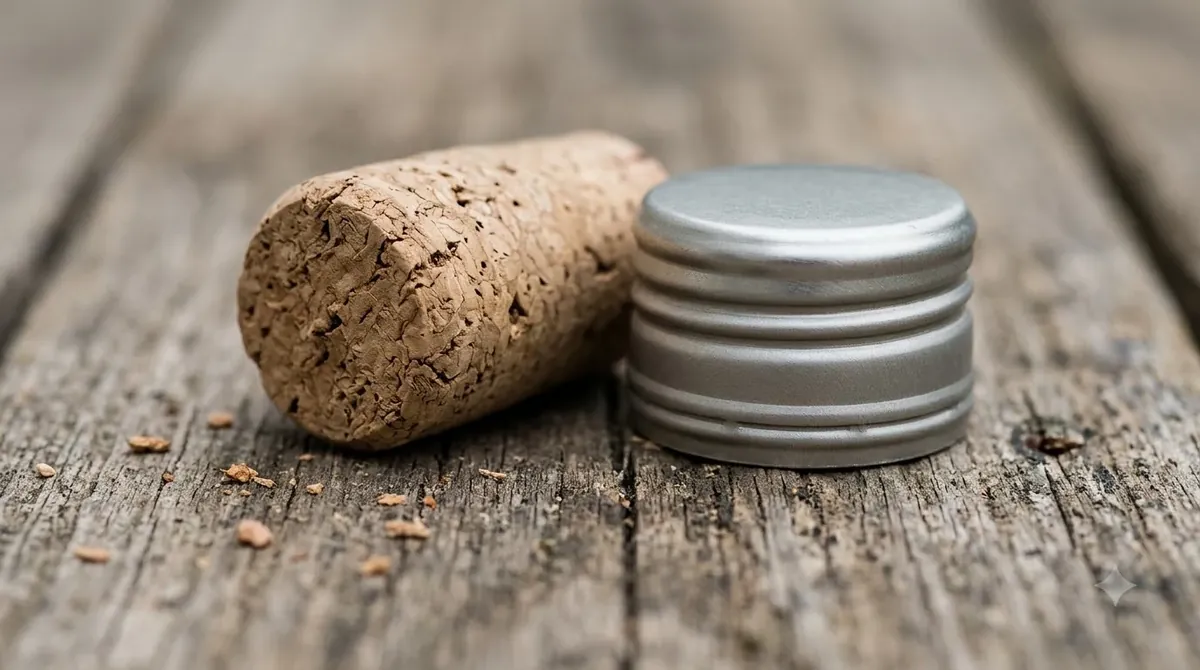
Reusable wine stoppers are among the simplest alternatives. Many feature silicone or rubber components that create a snug fit inside the bottle neck. Others use a metal or plastic body with a sealing gasket. They are convenient for everyday bottles of Merlot, Pinot Noir, Sauvignon Blanc, and Chardonnay.
Choose a stopper that fits the bottle opening securely without requiring excessive force. Some bottles have slightly different neck dimensions, so a universal stopper may not fit every bottle equally well. Wash reusable stoppers after use, remove any wine residue, and allow them to dry before storing.
Vacuum wine pumps are another popular option for still wines. These systems use a special stopper and pump to remove some of the air from the bottle’s headspace. Reducing the amount of oxygen in contact with the wine can help slow oxidation, although it cannot completely stop the chemical changes that occur after opening.
Vacuum pumps are generally intended for still wine rather than sparkling wine. Removing air from a bottle of Prosecco, Champagne, or Cava can also remove carbon dioxide, which is responsible for its bubbles. For sparkling bottles, a pressure-resistant sparkling-wine stopper is more appropriate.
Smaller bottles offer another useful solution. If a large bottle contains only a small amount of leftover wine, transferring it into a clean, appropriately sized wine bottle reduces the amount of empty space above the liquid. Use a suitable new closure and avoid transferring wine into an unclean container.
For longer-term home winemaking and bottling, the approach should be more demanding. North Dakota State University Extension recommends using new corks of the correct size and thoroughly cleaning and sanitizing equipment that comes into contact with wine.
The following alternatives work well for different situations:
- Still wine for the next day: Use a clean reusable stopper and refrigerate the bottle.
- Still wine for several days: Use a suitable vacuum stopper and keep the bottle refrigerated.
- Sparkling wine: Use a stopper specifically designed to withstand bottle pressure.
- A small amount of leftover wine: Transfer it to a smaller clean container with an appropriate closure.
- Home winemaking: Use a new, correctly sized wine cork and suitable bottling equipment.
Refrigeration is useful even for many red wines once they have been opened. Cooler temperatures slow the chemical reactions associated with deterioration. A bottle of red wine can be allowed to warm gradually before serving again.
Tip: Keep a reusable wine stopper in your kitchen drawer before opening a bottle. That way, you will not be tempted to force an old cork back into the neck when you want to preserve the remaining wine. For sparkling wine, choose a pressure-resistant model rather than an ordinary flat wine stopper.
For more storage details, see our explanation of can you store wine upright and learn how bottle position relates to cork condition and storage time. If you need to cool a bottle quickly, our article about can you store wine in the freezer explains the precautions involved.
How Long Opened Wine Lasts After Resealing
Resealing an opened bottle slows exposure to oxygen, but it does not restore the wine to its original condition. Most opened still wines are best consumed within three to five days when properly resealed and refrigerated, while sparkling wines generally retain their best qualities for a shorter period.
The actual storage time depends on the wine style, how much liquid remains, the closure used, and how consistently the bottle is kept cool. A nearly full bottle has less empty space than one containing only a small glass of wine, so it generally has a better chance of retaining its freshness.
These are useful general storage ranges:
| Wine type | Typical refrigerated storage after opening | Recommended closure |
|---|---|---|
| Sparkling wine | 1–3 days | Pressure-resistant sparkling stopper |
| Still white wine | 3–5 days | Reusable stopper or vacuum stopper |
| Still rosé wine | 3–5 days | Reusable stopper or vacuum stopper |
| Still red wine | 3–5 days | Reusable stopper or vacuum stopper |
| Fortified wine | Several weeks, depending on style | Secure reusable stopper |
| Bag-in-box wine | 4–6 weeks after opening | Original dispensing tap and package |
These ranges are practical guidelines rather than guarantees. Delicate wines may lose their aromas more quickly, while certain fortified wines can remain enjoyable longer because of their higher alcohol content and production methods.
For example, a fresh Sauvignon Blanc may lose some of its citrus and herbal character after a few days. A light Pinot Noir may become less expressive as its red-fruit aromas fade. A full-bodied Cabernet Sauvignon may retain its structure for several days but can still develop stale or oxidized notes.
Sparkling wines require particular attention because their appeal depends heavily on retained carbon dioxide. A regular natural cork is not an adequate replacement for a purpose-built sparkling-wine stopper. Even with the correct stopper, bubbles gradually disappear after opening.
Temperature also matters. Refrigeration helps preserve opened wine regardless of whether it is red, white, or rosé. A red bottle can be removed from the refrigerator before serving so it reaches an appropriate drinking temperature.
For longer-term storage, remember that the original cork is only one part of the bottle’s preservation system. Proper closure, temperature, headspace, and handling all influence how well wine holds its quality after opening.
If a bottle develops an unusual smell, flavor, or appearance, do not assume that its original cork or replacement stopper has preserved it successfully. Our explanation of can wine make you sick discusses common wine-quality concerns and the difference between spoilage and other wine faults.
How to Recycle, Compost, and Repurpose Old Wine Corks
Although a used wine cork should not be returned to a wine bottle, it can still have considerable value. Natural cork is renewable and biodegradable, and dedicated collection programs can process used stoppers into useful materials for other industries.
Recycling is different from reusing a cork as a wine closure. The cork is collected, cleaned or processed as necessary, and converted into another product rather than inserted into a new bottle. Amorim Cork explains that recycled cork is used in products such as floor and wall coverings, insulation, memo boards, sporting equipment, and fashion items.
In the United States, consumers can investigate specialized collection programs such as ReCORK’s cork recycling program. Collection arrangements and participating locations can change, so it is sensible to confirm acceptance before bringing in a large quantity of stoppers.
There are also several practical ways to repurpose corks at home:
1. Make coasters and trivets
Natural cork has useful insulating properties and can be cut into pieces for household projects. Arrange several clean corks side by side, secure them with an appropriate adhesive, and create a surface for glasses, serving dishes, or warm cookware. Allow the adhesive to cure completely before using the finished item.
2. Create plant markers
Insert a wooden skewer into a clean cork and write the name of a herb or plant on its surface. These markers are convenient for identifying basil, thyme, rosemary, and other plants in containers or garden beds.
3. Build a bulletin board
Collect several natural corks and arrange them in a frame or shallow wooden box. Glue them securely to create a textured surface for notes, photographs, and small reminders. Cutting corks lengthwise or into smaller pieces can help create a more even surface.
4. Use natural cork in suitable compost systems
Natural cork can break down in compost, but it does so relatively slowly. The Natural Cork Council explains that whole corks may take up to three years to decompose fully. Chopping them into smaller pieces increases the exposed surface area and helps the material break down faster.
Remove plastic coatings, foil, wax, and other non-compostable components before adding cork to a compost pile. Synthetic foam closures and silicone stoppers should not be added as though they were natural plant material.
5. Make decorative household projects
Wine corks can become wreaths, decorative trays, bath mats, or small craft ornaments. Their different colors and printed winery names can also make them attractive materials for personalized projects.
Before starting a project, separate clean corks from those that are visibly moldy, crumbling, or contaminated with paint and adhesives. For recycling, follow the collection provider’s material requirements rather than assuming every closure is accepted.
The important distinction is simple: a wine cork may have a second life as a craft material or recycled raw material, but that does not make it suitable for sealing wine again.
Choosing New Corks for Home Winemaking
People making wine at home should be especially careful about cork selection because the closure becomes part of a longer storage process. New corks, appropriate sizing, clean equipment, and correct bottling procedures are important for maintaining the quality of homemade wine.
North Dakota State University Extension recommends new corks rather than previously used ones. Its home winemaking guidance identifies two common sizes for traditional wine bottles: No. 9 corks for most US-manufactured bottles and No. 8 corks for some smaller-necked bottles from other countries.
Choosing the right size is not simply a matter of preference. A cork that is too small may fail to create sufficient pressure against the glass. A cork that is too large may be difficult to insert properly or could become damaged during bottling.
New corks should be obtained from a reputable winemaking supplier and handled according to the manufacturer’s instructions. Avoid using decorative souvenir corks, old restaurant corks, or stoppers collected from previous bottles for homemade wine.
Equipment cleanliness is equally important. The North Dakota State University Extension publication emphasizes washing, rinsing, and sanitizing equipment that touches wine. Bottles, siphons, containers, and other bottling tools should be prepared before the wine is transferred.
Important bottling considerations
- Inspect every cork: Avoid corks that are cracked, damaged, excessively dry, or visibly contaminated.
- Match the size: Select a cork appropriate for the bottle neck and the intended bottling equipment.
- Use suitable equipment: A proper corker helps compress and insert the closure consistently.
- Sanitize contact surfaces: Clean and sanitize bottles and equipment according to established winemaking procedures.
- Follow post-bottling instructions: Allow newly inserted corks to expand before placing bottles into longer-term storage.
North Dakota State University Extension recommends standing newly corked bottles upright for a few days to allow the cork to expand thoroughly, then storing the bottles on their sides until they are ready to use. This is a different situation from storing an already opened commercial bottle.
For additional information about bottle preparation and home winemaking, the North Dakota State University Extension home winemaking publication provides practical guidance on cork selection, bottle preparation, sanitation, and storage.
Home winemakers should also distinguish between reusing a glass bottle and reusing its cork. A glass bottle can be cleaned and sanitized for another bottling cycle, provided it remains in good condition. A previously used natural cork, however, should be replaced with a new one.
This approach helps prevent leakage and reduces the chance of introducing unwanted microorganisms during bottling. It is also more reliable than attempting to restore an old closure by soaking or heating it.
Frequently Asked Questions
Can you reuse a wine cork if it was only removed a few minutes ago?
It is still better not to reuse it as a wine closure, even if it has been outside the bottle for only a few minutes. The corkscrew has already penetrated the material, and the cork may have expanded or become contaminated during removal. A clean reusable stopper provides a more dependable solution.
Can you boil wine corks to make them reusable?
Boiling does not restore a cork’s original cellular structure or reverse damage caused by extraction. Heat and moisture may also change the cork’s dimensions and mechanical properties. For this reason, boiling an old cork is not a dependable method of preparing it for another wine bottle.
Can you reuse a wine cork for olive oil or vinegar bottles?
A used wine cork may be repurposed for a decorative or noncritical household application, but it should not automatically be considered a suitable food-storage closure. Its fit, cleanliness, and material condition are uncertain. A purpose-made stopper designed for the specific bottle and food product is a better choice.
Does a wine cork have an expiration date?
Natural cork does not have one universal expiration date that applies to every stopper. Its condition depends on moisture, storage conditions, manufacturing quality, and age. A cork that becomes excessively dry, brittle, cracked, or damaged may no longer provide an appropriate seal, even if it has never been used.
Can a wine cork be used as a temporary stopper for homemade vinegar?
Natural cork is resistant to liquids, but a used wine cork is not automatically appropriate for vinegar storage. Acidic liquids, bottle dimensions, and the condition of the closure all affect suitability. A clean, food-compatible stopper specifically designed for vinegar bottles is a more reliable option.
Reusing an old wine cork to close another bottle may seem convenient, but it introduces unnecessary risks involving leakage, contamination, and poor sealing. Keep a clean reusable stopper available for opened wine, use new corks for home bottling, and give discarded natural corks another purpose through recycling or suitable household projects. A little preparation makes preserving wine easier while keeping useful cork material out of the waste stream.
More in Wine Basics
 Which Rose Is Best for Your Taste, Budget, and Food PairingsUpdated Nov 21, 2026
 Is Cheap Wine Bad? How to Find Bottles Worth DrinkingUpdated Nov 21, 2026
 What To Write On A Wine Gift Tag: Thoughtful Messages For Every OccasionUpdated Nov 21, 2026
 Which Wine Is Best For Weight Loss? Compare Lower-Calorie ChoicesUpdated Nov 21, 2026
 What Is The Best Wine For Mimosas? Choose Bubbly That Balances Orange JuiceUpdated Nov 20, 2026
 Which Prosecco Is Best for Your Taste and OccasionUpdated Nov 20, 2026