


We may earn a commission when you buy through links on this page, at no extra cost to you. Learn more.
Calories in tempranillo average approximately 113 calories per 5-ounce glass, based on a Rioja Tempranillo at 13.5% alcohol by volume. The exact number depends on the wine’s alcohol concentration, residual sugar, and serving size. A typical 750 ml bottle contains approximately 565 calories at this estimate, or about five standard glasses. Most dry Tempranillo wines get the majority of their calories from alcohol rather than sugar.
Tempranillo is one of Spain’s best-known red grape varieties, producing wines that range from approachable young reds to concentrated, oak-aged bottlings. Its calorie content is not fixed by the grape itself. A lighter 12.5% ABV bottle will generally contain fewer calories per serving than a fuller-bodied 14.5% ABV version, even when both wines are completely dry. Understanding alcohol percentage, serving volume, and winemaking style makes it easier to estimate what is in your glass.
Calories in a Standard Glass of Tempranillo
A standard 5-ounce pour of Tempranillo contains approximately 110 to 125 calories, with 113 calories being a useful reference point for a Rioja wine at 13.5% ABV. This estimate places Tempranillo close to many other dry red wines, rather than among particularly high-calorie alcoholic beverages.

VinePair’s wine calorie calculations list a Rioja Tempranillo at 13.5% alcohol with approximately 113 calories per 5-ounce serving. For comparison, the same calculations put a 13% ABV Chianti at 110 calories and a 14% ABV Argentine Malbec at 118 calories. These figures illustrate how alcohol concentration can create small but meaningful differences between red wine varieties. The VinePair wine calorie comparison provides additional examples across dry, sweet, and sparkling styles.
Wine.com’s general nutrition reference estimates approximately 120 calories for a 5-ounce dry red wine at 13.5% ABV. The difference between 113 and 120 calories reflects the fact that these are estimates based on typical wine characteristics, not laboratory measurements of every Tempranillo bottle.
A useful distinction is the difference between a standard serving and a generous restaurant pour. A 5-ounce serving contains roughly 113 calories using the reference estimate, while a 7.5-ounce serving contains approximately 170 calories if the wine has the same composition. The larger serving has 50% more wine and therefore approximately 50% more calories.
Tempranillo’s flavor profile does not determine its calorie content. Cherry, plum, dried herbs, vanilla, tobacco, and spice can create a rich impression without necessarily indicating substantial residual sugar. A wine that smells fruity may still be fermented dry and contain relatively little sugar.
How Alcohol and Residual Sugar Affect Calories
Alcohol is usually the largest source of calories in dry Tempranillo, while residual sugar contributes a smaller amount. The two factors work together, so examining both gives a more useful estimate than judging sweetness or body alone.
Alcohol contributes approximately 7 calories per gram, compared with approximately 4 calories per gram from carbohydrates. This difference explains why a stronger dry red wine can contain more calories than a softer, slightly sweeter wine with a lower alcohol percentage.
For example, a Tempranillo bottled at 14.5% ABV will generally contain more alcohol-derived calories per 5-ounce glass than one bottled at 12.5% ABV. Assuming similar production characteristics and a dry finish, the stronger wine will usually have the higher total calorie count.
Residual sugar is the grape sugar remaining after fermentation. In a fully fermented dry Tempranillo, most of the original grape sugar has been converted into alcohol, leaving relatively little sugar in the finished wine.
Wine.com’s typical dry red wine serving contains approximately 3 grams of carbohydrates and 0.3 grams of sugar per 5 ounces. It also estimates that about 90% of the calories in its typical red wine example come from alcohol. These figures provide a useful general reference for understanding dry Tempranillo, although individual bottles can differ.
Why a fruity flavor does not necessarily mean more sugar
Tempranillo naturally produces aromas and flavors that can suggest sweetness. Ripe strawberry, black cherry, plum, and raspberry are common fruit impressions. Oak aging can add vanilla, baking spice, and sweet-smelling toast notes.
These sensory characteristics are not proof of residual sugar. A dry wine can smell like ripe fruit while containing very little actual sugar. This is particularly important when comparing Tempranillo with genuinely sweet wines, which may retain considerably more grape sugar after fermentation.
Tip: Start with the alcohol percentage when estimating Tempranillo calories. For two similarly dry wines, the bottle with lower ABV will generally contain fewer calories per equal-sized glass. Use residual sweetness as a second consideration rather than assuming a fruity flavor means high sugar.
Calories by Tempranillo Alcohol Percentage
Alcohol percentage provides one of the most practical ways to compare the calorie content of different Tempranillo bottles. A wine at 12.5% ABV generally contains fewer alcohol-derived calories than one at 14.5% ABV when served in the same quantity.
The following estimates use a standard 5-ounce serving and assume a dry red wine with relatively little residual sugar. They are illustrative comparisons, not guaranteed nutritional values for individual bottles. For more background on how alcohol concentration and sweetness affect wine nutrition, see Wine.com’s wine nutrition explanation.
| Alcohol by volume | Estimated calories per 5 oz | Estimated calories per 750 ml bottle |
|---|---|---|
| 12.0% | 100 | 500 |
| 12.5% | 105 | 525 |
| 13.0% | 110 | 550 |
| 13.5% | 113 | 565 |
| 14.0% | 118 | 590 |
| 14.5% | 123 | 615 |
| 15.0% | 128 | 640 |
The table uses rounded estimates for comparison. The 13.5% ABV reference is aligned with VinePair’s estimate of 113 calories for Rioja Tempranillo. Other entries are approximate projections based on alcohol concentration and a similar dry-wine profile, rather than verified nutritional measurements.
These differences may appear modest when comparing individual glasses, but they become more noticeable across a full bottle. A 12.5% ABV wine in the table has approximately 525 calories per bottle, while a 14.5% ABV wine has approximately 615. That is a difference of about 90 calories across the same 750 ml volume.
Alcohol concentration is not the only variable. A wine with more residual sugar can exceed the estimate for a drier wine at the same ABV. Production methods, fermentation outcomes, and the exact composition of the finished wine all affect the final number.
Calories in a Bottle and Different Pour Sizes
A standard 750 ml bottle of Tempranillo provides approximately five 5-ounce servings. Using the 113-calorie reference, the bottle contains approximately 565 calories in total, provided the entire bottle is divided into standard pours.
Serving size matters because every additional ounce adds more alcohol and any remaining sugar. A glass filled generously at dinner may contain substantially more wine than a measured 5-ounce serving, even if the glassware looks similar.
Here is a practical comparison using the same reference wine at 13.5% ABV:
| Serving size | Approximate volume | Estimated calories |
|---|---|---|
| Small pour | 3 oz / 89 ml | 68 |
| Standard pour | 5 oz / 148 ml | 113 |
| Large pour | 6 oz / 177 ml | 136 |
| Generous pour | 8 oz / 237 ml | 181 |
| Large restaurant pour | 9 oz / 266 ml | 203 |
| Half bottle | 375 ml | 283 |
| Full bottle | 750 ml | 565 |
These numbers are proportional estimates based on 113 calories per 5 ounces. Actual calorie values will vary with the wine’s composition and the accuracy of the pour.
A practical way to manage serving estimates is to use a measuring cup or a wine glass with clearly marked volume measurements. A 5-ounce serving may look relatively small in a large modern wine glass, making it easy to pour more than intended.
At a dinner party, a 750 ml bottle divided among four people produces approximately 6.3 ounces per person. Dividing it among five people produces the familiar 5-ounce serving. This simple calculation helps when estimating the amount served without relying on the number of glasses alone.
Tempranillo Compared With Other Red Wines
Tempranillo generally falls within the same broad calorie range as other dry red wines. Differences between individual bottles are often more important than differences between grape varieties, particularly when alcohol percentages vary.
VinePair’s calculations offer a useful comparison using 5-ounce servings. Its Rioja Tempranillo reference contains 113 calories at 13.5% ABV, while Argentine Malbec contains 118 calories at 14% ABV. Chianti made from Sangiovese is estimated at 110 calories at 13% ABV.
These examples show why it is misleading to assume that one red grape variety always contains fewer calories than another. A lower-alcohol Malbec could contain fewer calories than a stronger Tempranillo, while a high-alcohol Tempranillo could contain more than a lighter Merlot.
| Red wine | Reference ABV | Calories per 5 oz |
|---|---|---|
| Tempranillo (Rioja) | 13.5% | 113 |
| Malbec (Argentina) | 14.0% | 118 |
| Sangiovese (Chianti) | 13.0% | 110 |
| Pinot Noir (Oregon) | 13.5% | 113 |
| Cabernet Sauvignon (California) | 14.5% | 122 |
| Zinfandel (California) | 14.5% | 122 |
These are specific reference estimates from VinePair, not universal nutritional values for every wine bearing those grape names. For a closer comparison, explore calories in malbec and consider the alcohol percentage and serving size of each bottle.
Tempranillo versus Cabernet Sauvignon
Cabernet Sauvignon is commonly associated with substantial tannin and concentrated dark-fruit flavors. Tempranillo can also produce structured red wines, especially in oak-aged styles, but its calorie content does not automatically follow its tannin level. Tannin influences the wine’s mouthfeel and food-pairing behavior rather than directly determining its calories.
Tempranillo versus Pinot Noir
Pinot Noir often has lower to medium tannin and relatively high acidity. Its lighter body can create an impression of a less substantial wine, but body alone does not establish calorie content. A Pinot Noir at 14.2% ABV may contain more calories than a Tempranillo at 12.5% ABV.
Tempranillo versus Merlot
Merlot typically has medium tannin and a softer texture. Both Merlot and Tempranillo are frequently made in dry styles, meaning alcohol concentration and serving volume remain important comparison points. A lower-alcohol bottle of either variety can be the lighter option.
Does Rioja Aging Change Tempranillo Calories?
Tempranillo is strongly associated with Rioja, where wines are commonly presented in different aging categories, including Crianza, Reserva, and Gran Reserva. These classifications describe aging requirements and wine style, not a specific calorie level.
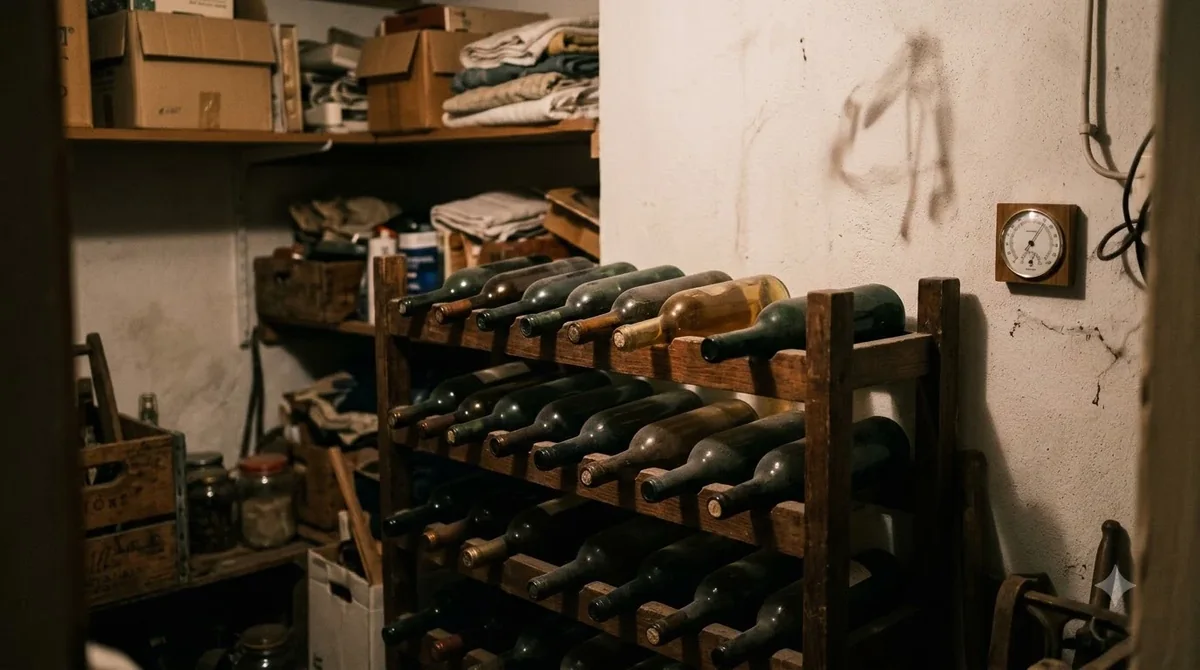
Crianza wines generally offer an accessible balance of fruit and oak influence, while Reserva wines spend longer aging before release. Gran Reserva wines receive still more extensive aging. The additional time in barrel and bottle can change the aromas, flavors, and texture of the finished wine without automatically increasing its calorie content.
For example, a Crianza at 13.5% ABV and a Gran Reserva at 13.5% ABV may have broadly similar alcohol-derived calories per 5-ounce serving. If both are dry and have comparable residual sugar, their calorie estimates may also be relatively close.
What matters more is the actual composition of each bottle. A Reserva at 14.5% ABV may contain more calories than a Crianza at 12.5% ABV, despite its longer aging period. The same principle applies to oak-aged Tempranillo from Ribera del Duero and other Spanish wine regions.
Fruit concentration and perceived sweetness
Oak aging can introduce aromas associated with vanilla, cedar, baking spice, and toasted wood. These aromas sometimes make a red wine seem sweeter even when it contains very little residual sugar. A wine’s aroma and its measurable sugar content are separate characteristics.
Similarly, concentrated fruit flavors do not necessarily indicate extra calories. A ripe, full-bodied Tempranillo can remain dry, while a less concentrated wine can retain some sweetness. Alcohol and residual sugar provide a better basis for calorie estimates than color intensity or perceived richness.
For readers exploring different styles, the broader Wine by Type resource can help explain how grape variety, wine style, and production methods influence the finished drink.
How to Choose Tempranillo With Fewer Calories
Choosing a lower-calorie Tempranillo starts with comparing alcohol percentages and keeping serving sizes consistent. A dry wine with lower ABV is generally a more reliable starting point than selecting a bottle simply because it tastes lighter or appears less concentrated.
First, compare the alcohol percentages printed on the bottles. A 12.5% ABV Tempranillo will generally have fewer alcohol-derived calories per 5-ounce serving than a 14.5% ABV version. The difference can become noticeable when comparing several glasses or an entire bottle.
Second, consider whether the wine is dry or noticeably sweet. Most traditional table-style Tempranillo is dry, but sweeter red wine styles and blends can retain more residual sugar. Additional sugar contributes calories, although alcohol remains the primary contributor in most dry red wines.
Third, keep the pour consistent. Choosing a bottle with a slightly lower ABV will not make much difference if the serving increases from 5 ounces to 9 ounces. Measuring the pour provides a more dependable comparison than relying on glass size.
Practical shopping checklist
- Compare the ABV of two or more Tempranillo bottles.
- Start with a dry wine rather than a sweet or dessert-style red.
- Consider a bottle around 12% to 13% ABV when available.
- Compare wines using the same 5-ounce serving size.
- Remember that Reserva and Gran Reserva classifications do not automatically indicate higher calories.
- Use approximate estimates rather than treating grape variety as a guaranteed nutritional measurement.
It can also help to compare Tempranillo with other wine styles before making a selection. For example, fortified Sherry has a different production process and can have a different calorie profile depending on its sweetness and alcohol level. The guide to calories in sherry explains why serving size and wine style matter in that comparison. Similarly, a fruit-based plum wine may have a substantially different sugar profile from dry Tempranillo; see calories in plum wine for more detail.
There is no need to assume that an expensive, heavily aged, or particularly full-bodied Tempranillo is automatically higher in calories. The bottle’s actual alcohol concentration, residual sugar, and serving volume provide more useful information.
Frequently Asked Questions
Does Tempranillo contain fat or cholesterol?
Plain Tempranillo wine contains virtually no fat and no dietary cholesterol. Its energy content comes primarily from alcohol and, depending on the wine, residual carbohydrates. It is not a meaningful source of dietary protein or fiber either.
How many calories are in a 150 ml glass of Tempranillo?
A 150 ml serving is approximately 5.1 US fluid ounces. For a wine similar to the 13.5% ABV Rioja reference, it contains roughly 115 calories. The slight difference from a 5-ounce serving reflects the additional wine volume.
Does Tempranillo contain more calories when blended with Garnacha?
Not necessarily. A Tempranillo and Garnacha blend can have a similar calorie content to a single-variety Tempranillo if both have comparable alcohol levels and residual sugar. The proportions of the grape varieties alone do not establish the final calorie count.
Can sparkling Tempranillo have a different calorie count?
Yes. Sparkling red wines can differ in alcohol concentration and residual sugar, and their sweetness classifications influence the final calorie estimate. A dry sparkling red and a sweet sparkling red made with similar grapes can therefore have different nutritional profiles.
Are Tempranillo wines from Ribera del Duero always stronger than Rioja wines?
No. Both regions produce Tempranillo-based wines with varying alcohol concentrations. Climate, vineyard location, harvest conditions, ripeness, and winemaking decisions influence the finished ABV, so regional origin alone cannot establish which wine has more calories.
For a typical Rioja Tempranillo at 13.5% ABV, approximately 113 calories per 5-ounce glass is a practical starting estimate, with around 565 calories in a standard 750 ml bottle. Alcohol concentration, residual sugar, and serving size determine how closely an individual bottle matches that figure. Comparing ABV and measuring consistent pours are the simplest ways to make meaningful calorie estimates across different Tempranillo wines.
More in Wine Types & Grapes
 What Does Ruby Port Taste Like? Flavor Notes, Styles, and Serving TipsUpdated Nov 21, 2026
 What Does Ribolla Gialla Taste Like? Crisp White and Amber Styles ExplainedUpdated Nov 21, 2026
 What Does Semillon Taste Like? Flavor Profile, Styles & PairingsUpdated Nov 21, 2026
 What Does Scuppernong Taste Like? Flavor, Styles, and Pairing GuideUpdated Nov 21, 2026
 What Does Saperavi Taste Like? Flavors, Styles, and Pairing GuideUpdated Nov 21, 2026
 What Does Natural Wine Taste Like? Flavors, Styles, and Serving TipsUpdated Nov 21, 2026