

We may earn a commission when you buy through links on this page, at no extra cost to you. Learn more.
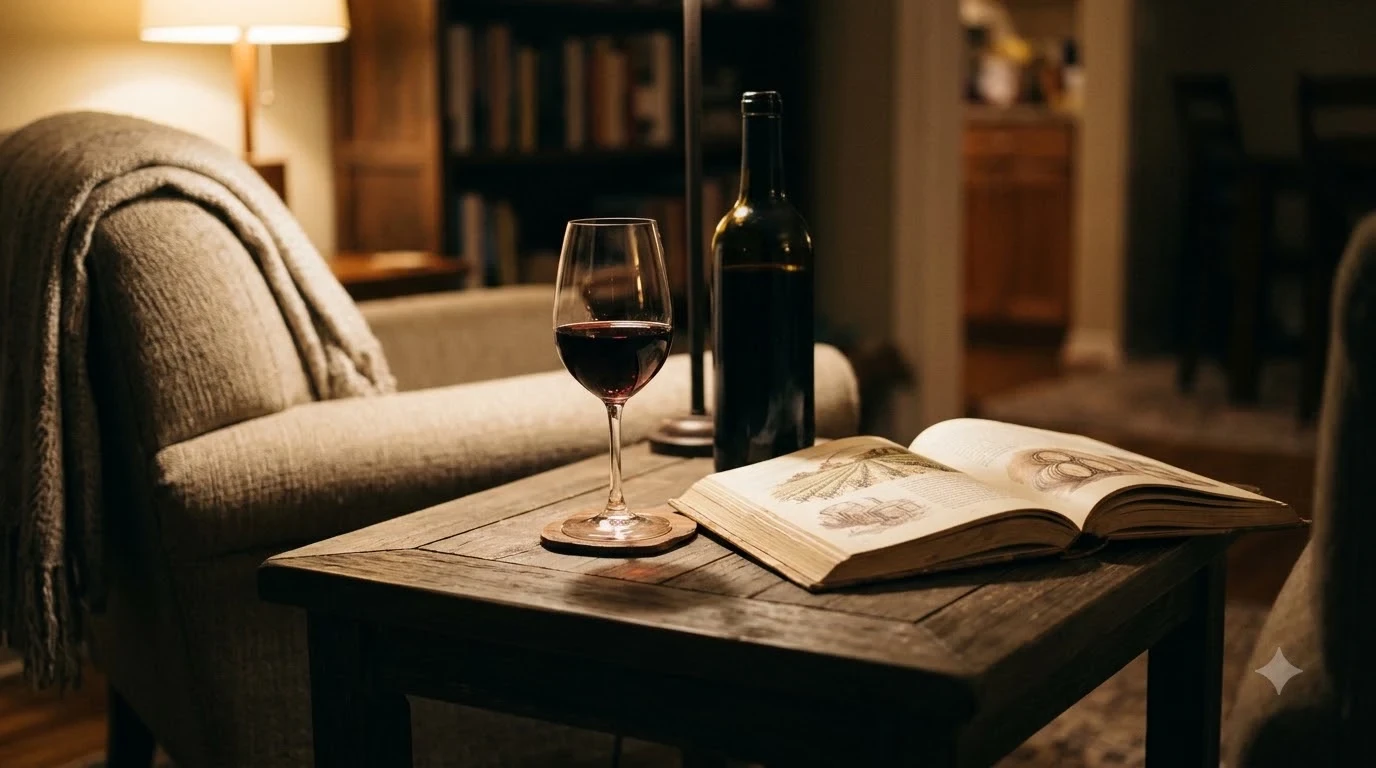
Calories in rioja typically range from 120 to 135 calories per 5-ounce glass of dry red wine, depending mainly on alcohol content and residual sugar. A standard 750 ml bottle contains approximately 600 to 675 calories when divided into five equal servings. Most traditional Rioja reds are dry, so alcohol contributes more calories than sugar. The most useful starting point for estimating calories is the wine’s alcohol by volume (ABV), rather than its Crianza, Reserva, or Gran Reserva designation.
Rioja is one of Spain’s best-known wine regions, producing reds with a range of fruit profiles, structures, and aging styles. Whether you prefer a youthful Tempranillo, an oak-aged Crianza, or a mature Gran Reserva, the calorie calculation follows the same basic principles. Understanding serving size, alcohol strength, and residual sugar makes it easier to estimate what is in your glass without confusing wine age or color with nutritional content.
How Many Calories Are in a Glass of Rioja?
A standard 5-ounce glass of dry Rioja red contains approximately 120 to 135 calories. This estimate covers many commonly encountered bottles, although wines with lower alcohol levels may contain fewer calories and stronger examples may contain more.
Most of the calories in a typical dry red Rioja come from alcohol. Alcohol supplies approximately 7 calories per gram, compared with 4 calories per gram from carbohydrates. Because fermentation converts grape sugar into alcohol, a wine can taste dry while still containing a meaningful amount of energy from its alcohol content.
Wine.com provides a useful reference: a 5-ounce dry red at 13.5% ABV contains approximately 120 calories, while a bold red at 15% ABV contains approximately 135 calories. These figures provide practical comparison points for estimating Rioja, although they are not laboratory measurements for every bottle from the Spanish region.
Rioja is not a single fixed wine recipe. Producers work with different grape varieties, vineyard locations, fermentation techniques, and maturation periods. A relatively light, youthful red can have a different alcohol concentration from a fuller-bodied, more mature bottling.
The following estimates illustrate how calories can change with alcohol strength. They use a consistent 5-ounce serving and approximate values for dry table wine.
| Rioja ABV | Estimated calories per 5 oz | Estimated calories per 750 ml bottle |
|---|---|---|
| 12% | 105 | 525 |
| 12.5% | 110 | 550 |
| 13% | 115 | 575 |
| 13.5% | 120 | 600 |
| 14% | 125 | 625 |
| 14.5% | 130 | 650 |
| 15% | 135 | 675 |
These figures are rounded planning estimates, not official nutritional values or guaranteed measurements. Actual calories also depend on residual sugar and the wine’s composition. The relationship between alcohol percentage and calories is useful for comparing similar dry wines, but it should not be treated as an exact formula for every bottle.
For a quick estimate, a dry Rioja labeled 13.5% ABV is a reasonable starting point at approximately 120 calories per standard glass. A stronger bottle at 14.5% ABV can be estimated at around 130 calories per glass. That difference becomes more noticeable when calculating an entire bottle rather than a single serving.
Calories in a Bottle of Rioja and Different Serving Sizes
A standard 750 ml bottle of Rioja contains approximately 600 to 675 calories if it is a typical dry red with 13.5% to 15% ABV. The number of calories in an individual serving depends on how much wine is poured, making serving size just as important as the alcohol percentage.
A standard wine serving in the United States is 5 fluid ounces, or approximately 148 ml. A 750 ml bottle holds just over 25 fluid ounces, providing approximately five standard servings. This is the reference measurement used in many wine nutrition comparisons.
However, wine glasses vary considerably in capacity, and a generous home pour can easily exceed 5 ounces. A glass that looks half full may contain substantially more than a standard serving, particularly when the glass has a large bowl.
The following table uses a dry Rioja at approximately 13.5% ABV, estimated at 120 calories per 5 ounces.
| Serving size | Approximate volume | Estimated calories |
|---|---|---|
| 3 oz | 89 ml | 72 |
| 4 oz | 118 ml | 96 |
| 5 oz | 148 ml | 120 |
| 6 oz | 177 ml | 144 |
| 8 oz | 237 ml | 192 |
| 10 oz | 296 ml | 240 |
| 750 ml bottle | 25.4 fl oz | 600 |
These calculations assume that every pour has the same composition and that calories increase proportionally with volume. They make it easier to compare a restaurant serving with a measured home pour.
Why bottle calculations matter
Looking at the total bottle rather than only the glass can give a more complete picture of the wine’s nutritional content. For example, a 13.5% ABV Rioja estimated at 120 calories per 5-ounce glass has approximately 600 calories across five servings. A 14.5% ABV bottle estimated at 130 calories per serving has approximately 650 calories.
The same approach works for different bottle sizes. A 375 ml half-bottle contains approximately half the calories of a comparable 750 ml bottle, while a 1.5-liter magnum contains approximately twice as much. The actual number still depends on the wine’s alcohol content and sweetness.
It is also important to distinguish between bottle capacity and the amount actually consumed. A restaurant may serve a 6-ounce glass rather than the standard 5-ounce reference pour. That extra ounce adds approximately 24 calories to a 120-calorie serving of comparable wine.
How Alcohol Percentage and Residual Sugar Affect Rioja Calories
Alcohol concentration is usually the biggest factor determining the calories in a dry Rioja, while residual sugar provides a second important influence. A higher-ABV wine generally contains more calories per equal-sized serving, even if both wines taste equally dry.
During fermentation, yeast converts fermentable grape sugars into alcohol and carbon dioxide. When fermentation leaves very little sugar behind, the resulting wine is generally described as dry. Rioja’s traditional red wines are commonly dry table wines, which means their alcohol content is usually a more useful calorie indicator than sweetness.
Alcohol contributes approximately 7 calories per gram. Carbohydrates, including residual sugar, contribute approximately 4 calories per gram. This explains why a dry red with relatively little remaining sugar can still contain around 120 calories in a standard glass.
For example, compare two hypothetical Rioja wines served in equal 5-ounce portions. One contains 13% ABV and is dry, while the other contains 14.5% ABV and is also dry. The stronger wine will generally have more alcohol-derived calories, even if the difference in taste seems small.
Does a dry Rioja contain sugar?
Dry does not mean completely sugar-free. Small amounts of residual sugar can remain after fermentation, and the amount varies according to winemaking decisions and the finished wine’s style.
Rioja also produces white and rosé wines, including dry and semi-dry styles. A semi-dry wine may contain more residual sugar than a conventional dry red, so its calorie estimate should account for both alcohol and remaining sugar.
Sweetness perceived on the palate does not always provide a reliable indication of total calories. Oak aromas, ripe fruit, vanilla notes, and a soft texture can make a red wine seem rich or sweet without indicating a high residual sugar level.
For this reason, two bottles with similar ABV can have somewhat different calorie totals. A wine with additional residual sugar can contain more calories than another bottle with comparable alcohol strength but a drier finish.
Tip: Start with the ABV printed on the Rioja bottle when estimating calories. For a dry red at 13% to 14% ABV, approximately 115 to 125 calories per 5-ounce glass is a useful working estimate. Adjust the estimate upward if the wine has noticeable residual sweetness or a particularly high alcohol level.
For a broader explanation of wine nutrition, Wine Enthusiast’s explanation of wine calories discusses how alcohol strength and residual sugar affect the final estimate. Its guidance also explains why two wines with different sweetness levels can have unexpected calorie comparisons.
Do Crianza, Reserva, and Gran Reserva Have Different Calories?
Crianza, Reserva, and Gran Reserva describe Rioja’s regulated aging categories, not specific calorie levels. A Gran Reserva does not automatically contain more calories than a Crianza, because the amount of alcohol and residual sugar matters more than the number of years spent in oak barrels or bottles.
According to the Rioja regulatory council, the red-wine aging categories have different minimum maturation requirements. These rules influence how the wine develops its aromas, structure, and texture, but they do not prescribe a particular nutritional value.
The principal red-wine requirements are:
- Crianza: At least two years of total aging, including at least one year in oak barrels.
- Reserva: At least three years of aging, including at least one year in oak and six months in the bottle.
- Gran Reserva: At least five years of aging, including at least two years in oak barrels and two years in the bottle.
Traditional Rioja oak aging uses 225-liter barrels. The time spent in these barrels allows the wine to develop additional aromas and changes the way its tannins and flavors integrate. However, barrel aging does not automatically add a substantial amount of calories to the finished wine.
A Crianza at 14% ABV may therefore contain more calories than a Gran Reserva at 13% ABV, assuming comparable dryness and serving sizes. The difference is primarily related to the alcohol concentration, not the aging designation.
Understanding the differences between aging styles
Crianza often offers a balance between fresh red fruit and oak-derived notes. Tempranillo is an important grape in these wines, and flavors can include cherry, plum, vanilla, and gentle spice. Its calorie content is still determined mainly by its alcohol and residual sugar.
Reserva typically has a longer maturation period and may show more developed aromas. The Rioja regulatory council describes additional tertiary characteristics such as tobacco, leather, and truffle in mature Reserva wines. These aromas can make the wine seem more complex without necessarily making it more caloric.
Gran Reserva represents a longer aging commitment. Its extended time in oak and bottle can produce softer textures and more integrated flavors. Nevertheless, the aging category is not a nutritional classification, and a Gran Reserva should not automatically be assigned a higher calorie estimate than a younger wine.
The official Rioja classification information explains the distinction between geographical origin and aging requirements, including the minimum maturation periods for Crianza, Reserva, and Gran Reserva.
For a useful comparison, consider three hypothetical dry Rioja reds, each served in a 5-ounce glass:
- A 13% ABV Crianza: approximately 115 calories.
- A 13.5% ABV Reserva: approximately 120 calories.
- A 14% ABV Gran Reserva: approximately 125 calories.
These estimates illustrate the influence of alcohol percentage rather than an inherent calorie difference between the three aging categories. Actual bottles may have different ABV levels, and producers do not all follow the same blending and maturation choices.
To understand more about how Rioja fits into the wider selection of Spanish wines, explore our guide to Wine by Type.
Red, White, and Rosé Rioja: Comparing Calories and Styles
Red Rioja is the best-known style, but the region also produces white and rosé wines. Their calorie counts can overlap considerably because color alone does not determine the amount of alcohol or residual sugar in a glass.
Red Rioja commonly features Tempranillo, with other authorized varieties including Garnacha Tinta, Graciano, Mazuelo, and Maturana Tinta. These grapes can be blended to create different structures and flavor profiles. The Rioja regulatory council also permits different combinations of authorized varieties according to the applicable production rules.
White Rioja uses a different group of grapes and can range from fresh, youthful bottlings to wines with extended oak aging. Rosé Rioja is another option, with fruit-driven styles that can emphasize strawberry, raspberry, and floral aromas.
The following estimates provide a general comparison using standard 5-ounce servings. They are illustrative ranges rather than official calorie specifications for every Rioja style.
| Rioja style | Typical character | Estimated calories per 5 oz |
|---|---|---|
| Dry red Rioja | Red fruit, oak, spice | 120–135 |
| Dry white Rioja | Citrus, apple, floral notes | 110–125 |
| Dry rosé Rioja | Strawberry, raspberry, fresh fruit | 110–125 |
| Higher-alcohol Rioja | Riper fruit and fuller structure | 130–145 |
| Semi-dry Rioja | Noticeable residual sweetness | 110–140 |
These ranges are practical estimates for comparison, not regulated nutritional ranges. A dry white Rioja at 14% ABV may contain more calories than a dry red at 12.5% ABV. Similarly, a semi-dry wine with relatively low alcohol can contain fewer calories than a stronger dry wine, despite having more residual sugar.
How Rioja’s geographical zones influence wine styles
Rioja has three principal geographical zones: Rioja Alta, Rioja Alavesa, and Rioja Oriental. Differences in climate, vineyard conditions, and winemaking choices contribute to the variety of wines produced across the designation.
Rioja Alta and Rioja Alavesa are often associated with wines that emphasize freshness and structure, while Rioja Oriental is associated with warmer growing conditions and wines that can show greater ripeness. These are broad stylistic tendencies rather than guarantees about an individual bottle’s alcohol content.
The geographical origin can help explain differences in aroma, acidity, body, and fruit character. However, it cannot provide an exact calorie figure. Two wines from the same municipality may still differ in alcohol concentration and residual sugar.
For a calorie comparison, use the same approach regardless of whether the bottle comes from Rioja Alta, Rioja Alavesa, or Rioja Oriental: consider the serving size first, then alcohol strength, followed by sweetness.
How Rioja Compares With Other Wines and Food Pairings
Rioja’s estimated calorie range is broadly similar to that of other dry red wines. Malbec, Cabernet Sauvignon, Merlot, and many other red varieties can contain comparable calories when their alcohol percentages and serving sizes are similar.
Wine color and grape name are less useful for estimating calories than the actual composition of the finished wine. A 13.5% ABV Rioja and a 13.5% ABV Malbec may have similar calorie totals per glass, provided their residual sugar levels are also comparable.
For another red-wine comparison, our article about calories in malbec explains how alcohol strength and serving size affect the estimate for Argentina’s popular red grape. Rioja and Malbec can both fall within a similar calorie range, although their flavors and structures are quite different.
Other wine styles require additional consideration. Plum wine, for example, can have substantially different sugar levels from traditional dry table wine. Its sweetness and alcohol concentration can both influence its final calorie count. Our guide to calories in plum wine explains why fruit-based wines should not automatically be compared with dry Rioja using the same assumptions.
Choosing food to accompany Rioja
Rioja’s food-friendly character makes it a natural companion for many dishes. Tempranillo-based reds often work well with roasted meats, grilled vegetables, mushrooms, hard cheeses, and Spanish-style tapas.
Young Rioja reds can pair particularly well with grilled chicken, tomato-based dishes, and mild cheeses. Their fruit-forward character and acidity help balance the flavors of food without requiring a particularly rich dish.
Crianza and Reserva can work well with roasted lamb, beef, pork, and dishes containing mushrooms or herbs. Their oak-derived aromas and developed flavors can complement savory ingredients, while the wine’s acidity helps balance richer preparations.
Salt and fat soften the perception of tannin, which makes structured Rioja reds suitable for foods such as aged Manchego, grilled beef, and roasted lamb. However, oily fish can clash with tannic reds, so lighter white Rioja may be a better choice for seafood.
Serving temperature also affects the wine experience. Light reds are generally served around 55–60°F, while fuller reds are best around 60–65°F. A Rioja that is too warm can seem more alcoholic, while excessive chilling can make its aromas and flavors less expressive.
Food pairings do not change the calories already present in the wine, although sauces, cooking oils, cheese, and other ingredients add their own nutritional content to a meal. For an accurate estimate of the wine itself, keep the calculation separate from the food.
How to Estimate Calories in Rioja Without a Nutrition Label
Most Rioja bottles do not provide a complete nutrition panel with an exact calorie figure for each serving. A practical estimate can be made using the ABV, the serving size, and whether the wine is dry or sweet.
The first step is to find the alcohol percentage, usually printed on the front or back label. A bottle marked 13.5% ABV can be estimated at approximately 120 calories per 5-ounce serving if it is a typical dry red. A stronger 14.5% ABV example can be estimated at approximately 130 calories per serving.
The second step is to measure the amount poured. A 5-ounce serving is the standard comparison point, and a 750 ml bottle contains approximately five such servings. If the actual pour is 6 ounces, multiply the standard estimate by 1.2. For an 8-ounce serving, multiply it by 1.6.
The third step is to consider sweetness. A conventional dry Rioja generally needs less adjustment for residual sugar than a noticeably sweet or semi-dry wine. However, a wine that tastes fruity or has vanilla and ripe plum aromas is not necessarily sweet in the nutritional sense.
A simple example using a Rioja bottle
Imagine a bottle of Rioja Crianza marked 14% ABV. It is a dry red wine with a 750 ml capacity. Using the approximate reference of 125 calories per 5-ounce glass, the full bottle can be estimated at 625 calories.
If the same bottle is poured into four glasses rather than five, each glass will contain approximately 156 calories because each glass holds a larger quantity of wine. The bottle has not changed its total calorie content; only the distribution between servings has changed.
This distinction is particularly useful when comparing wine consumed at home with restaurant pours. A restaurant glass may contain 6 ounces, while a measured home serving may contain 5 ounces. Comparing both on an equal-volume basis avoids misleading conclusions about the wines themselves.
Another useful approach is to compare wines with similar ABV and sweetness rather than comparing their labels or prices. A 13% ABV dry Rioja is generally a more useful nutritional comparison for a 13% ABV dry Cabernet Sauvignon than for a 15% ABV sweet fortified wine.
For additional comparisons involving fortified Spanish wines, see our article about calories in sherry. Sherry includes several styles with different alcohol levels and sweetness profiles, so its calorie estimates can differ considerably from those of ordinary dry Rioja.
The most dependable estimate comes from combining a consistent serving measurement with the alcohol percentage and an understanding of the wine’s sweetness. This method provides a useful approximation even when the bottle does not display exact nutritional information.
Frequently Asked Questions
Does Rioja contain more calories than other Spanish red wines?
Not necessarily. Rioja, Ribera del Duero, and Priorat can all produce dry red wines with comparable calorie levels when alcohol concentration and residual sugar are similar. Differences in grape variety, regional climate, and winemaking can influence the final ABV, but the regional name alone does not determine calories.
Can Rioja be made without added sugar?
Yes. Traditional dry Rioja can be fermented without adding sugar to the finished wine. Fermentation converts naturally occurring grape sugars into alcohol, although small amounts of residual sugar may remain. Sweetness and added sugar are separate considerations in winemaking.
Does Rioja contain gluten?
Traditional grape wine is naturally made from grapes rather than wheat, barley, or rye. The usual winemaking process does not require gluten-containing grains. However, specialty wine products and flavored preparations may have additional ingredients that require separate consideration.
Does Rioja need to be decanted before serving?
Not every Rioja requires decanting. Young, fruit-forward wines are often ready to serve after opening, while older bottles may benefit from careful decanting to separate sediment. A young, full-bodied red may benefit from approximately 30 to 60 minutes of aeration, depending on its structure.
How long can an opened Rioja bottle be kept?
An opened bottle of still Rioja generally keeps for approximately three to five days in the refrigerator when properly resealed. Exposure to oxygen gradually changes its aromas and flavors, so keeping the bottle cool and limiting air contact helps preserve its quality. Older, delicate wines may lose their freshness sooner.
Most dry Rioja contains approximately 120 to 135 calories per standard 5-ounce glass, with the exact amount depending mainly on alcohol strength and residual sugar. Crianza, Reserva, and Gran Reserva are aging classifications rather than calorie categories, so comparing ABV and serving size remains the most useful approach. Whether choosing a youthful Tempranillo or a mature oak-aged Rioja, these simple estimates make it easier to understand the wine’s approximate nutritional content.
More in Wine Types & Grapes
 What Does Ruby Port Taste Like? Flavor Notes, Styles, and Serving TipsUpdated Nov 21, 2026
 What Does Ribolla Gialla Taste Like? Crisp White and Amber Styles ExplainedUpdated Nov 21, 2026
 What Does Semillon Taste Like? Flavor Profile, Styles & PairingsUpdated Nov 21, 2026
 What Does Scuppernong Taste Like? Flavor, Styles, and Pairing GuideUpdated Nov 21, 2026
 What Does Saperavi Taste Like? Flavors, Styles, and Pairing GuideUpdated Nov 21, 2026
 What Does Natural Wine Taste Like? Flavors, Styles, and Serving TipsUpdated Nov 21, 2026