

We may earn a commission when you buy through links on this page, at no extra cost to you. Learn more.
When comparing cabernet sauvignon vs white zinfandel, you are looking at two nearly opposite ends of the wine spectrum: Cabernet Sauvignon is a bold, dry, full-bodied red wine with firm tannins and higher alcohol (typically 13.5% to 15.5% ABV), while White Zinfandel is a sweet, low-alcohol pink rosé (typically 9% to 10% ABV) made from red Zinfandel grapes. Cabernet Sauvignon delivers dark fruit, spice, and oak complexity meant to be served at cool cellar temperatures, whereas White Zinfandel emphasizes chilled strawberry and melon notes with zero tannic grip. Choosing between them comes down to whether you want structured dryness or crisp, approachable sweetness.
Although both wines occupy prominent spots on American restaurant menus and grocery shelves, they serve completely different occasions, palates, and dinner tables. Understanding how their grape genetics, winemaking methods, and regional roots diverge makes it easy to pick the right bottle for any meal or gathering—or to explore other matchups in our Wine vs Wine guides.
What Is Cabernet Sauvignon vs White Zinfandel?
Cabernet Sauvignon and White Zinfandel are made from entirely different red grape varieties using contrasting fermentation techniques that produce a dry red wine on one side and a sweet pink wine on the other.
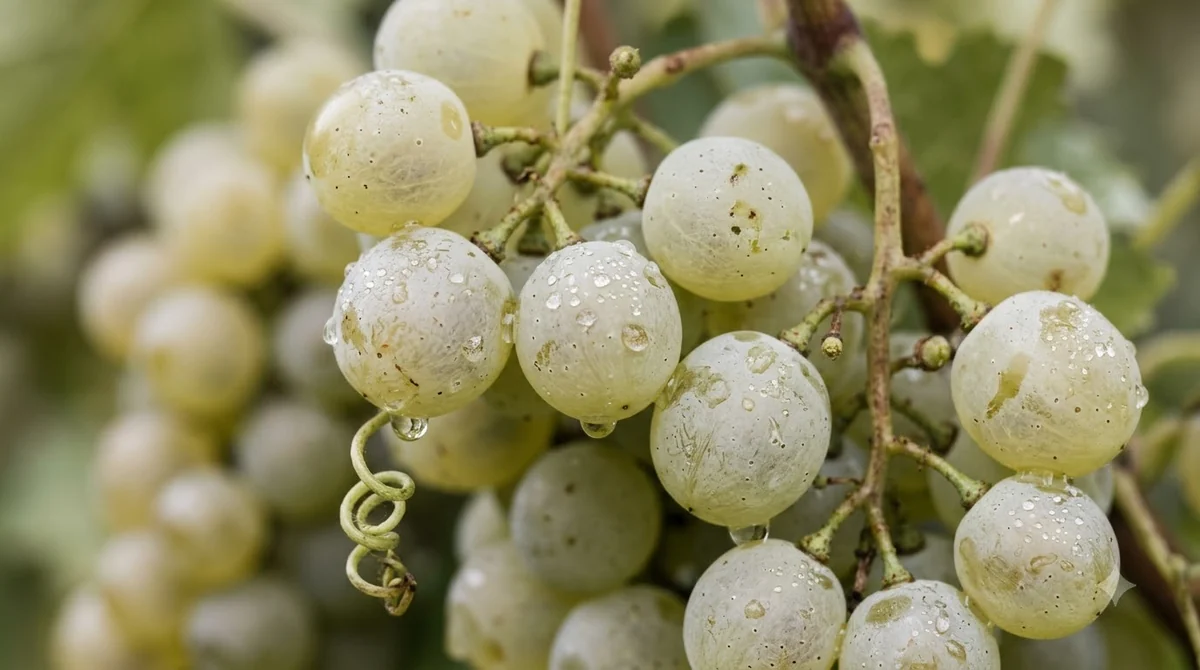
Cabernet Sauvignon is a thick-skinned red wine grape that originated in southwestern France during the 1600s as a natural crossing between Cabernet Franc and Sauvignon Blanc. Because those thick skins contain high concentrations of color pigments and phenolic compounds, winemakers ferment the juice in prolonged contact with the grape skins. The resulting wine is deeply pigmented, bone-dry, and structurally assertive, often aged in French, American, or Hungarian oak barrels for nine to eighteen months to soften its edges and layer in cedar and vanilla aromas.
White Zinfandel, despite its misleading name, is not made from a white grape at all. It is a blush rosé crafted from red Zinfandel grapes—a thin-skinned variety genetically identical to Croatia’s ancient Tribidrag (Crljenak Kaštelanski) and closely related to southern Italy’s Primitivo. To make White Zinfandel, winemakers press the red grapes and remove the skins after only a brief period of contact, leaving the juice a pale coral or salmon pink. Classic White Zinfandel also undergoes a halted fermentation, leaving noticeable residual sugar behind alongside a gentler alcohol level.
| Feature | Cabernet Sauvignon | White Zinfandel |
|---|---|---|
| Wine Style | Full-bodied dry red | Light-bodied sweet pink rosé |
| Grape Variety | Cabernet Sauvignon (red) | Zinfandel / Tribidrag (red) |
| Sweetness Level | Dry (virtually no residual sugar) | Off-dry to sweet (classic style) |
| Typical ABV | 13.5% to 15.5% | 9% to 10% |
| Tannin Level | Medium-plus to high | None to negligible |
| Oak Aging | Common (9 to 18 months) | Rarely oaked (stainless steel) |
| Serving Temperature | 60°F to 68°F (15°C to 20°C) | 45°F to 55°F (7°C to 13°C) |
Flavor and Styles
Cabernet Sauvignon tastes savory, dark-fruited, and structured, while White Zinfandel offers bright red berry sweetness, fresh acidity, and an easygoing finish without astringency.
According to Wine Folly’s guide to Cabernet Sauvignon, the grape’s signature flavor profile centers on black cherry, black currant, and blackberry, accented by savory notes of black pepper, tobacco, licorice, and occasionally green bell pepper in cooler vintages. Oak aging adds baking spices, vanilla, and cedar. Stylistically, Old World versions from Bordeaux tend to feel slightly leaner with firm acidity and earthy minerality, whereas New World expressions from California or Washington lean riper, plusher, and higher in alcohol.
White Zinfandel occupies a completely different flavor lane. Standard commercial bottlings burst with candied strawberry, watermelon, raspberry, and peach notes balanced by crisp natural acidity that keeps the residual sugar from feeling syrupy. Because the skins are removed early and oak barrels are skipped, there is no bitterness or drying sensation on the gums. Beyond the ubiquitous sweet grocery-store style born from a famous stuck fermentation at Sutter Home in the 1970s, a modern wave of California producers—including Turley Wine Cellars and Broc Cellars—now crafts drier, higher-acid White Zinfandels that highlight fresh red berries, stone fruit, and subtle baking spice.
Where Each Wine Grows
Cabernet Sauvignon thrives across major global wine regions on nearly every continent, whereas White Zinfandel is overwhelmingly a California specialty built on domestic vineyard plantings.
Thanks to its hardy vines and late-ripening nature, Cabernet Sauvignon has become the world’s most widely planted premium red wine grape. Its spiritual home is France’s Bordeaux region—particularly the Left Bank appellations of Médoc and Graves—where it anchors age-worthy blends. Outside France, it defines Napa Valley and Sonoma County in California, Washington’s Columbia Valley, Chile’s Maipo Valley, Australia’s Coonawarra and Margaret River, and Tuscany’s coastal Super Tuscan vineyards. Warm, sunny climates allow its thick skins to ripen fully, taming herbal notes into plush dark fruit.
White Zinfandel’s story is rooted almost entirely in California. Wine Folly’s Zinfandel profile notes that the United States cultivates roughly 45,840 acres of Zinfandel, concentrated in Lodi, Paso Robles, the North Coast, and the Sierra Foothills. Lodi’s warm, sandy soils supply a huge share of the fruit used for mass-market White Zinfandel, while historic old-vine sites in Napa, Sonoma, and Amador County supply fruit for small-lot dry rosé interpretations. Outside California, Zinfandel is grown mainly as a bold red wine under the name Primitivo in southern Italy’s Puglia region.
How to Serve Both Wines
Proper serving temperature and aeration matter enormously here: Cabernet Sauvignon needs cellar-cool warmth and breathing time, while White Zinfandel should be poured well chilled straight from the fridge.
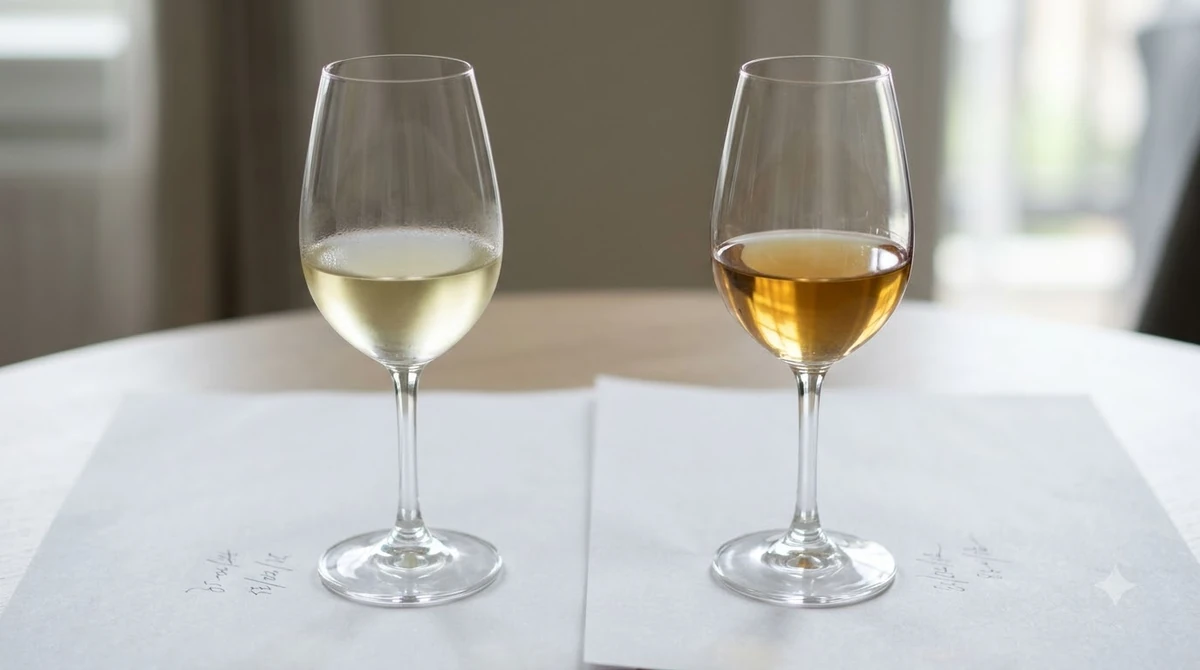
Serve Cabernet Sauvignon between 60°F and 68°F (15°C to 20°C)—noticeably cooler than a warm living room. If poured at 72°F or higher, the alcohol smells sharp and the fruit feels heavy. Giving a young Cabernet Sauvignon 30 to 60 minutes in a decanter softens its firm tannins and opens up layered aromas of dark berries and spice. Use a large, oversized red wine glass with a wide bowl so oxygen can swirl freely and direct subtle aromatics toward your nose.
White Zinfandel shines at refrigerator-adjacent temperatures between 45°F and 55°F (7°C to 13°C). Chilling emphasizes its crisp acidity and keeps its strawberry-and-peach sweetness refreshing rather than cloying. Avoid serving it ice-cold straight out of a 37°F kitchen refrigerator, which mutes delicate fruit aromas; letting the bottle sit on the counter for 10 to 15 minutes before pouring hits the sweet spot. White Zinfandel requires no decanting and fits best in a standard medium-bowled white or rosé glass.
Tip: Put your bottle of Cabernet Sauvignon in the kitchen fridge for 15 to 20 minutes before dinner—that quick chill drops it from warm room temperature right into the ideal 60°F to 65°F serving zone.
Food Pairing Differences
Cabernet Sauvignon demands rich, savory proteins and fats to balance its tannins, while White Zinfandel pairs naturally with spicy dishes, salty snacks, and light summer fare.
Because Cabernet Sauvignon carries high tannin and firm acidity, pairing it with sweet desserts or delicate white fish creates a metallic, bitter clash on the palate. Instead, match it with marbled ribeye steak, braised beef short ribs, roast lamb, or aged cheddar and Pecorino cheeses. Dietary fat and umami bind to wine tannins, smoothing out astringency and allowing the wine’s black currant and cherry notes to shine. If you love rich Italian reds alongside steaks or pasta, you can also compare how Cab stacks up in cabernet sauvignon vs chianti or barolo vs cabernet sauvignon.
White Zinfandel works magic where dry, tannic reds struggle—especially alongside spicy heat and sweet-and-savory glazes. Its residual sugar cools down chili heat in Thai curries, Nashville hot chicken, spicy Mexican tacos, and tangy barbecue pulled pork. It also makes an effortless afternoon companion for salty charcuterie boards, mild triple-cream cheeses, fresh fruit salads, and backyard picnic dishes where low alcohol keeps the mood light.
How to Choose a Bottle
Deciding between Cabernet Sauvignon and White Zinfandel depends on your meal, your tolerance for dryness and alcohol, and the occasion you are hosting.
Reach for Cabernet Sauvignon when you are serving hearty red meats, hosting an evening dinner party, or looking for a complex wine that rewards slow sipping and even multi-year cellaring. Check the back label for ABV: bottles around 13.5% to 14% ABV generally offer brighter acidity and savory structure, while 14.5% to 15.5% ABV signals a riper, plusher fruit-forward style. If Cabernet feels slightly too firm on the tannins, exploring cabernet sauvignon vs carmenere can point you toward a softer, plush alternative.
Choose White Zinfandel when you want a chilled, crowd-pleasing pour for warm weather, spicy takeout, or guests who prefer sweeter, lower-alcohol drinks without bitter tannins. Look closely at the label and ABV to pick your preferred sweetness: classic sweet White Zinfandels sit around 9% to 10% ABV, whereas artisanal dry White Zinfandels from modern California winemakers typically reach 12% to 13% ABV because the yeast ferments nearly all the grape sugar dry.
Frequently Asked Questions
Is White Zinfandel actually made from white grapes?
No, White Zinfandel is made from red Zinfandel grapes, the exact same variety used to make bold red Zinfandel wine. Winemakers achieve its pale pink color by pressing the grapes and separating the juice from the dark red skins after just a few hours of contact.
Which has more alcohol, Cabernet Sauvignon or White Zinfandel?
Cabernet Sauvignon has significantly higher alcohol, typically ranging from 13.5% to 15.5% ABV. Classic sweet White Zinfandel usually sits between 9% and 10% ABV because fermentation is stopped early, leaving unfermented grape sugar in the finished wine.
Can you age White Zinfandel like Cabernet Sauvignon?
No, White Zinfandel is crafted for immediate freshness and should generally be enjoyed within one to two years of its vintage date. Fine Cabernet Sauvignon, by contrast, has the tannins, acidity, and oak structure to age and develop complexity for ten years or more.
Why does Cabernet Sauvignon make my mouth feel dry while White Zinfandel does not?
Cabernet Sauvignon gets its drying grip from tannins extracted from its thick grape skins, seeds, and oak barrels during fermentation and aging. Because White Zinfandel juice is separated from the skins quickly and aged in stainless steel, it contains virtually no tannins.
Ultimately, Cabernet Sauvignon and White Zinfandel prove just how versatile red wine grapes can be depending on how they are harvested, pressed, and fermented. Keep a dry, structured Cabernet on hand for steak nights and cool evenings, and keep a chilled bottle of White Zinfandel ready for spicy dishes, sunny patios, and easygoing sipping.
More in Wine vs Wine
 Champagne vs Sauvignon Blanc: Key Differences in Taste, Bubbles, and PairingUpdated Nov 21, 2026
 Chablis vs Riesling: Key Differences in Taste, Sweetness, and PairingUpdated Nov 21, 2026
 Carignan vs Pinot Noir: Taste, Body, and Pairing DifferencesUpdated Nov 21, 2026
 Cabernet Sauvignon vs Tempranillo: Taste, Tannins, and Food PairingUpdated Nov 21, 2026
 Cabernet Sauvignon vs Sangiovese: Flavor, Structure, and Pairing DifferencesUpdated Nov 21, 2026
 Cabernet Sauvignon vs Rioja: How Grape, Oak, and Flavor CompareUpdated Nov 21, 2026