

We may earn a commission when you buy through links on this page, at no extra cost to you. Learn more.
A burgundy wine tasting centers on comparing site-specific expressions of Pinot Noir and Chardonnay across France’s Bourgogne region, where limestone soils and subtle shifts in slope create dramatically different flavors from neighboring villages. Unlike wine regions built around blends or varied grape rosters, Burgundy focuses almost exclusively on single-varietal bottlings classified into four quality tiers: Regional, Village, Premier Cru, and Grand Cru. Whether you are visiting historic vaulted cellars in France or pouring a comparative flight at home, tasting Burgundy successfully depends on proper serving temperatures, tulip-shaped glassware, and progressing from crisp, mineral whites to structured, earthy reds.
Understanding Burgundy becomes much simpler once you stop looking for grape names on the front label and start reading the geography instead. In this east-central French region, roughly 200 million years of ancient marine seabed left behind pale limestone and marl soils that give both red and white wines their signature zesty minerality and bright natural acidity. By organizing your tasting around sub-regions and classification tiers, you can taste exactly how a few miles of elevation or sun exposure transform the exact same grape.
Overview of Burgundy and Its Terroir
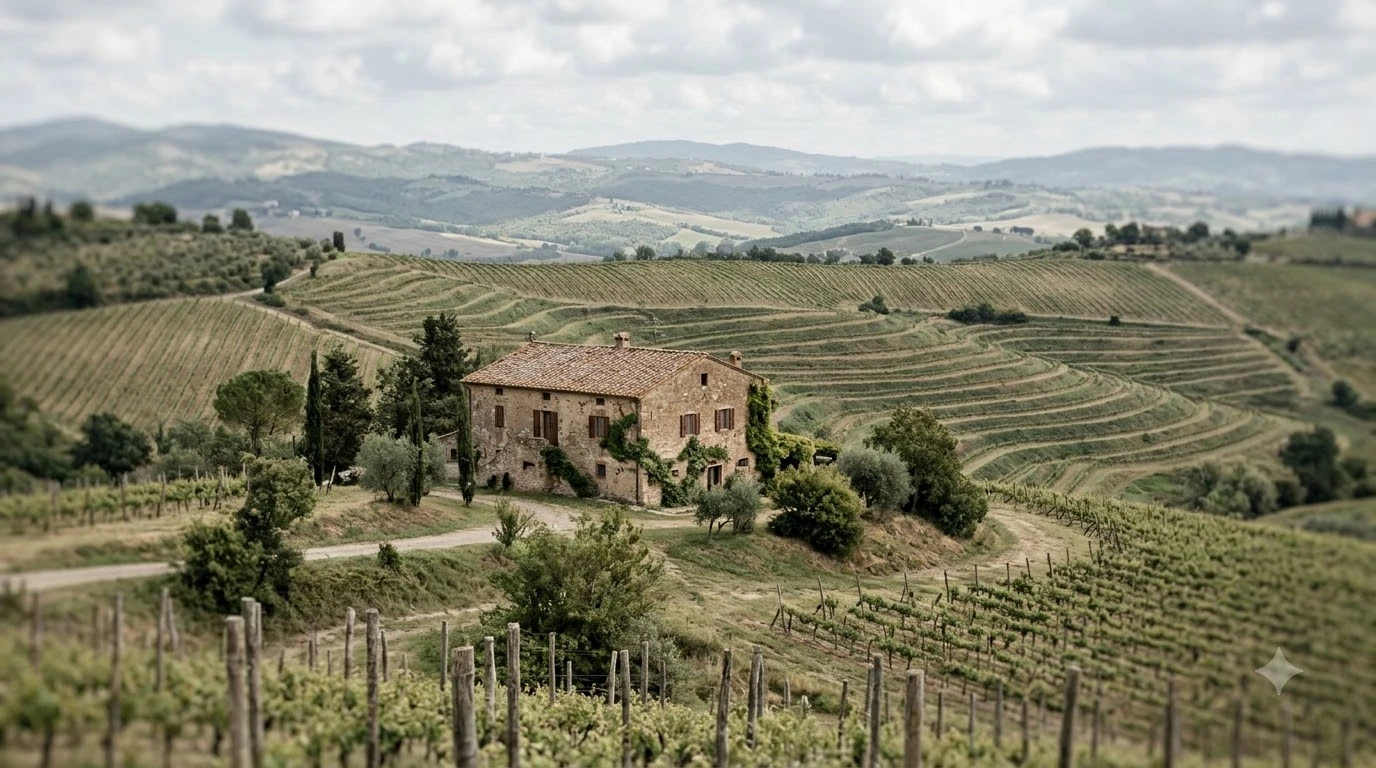
Burgundy, known locally as Bourgogne, stretches through east-central France and functions as the historical benchmark for single-vineyard winemaking across major global wine regions. Rather than blending varieties to achieve consistency, Burgundian vignerons bottle individual vineyard plots—known as climats—to highlight tiny variations in soil composition, drainage, and sunlight.
According to Wine Folly’s Burgundy guide, the region encompasses 84 approved appellations divided into four hierarchical quality levels. At the base sit Regional wines such as Bourgogne Rouge, Bourgogne Blanc, and Crémant de Bourgogne, which account for roughly half of total production and draw fruit from across the broader area. Above them are 44 Village appellations named after specific communes, followed by more than 600 designated Premier Cru vineyards, and finally 33 Grand Cru appellations in the Côte d’Or alongside one subdivided Grand Cru slope in Chablis.
This extreme attention to place dates back to 1098, when Cistercian monks began cataloging vineyard parcels and documenting how distinct slopes produced noticeably different wines. Following the French Revolution, large church and aristocratic holdings were broken up and redistributed, creating today’s patchwork landscape where a single prized hillside might be shared among dozens of small family domaines alongside historic merchant houses known as négociants.
The Five Core Sub-Regions to Taste
When planning a burgundy wine tasting, moving geographically from north to south reveals how climate and limestone shifts shape the glass. Five primary winegrowing zones define classic Bourgogne, shifting from cool, chalky northern slopes to warmer southern hills.
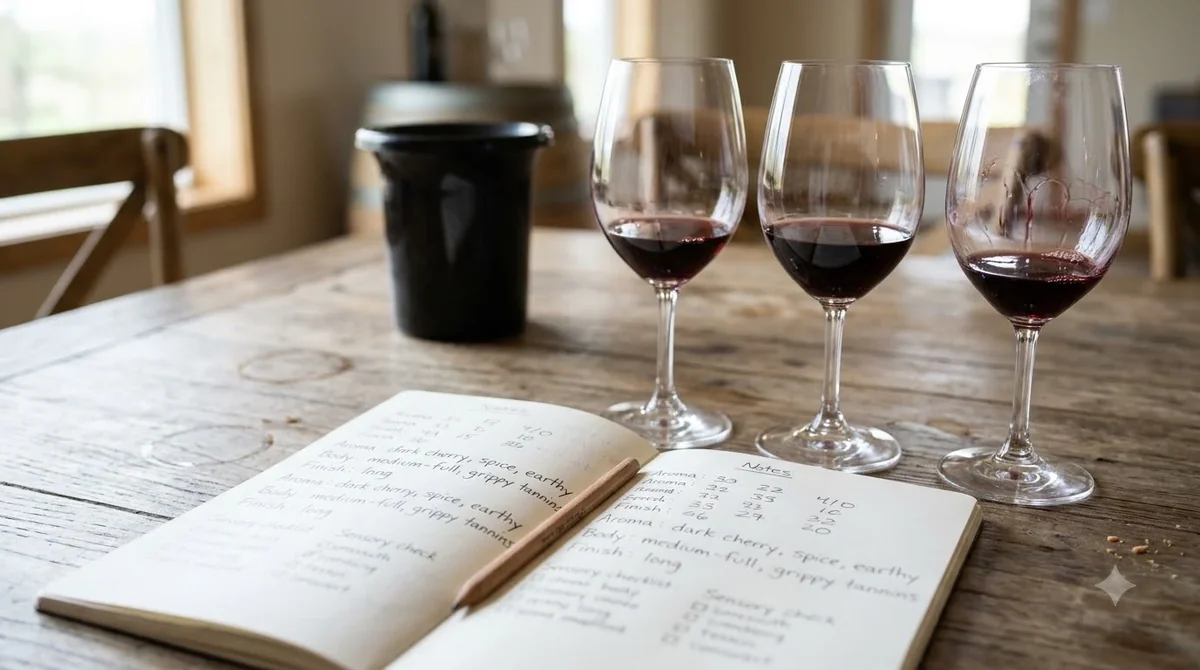
At the northern tip lies Chablis, located closer to Champagne than to the rest of Burgundy. Its Kimmeridgian limestone and marl soils are packed with fossilized oyster shells, yielding dry, unoaked Chardonnay marked by green apple, lemon zest, and flinty minerality. Further south, the heartland splits into two halves that together form the famed Côte d’Or (Golden Slope): the Côte de Nuits in the north and the Côte de Beaune in the south.
The Côte de Nuits is the spiritual home of age-worthy Pinot Noir, producing structured, deeply perfumed reds from villages like Gevrey-Chambertin and Vosne-Romanée. Just below it, the Côte de Beaune produces supple, aromatic reds in communes like Volnay and Pommard, while simultaneously crafting the world’s benchmark barrel-aged Chardonnays in Meursault, Puligny-Montrachet, and Chassagne-Montrachet.
Continuing south brings you to the Côte Chalonnaise, where villages such as Mercurey, Givry, and Rully deliver balanced Pinot Noir and Chardonnay without Grand Cru scarcity. Finally, the warm southern Mâconnais region—home to Pouilly-Fuissé and Saint-Véran—produces rounder, fruit-driven Chardonnays with notes of melon, yellow apple, and gentle spice.
| Sub-Region | Primary Focus | Signature Soil & Climate | Classic Tasting Notes |
|---|---|---|---|
| Chablis | Chardonnay (mostly unoaked) | Cool continental; Kimmeridgian limestone with marine fossils | Green apple, citrus zest, wet stone, flint, high acidity |
| Côte de Nuits | Pinot Noir | Cool-to-moderate continental; limestone and marl slopes | Red cherry, black currant, rose petal, forest floor, firm tannins |
| Côte de Beaune | Chardonnay & Pinot Noir | Moderate continental; varied limestone and clay exposures | Whites: hazelnut, pear, white blossom; Reds: plum, cherry pit, earth |
| Côte Chalonnaise | Pinot Noir, Chardonnay & Aligoté | Moderate continental; rolling limestone hills | Bright red berries, fresh orchard fruit, crisp mineral finish |
| Mâconnais | Chardonnay | Warmer southern continental; limestone and clay | Ripe melon, starfruit, yellow apple, soft spice |
Key Grapes and Tasting Profiles
Nearly every classic Burgundy bottle showcases one of two noble grapes—Pinot Noir for red wines and Chardonnay for white wines—with a few traditional supporting varieties filling specific niches. Tasting these grapes side by side highlights how restraint, acidity, and savory complexity take priority over heavy fruit extraction.
Red Burgundy (Pinot Noir) pours a translucent pale-to-medium ruby color rather than an opaque purple. On the nose, young bottles open with primary aromas of red cherry, raspberry, cranberry, and subtle floral notes like dried rose or violet. As the wine matures in oak barrels and bottle, secondary and tertiary layers emerge—bringing savory notes of mushroom, damp forest floor, game, leather, and warm baking spice. On the palate, expect lively acidity, moderate alcohol, and fine, silky tannins.
White Burgundy (Chardonnay) spans two distinct stylistic poles depending on geography and cellar choices. Unoaked versions from Chablis or regional Bourgogne Blanc emphasize pure orchard fruit, lemon pith, and chalky tension. Barrel-fermented and oak-aged examples from the Côte de Beaune develop broader texture alongside secondary aromas of toasted hazelnut, brioche, vanilla, and white flowers.
Two secondary grapes also reward curious tasters. Aligoté yields a snappy, high-acid white wine with green apple and acacia blossom notes—traditionally mixed with crème de cassis to make a Kir cocktail. Meanwhile, Crémant de Bourgogne uses the traditional champagne bottle-fermentation method with Pinot Noir and Chardonnay to deliver crisp citrus and white-blossom sparkling wines.
Serving Temperature, Glassware, and Pacing
Serving Burgundy at the proper temperature is the single easiest way to bring out its aromatic detail, because excessive chill mutes delicate white wines while overly warm room temperatures make Pinot Noir taste heavy and alcoholic. According to guidelines from the Bourgogne Wine Board (BIVB), each style performs best within a narrow temperature window.
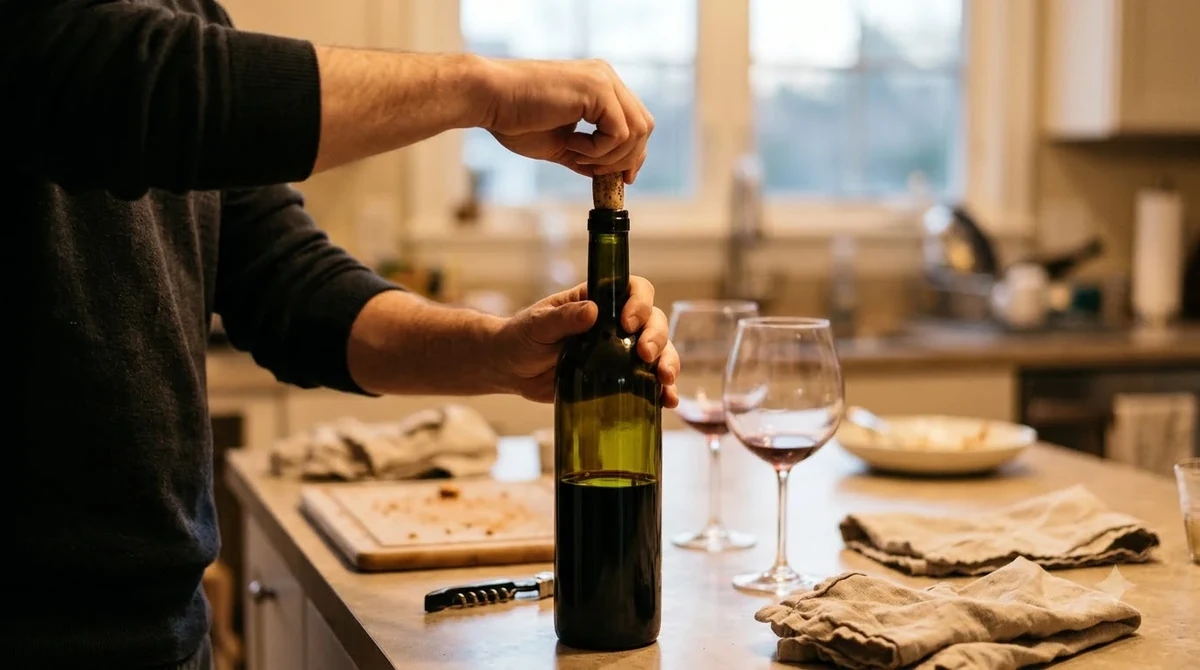
Sparkling Crémant de Bourgogne shines at 43°F to 46°F (6°C to 8°C), while lively unoaked whites like Bourgogne Aligoté and Petit Chablis open up at 50°F to 54°F (10°C to 12°C). Richer, barrel-aged white Burgundies from the Côte de Beaune or Grand Cru Chablis need slightly less chill—around 54°F to 57°F (12°C to 14°C)—so their hazelnut, honey, and mineral notes are not locked away. Red Burgundy should be served slightly cool at 61°F to 63°F (16°C to 17°C), which preserves its vibrant cherry fruit and brisk acidity.
Glassware and tasting order matter just as much as thermometer readings. Pour both red and white Burgundy into large, tulip-shaped glasses with a wide bowl and gently tapered rim, which allows delicate aromas to swirl and concentrate toward your nose. Always hold the glass by its stem or base so body heat does not warm the wine prematurely. Sequence your flight from lightest to fullest: start with Crémant, move to unoaked Chablis, follow with oak-aged white Burgundy, and finish with Pinot Noir from lighter Côte de Beaune villages before firmer Côte de Nuits reds.
Tip: Pull red Burgundy out of a warm dining room and place it in a refrigerator or ice-water bucket for 15 to 20 minutes before opening so it hits the ideal 61°F to 63°F cellar temperature.
Visiting Tips for Tasting Cellars in Burgundy
Unlike casual drop-in tasting rooms common in North American wine destinations such as Texas Hill Country wine tasting or North Georgia wine tasting, Burgundy’s small family domaines are working farms that require advance appointments. Growers spend most of their week tending vines or working in the cellar, so emailing or calling weeks ahead is essential—and arriving punctually shows respect for their schedule.
When planning an itinerary around Beaune wine tasting, pair one or two intimate grower visits with larger historic négociant houses and tasting venues. Establishments in Beaune such as Maison Joseph Drouhin, Maison Patriarche Père et Fils, Bouchard Aîné & Fils, Maison Champy, and the Marché aux Vins offer structured cellar tours and multi-appellation flights with regular daily hours. If you prefer sparkling wine, Caves Bailly Lapierre near Saint-Bris-le-Vineux hosts tastings inside an expansive underground limestone quarry.
Keep a few local customs in mind during cellar appointments. Skip perfume, cologne, or scented lotion, as strong fragrances overwhelm subtle vineyard aromatics inside cool stone cellars. Bring a light jacket or sweater—underground vaulted cellars stay chilly year-round—and wear flat, closed-toe shoes suitable for damp stone steps. Finally, use the spittoon freely; spitting is standard practice among collectors and winemakers alike, and late August through October is best avoided for small grower visits because harvest occupies the entire staff.
How to Organize a Burgundy Flight at Home
You do not need a plane ticket to France or rare Grand Cru bottles to experience how Burgundian terroir works. Setting up a focused three- or four-bottle flight at home lets you isolate one variable—such as village geography, oak influence, or classification tier—while keeping the grape variety constant.
One illuminating approach is a north-to-south white Burgundy comparison. Pour a village-level Chablis alongside a Mâcon-Villages or Saint-Véran and a Côte de Beaune white such as Saint-Aubin or Rully. Tasting them side by side immediately demonstrates how cool northern limestone creates razor-sharp citrus and wet-stone tension, whereas warmer southern slopes and subtle barrel aging yield rounder orchard fruit and toasted nut complexity.
For a red-focused session, compare a Côte de Beaune village red (such as Savigny-lès-Beaune, Volnay, or Santenay) against a Côte de Nuits village red (such as Marsannay, Fixin, or Gevrey-Chambertin) from the same vintage. Rely on reputable négociant bottlings—like Louis Jadot, Joseph Drouhin, or Bouchard Père et Fils—when starting out, as their consistent winemaking style keeps the spotlight squarely on differences between villages.
Frequently Asked Questions
Do you need appointments for burgundy wine tasting?
Yes, nearly all small family domaines in Burgundy require appointments booked weeks in advance, and most close during the midday lunch window and throughout harvest season. For walk-in flexibility, base yourself in Beaune, where major négociant houses, tasting cellars, and wine bars welcome visitors daily without private connections.
Why do Burgundy wine labels list village names instead of grape varieties?
Burgundy classifies wine by geographic origin because soil, slope, and microclimate define the wine’s character more than the grape alone. Under French appellation rules, almost all red Burgundy is 100 percent Pinot Noir and almost all white Burgundy is 100 percent Chardonnay, though many producers now print the grape variety on the back label for clarity.
Should you decant Burgundy wine before tasting?
Young Village, Premier Cru, or Grand Cru red Burgundies often benefit from 30 to 45 minutes in a decanter to soften firm tannins and open tightly wound aromas. Mature red Burgundies are much more delicate and should either be poured carefully straight from the bottle or decanted briefly just before serving so their fragile bouquet does not fade.
What is the difference between a domaine and a négociant in Burgundy?
A domaine grows grapes in its own estate vineyards, vinifies the fruit, and bottles the wine on-site. A négociant is a wine merchant that purchases grapes, must, or finished wine from smaller growers across multiple villages to age and bottle under the house label, although many historic négociants also own extensive estate vineyards.
Approaching a burgundy wine tasting with attention to sub-region, serving temperature, and classification turns an intimidating label system into an intuitive sensory map. Start with accessible Regional and Village bottlings from trusted producers, pour them at cellar temperature in wide-bowled tulip glasses, and pay close attention to how limestone, acidity, and subtle oak shape every sip.
More in Wine Regions
 Willcox Wine Trail: Discover Arizona’s High-Elevation Wine CountryUpdated Nov 20, 2026
 Yakima Valley Wine Region: Find the Best Styles to TryUpdated Nov 20, 2026
 Vosne Romanee Wine Tasting: Identify Aromas and Choose Better PairingsUpdated Nov 20, 2026
 Yakima Valley Wine Festival: Find the Best Seasonal Wine EventsUpdated Nov 20, 2026
 Wales Vineyards: Discover Cool-Climate Wines and Where to VisitUpdated Nov 20, 2026
 Yountville Wine Festival: Discover Napa Wines and Local FoodUpdated Nov 20, 2026