

We may earn a commission when you buy through links on this page, at no extra cost to you. Learn more.
A georgia wine tasting introduces drinkers to the world’s oldest continuous winemaking tradition, spanning 8,000 years and more than 500 indigenous grape varieties. Located at the crossroads of Eastern Europe and Western Asia in the South Caucasus, the Republic of Georgia is famous for amber skin-contact wines fermented in buried clay vessels called qvevri alongside ink-dark red wines and crisp European-style whites. Whether sampled in a local wine bar or on an estate tour in Kakheti, tasting Georgian wine centers on native grapes like Rkatsiteli and Saperavi rather than international varieties.
Exploring this historic wine country requires shifting away from familiar French or Italian benchmarks and paying close attention to texture, fermentation vessels, and regional microclimates. Unlike conventional tastings where oak influence and varietal purity dominate the conversation, Georgian flights contrast modern stainless-steel precision against ancient subterranean clay maceration.
Overview of Georgian Wine Culture
Georgia sits in the South Caucasus between the Greater and Lesser Caucasus Mountains and the Black Sea, boasting archaeological evidence of grape cultivation dating back to 6,000 B.C.E. Wine is woven directly into daily social life through the supra, a traditional feast led by a toastmaster who guides guests through structured courses and glasses.
According to Wine Enthusiast’s guide to Georgia, the country encompasses approximately 136,000 acres of vineyards and 25 registered Protected Designations of Origin. Roughly 75 percent of the grapes grown across the country are white varieties, though red grapes account for some of the nation’s most collectible dry and semi-sweet bottles. Following the collapse of the Soviet Union in 1991 and a subsequent 2006 trade embargo that pushed producers toward Western export markets, Georgian winemakers aggressively pivoted away from bulk production toward single-vineyard quality and traditional cellar practices.
At the heart of this identity is the qvevri, a large egg-shaped clay amphora buried up to its neck in the earthen floor of a family cellar, known locally as a marani. Inscribed on the UNESCO Intangible Cultural Heritage list in 2013, qvevri fermentation relies on natural ambient temperatures of 14 to 16 degrees Celsius underground to regulate wild yeast activity without mechanical refrigeration. Crushed grapes, skins, seeds, and stems—collectively called chacha—macerate inside the beeswax-lined clay for up to six months, yielding textured amber wines that bridge the gap between crisp whites and structured reds.
Sub-Regions to Know
While winemaking occurs in nearly every valley across Georgia, tasting flights typically organize wines around four primary geographic zones shaped by mountain barriers and Black Sea humidity. Each area applies distinct cellar rules, particularly regarding how long white grape skins remain in contact with the fermenting juice.

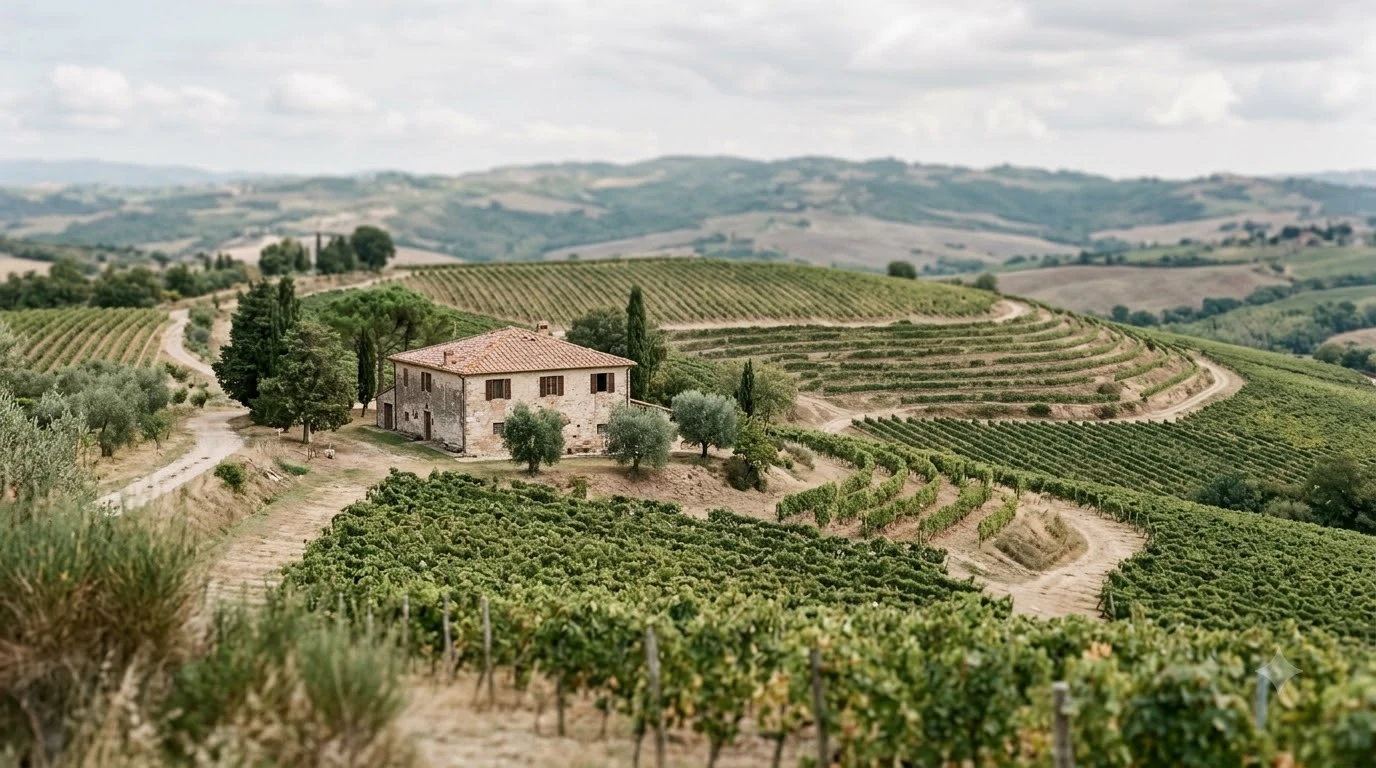
Kakheti in eastern Georgia is the undisputed engine of the national industry, producing between 70 and 80 percent of the country’s wine across the Alazani and Iori river valleys. Protected from harsh northern winds by the Greater Caucasus, Kakheti features warm, dry summers and alluvial, clay, and limestone soils that ripen full-bodied reds and deeply structured amber wines. Key sub-zones and towns include Telavi, Sighnaghi, Kvareli, and Tsinandali, where winemakers traditionally ferment white grapes with 100 percent of their skins and stems for months in buried qvevri.
Kartli surrounds the capital city of Tbilisi in central Georgia and serves as a bridge between the arid east and the wetter west. Sitting at higher elevations along the Mtkvari River, Kartli produces lighter, high-acid table wines and serves as the country’s premier hub for traditional-method sparkling wines made from indigenous white grapes. Further west, Imereti experiences cooler, damper conditions influenced by the Black Sea; local producers adapt qvevri techniques by using only 20 to 50 percent of the grape skins during fermentation, yielding brighter, softer amber wines with distinct minerality.
Tucked into the steep, rugged foothills of the northwestern mountains, Racha-Lechkhumi is a small, high-altitude enclave celebrated for rare, low-yielding varieties and naturally semi-sweet red wines. Warm days and chilly mountain nights preserve bright natural acidity while concentrating grape sugars, creating the ideal conditions for Khvanchkara, a historic off-dry red blend historically favored by European royalty and diplomats.
Key Grapes and Tasting Styles
With over 500 native cultivars cataloged by ampelographers, Georgian tasting menus focus on a core group of resilient varieties that rarely appear outside the Caucasus. Understanding whether a bottle was vinified in European-style stainless steel or traditional buried clay is just as important as identifying the grape on the label.
Educators at Wine Folly highlight Rkatsiteli—meaning “red stem”—as the backbone of Georgian white and amber wine, accounting for roughly 43 percent of white vineyard plantings. When fermented in stainless steel without skin contact, Rkatsiteli delivers a crisp, medium-bodied white profile marked by green apple, quince, pineapple, and citrus zest. Left on its skins in a qvevri, that exact same grape transforms into a deep copper-amber wine bursting with dried apricot, beeswax, toasted walnut, chamomile, and firm, palate-gripping tannins.
Saperavi, whose name translates to “dye” or “color,” is Georgia’s flagship red grape and one of the wine world’s few teinturier varieties, meaning both its skin and its flesh are deeply pigmented red. Dry Saperavi wines are opaque, ink-dark, and full-bodied, showing blackberry, black cherry, sour plum, licorice, and savory earth supported by brisk acidity and chewy tannins. Other essential native grapes include Kisi (aromatic white yielding pear, apricot, and green tea notes), Mtsvane Kakhuri (floral, peachy white often blended with Rkatsiteli in Tsinandali), and Tsolikouri (a full-bodied western white with floral lift and wet-stone minerality).
| Grape Variety | Color & Primary Region | Winemaking Method | Key Tasting Notes |
|---|---|---|---|
| Rkatsiteli | White / Amber (Kakheti) | Stainless steel or full-skin qvevri | Green apple, quince (steel); dried apricot, walnut, beeswax (qvevri) |
| Saperavi | Red (Kakheti) | Qvevri, oak, or stainless steel | Inky blackberry, sour cherry, dark plum, savory spice, firm tannins |
| Mtsvane Kakhuri | White / Amber (Kakheti) | Stainless steel or qvevri | White peach, wildflowers, citrus peel, herbal spice |
| Kisi | White / Amber (Kakheti) | Qvevri or stainless steel | Ripe pear, apricot, honey, green tea, orange zest |
| Tsolikouri | White (Imereti) | Partial-skin qvevri or tank | Yellow plum, melon, white blossoms, bright minerality |
| Aleksandrouli & Mujuretuli | Red (Racha-Lechkhumi) | Natural cold-stopped fermentation | Raspberry, pomegranate, violet, velvety off-dry finish |
Notable Producers to Look For
Modern Georgian wine spans everything from large historic estates exporting globally to tiny natural-wine cellars working exclusively with hand-dug qvevri. Recognizing a handful of benchmark names helps tasters distinguish between classic European-styled bottlings and artisanal skin-contact expressions.
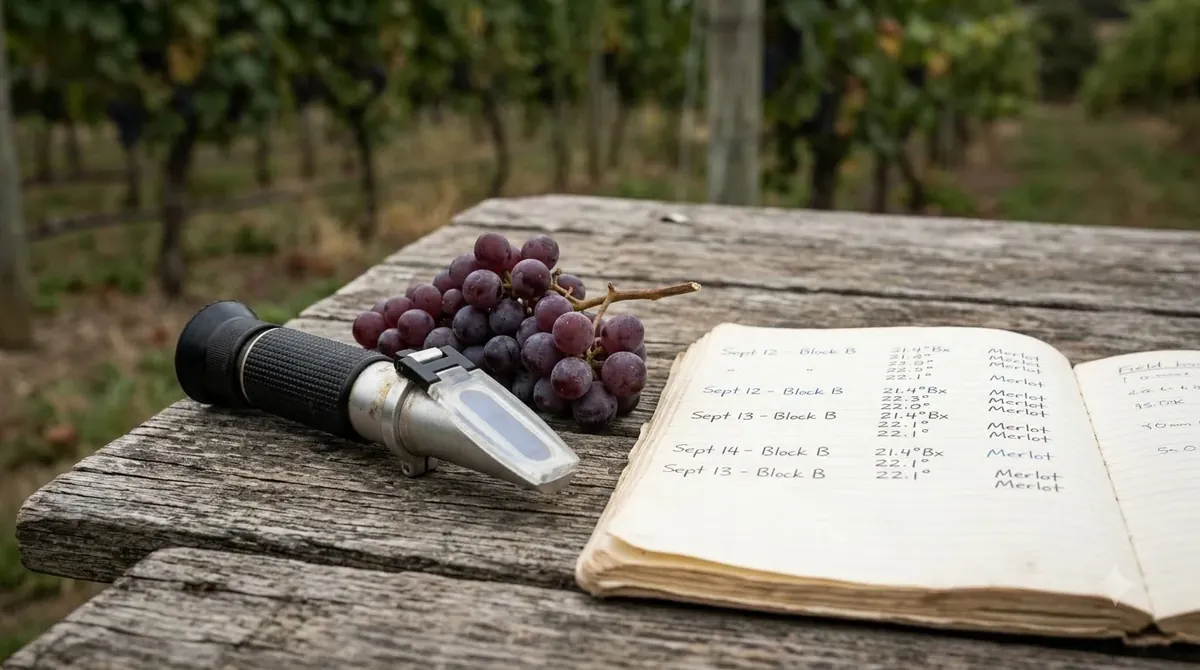
Among traditional qvevri pioneers, Pheasant’s Tears in Sighnaghi helped spark international interest in Georgian amber wine by fermenting organic native grapes in buried clay without additives or filtration. Similarly, Iago’s Wine, led by winemaker Iago Bitarishvili in Kartli, is widely cited by wine critics for single-vineyard, skin-contact Chinuri wines that showcase purity and mineral tension. In Imereti, family operations such as Archil Guniava Wine Cellar demonstrate the regional style of partial skin maceration using western grapes like Tsitska and Tsolikouri.
For tasters seeking historic estates and structured cellar programs, Tsinandali Estate—founded in the 19th century by poet and aristocrat Prince Alexander Chavchavadze—remains the reference point for European-style barrel-aged blends of Rkatsiteli and Mtsvane. West of Tbilisi in Kartli, Château Mukhrani revives royal 19th-century viticulture with estate-grown Saperavi, Goruli Mtsvane, and Shavkapito. Meanwhile, larger producers like Shumi Winery, Badagoni, and Tbilvino maintain dedicated qvevri cellars alongside temperature-controlled facilities, making accessible varietal bottles widely available to international audiences.
How to Taste and Serve Georgian Wines
Tasting Georgian wines requires adjusting standard serving temperatures and glassware, particularly when moving between crisp stainless-steel whites and tannic qvevri amber wines. Treating an amber wine like a chilled Pinot Grigio mutes its complex aromatics and exaggerates its phenolic grip.
Serve European-style dry whites such as tank-fermented Rkatsiteli or Tsolikouri well chilled between 45 and 50 degrees Fahrenheit in a standard white wine glass to highlight their citrus and orchard fruit snap. By contrast, full-skin qvevri amber wines perform best at cellar temperature—around 55 to 60 degrees Fahrenheit—and benefit from a wider Burgundy-style bowl that allows volatile notes of dried fruit, resin, and roasted nuts to open up. Decanting young qvevri amber wines and full-bodied Saperavi for 30 to 60 minutes softens youthful tannins and blows off any initial earthy reduction from clay aging.
Tip: When organizing a comparative tasting flight at home, pour stainless-steel Rkatsiteli side by side with qvevri-fermented Rkatsiteli from the same region so tasters can experience how six months of skin contact transforms color, aroma, and tannin structure.
Food pairing is central to evaluating Georgian bottles, as high acidity and pronounced tannins are built for rich, savory dishes rather than solo sipping. Amber Rkatsiteli and Kisi pair effortlessly with roasted poultry, aged sheep’s milk cheeses, walnut-based sauces, and Georgian khachapuri (cheese-filled bread), while ink-dark Saperavi stands up to charcoal-grilled lamb, braised beef, and mushroom stews.
Visiting Tips and Buying Advice
Travelers planning an in-person tasting trip to Georgia and shoppers browsing local wine shops abroad can both benefit from understanding seasonal rhythms and label terminology. While exploring global Wine Regions often involves formal tasting-room reservations, Georgia blends structured estate hospitality with informal village cellar culture.
If visiting Georgia in person, September and October mark rtveli, the autumn grape harvest, when visitors can watch foot-treading in wooden troughs and join community feasts across Kakheti. Spring—specifically March and April—is another prime window, as winemakers unseal the beeswax lids on their buried qvevri to taste the new vintage for the first time. Unlike European appellations where travelers might structure a dedicated burgundy wine tasting or beaune wine tasting around strict appointment schedules, many small family marani in villages like Telavi and Sighnaghi welcome guests informally, though hiring a local driver is essential due to winding rural roads and generous Georgian hospitality.
When buying bottles at a specialty wine shop in the United States, scan the front and back labels for the word qvevri (sometimes spelled kvevri) if you want authentic skin-contact amber wine, as bottles labeled simply “Rkatsiteli” or “Mtsvane” are frequently crisp, clear whites made in stainless steel. Check PDO names such as Mukuzani (oak-aged dry Saperavi), Kindzmarauli (naturally semi-sweet Saperavi), or Tsinandali (dry white blend) to gauge sweetness and oak influence before pulling the cork.
Frequently Asked Questions
What does Georgian qvevri wine taste like?
White wine fermented with grape skins in buried clay qvevri has a deep amber-orange hue, firm red-wine-like tannins, and savory complexity. Expect aromas of dried apricot, orange peel, beeswax, toasted walnut, chamomile, and dried herbs rather than fresh tropical fruit.
Are all Georgian wines sweet?
No, while Georgia produces famous naturally semi-sweet reds like Khvanchkara and Kindzmarauli, the vast majority of export-focused Georgian wines are completely dry. Traditional qvevri amber wines and appellation reds like Mukuzani are fermented fully dry with crisp acidity and structured tannins.
Is Georgian amber wine the same as orange wine?
Yes, amber wine and orange wine refer to the same winemaking technique of fermenting white grapes in prolonged contact with their skins and seeds. Georgia is the historical birthplace of this style, though local producers prefer the term “amber wine” to reflect the rich golden-copper color extracted from native white varieties.
How should I order a flight during a Georgia wine tasting?
Start with a crisp, tank-fermented white such as Tsolikouri or stainless-steel Rkatsiteli to calibrate your palate. Move next to a partial-skin Imeretian amber wine, followed by a full-skin Kakhetian qvevri wine, and finish with a bold dry Saperavi or an off-dry Khvanchkara.
Whether you are comparing buried-clay amber wines against stainless-steel whites at a local wine bar or planning a cellar tour through the Alazani Valley, Georgian wines reward curiosity and patience. Much like exploring emerging domestic routes during a hill country wine tasting, approaching Georgia’s indigenous grapes with an open mind reveals flavors and textures found nowhere else in the wine world.
More in Wine Regions
 Willcox Wine Trail: Discover Arizona’s High-Elevation Wine CountryUpdated Nov 20, 2026
 Yakima Valley Wine Region: Find the Best Styles to TryUpdated Nov 20, 2026
 Vosne Romanee Wine Tasting: Identify Aromas and Choose Better PairingsUpdated Nov 20, 2026
 Yakima Valley Wine Festival: Find the Best Seasonal Wine EventsUpdated Nov 20, 2026
 Wales Vineyards: Discover Cool-Climate Wines and Where to VisitUpdated Nov 20, 2026
 Yountville Wine Festival: Discover Napa Wines and Local FoodUpdated Nov 20, 2026