

We may earn a commission when you buy through links on this page, at no extra cost to you. Learn more.
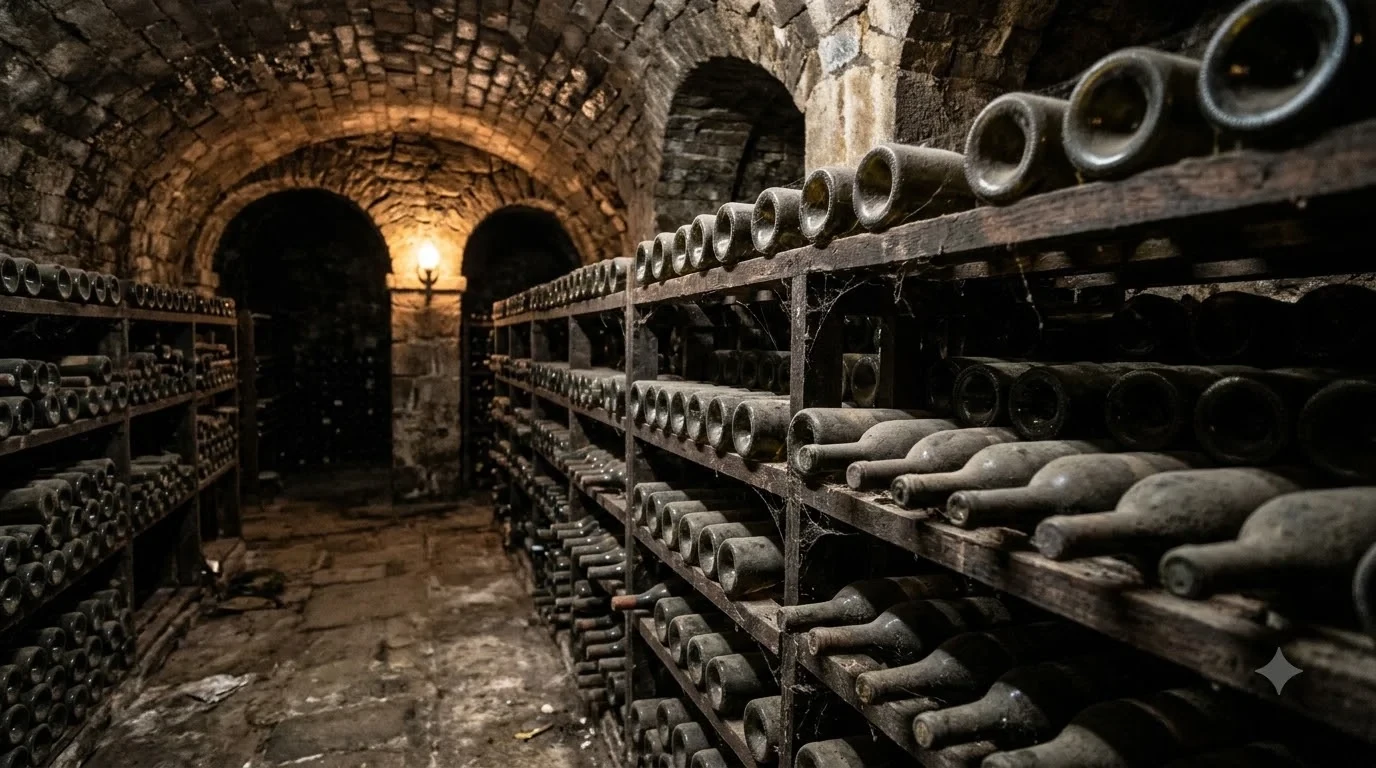
A beaune wine tasting centers on single-vineyard Pinot Noir and Chardonnay poured inside medieval underground cellars or intimate downtown tasting rooms in Burgundy’s historic wine capital. The Beaune AOC was established in 1936 and spans roughly 400 hectares of east- to south-facing slopes, including 42 Premier Cru climats where red Pinot Noir accounts for over 80 percent of total vineyard area. Most cellars sit within walking distance of the 15th-century Hôtel-Dieu, allowing visitors to compare village-level bottles and Premier Cru single-vineyard releases without needing a car.
Located at the geographic midpoint of the Côte d’Or escarpment in eastern France, Beaune has functioned as the commercial hub of the regional wine trade since the 14th century. Rather than sprawling estate wineries surrounded by vineyards, the town concentrates centuries-old négociant houses, subterranean stone vaults, and grower tasting rooms inside a compact walled center.
Overview of Beaune as a Wine Capital
Beaune serves as both a dedicated Village appellation and the administrative heart of the wider Côte de Beaune, making it the most accessible base for burgundy wine tasting. Nearly 70 wine cellars open their doors to visitors inside the old town, pairing historical cellar walks with structured flights across multiple sub-appellations.
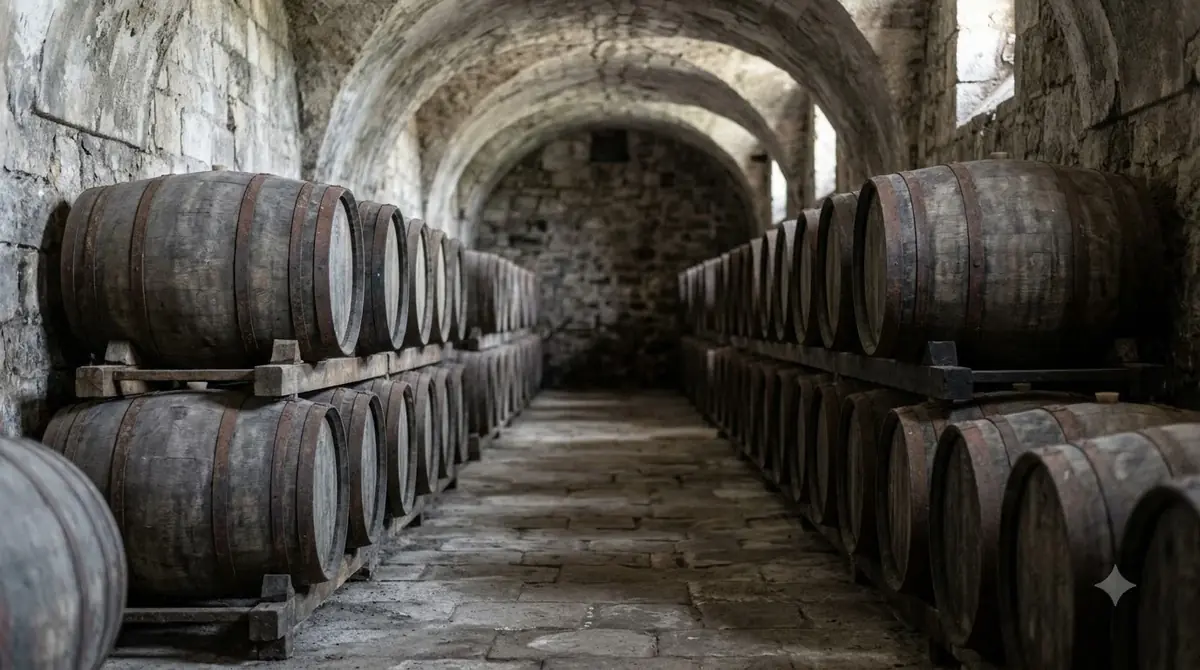
Unlike sprawling vineyard regions such as hill country wine tasting destinations in Texas where driving between estates is mandatory, Beaune lets travelers walk from one historic cellar to the next in minutes. Beneath the cobblestone streets lies a labyrinth of vaulted stone tunnels dating back to the 13th and 14th centuries, originally dug to store barrels at naturally cool temperatures and high humidity.
Because Beaune is home to major merchant houses alongside family-run domaines, a single flight often spans far beyond the town limits. Tasting rooms routinely pour regional Bourgogne blends, village wines from neighboring communes, Beaune Premiers Crus, and flagship Grand Cru bottles from both the Côte de Beaune and the Côte de Nuits.
Sub-Regions and the 42 Premiers Crus
Within the Beaune appellation itself, vineyard sites divide between northern slopes bordering Savigny-lès-Beaune and southern parcels bordering Pommard, anchored by 42 officially classified Premier Cru climats. According to the Bourgogne Wine Board (BIVB), elevations range from 220 to 300 meters across steep upper slopes of thin scree-derived black rendzina soils and lower slopes rich in iron-tinged Oxfordian limestone and marl.
These geological shifts create distinct stylistic divides from one end of the commune to the other. Reviewers and regional authorities note that Pinot Noirs grown on the northern slopes—around celebrated sites like Les Marconnets, Les Bressandes, and Les Fèves—tend to show firmer structure, darker fruit, and pronounced intensity. Moving south toward Pommard, sites such as Les Avaux, Clos des Mouches, and Les Grèves generally yield smoother, rounder, and more supple reds.
Tasters should also distinguish between three separate appellations that share the town’s name. Standard Beaune and Beaune Premier Cru come strictly from vineyards within the commune of Beaune. Côte de Beaune covers hillside plots located directly above the town, whereas Côte de Beaune-Villages encompasses red-only blends sourced from up to 16 surrounding communes.
Key Grapes and Tasting Profiles
Beaune is overwhelmingly red-wine territory, with Pinot Noir covering 333.41 hectares compared to just 66.36 hectares planted to Chardonnay. Both varieties express the limestone-and-clay terroir of the Côte d’Or with brisk natural acidity, moderate alcohol, and clear differences between young releases and cellared vintages.
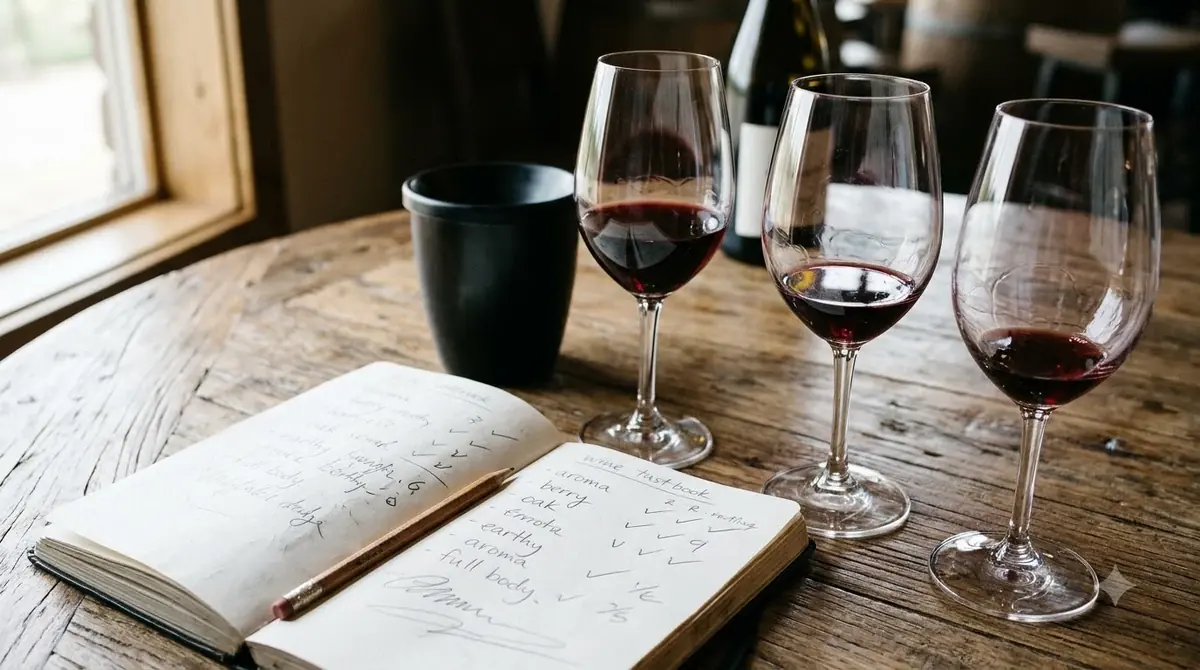
Young Beaune Pinot Noir delivers bright, crunchy red berry fruit—cherry, raspberry, and redcurrant—supported by firm tannins and juicy acidity. With five to ten years in bottle, those primary fruit notes evolve into savory aromas of forest floor, leather, dried spices, and truffle.
Although Chardonnay represents less than one-fifth of total production, white Beaune Premier Cru bottlings are prized by collectors for their balance of floral lift and mid-palate weight. Youthful whites display a pale gold hue with green reflections, opening with white blossoms, fresh almond, and citrus before maturing into richer notes of dried fruit, honey, and toasted hazelnut.
| Wine Style | Grape Variety | Share of Vineyard Area | Key Flavor Notes | Ideal Serving Temp |
|---|---|---|---|---|
| Beaune Rouge (Village & 1er Cru) | 100% Pinot Noir | 333.41 ha (approx. 83%) | Red cherry, raspberry, spice; truffle and leather with age | 59°F–61°F (15°C–16°C) |
| Beaune Blanc (Village & 1er Cru) | 100% Chardonnay | 66.36 ha (approx. 17%) | White flowers, fresh almond, green apple, dried fruit | 54°F–57°F (12°C–14°C) |
| Côte de Beaune-Villages | 100% Pinot Noir | Multi-commune blend | Red berries, soft earth, approachable everyday tannin | 57°F–60°F (14°C–15.5°C) |
Notable Cellars and Producers to Visit
Historic négociant houses dominate the downtown tasting landscape, giving visitors a chance to tour monumental underground caves alongside curated educational flights. Because these houses own estate vineyards while also purchasing fruit from partner growers, their tasting menus illustrate how single climats differ side by side.
Maison Joseph Drouhin, founded in 1880 near Place du Général Leclerc, conducts appointment-only tours through 2.5 acres of medieval vaults that incorporate remains of Beaune’s ancient Roman ramparts. Their English-language flights range from six to eight Village, Premier Cru, and Grand Cru wines, showcasing estate holdings such as Beaune Premier Cru Clos des Mouches.
Patriarche Père et Fils, established in 1780 inside a former Visitandines convent on Rue du Collège, operates nearly five kilometers of vaulted cellars housing more than two million bottles. Unlike most houses that strictly require advance appointments, Patriarche offers scheduled drop-in tasting slots throughout the day alongside guided candlelit cellar walks.
Other prominent historic addresses within a short walk of Place Carnot include Bouchard Père & Fils, Bouchard Aîné & Fils (founded in 1731), Maison Louis Jadot, and Maison Champy. Travelers seeking smaller grower-led pours can book ahead at family estates such as Loïs Dufouleur, whose cellars date to 1879, or explore artisanal low-intervention selections at independent bottle shops and wine bars recommended in Decanter’s weekend guide to Beaune.
Practical Visiting Tips for Tasters
Advance reservations are essential for almost every cellar tour and tasting in Beaune, particularly between May and October and during the third weekend of November when the annual Hospices de Beaune charity auction fills the town. Planning two to three appointments per day leaves enough time for unhurried cellar tours, which typically last 60 to 90 minutes.
Tip: Pack a warm sweater or light jacket even in July and August—underground limestone cellars in Beaune stay near 54°F (12°C) year-round, and tours frequently spend 45 minutes underground before moving to the tasting table.
Timing your visits around local schedules prevents wasted walks across town. Many tasting rooms close over the French lunch hour between noon and 2:00 PM, and several historic houses—including Joseph Drouhin—close on Sundays, while smaller grower cellars often close on Mondays. Morning slots at 10:00 AM offer the freshest palate and quieter cellar groups.
Between formal cellar appointments, Beaune’s wine bars allow you to sample rare allocations by the glass without booking weeks ahead. Spots like La Maison du Colombier, Caves Madeleine, and Le Bout du Monde maintain deep lists of small-producer Burgundy alongside regional pairings such as Époisses cheese, jambon persillé, and oeufs en meurette.
How to Buy and Ship Bottles Home
Buying directly from cellar boutiques or specialized downtown cavistes gives US visitors access to single-climat bottlings and back vintages rarely exported in volume. Most major négociants and dedicated wine shops—such as La Vinothèque near the Hôtel-Dieu or Avintures for small-grower cuvées—can arrange temperature-controlled air or sea shipping back to the United States.
Before shipping a mixed case, check your home state’s alcohol import regulations, as direct-to-consumer rules vary across US jurisdictions. Consolidated shipping through a single merchant is usually more economical than mailing one or two bottles from separate stops, so consider buying a master case at one well-stocked shop after completing your tastings.
If you plan to carry bottles in checked luggage instead, pick up padded inflatable wine sleeves at a downtown wine shop before packing. Comparing regional styles across different Wine Regions—from structured French Pinot Noir to lighter-bodied coastal styles or even georgia wine tasting flights—becomes much easier when you bring home labeled single-vineyard bottles to open side by side.
Frequently Asked Questions
Do I need reservations for beaune wine tasting?
Yes, advance reservations are required at almost all historic négociant cellars and family domaines in Beaune. Only a few larger houses, such as Patriarche Père et Fils, offer scheduled drop-in tasting slots without prior booking, so reserving one to two weeks ahead is strongly recommended.
What wines are poured at a typical Beaune tasting?
A standard flight usually includes five to seven wines progressing from regional Bourgogne white or red to Village appellations and Beaune Premier Cru single-climat bottlings. Because Beaune is the trade center of the Côte d’Or, many houses also pour neighboring appellations such as Meursault, Pommard, or Gevrey-Chambertin.
Are Beaune wines mostly red or white?
Beaune is predominantly a red wine appellation, with Pinot Noir accounting for 333.41 hectares—more than four-fifths of the vineyard area. White Beaune made from Chardonnay covers 66.36 hectares, though several Premier Cru climats such as Clos des Mouches produce sought-after examples of both colors.
Can you do a beaune wine tasting without a car?
Yes, Beaune is one of the easiest wine towns in Europe to explore entirely on foot. The train station sits roughly a 10-minute walk from the medieval center, and dozens of historic cellars, tasting boutiques, and wine bars cluster within a few blocks of Place Carnot and the Hôtel-Dieu.
Whether you spend a single afternoon descending into Roman-era stone vaults or several days comparing northern and southern Premier Cru climats, Beaune rewards unhurried tasting. Booking two or three cellar visits per day and leaving evenings open for local wine bars offers the clearest window into how Burgundy’s soils shape Pinot Noir and Chardonnay.
More in Wine Regions
 Willcox Wine Trail: Discover Arizona’s High-Elevation Wine CountryUpdated Nov 20, 2026
 Yakima Valley Wine Region: Find the Best Styles to TryUpdated Nov 20, 2026
 Vosne Romanee Wine Tasting: Identify Aromas and Choose Better PairingsUpdated Nov 20, 2026
 Yakima Valley Wine Festival: Find the Best Seasonal Wine EventsUpdated Nov 20, 2026
 Wales Vineyards: Discover Cool-Climate Wines and Where to VisitUpdated Nov 20, 2026
 Yountville Wine Festival: Discover Napa Wines and Local FoodUpdated Nov 20, 2026