

We may earn a commission when you buy through links on this page, at no extra cost to you. Learn more.
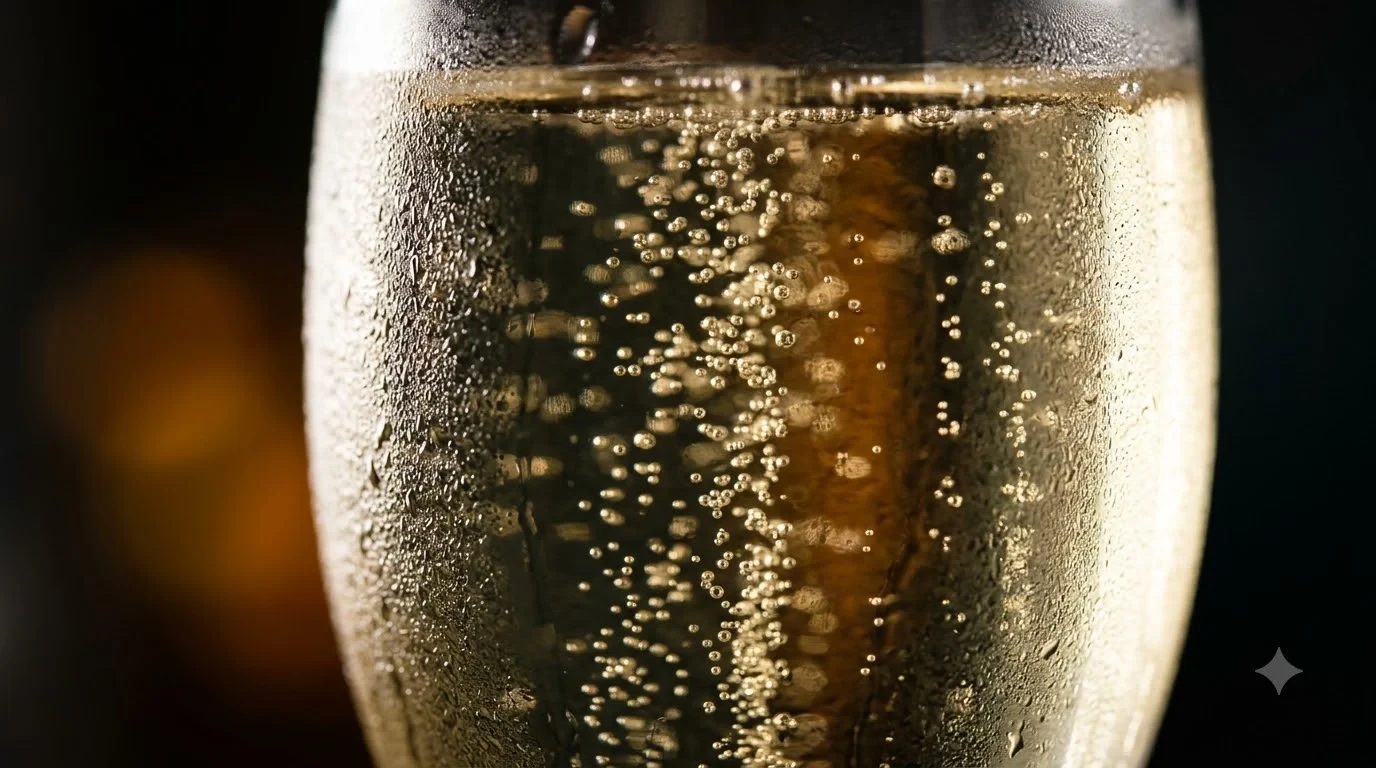
The answer to “how is sparkling wine made” is that winemakers trap carbon dioxide in wine, usually through a second fermentation in a sealed bottle or pressurized tank. Most styles begin as still wine, then gain their bubbles when yeast turns added or remaining sugar into alcohol and carbon dioxide. The vessel used for that fermentation, the time spent with yeast sediment, and the final sweetness adjustment all influence the finished wine. Champagne, Prosecco, Cava, and pét-nat can therefore be sparkling wines made in quite different ways.
The bubbles are the visible result of a controlled winemaking process, not simply a matter of adding fizz. Follow the stages from the vineyard to the final cork and the differences among sparkling styles become easier to understand. Readers building their wine vocabulary can also browse our Wine Q&A.
The Still Base Wine Sets the Direction
Before a sparkling wine can develop bubbles, it generally starts as a dry, still base wine with no effervescence. Winemakers choose grapes and harvest timing to give that wine the freshness and acidity needed to remain balanced after its second fermentation and any later dosage.
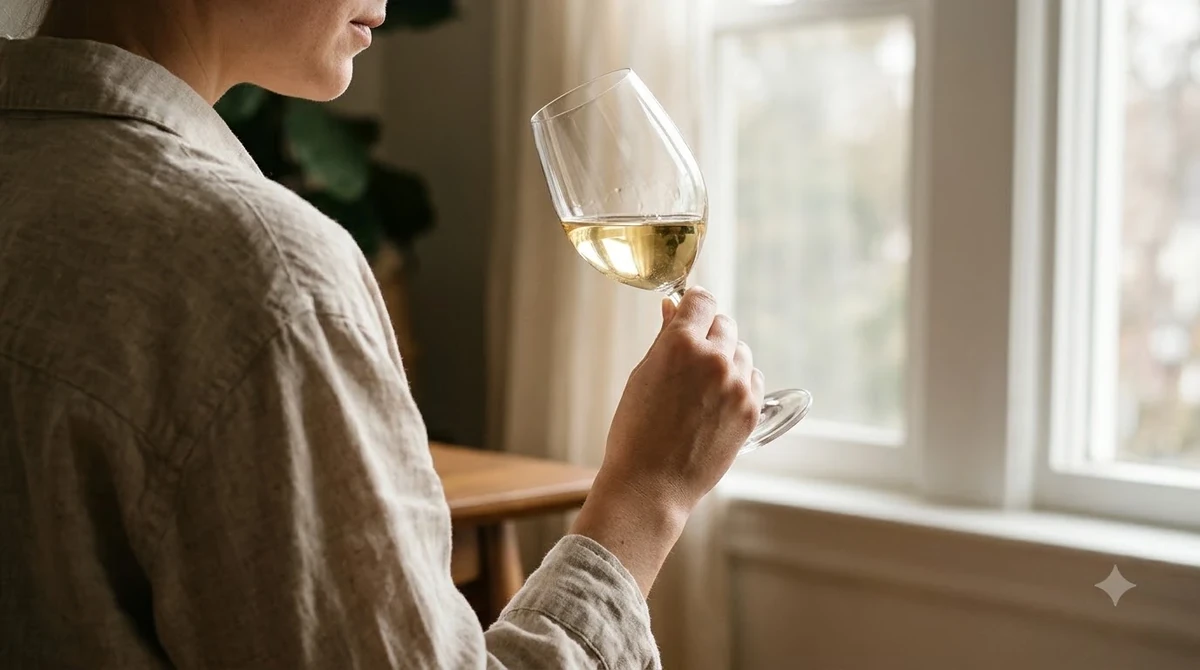
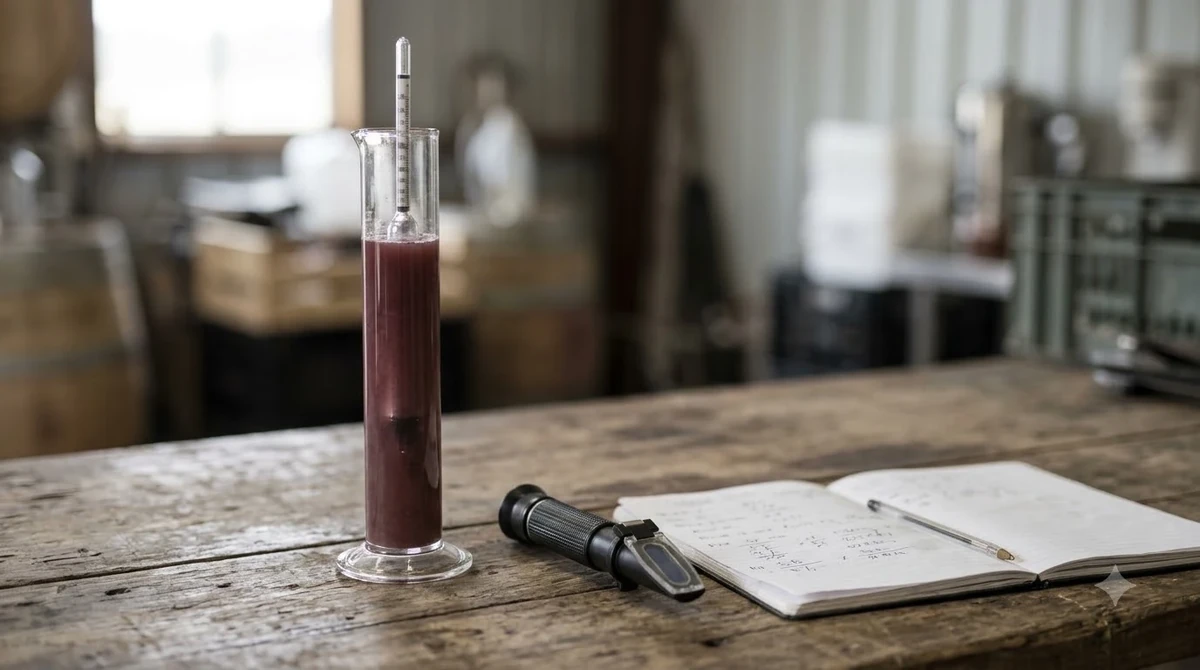
In cool or moderate climates, grapes for sparkling wine are often picked earlier than grapes for rich, high-alcohol still wine. Earlier picking can preserve acidity and keep sugar moderate. The first alcoholic fermentation turns natural grape sugar into alcohol and carbon dioxide; the gas escapes rather than remaining as bubbles. The result is a still wine that can taste lean or sharply acidic on its own, but gives the winemaker a useful foundation for blending.
That foundation is often called the cuvée or base wine. A producer may blend wines from different grape varieties, vineyard parcels, villages, or harvest years to reach a particular house style. Each component can contribute something distinct: acidity, body, fruit, aromatic lift, or texture. In Champagne, for example, the blend may draw on Chardonnay, Pinot Noir, and Meunier, while producers elsewhere work with local varieties suited to their climate and regional rules.
Blending builds a starting profile rather than making every wine taste alike: a cool site may provide acidity, a riper parcel can add weight, and reserve wines can contribute continuity. That is why what is terroir in wine matters here: climate, soil, slope, and grape variety shape the fruit before fermentation.
Bottle Fermentation Creates Traditional-Method Bubbles
In the traditional method, the second fermentation happens inside the individual bottle that will eventually be sold. A measured mixture of wine, sugar, and yeast—called the liqueur de tirage—is added to the still base wine before the bottle is sealed with a temporary crown cap.
The added yeast consumes the sugar and produces alcohol and carbon dioxide. Because the bottle is closed, the gas cannot escape; it dissolves into the wine and creates the pressure that gives the wine its sparkle. Wine Folly describes traditional-method sparkling wines as commonly reaching about 5 to 7 atmospheres of pressure, although pressure varies by wine and production rules. This is why sparkling bottles use glass designed to withstand internal pressure rather than the lighter bottles commonly used for still wine.
The second fermentation adds a little alcohol as well as bubbles. When the yeast uses up the available sugar, it settles and dies, leaving a deposit in the bottle for the next stage. This route is used for Champagne, Cava, Crémant, Franciacorta, and many English sparkling wines. The Comité Champagne explains the bottling and second-fermentation stage and confirms that the wine is sold in the same bottle in which its second fermentation took place.
The phrase “méthode champenoise” is reserved for Champagne; producers elsewhere generally use “traditional method,” “classic method,” or “méthode traditionnelle.” The shared technique does not make every bottle Champagne: the name belongs to a defined place and set of regional rules, while other traditional-method wines express their own grapes and growing conditions.
Lees Aging Adds Texture and Mature Aromas
After the second fermentation, traditional-method wine is often aged on its lees, the spent yeast cells that remain in the bottle. This contact can add texture and savory aromas, shifting a wine beyond the fresh fruit character of its base wine.
As the yeast cells die and break down, a process called autolysis, they release compounds that contribute to aroma and mouthfeel. Depending on the wine and aging time, notes may suggest bread dough, biscuit, brioche, pastry, toast, or nuts. Lees aging can also make the mousse—the foam and bubble texture—feel finer and more integrated, though grape variety, base-wine character, and cellar conditions still shape the result.
Time requirements depend on the appellation and category, not on one worldwide rule. The Comité Champagne says non-vintage Champagne must mature in the producer’s cellars for at least 15 months, while vintage Champagne must mature for at least three years. The same organization describes cellars kept around 12°C, with bottles protected from light during maturation. Many producers keep wines longer than the minimum because additional time can deepen the wine’s mature character.
Cava uses the traditional method too, but its aging categories have their own benchmarks. The D.O. Cava council describes Cava de Guarda as requiring at least nine months, Reserva as reaching 18 months, Gran Reserva as reaching 30 months, and Cava de Paraje Calificado as requiring at least 36 months. Longer lees contact can bring more pastry, toasted-bread, and nut notes, while shorter-aged Cava tends to show a fresher fruit profile. These figures are useful examples of how aging rules vary across regions; they should not be treated as a universal minimum for all sparkling wine.
Riddling, Disgorgement, and Dosage Finish the Bottle
Traditional-method wines must usually be clarified before release, because the spent yeast needs to be removed while the wine stays under pressure. Riddling moves that sediment into the neck of the bottle; disgorgement then removes it, and dosage adjusts the final sweetness and fills the small space left behind.
During riddling, bottles are gradually tilted and turned so the lees slide toward the crown cap. This can be done by hand in a riddling rack or by a machine called a gyropalette. The goal is to gather the deposit in the neck while keeping the wine clear.
For disgorgement, the neck is chilled so the sediment freezes into a plug. Removing the temporary cap lets bottle pressure push the plug out. The bottle then receives dosage, often wine and sugar called the liqueur d’expédition, to replace lost volume and set final sweetness. Some wines receive little or no added sugar; others are sweeter.
On Champagne labels, Brut means less than 12 grams of sugar per liter, Extra Dry means 12 to 17 grams per liter, and Demi-Sec means 32 to 50 grams per liter. Those names can surprise shoppers: Extra Dry is sweeter than Brut, not drier. Champagne’s Brut Nature category contains less than 3 grams per liter and has no added sugar at dosage. These are category definitions for Champagne and should not be applied automatically to every country’s labeling rules. After dosage, the producer fits the final cork and wire cage, then completes the finishing and labeling steps.
Tank Fermentation Keeps Fresh Fruit in Focus
The tank method, also called the Charmat or Martinotti method, moves the second fermentation out of individual bottles and into a sealed pressure tank. It is especially useful when a producer wants to preserve fresh fruit and floral aromas rather than build a pronounced lees-aged character.
The process begins with a still base wine in a pressure-rated tank, often called an autoclave. Yeast and sugar are added, and the second fermentation produces carbon dioxide inside the sealed vessel. The gas dissolves into the wine under pressure. Once fermentation and any planned short maturation are complete, the wine is chilled, clarified or filtered, adjusted for sweetness when needed, and bottled under pressure so the bubbles are retained.
Prosecco DOC is a leading example. The Prosecco DOC consortium says Glera must make up at least 85 percent of the blend, with the permitted remainder drawn from other approved varieties. The consortium describes the Martinotti-Charmat method as the way the spumante style undergoes its secondary fermentation in large closed containers. It gives a sparkling period of 30 days for Prosecco DOC and 60 days for Prosecco DOC Rosé, a specific regional production detail rather than a requirement for all tank-method wines. The process helps preserve the floral and fruity character associated with Glera, including pear, green apple, citrus, wisteria, and jasmine notes.
Tank fermentation is not automatically a lesser shortcut; it serves a different sensory aim. A fruit-focused wine may benefit from minimal yeast influence, while traditional-method wine is often made to develop more texture over time. Prosecco shows how grape and method work together: the tank keeps Glera’s aromatic profile prominent instead of making it imitate Champagne.
Transfer, Ancestral, and Carbonation Methods Offer Other Routes
Traditional and tank fermentation are the best-known routes, but they are not the only ways to make sparkling wine. The transfer method, ancestral method, and direct carbonation each handle the bubbles and sediment differently, creating distinct production choices.
In the transfer method, the wine undergoes its second fermentation in the bottle, much like traditional-method wine. Instead of riddling and disgorging every bottle individually, the wine is transferred under pressure to a tank, filtered to remove the lees, and bottled again under pressure. This approach can be practical for unusual bottle sizes, including 187-milliliter splits and formats of 3 liters or larger. The wine has had bottle fermentation, but the final bottle is not the same bottle in which the second fermentation occurred.
The ancestral method bottles wine before its first fermentation has finished. Remaining sugar continues fermenting in the sealed bottle, creating carbon dioxide without a separately initiated second fermentation. Enough sugar must remain to create bubbles, but pressure must be managed carefully. Many pét-nat wines use this style; they may retain sediment, look cloudy, or show softer bubbles, and disgorgement is not required.
Direct carbonation takes a simpler route: carbon dioxide is added to finished still wine under pressure, rather than being produced by yeast fermentation in the bottle or tank. It can make a sparkling style without a secondary fermentation, although it does not create the same yeast-derived development associated with traditional or tank fermentation. The name “sparkling wine” describes the result, not a single production method, so the back label or producer notes can help explain how the bubbles were made.
| Method or category | Where the bubbles form | Specific example or benchmark |
|---|---|---|
| Traditional method | Inside the bottle | Champagne: at least 15 months for non-vintage and 36 months for vintage |
| Tank method | Inside a sealed pressure tank | Prosecco DOC: 30-day sparkling period; Prosecco DOC Rosé: 60 days |
| Cava aging categories | Second fermentation in bottle | 9 months for Guarda, 18 for Reserva, 30 for Gran Reserva, and 36 for Paraje Calificado |
| Transfer method | Second fermentation in bottle; filtering and rebottling under pressure | Often used for 187-milliliter splits and formats of 3 liters or larger |
| Ancestral method | Remaining first fermentation continues in bottle | Often used for pét-nat; sediment may remain in the finished wine |
| Direct carbonation | Carbon dioxide is added to still wine | No second fermentation is needed to create the bubbles |
Tip: When choosing a bottle, look first for the production method and then for the grape and sweetness level. “Traditional method” points to bottle fermentation, “Charmat” or “Martinotti” points to tank fermentation, and “pét-nat” usually signals the ancestral approach; these clues tell you more about the wine’s likely texture and flavor than the word “sparkling” alone.
Frequently Asked Questions
Questions about sparkling wine often come down to what the label says and which step creates its style. A Champagne Brut label, a Blanc de Noirs designation, and a rosé production note each describe a different part of the finished wine.
Can sparkling wine be made from black grapes and still look white?
Yes. In Champagne, a Blanc de Noirs is made exclusively from black grape varieties such as Pinot Noir and/or Meunier. Their juice is pale, and careful pressing limits the time it spends in contact with dark skins, so the resulting wine can be white.
How is rosé Champagne given its pink color?
The Champagne region recognizes two approaches: macerating black grapes with their skins, or blending white wine with a portion of still red Champagne. For the blended style, the regional body gives a typical proportion of about 5 to 20 percent red wine before the second fermentation.
What does Blanc de Blancs mean on a Champagne label?
Blanc de Blancs identifies Champagne made without black grape varieties. Chardonnay is the best-known choice, but the Champagne appellation also permits other white grapes, including Arbane, Petit Meslier, Pinot Blanc, and Pinot Gris.
Why can a Brut sparkling wine still taste fruity?
Brut describes the wine’s residual-sugar category after dosage, not whether it has fruit aromas. A dry sparkling wine can still suggest pear, lemon, apple, or peach because those aromas come from the grapes and fermentation rather than a sweet finish.
How many grapes are used to make a bottle of Champagne?
The Comité Champagne estimates that about 1.2 kilograms of grapes are required to produce one bottle. The exact amount can vary with the pressing yield and cellar decisions, but the figure gives a sense of how much fruit sits behind a standard bottle.
Every sparkling wine begins with a plan for the grapes and the base wine, then takes its character from the vessel, fermentation, aging, and finishing choices. Once you know whether the bubbles came from a bottle, tank, or continuing first fermentation, the style in your glass becomes much easier to understand.
More in Wine Basics
 Which Rose Is Best for Your Taste, Budget, and Food PairingsUpdated Nov 21, 2026
 Is Cheap Wine Bad? How to Find Bottles Worth DrinkingUpdated Nov 21, 2026
 What To Write On A Wine Gift Tag: Thoughtful Messages For Every OccasionUpdated Nov 21, 2026
 Which Wine Is Best For Weight Loss? Compare Lower-Calorie ChoicesUpdated Nov 21, 2026
 What Is The Best Wine For Mimosas? Choose Bubbly That Balances Orange JuiceUpdated Nov 20, 2026
 Which Prosecco Is Best for Your Taste and OccasionUpdated Nov 20, 2026