

We may earn a commission when you buy through links on this page, at no extra cost to you. Learn more.
The best Russian River Valley wineries are generally the ones that focus on the cool-climate Chardonnay and Pinot Noir that make up most of this Sonoma County appellation’s harvest. Other estates stand out for sparkling wine, hillside reds, or single-vineyard bottlings. The right choice depends on which style you want to taste and whether you plan to visit in person.
This guide walks through the main types of wineries you will find in the Russian River Valley, explains what shapes their wines, and offers a practical way to pick the producers that fit your taste. Everything here is written to help you plan a tasting or narrow a bottle choice, not to rank estates against each other.
Quick Comparison
The region is small enough to cover in a few days, but its wineries differ quite a bit in focus. The table below groups them by what they tend to do best, so you can match a winery to the experience you want.
| Winery style | Main grapes | What to expect |
|---|---|---|
| Sparkling and traditional-method houses | Pinot Noir, Chardonnay | Crisp, dry bubbles and a long, creamy finish |
| Single-vineyard Pinot Noir estates | Pinot Noir | Red fruit, earthy notes, and a sense of place |
| Chardonnay-focused producers | Chardonnay | Range from bright and mineral to rich and oak-driven |
| Hillside and mixed-variety estates | Syrah, Zinfandel, Sauvignon Blanc | Bolder reds and aromatic whites |
| Warmer eastern sites | Cabernet Sauvignon, Merlot | Fuller body and more concentrated fruit |
What Shapes the Wines of the Russian River Valley
The appellation was established in 1983 and covers about 141,011 acres in Sonoma County, between Sebastopol and Santa Rosa to the south and Forestville and Healdsburg to the north. According to the Wikipedia entry for the Russian River Valley AVA, much of the valley sits under a cool, fog-influenced maritime climate, with some parts less than 10 miles from the Pacific. Morning fog that flows in through the Petaluma Gap keeps daytime heat in check, and nights can drop 35 to 40 degrees Fahrenheit below the daytime highs. That gap between hot days and cool nights helps grapes hold acidity while they ripen slowly.
Those conditions explain why Chardonnay and Pinot Noir dominate the vineyards. Wikipedia cites the Russian River Valley Winegrowers for the share of the harvest, with Chardonnay at about 42 percent and Pinot Noir at about 29 percent. Growers across the valley work with a mix of soils and elevations, so the same grape can taste noticeably different from one estate to the next.
Best for Sparkling Wine Drinkers
If you want bubbles, the Russian River Valley is one of the more natural places in California to look, because the cool fog and steady acidity suit base wines for sparkling production. Korbel Champagne Cellars is one of the historic names associated with the valley, and its sparkling program is often the first stop for visitors who want to start with a glass of something light before moving on to still wines.
Sparkling wines from this area usually show green apple, citrus, and toasty notes from time on the lees. They pair well with salty snacks, soft cheeses, and fried foods, and they work as an aperitif without much planning.
Best for Pinot Noir Enthusiasts
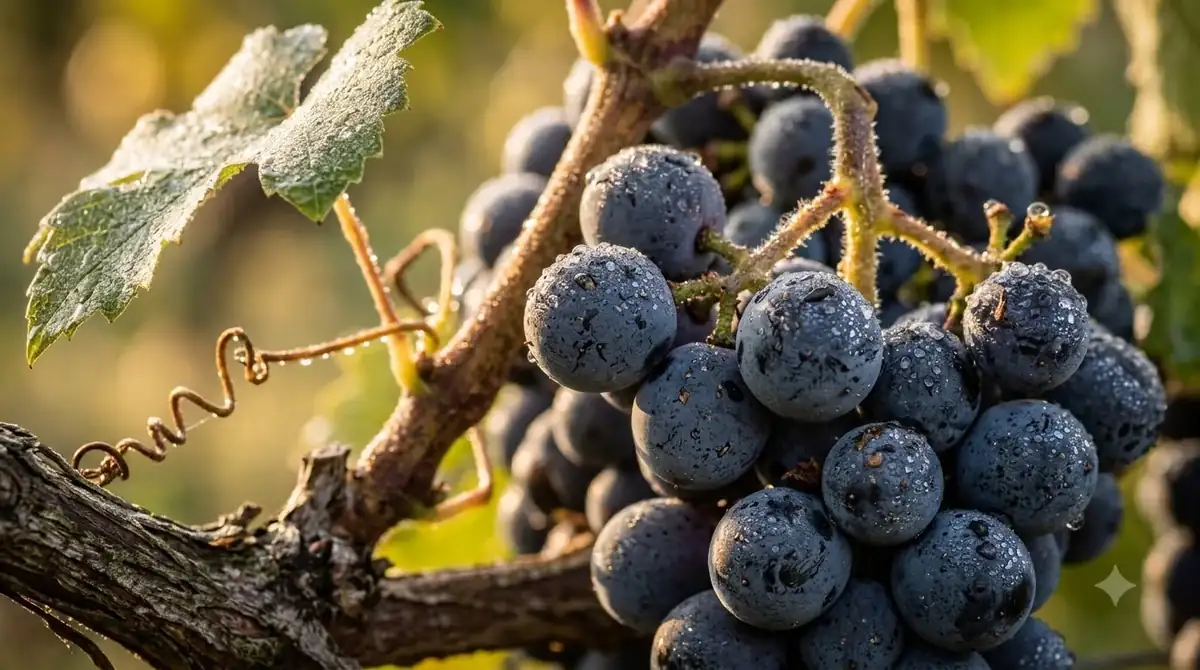
Pinot Noir is where many people first fall for the valley. The grape thrives in long, cool growing seasons, and the producers here are known for bottles that feel lighter in color but layered in flavor. The Wine Folly Pinot Noir guide describes the typical profile as ripe cherry and raspberry, with earthy undertones like forest floor and tea leaves, and it notes that most examples are light to medium-bodied with high acidity.
When you visit a Pinot-focused estate, ask the staff about the vineyard block or elevation behind each bottling. Small differences in soil and fog exposure often show up clearly in a side-by-side tasting. For serving, Wine Folly suggests a temperature slightly below room temperature, around 55 to 60 degrees Fahrenheit, which helps the fruit and acidity show together.
Best for Chardonnay Lovers
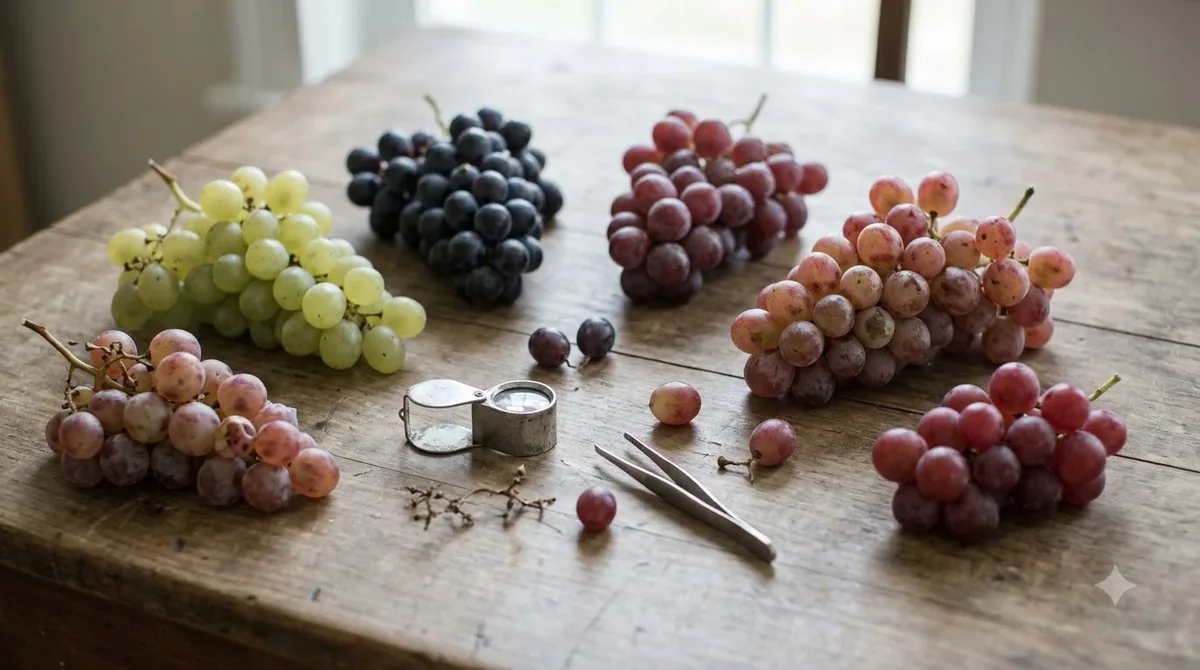
Chardonnay is the valley’s most planted white grape, and it appears in a wide range of styles. Some wineries lean toward lean, mineral bottlings that taste of citrus and wet stone. Others use more barrel time to produce wines with butter, vanilla, and a rounder texture. Both approaches reflect the cool site, but the winemaking decisions make a big difference.
If you are not sure which style you like, compare two bottles from the same vintage: one unoaked or lightly oaked, and one with more barrel influence. That comparison usually tells you more than any tasting note.
Best for Hillside and Mixed-Variety Estates
Not every winery in the valley focuses on the two main grapes. Wikipedia notes that hillside sites have had success with Syrah and Zinfandel, and that microclimates across the appellation support Sauvignon Blanc, Gewurztraminer, Petite Sirah, Cabernet Franc, and Merlot. Estates that work with these varieties often offer a broader tasting menu, which suits groups where not everyone prefers the same style.
Hillside vineyards get more sun and drain differently than valley-floor plots, so the reds can show more structure. The whites tend to be more aromatic and food-friendly. If your group includes people who like bolder reds and fresh whites, a mixed-variety winery can be an easy compromise.
Best for Warmer, Fuller Reds
The eastern part of the appellation is the warmest, and Wikipedia identifies Chalk Hill as the area closest to Highway 101 where Cabernet Sauvignon has been grown with success. Wines from warmer sites usually have riper fruit, more body, and a firmer structure than the cooler Pinot Noir bottlings from the west and north.
If you prefer fuller reds, ask at the tasting room which blocks sit in the warmer zones. Knowing the site helps you read the label and predict how the wine will taste.
Best for Established Family Estates
Some of the valley’s best-known names have decades of history behind them. Wikipedia lists Martinelli Winery, with its Jackass Hill Vineyard, and Freeman Vineyard & Winery, founded in 2001, among the producers that shaped the region’s reputation. DeLoach Vineyards and Mark West Vineyards were also early users of the Russian River Valley name on their labels. Family-run estates like these often offer a more personal visit, with smaller tasting groups and winemakers who can explain their vineyard choices.
Because ownership and label history change over time, check each winery’s current website before planning a visit, and confirm the tasting format and reservation policy directly with the estate.
How to Choose the Right Winery
Start with the style you want, then narrow the list by logistics. The table below gives a simple checklist you can use before booking.
| Factor | Why it matters | Question to ask |
|---|---|---|
| Grape focus | Shows whether the estate specializes or offers a broad range | Which varieties are your flagship bottles? |
| Vineyard source | Affects how much a bottle reflects a specific site | Do you bottle single-vineyard wines? |
| Tasting format | Seated flights and walk-in bars feel very different | Is a reservation required, and how long is the tasting? |
| Group fit | Some estates suit couples, others suit larger groups | Can the tasting room accommodate your group size? |
Tip: Plan no more than three or four tastings in a day. Build in water, food, and travel time between stops, and arrange a driver or a ride service if anyone in your group will be drinking.
Frequently Asked Questions
Is the Russian River Valley known mainly for Pinot Noir?
Pinot Noir and Chardonnay are the two grapes that dominate the appellation, so the region is strongly associated with both. Many estates also make sparkling wine and a smaller number of other varieties.
Do I need a reservation to visit the wineries?
Policies differ from estate to estate. Many wineries recommend booking ahead, especially on weekends and during harvest season. Check each winery’s website for its current tasting requirements.
How many wineries should I visit in one day?
Three or four tastings is a comfortable pace for most visitors. Spacing out the visits gives you time to taste carefully and reduces the risk of overdoing it.
Is the Russian River Valley a good place for beginners?
Yes. Sparkling wines and approachable Pinot Noir are good starting points. Ask the staff to pour a flight that moves from lighter to richer styles, and let them guide you toward what you enjoy.
The best Russian River Valley wineries for you will be the ones whose style matches what you already like to drink. Start with a sparkling wine or a Pinot Noir, add a Chardonnay for comparison, and use the checklist above to plan a manageable day. If you are also exploring other coastal regions, the guides on the best Napa Valley wineries and the best Willamette Valley wineries offer useful comparisons, and the wine buying basics section can help you choose bottles to take home. Drink responsibly and plan your ride home before you start.
More in Wine Buying Guides
 Riesling Gift: Choose a Bottle They’ll LoveUpdated Nov 21, 2026
 Sweet Red Wine Gift: Choose a Bottle They’ll LoveUpdated Nov 21, 2026
 Malbec Gift: How to Choose a Memorable Bottle for Any OccasionUpdated Nov 21, 2026
 Sherry Gift Ideas That Match Every Wine LoverUpdated Nov 21, 2026
 Moscato Gift: How to Choose a Sweet Wine They’ll LoveUpdated Nov 21, 2026
 Merlot Gift: How to Choose a Bottle They’ll AppreciateUpdated Nov 21, 2026