

We may earn a commission when you buy through links on this page, at no extra cost to you. Learn more.
The best Willamette Valley wineries are easiest to choose by style: Pinot noir estates in Yamhill County and on the Coast Range slopes, cooler foothill vineyards for brighter wines, and lowland estates for riper, longer-season reds and whites. The valley is the core of Oregon Wine Country, with more than 500 wineries and over 19,000 acres of vineyards according to regional reference material. This guide groups the region’s wineries by growing conditions and wine style so you can plan a visit or a purchase around the bottles you want to drink.
Willamette Valley is one of the most closely watched wine regions in the United States, largely because of Pinot noir. The valley has a cool, wet and sometimes complicated climate, and that climate shapes almost every winery’s approach. Some producers sit in the lowlands with long growing seasons, while others work higher on the hillsides where the season is shorter. The sections below explain the main differences and how they show up in the glass. Individual winery names are left out here because the sources used for this guide do not name specific estates with locations, and a list without that detail would not be reliable.
Quick Comparison
The table below compares the broad types of Willamette Valley vineyard settings. It is a planning guide, not a ranking, and most wineries sit somewhere between these categories.
| Setting | Growing conditions | Typical style | Good fit for |
|---|---|---|---|
| Yamhill County and west of the Willamette River | Leeward slopes of the Coast Range and tributary river valleys | Pinot noir with red fruit and earthy notes | Visitors who want the largest concentration of wineries |
| Lowland valley floor | Growing seasons of about 150 to 180 days | Riper, fuller fruit and a longer season | Guests who want a flat, easy drive between tasting rooms |
| Foothills above about 800 feet | Growing seasons of about 110 to 130 days and higher rainfall | Brighter acidity and more structured wines | Travelers who like cooler, more terraced settings |
| Northern valley, north of about 45 degrees north | Informal division at roughly Salem’s latitude, not officially recognized | Varies by slope and soil | Visitors comparing styles across the valley |
Best for Pinot Noir: Yamhill County and the Coast Range Slopes
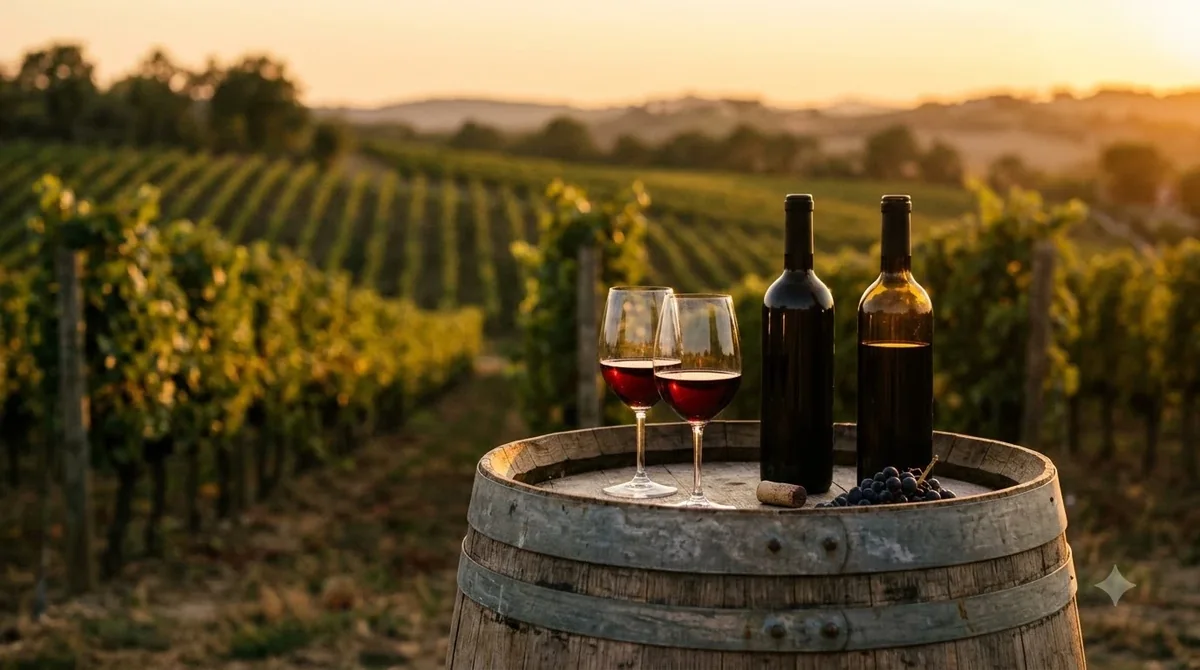
Pinot noir is the headline variety of the Willamette Valley, and it is often described as among the best and most expensive Pinot noir in the world. Yamhill County has by far the most wineries in the valley, and many of its estates sit on the leeward slopes of the Coast Range or along the river valleys that feed the Willamette. For visitors who want to understand Oregon Pinot noir in one place, this is the most concentrated starting point.
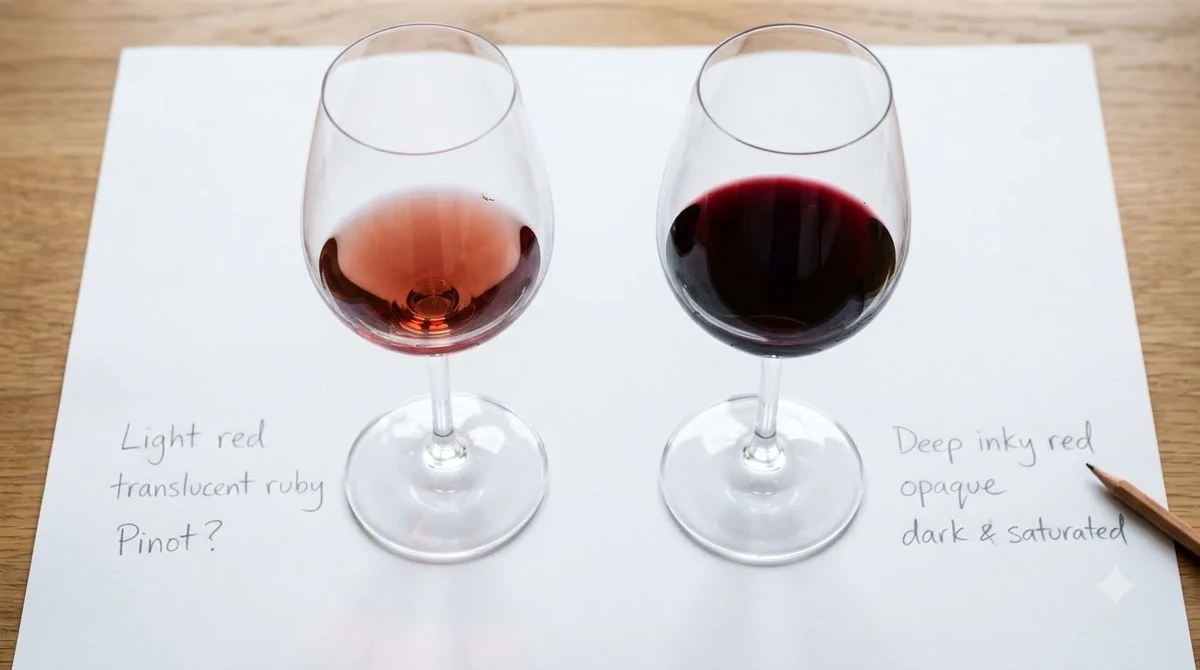
The style here is usually lighter in color and texture than California Pinot noir, with more tartness and flavors that many tasters describe as cranberry and Bing cherry. Wine Folly describes Oregon Pinot noir as often closer in style to Burgundy than to the riper, fruit-forward bottles of California. A tasting flight through Yamhill County is a good way to see how that comparison plays out.
Best for Cool-Climate Whites: Pinot Gris and Lighter Styles
Pinot gris is the other variety the region is known for, and regional reference material describes it as a high-quality white. Estates that focus on Pinot gris and other cooler-climate whites tend to produce wines with fresh acidity and a clean finish, which makes them a good match for lighter meals and warm-weather afternoons.
Because many Willamette wineries make both red and white wines, a visit can be planned around the whites as well. Ask at the tasting room which whites are made in the estate’s own vineyard, since sourcing differs widely from winery to winery.
Best for Riper Fruit: Lowland Estates
Lowland vineyards on the valley floor benefit from growing seasons of about 150 to 180 days. That longer period gives grapes more time to ripen, which tends to produce wines with fuller fruit and softer structure than the hillside examples. Visitors who prefer a more generous style often find lowland estates a satisfying choice.
The valley floor is also the easiest area for a relaxed day of tasting, since distances between many tasting rooms are shorter. The trade-off is that lowland wines can be less distinctive than the cooler, higher-elevation bottles, so tasting across both settings gives a fuller picture of the region.
Best for Structure and Acidity: Foothill Vineyards
Vineyards in the foothills, above about 800 feet, have growing seasons of roughly 110 to 130 days. They also receive more rainfall than the lowlands, with annual precipitation reaching over 80 inches in some foothill areas, compared with about 36 inches on the lower valley floor. The shorter season tends to produce wines with brighter acidity and firmer structure.
Foothill estates suit guests who enjoy a more scenic, terraced setting and who want wines that show their origin clearly. Because the climate is cooler and wetter, vintages can vary more from year to year, so it helps to ask about the vintage you are tasting.
Best for Burgundy Comparisons
Many visitors come to Willamette Valley with Burgundy in mind. Wine Folly’s Pinot noir profile notes that Oregon examples are lighter than California’s and often closer in style to Burgundy, with red fruit, earthy notes and high acidity. If you already know Gevrey-Chambertin or Chambolle-Musigny, a Willamette tasting is a practical way to compare styles without travelling to France.
Plan a flight that puts a lighter-bodied Oregon Pinot next to a fuller California example. The contrast usually makes the regional differences easy to notice, and it gives you a clearer sense of which style you want to buy.
How to Choose a Willamette Valley Winery
Start with the variety and style you want. If Pinot noir is your priority, Yamhill County and the Coast Range slopes give the broadest choice. If you prefer riper fruit and an easier drive, lowland estates are a practical option. Foothill vineyards suit guests who want brighter acidity and a more dramatic landscape.
Consider the timing of your visit as well. The region’s cool, wet winters and warm, dry summers mean the landscape changes through the year, and some estates focus their hospitality on particular seasons. The state’s regional organization lists six wine regions across Oregon, so if you plan to travel beyond the valley, check how each area is described before you choose your route. For a comparison with a different American region, readers can look at the best Napa Valley wineries to see how another famous Pinot and Cabernet region organizes its tasting rooms.
Tip: Ask the tasting room which vineyard each wine comes from. Estates in the same valley can source grapes from very different sites, and that detail explains a lot about the style in the glass.
Frequently Asked Questions
What is the Willamette Valley best known for?
Willamette Valley is best known for Pinot noir. It is also recognized for Pinot gris and for its cool, wet climate, which gives the region its own style compared with warmer wine areas in the United States.
Is Willamette Valley Pinot noir similar to Burgundy?
Many tasters find Oregon Pinot noir closer to Burgundy than to California Pinot noir. Oregon examples tend to be lighter in color and texture, with more tartness and flavors often described as cranberry and Bing cherry.
Which part of Willamette Valley has the most wineries?
Yamhill County has by far the most wineries in the valley. Its estates are concentrated on the leeward slopes of the Coast Range and along the tributary river valleys west of the Willamette River.
Do I need to plan ahead for a Willamette Valley winery visit?
Planning ahead is a sensible choice, particularly for weekends and for tours that include a vineyard walk. Confirm hours and tasting formats with each estate, and allow time for travel between areas that are spread across a large valley.
Willamette Valley rewards a planned visit. Choose one or two settings that match the style you want, whether that is Pinot noir from the Coast Range slopes, brighter wines from the foothills or riper fruit from the lowlands. For background on how to store and serve the wines you buy, see the wine buying basics section of this site.
More in Wine Buying Guides
 Riesling Gift: Choose a Bottle They’ll LoveUpdated Nov 21, 2026
 Sweet Red Wine Gift: Choose a Bottle They’ll LoveUpdated Nov 21, 2026
 Malbec Gift: How to Choose a Memorable Bottle for Any OccasionUpdated Nov 21, 2026
 Sherry Gift Ideas That Match Every Wine LoverUpdated Nov 21, 2026
 Moscato Gift: How to Choose a Sweet Wine They’ll LoveUpdated Nov 21, 2026
 Merlot Gift: How to Choose a Bottle They’ll AppreciateUpdated Nov 21, 2026