

We may earn a commission when you buy through links on this page, at no extra cost to you. Learn more.
Russian River Valley wineries sit in western Sonoma County and focus on cool-climate Pinot Noir and Chardonnay shaped by fog and marine air. The valley’s cooler conditions favor wines with bright acidity and delicate aroma. Many producers are small, family-run estates, which makes the area rewarding for visitors who enjoy learning about individual vineyard sites.
This guide explains what sets the region apart, how climate and soil influence the wines, and which producers regional tourism sources mention. It also covers the subregions, visiting logistics, and how to buy and store bottles. Use it as a planning starting point, then confirm current hours and tasting policies with each winery.
What Makes the Russian River Valley Unique
The Russian River Valley is one of Sonoma County’s best-known Pinot Noir regions. Its reputation grows out of a long history of experimentation with grapes from Burgundy, France. Understanding that history helps you see why the valley’s wineries focus so heavily on a few varieties.
According to Sonoma County Tourism’s history of Pinot Noir, plantings of the grape cover more than 20 percent of the county’s vineyard acres. The same source describes the county as a leading California producer of Pinot Noir. That scale is one reason visitors often associate the broader county with the variety.
Commercial winemaking in the county began in the 1850s, but Pinot Noir took much longer to gain respect. Pioneering growers and winemakers in the 1960s and 1970s, including farmer Joe Rochioli and winemaker Joseph Swan, helped revive it. Their work set the stage for the valley’s modern reputation. If you want broader context on how regions differ, the Wine Regions guide is a useful companion.
Climate, Fog, and Soil Shaping the Wines
The valley’s climate and soils explain much of its style. Cool air and morning fog slow ripening, which helps the grapes keep their acidity and aromatic compounds. Winemakers in the region often describe these conditions as the defining feature of their wines.

Pinot Noir needs a cool climate to develop its color and aroma, and much of California is hot and sunny. The Russian River Valley offers the cooler conditions the grape prefers. Fog moves in from the coast and, in the Green Valley area, can linger once it arrives. Many vineyards there face east, so they warm up more slowly before the afternoon cool-down begins again.
Soil adds another layer. Sonoma County Tourism notes that the dominant soil in Green Valley is Goldridge, a fine-grained, sandy soil that naturally limits vine vigor. Vines with lower vigor often produce smaller crops, and growers see this as a way to concentrate flavor. The area is also sheltered from strong wind, which helps keep the vines in a steady growing pattern.
Cold soaking is another technique linked to the cool climate. The manufacturer-style winemaking guides describe it as a long, cool run before fermentation that mimics the cold autumns of a traditional Burgundian cellar. Before stainless steel tanks and cooling systems were common, that control was hard to guarantee in California. Modern wineries now use it as a deliberate tool.
Signature Grapes: Pinot Noir and Chardonnay
Pinot Noir and Chardonnay dominate the valley’s vineyards. Sonoma County Tourism reports that these two varieties lead the cool-climate appellations, with Syrah and Zinfandel playing smaller roles. Knowing this helps you understand why most tasting rooms pour these wines first.
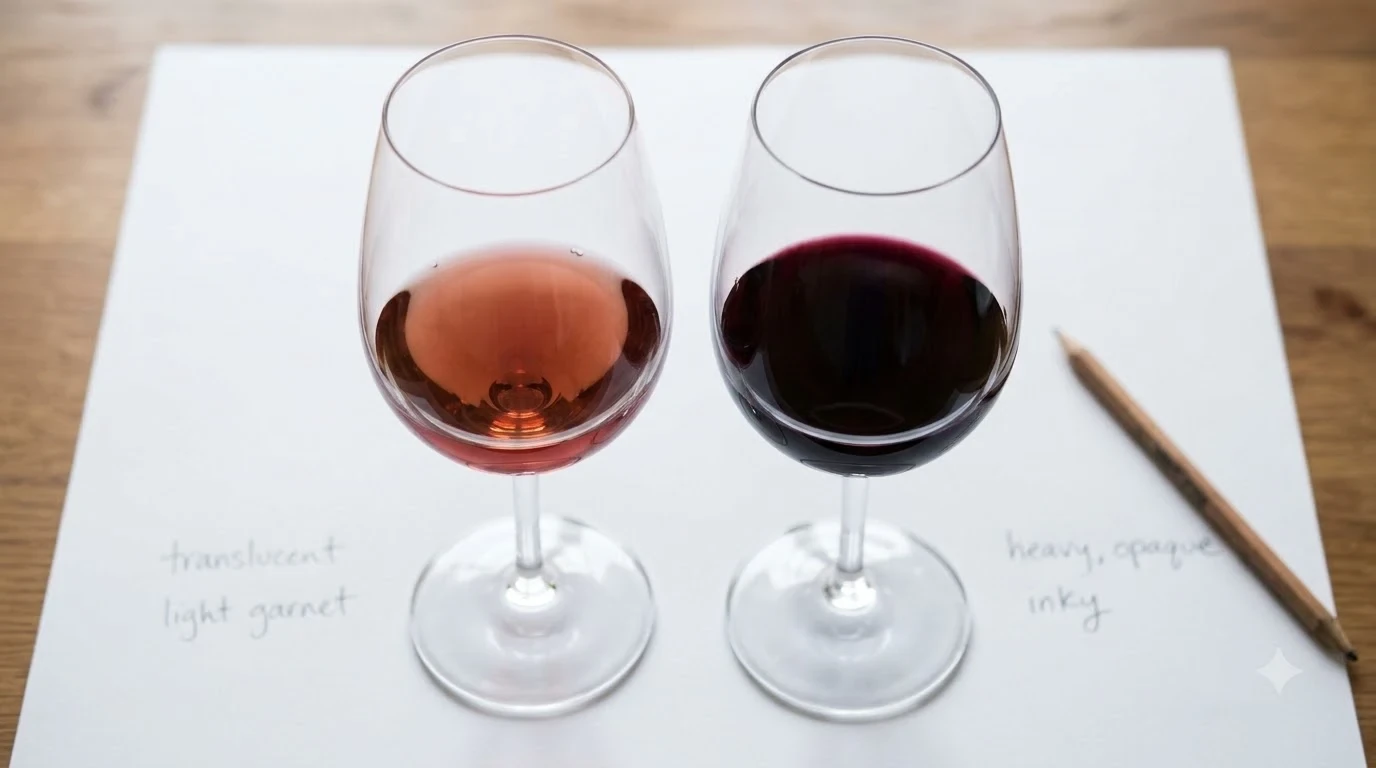
Pinot Noir shows a wide aromatic range. Tasting notes in regional sources move from fresh strawberry to dried potpourri, wet hay, earth, mushroom and forest floor. Color is a poor guide to quality, since the wine can range from light strawberry to deep blueberry in hue. Oak adds spice but rarely dominates a well-made Pinot Noir.
Chardonnay from the valley shows the same cool-climate character, with bright fruit and balanced acidity. Pinot Noir also plays a role in sparkling wine across the county. Green Valley vineyards produce some Syrah in a northern Rhône style, and several Zinfandel sites are planted in sunny spots, though those wines are seldom labeled by sub-appellation.
Top Wineries to Visit in the Russian River Valley
Several producers appear repeatedly in regional tourism material. The names below come from those sources and are not a ranking. Each winery’s style, tasting format and hours can change, so confirm details directly before you plan a route.
Among the notable names listed for the broader valley are Rochioli, Joseph Swan, DeLoach, Gary Farrell, Martinelli and MacRostie. DeLoach is located just east of the Green Valley boundary, and its winemaking team draws on Burgundian experience brought in 2003. Martinelli’s tasting room sits in a historic turn-of-the-century hop barn and includes a gift shop, which makes it a good stop for a first visit.
In the Green Valley area, Iron Horse Vineyards in Sebastopol is known for sparkling wine. Its founders were advised not to plant grapes when they bought the property in 1976. The tasting space is an open-air, rustic shack with a wide view. Dutton Estate and Dutton-Goldfield Winery on Graton Road reflect the area’s apple-farming roots, with the Dutton family among the first to plant vineyards there after Prohibition.
Smaller estates add variety. Marimar Estate Vineyards and Winery draws on Spanish winemaking roots and sources Chardonnay and Pinot Noir from its vineyards. Hartford Family Winery focuses on single-vineyard Pinot Noir and Chardonnay. Freeman Vineyard and Winery offers a quiet cave amid redwood forest, and Char Vale Winery is a family-owned estate on ten contiguous acres.
Sub-AVAs and Notable Vineyard Sites
The Russian River Valley contains several subregions, and many are not officially recognized appellations. Knowing the differences helps you choose wineries that match the style you enjoy. The table below summarizes the main areas named in Sonoma County material.
| Area | Key traits named in sources | Wineries named in sources |
|---|---|---|
| Middle Reach | Next to the river and relatively warmer; not an official AVA | Rochioli, Joseph Swan |
| Green Valley of Russian River Valley | Cooler, often foggy, sandy Goldridge soil; AVA awarded in 1983 | Iron Horse, Dutton Estate, Marimar, Hartford |
| Sebastopol Hills | Lies to the south of the valley; not an official AVA | Char Vale, Freeman |
| Sonoma Coast (overlapping) | Cool, fog-influenced coastal vineyards; AVA awarded in 1987 | La Crema, Martinelli, Littorai, Flowers |
| Petaluma Gap (within Sonoma Coast) | Wind and fog influenced; AVA designation in December 2017 | Keller Estate |
The Green Valley area is one of the best places to see how the valley’s climate works in practice. According to Sonoma County’s Green Valley wine region profile, the area covers about 19,000 acres, with roughly 3,600 acres planted to grapes. Fog and wind protection help make it one of the valley’s coolest pockets.
The Sonoma Coast appellation overlaps the Russian River Valley and Carneros, and it includes some of the county’s most celebrated cool-climate vineyards. Many wineries there sit above the fog line in the afternoon. Visitors interested in coastal sites will find the Petaluma Gap and Sonoma Coast names on many labels.
Planning Your Visit: Tasting Rooms and Tours
A good visit depends on planning around distances, fog and reservations. Some wineries are open for walk-in tastings, while others require appointments. Checking each winery’s policy before you leave will save time and help you build a realistic itinerary.
- Choose one or two subregions, such as Green Valley or the Sonoma Coast, so you do not spend the day driving between distant areas.
- Check each winery’s tasting format. Littorai, for example, is described as offering visits by appointment only.
- Book ahead for popular tasting rooms, especially on weekends and during harvest season.
- Arrange a designated driver, a ride service or a tour company before the first pour.
- Space out your tastings and eat a meal between stops. Drink water between pours.
Many visitors enjoy a mix of rustic and polished settings. Iron Horse offers a relaxed open-air experience, while Martinelli’s historic hop barn suits a more classic visit. Enriquez Estate Wines in Forestville is described in regional material as offering private outdoor seated tastings. If you are comparing wine-country trips, the Okanagan wineries guide offers another useful perspective on planning a multi-stop itinerary.
Tip: Ask the tasting room about pacing and food options when you book. Many visitors find it easier to enjoy the wines when they plan lunch in the middle of the day.
Frequently Asked Questions
What are Russian River Valley wineries best known for?
The wineries are best known for cool-climate Pinot Noir and Chardonnay. Fog and marine air keep the growing season cool, which helps the wines keep their acidity and aroma. Sparkling wine made from Pinot Noir is also part of the area’s identity.
Do I need reservations to visit Russian River Valley wineries?
Policies vary from one winery to another. Some tasting rooms welcome walk-ins, while others require appointments, especially for private or small-group visits. Check each winery’s website or call ahead before you plan your route.
What is the difference between Green Valley and the Russian River Valley?
Green Valley is one of the subregions within the broader Russian River Valley. It is typically cooler and more often covered by fog, and its soils are sandy. Sonoma County material describes it as having its own AVA recognition, awarded in 1983.
How should I choose a bottle from the valley?
Look for the appellation on the label to see where the grapes were grown. Single-vineyard bottles show the character of one site, while blends reflect a winemaker’s broader style. Store bottles in a cool, dark place, and check the label or producer for current storage advice.
Russian River Valley wineries reward visitors who want to learn how climate and soil shape a wine. Start with one subregion, compare a few Pinot Noir and Chardonnay styles, and plan your day with care. For a broader view of where these wines fit among other regions, read the Yarra Valley wineries guide as a point of comparison.
More in Wine Regions
 Willcox Wine Trail: Discover Arizona’s High-Elevation Wine CountryUpdated Nov 20, 2026
 Yakima Valley Wine Region: Find the Best Styles to TryUpdated Nov 20, 2026
 Vosne Romanee Wine Tasting: Identify Aromas and Choose Better PairingsUpdated Nov 20, 2026
 Yakima Valley Wine Festival: Find the Best Seasonal Wine EventsUpdated Nov 20, 2026
 Wales Vineyards: Discover Cool-Climate Wines and Where to VisitUpdated Nov 20, 2026
 Yountville Wine Festival: Discover Napa Wines and Local FoodUpdated Nov 20, 2026