

We may earn a commission when you buy through links on this page, at no extra cost to you. Learn more.
The core difference in gewurztraminer vs sauvignon blanc comes down to texture, acidity, and aroma: Gewürztraminer is a full-bodied, low-acid white wine bursting with lychee, rose petal, and ginger, while Sauvignon Blanc is a crisp, high-acid wine driven by lime, gooseberry, and fresh herbs. Most bottles of Gewürztraminer lean off-dry with a lush, oily mouthfeel and golden color, whereas Sauvignon Blanc is almost always bone-dry, pale straw in hue, and mouthwateringly tart. Choose Gewürztraminer for spicy Asian curries or pungent washed-rind cheeses, and reach for Sauvignon Blanc alongside goat cheese, shellfish, or herb-heavy salads.
Both grapes rank among the most recognizable aromatic white wines in the world, making them popular starting points for anyone exploring Wine vs Wine comparisons. Yet pouring them side by side reveals two opposite personalities in the glass—one opulent, floral, and spice-laden, the other razor-clean, grassy, and zesty.
Gewurztraminer vs Sauvignon Blanc: Side-by-Side Comparison
Gewürztraminer and Sauvignon Blanc sit at opposite ends of the white wine spectrum in acidity, body, color, and typical sweetness. While Sauvignon Blanc refreshes the palate with brisk citrus and herbal tension, Gewürztraminer coats the mouth with tropical fruit, floral perfume, and warming baking spices.
| Attribute | Gewürztraminer | Sauvignon Blanc |
|---|---|---|
| Grape Skin Color | Pink to light red | Green-yellow |
| Wine Color | Medium to deep golden-yellow | Pale straw with green tints |
| Sweetness Profile | Dry to sweet (commonly off-dry) | Predominantly bone-dry |
| Acidity Level | Low to medium-low | High and crisp |
| Body & Texture | Medium-full to full; lush and oily | Light to medium; zesty and lean |
| Tannin Level | None (occasional slight skin phenolic grip) | None |
| Typical Alcohol (ABV) | 13% to 14.5% (lower in sweet styles) | 11.5% to 13.5% |
| Signature Aromas | Lychee, rose petal, ginger, mango, allspice | Lime, gooseberry, cut grass, grapefruit, flint |
| Benchmark Regions | Alsace (France), Alto Adige (Italy), Germany | Loire Valley & Bordeaux (France), Marlborough (NZ) |
| Serving Temperature | 45°F to 50°F (off-dry/sweet); 50°F to 55°F (full dry) | 45°F to 50°F (crisp); 50°F to 55°F (oaked) |
Pronunciation alone signals their distinct European roots. According to Wine Enthusiast, Sauvignon Blanc is pronounced “SOH-vin-yon BLONK” and originates in western and southwestern France. Gewürztraminer is pronounced “ga-VERTZ-trah-mee-ner,” a German name translating to “spice Traminer” that reflects its Franco-German heritage along the Rhine River.
Visual cues distinguish the two before the glass even reaches your nose. Gewürztraminer is a pink-skinned mutation of the ancient Traminer Rose (Savagnin Rose) grape, which imparts a rich, deep gold or coppery-yellow tint to the wine. Sauvignon Blanc grows in tight clusters of green-yellow berries, yielding a translucent, pale straw wine that sometimes flashes a faint greenish rim when harvested early in cool climates.
Aroma and Flavor Profiles: Lychee and Rose vs. Citrus and Grass
Gewürztraminer is defined by perfumey tropical fruit, rosewater, and sweet baking spices, whereas Sauvignon Blanc is anchored by tart citrus, green herbs, and stony minerality. Both varieties contain high concentrations of volatile aroma compounds, meaning their scents leap out of the glass immediately upon pouring.
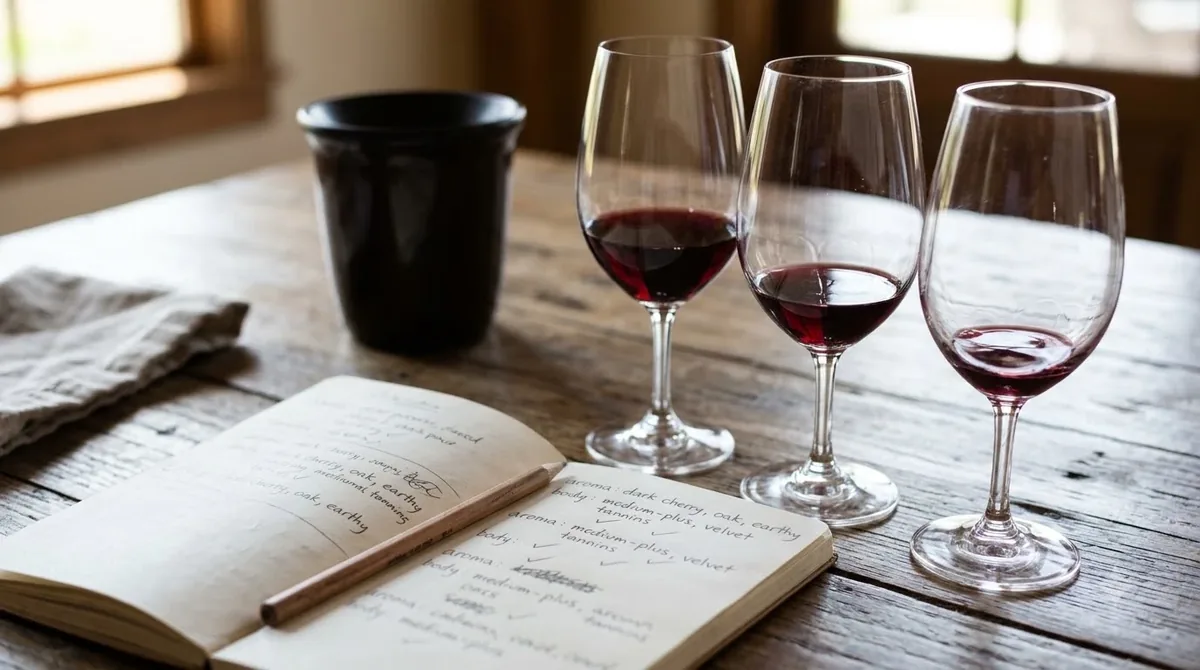
According to the Vins d’Alsace wine council, Gewürztraminer delivers a powerful, complex bouquet led by exotic fruits—specifically lychee, passion fruit, pineapple, and mango—layered over fresh rose petals, candied orange peel, ginger, and clove. Because its natural acidity is low, those fruit and spice flavors feel plush and round across the mid-palate, occasionally finishing with a subtle, pithy bitterness reminiscent of pink grapefruit rind.
Sauvignon Blanc owes its signature snap to two distinct chemical families: thiols, which create passion fruit, guava, and grapefruit aromas, and methoxypyrazines, which generate green, savory scents. In cool vineyards, methoxypyrazines express themselves as fresh-cut grass, gooseberry, nettle, crushed tomato leaf, and green bell pepper. Warmer growing zones dial back the herbaceous edge and push forward ripe honeydew melon, white peach, and Meyer lemon.
Oak influence also separates how winemakers shape these flavors. Gewürztraminer is almost universally fermented and aged in neutral stainless steel or large, seasoned wooden foudres so nothing masks its delicate floral terpenes. Sauvignon Blanc, by contrast, thrives both unoaked—for maximum zing—and barrel-fermented in French oak, a style popularized in Bordeaux and California that adds toasted almond, vanilla, and beeswax notes.
Acidity, Body, and Sweetness: How They Feel on the Palate
Sauvignon Blanc is light-to-medium bodied, bone-dry, and intensely acidic, while Gewürztraminer is medium-to-full bodied, low in acid, and frequently off-dry. This structural contrast dictates how refreshing each wine feels and how easily it pairs with rich or acidic meals.
Acidity is the engine behind Sauvignon Blanc. Its brisk, mouthwatering tartness stimulates salivation and leaves a clean, snapping finish that cuts easily through creamy sauces and fried foods. Even when grown in sunny regions like Napa Valley or South Australia, Sauvignon Blanc retains high natural malic and tartaric acid, keeping its 12.5% to 13.5% ABV frame lively and weightless.
Gewürztraminer flips that structure upside down. The grape accumulates sugar rapidly in the vineyard while losing acidity, often resulting in dry versions that reach 13.5% to 14.5% ABV alongside a viscous, almost oily mouthfeel. Even when fermented completely dry—with fewer than 4 grams of residual sugar per liter—Gewürztraminer’s low acid and sweet-spice aromatics trick the palate into perceiving a touch of sweetness.
Tip: Because French regulations in Alsace do not require sweetness indicators on the front label, check the ABV as a quick clue: bottles at 13.5% ABV or higher are typically dry or barely off-dry, while bottles at 11% to 12.5% ABV usually retain noticeable residual sugar.
Both grapes also produce renowned dessert wines, though through different traditions. In Alsace, late-harvest Gewürztraminer labeled Vendanges Tardives requires a minimum harvest sugar level of 257 grams per liter, while botrytis-affected Sélection de Grains Nobles requires at least 306 grams per liter. In Bordeaux’s Sauternes and Barsac districts, Sauvignon Blanc is blended—often at around 25% alongside 75% Semillon—to make honeyed, age-worthy noble-rot dessert wines.
Key Wine Regions and Winemaking Styles
Alsace in northeastern France is the undisputed benchmark for Gewürztraminer, while Sauvignon Blanc claims multiple global strongholds led by France’s Loire Valley, Bordeaux, and New Zealand’s Marlborough region. Geography and climate dramatically alter the intensity and balance of both grapes.
Where Gewürztraminer Thrives
Located in the rain shadow of the Vosges Mountains, Alsace accounts for roughly one-quarter of all Gewürztraminer planted worldwide. Its dry, sunny autumn weather allows the thick-skinned pink berries to ripen slowly without losing their floral perfume, producing everything from dry Grand Cru bottlings on clay and limestone slopes to luscious late-harvest styles. Neighboring Germany (especially the Pfalz and Baden regions) and northern Italy’s high-altitude Trentino-Alto Adige region craft slightly lighter, crisper versions with brighter natural acidity.
In the United States, cool-climate pockets such as Monterey County and Anderson Valley in California, Oregon’s Willamette Valley, Washington’s Columbia Valley, and New York’s Finger Lakes produce small-lot Gewürztraminer. American examples range from bone-dry, aromatic table wines to lightly sweet patio sippers.
Where Sauvignon Blanc Thrives
France offers two classic blueprints for Sauvignon Blanc. In the central Loire Valley—home to Sancerre and Pouilly-Fumé—chalky Kimmeridgian limestone and flint soils yield unoaked, piercingly dry wines marked by lime zest, wet stone, and gunflint smoke. Further southwest in Bordeaux (notably Pessac-Léognan and Graves), winemakers blend Sauvignon Blanc with Semillon and ferment it in oak barrels for a rounder, waxier texture capable of aging for a decade or more.
Food Pairing: Spicy Curries vs. Fresh Herbs and Goat Cheese
Gewürztraminer excels with spicy, aromatic, and sweet-savory cuisines, whereas Sauvignon Blanc shines alongside bright, herbal, acidic, and briny dishes. Matching the wine’s acidity and residual sugar to the intensity of the plate prevents either the food or the bottle from overpowering the other.
Gewürztraminer is one of the rare wines capable of standing up to fiery chili heat and complex spice blends. Because alcohol amplifies chili burn and high acidity can clash with sweet-spiced sauces, an off-dry Gewürztraminer—which Vins d’Alsace notes often sits lower in alcohol than dry styles—cools the palate while mirroring ginger, lemongrass, turmeric, and cardamom. According to the Vins d’Alsace wine council, the grape is a natural match for spiced Thai, Indian, Mexican, and Moroccan dishes, as well as washed-rind French cheeses like Munster, Maroilles, Pont-l’Évêque, and Livarot, and lightly sweet fruit tarts.
Sauvignon Blanc works best when a dish shares its bright, green, high-acid DNA. High-acid food benefits from a wine with equal or higher acidity so the wine does not taste flat, making Sauvignon Blanc a classic pairing for vinaigrette-dressed greens, ceviche, oysters, and fresh chèvre (goat cheese). Decanter highlights whole grilled squid with fresh herbs, mushroom agnolotti, Asian-style sea bass, mackerel with cucumber tzatziki, and leek terrine with goat cheese as standout pairings that showcase the grape’s citrus snap and herbal lift.
Serving Temperature, Glassware, and Aging Potential
Both wines taste best chilled, though slightly different serving temperatures and cellar timelines apply depending on sweetness and oak aging. Serving either bottle too warm dulls Sauvignon Blanc’s crispness and makes Gewürztraminer feel heavy and overly alcoholic.
Wine Enthusiast recommends serving unoaked Sauvignon Blanc and off-dry or sweet Gewürztraminer chilled between 45°F and 50°F to keep their fruit and acid focused. According to Wine Enthusiast, full-bodied dry Gewürztraminer and barrel-fermented Sauvignon Blanc (such as white Bordeaux or California Fumé Blanc) open up more aromatically when served slightly warmer at 50°F to 55°F. Neither grape requires decanting, though pouring both into a standard medium-sized white wine glass concentrates their volatile aromatics toward the nose.
Both varietals are primarily built for youthful freshness rather than long-term cellaring. According to Wine Enthusiast, standard dry Sauvignon Blanc is best enjoyed within 1 to 5 years of the vintage date while its vibrant citrus and thiol aromas remain intact, though top oak-aged Pessac-Léognan and sweet Sauternes blends can evolve for decades. As Vins d’Alsace notes, dry Gewürztraminer likewise drinks best within 2 to 5 years, whereas Alsace Grand Cru, Vendanges Tardives, and Sélection de Grains Nobles bottlings can mature for 10 to 20 years, developing complex notes of honeycomb, dried apricot, and candied ginger. According to Wine Enthusiast, recorked bottles of either still wine generally keep fresh in the refrigerator for 3 to 5 days after opening.
How to Choose Between Gewurztraminer and Sauvignon Blanc
Picking between these two white wines depends on your preferred level of tartness, body, and the meal on your table. When shopping without tasting first, use three straightforward criteria to decide which bottle belongs in your cart.
- Choose Sauvignon Blanc if you crave crisp, refreshing acidity: If you love tart lemonade, fresh herbs, and a bone-dry finish that cleanses your palate between bites, Sauvignon Blanc is the clear winner. Readers who enjoy dry, subtle white wines without Sauvignon Blanc’s pungent green notes can also compare pinot blanc vs sauvignon blanc for a softer, apple-and-pear profile.
- Choose Gewürztraminer if you want lush body and exotic perfume: If high-acid whites taste too sharp to you, Gewürztraminer offers a silky, full-bodied texture packed with lychee, rosewater, and baking spice that feels comforting and opulent.
- Let your menu break the tie: Pour Sauvignon Blanc for salads, seafood, poultry with lemon and herbs, and tangy cheeses; open Gewürztraminer for takeout curries, Moroccan tagines, glazed pork, or stinky washed-rind cheeses.
For dinner parties where guests split between white and red preferences, Sauvignon Blanc’s high acidity and herbal edge also make it an easy bridge toward lighter reds—see how it stacks up in a pinot noir vs sauvignon blanc matchup when planning a multi-course menu.
Frequently Asked Questions
Is Gewürztraminer sweeter than Sauvignon Blanc?
In most cases, yes, because Gewürztraminer is frequently bottled in an off-dry or sweet style with noticeable residual sugar, whereas Sauvignon Blanc is typically fermented completely dry. Even when Gewürztraminer is vinified dry, its low acidity and sweet-spice aromatics make it taste rounder and fruitier than tart Sauvignon Blanc. Only dessert styles like Bordeaux’s Sauternes—where Sauvignon Blanc is blended with Semillon—rival late-harvest Gewürztraminer in sweetness.
Which wine has more calories and alcohol: Gewürztraminer or Sauvignon Blanc?
According to Vins d’Alsace and Wine Enthusiast tasting benchmarks, dry Gewürztraminer typically carries slightly higher alcohol because the grape ripens to higher sugar levels on the vine, often reaching 13.5% to 14.5% ABV compared to Sauvignon Blanc’s typical 11.5% to 13.5% ABV. Off-dry Gewürztraminer typically has lower alcohol—often around 11% to 12.5% ABV per Vins d’Alsace guidelines—because fermentation stops early, trading alcohol for unfermented grape sugar. According to USDA FoodData Central estimates for dry versus off-dry white table wines, a standard 5-ounce pour of dry Sauvignon Blanc generally sits near 120 calories, while a 5-ounce pour of Gewürztraminer often carries slightly more calories depending on its alcohol and residual sugar levels.
How is Sauvignon Blanc related to Cabernet Sauvignon?
Sauvignon Blanc is one of the two biological parents of Cabernet Sauvignon. According to Wine Enthusiast, DNA profiling confirmed that Cabernet Sauvignon originated centuries ago in southwestern France through a spontaneous vineyard crossing between white Sauvignon Blanc and red Cabernet Franc. Gewürztraminer has no genetic connection to Sauvignon Blanc, descending instead from the ancient Savagnin family of eastern France and central Europe.
Why does Gewürztraminer look darker in the glass than Sauvignon Blanc?
Gewürztraminer naturally develops pink to reddish-brown grape skins at harvest, whereas Sauvignon Blanc has pale green-yellow skins. During crushing and pressing, brief skin contact extracts subtle golden and coppery pigments from Gewürztraminer’s pink berries, giving the finished wine a deep yellow-gold hue. Sauvignon Blanc presses out with minimal pigment, resulting in a pale straw or nearly clear color with faint green reflections.
Which wine is better for someone who usually dislikes white wine?
Red wine drinkers who find standard white wines too thin or sour often prefer dry Gewürztraminer because its full body, higher alcohol, and rich spice profile mirror the weight of a red wine without any tannin. Conversely, drinkers who dislike sweet or oaky whites usually gravitate toward unoaked Sauvignon Blanc from the Loire Valley or Marlborough for its clean, energetic citrus snap. Trying one dry Alsace Gewürztraminer alongside a cool-climate Sauvignon Blanc is the fastest way to pinpoint which style fits your palate.
Comparing gewurztraminer vs sauvignon blanc highlights just how wide the stylistic range of white wine can be, from lush, spice-scented gold to crisp, citrus-driven pale straw. Keeping a bottle of each on hand ensures you are ready for everything from fiery weeknight takeout to fresh seafood and goat cheese.
More in Wine vs Wine
 Chenin Blanc vs Pinot Gris: Acidity, Body, and Pairing DifferencesUpdated Nov 20, 2026
 Chianti vs Lambrusco: How Tuscany and Emilia-Romagna Reds CompareUpdated Nov 20, 2026
 Chianti vs Primitivo: Key Differences in Taste, Body, and PairingUpdated Nov 20, 2026
 Chianti vs Rioja: Key Differences in Taste, Aging, and PairingUpdated Nov 20, 2026
 Chianti vs Shiraz: How Acidity, Body, and Food Pairings CompareUpdated Nov 20, 2026
 Chianti vs Syrah: Key Differences in Taste, Body, and Food PairingUpdated Nov 20, 2026