

We may earn a commission when you buy through links on this page, at no extra cost to you. Learn more.
The best margaret river wineries include Vasse Felix, Leeuwin Estate, Voyager Estate, Cullen Wines, Cape Mentelle and Fraser Gallop Estate, offering exceptional Cabernet Sauvignon, Chardonnay, guided tastings and memorable vineyard experiences. Margaret River in Western Australia is particularly renowned for elegant Cabernet Sauvignon and premium Chardonnay, although Semillon and Sauvignon Blanc also deserve attention. The right winery depends on whether you prefer historic estates, intimate cellar doors, restaurant lunches, sustainable winemaking or opportunities to explore vineyards and barrel rooms.
Margaret River is one of Australia’s most distinctive wine destinations, combining a relatively compact growing region with an impressive variety of producers and visitor experiences. Its wineries range from established estates with extensive wine collections to smaller producers offering personal tastings and opportunities to learn about individual vineyards. Choosing carefully makes a significant difference because a winery focused on premium Cabernet Sauvignon can offer a very different experience from an estate known for Chardonnay, biodynamic farming or destination dining. This guide explains which wineries deserve consideration, what makes each one interesting, and how to plan a rewarding visit or choose bottles to enjoy at home.
Who This Is For
Margaret River suits wine enthusiasts who want to explore high-quality Australian wines while discovering the producers and landscapes behind them. Its Cabernet Sauvignon and Chardonnay are particularly important starting points, but visitors who enjoy Semillon, Sauvignon Blanc and regional blends will also find plenty to explore.
First-time visitors should consider starting with an established producer such as Vasse Felix. Established in 1967 by Dr. Tom Cullity, the estate is closely connected to the development of the Margaret River wine industry. It provides a useful introduction to the region’s history, grape varieties and winemaking traditions. Its cellar door offers daily tastings, while more elaborate experiences introduce visitors to historic vineyards and the estate’s wine collection.
Leeuwin Estate is another strong choice for visitors who appreciate wine alongside art and food. Its Art Series labels feature paintings by Australian artists, including John Olsen and Sidney Nolan. The estate also combines wine experiences with an art gallery and restaurant, making it particularly appealing to travelers who want more than a short tasting at a counter.
Voyager Estate is worth considering for visitors interested in more detailed wine education. Its experiences can include barrel tastings and access to an underground barrel cellar. The opportunity to see how wine develops during maturation gives visitors a different perspective from simply tasting finished bottles.
Travelers interested in vineyard practices should also consider Cullen Wines. The producer is recognized for its biodynamic approach and distinctive estate identity. Visitors can explore the connection between vineyard management, winemaking and the character of finished wines.
Smaller-group visitors may prefer Fraser Gallop Estate, where the cellar door is located among the vines in Wilyabrup. The estate offers guided tastings and bookable experiences that focus on its wines and production environment. Its location also makes it a useful addition to a northern Margaret River itinerary.
Margaret River is not exclusively a destination for collectors or experienced wine drinkers. Beginners can learn how Cabernet Sauvignon differs from Chardonnay, discover how oak influences wine character and understand why individual vineyards can produce noticeably different expressions of the same grape variety. Visitors who enjoy food, regional scenery and relaxed hospitality can also build a satisfying itinerary without needing extensive wine knowledge.
For readers comparing Australian destinations, our guides to the best Russian River Valley wineries and best Paso Robles wineries provide useful alternatives with different climates, grape varieties and winery experiences.
Key Factors to Compare
The best winery for a particular visitor depends on more than reputation. Compare its signature grape varieties, tasting format, location, food options and available experiences before deciding where to spend your time.

Start with the wine itself. Margaret River is especially associated with Cabernet Sauvignon and Chardonnay. Cabernet Sauvignon from the region commonly offers dark fruit, structure and recognizable savory characteristics, while Chardonnay ranges from fresh and restrained expressions to richer wines with more evident oak influence. Semillon and Sauvignon Blanc blends provide another important regional style, often combining citrus freshness with aromatic complexity. Wine Australia’s Margaret River regional profile provides additional detail about these varieties and the region’s maritime climate.
Next, consider the type of visit. Some estates are suited to casual drop-in tastings, while others specialize in guided experiences that require advance reservations. Vasse Felix, for example, offers daily hosted tastings without reservations for ordinary individual visits. Groups of nine or more need to book. Fraser Gallop Estate also welcomes walk-ins, although its more involved small-group experiences require advance planning.
Location matters because Margaret River covers a substantial wine-producing area rather than a single street of tasting rooms. Wilyabrup is an important northern wine area, while other producers are closer to Margaret River township or farther south. Grouping wineries by area reduces unnecessary driving and allows more time for tasting and lunch.
Food options are another consideration. Leeuwin Estate and Vasse Felix are attractive choices for visitors interested in combining wine with destination dining. Cullen Wines offers a different approach through food connected to its estate and vineyard philosophy. A winery with a restaurant can justify a longer stop, while a smaller cellar door may be better suited to a shorter tasting between other visits.
Use the following comparison to identify which estates best match your priorities. These are experience categories rather than numerical rankings, since the ideal choice depends on personal preferences.
| Winery | Best known for | Visitor appeal | Planning consideration |
|---|---|---|---|
| Vasse Felix | Cabernet Sauvignon and Chardonnay | Historic estate and wine experiences | Standard tastings daily, 10 a.m.–5 p.m. |
| Leeuwin Estate | Art Series Chardonnay | Art gallery and destination dining | Allow time for lunch and art |
| Voyager Estate | Premium estate wines | Barrel cellar and guided experiences | Check experience availability |
| Cullen Wines | Biodynamic wines | Wine and garden-focused dining | Check dining and tasting arrangements |
| Cape Mentelle | Cabernet Sauvignon | Behind-the-scenes winery tours | Reserve specialized experiences |
| Fraser Gallop Estate | Chardonnay and Cabernet Sauvignon | Small-group tastings in Wilyabrup | Daily cellar door, 11 a.m.–4 p.m. |
These six wineries offer different ways to understand the region. Vasse Felix provides historical context, Leeuwin Estate connects wine and visual art, and Voyager Estate offers a closer look at cellar operations. Cullen Wines is particularly interesting for visitors who value biodynamic agriculture, while Cape Mentelle and Fraser Gallop Estate offer additional perspectives on regional Cabernet Sauvignon and Chardonnay.
Also consider how much time each experience requires. A straightforward tasting might fit comfortably into a shorter stop, whereas a vineyard tour, winery visit and restaurant lunch can occupy several hours. Selecting two or three complementary experiences is usually more satisfying than attempting to visit every famous producer in one afternoon.
Step-by-Step: Planning a Margaret River Winery Visit
A successful winery itinerary starts with a realistic schedule, a designated transportation plan and a shortlist of producers that match your interests. Margaret River has more than 100 cellar doors according to regional tourism information, so trying to visit too many in one day can make the experience rushed.
- Choose your main wine interest. Decide whether Cabernet Sauvignon, Chardonnay, regional white blends or a broader introduction to Australian wine is your priority. For a historical introduction, begin with Vasse Felix. For art and Chardonnay, consider Leeuwin Estate. Visitors interested in biodynamic farming can prioritize Cullen Wines.
- Choose a geographical area. Identify the wineries you want to visit and group them geographically. Wilyabrup is a practical area to explore producers such as Fraser Gallop Estate. Cape Mentelle is closer to Margaret River township. Avoid planning a route that repeatedly crosses the region.
- Check tasting arrangements. Confirm opening times, available wine flights, group requirements and tour reservations. Vasse Felix offers standard tastings daily from 10 a.m. to 5 p.m. without advance reservations for ordinary individual visitors. Fraser Gallop Estate welcomes walk-ins during its published cellar-door hours.
- Reserve special experiences. If you want vineyard access, barrel tastings or a guided behind-the-scenes visit, book ahead. Fraser Gallop Estate recommends arranging its small-group experiences in advance. Larger groups should contact wineries directly to confirm arrangements.
- Plan a proper lunch. Choose an estate with a restaurant or arrange a nearby dining stop. Leeuwin Estate and Vasse Felix are particularly useful choices for visitors who want a destination meal alongside wine. Allow enough time to enjoy food without having to rush to the next tasting.
- Arrange transportation. Designate a non-drinking driver or use a guided wine tour with appropriate transportation. Do not plan to drive after consuming alcohol. A guided tour also removes the need to coordinate multiple winery visits independently.
- Finish with a considered purchase. Record the producers, grape varieties and wine styles you enjoyed. Compare bottles from different estates before deciding what to take home. A few well-chosen bottles are generally more useful than buying wines simply because they are associated with famous names.
A practical first-day itinerary could include a morning visit to Vasse Felix, lunch at a winery restaurant and an afternoon appointment at a smaller producer. This combination provides a historical introduction, an opportunity to enjoy regional food and a more personal view of winemaking.
Visitors with only half a day should choose two wineries rather than squeezing in four or five. Those with a full day can add a third stop if the locations and booking times work comfortably. A slower schedule also creates room for unexpected discoveries, such as a particularly interesting Chardonnay or a conversation about vineyard conditions.
Tip: Build your itinerary around two or three wineries and one substantial meal. If a guided tasting is the main reason for visiting an estate, book that experience first and arrange the rest of the day around its scheduled time.
Types of Margaret River Wines and Winery Styles Explained
Understanding the region’s principal grape varieties makes it easier to choose both wineries and bottles. Cabernet Sauvignon and Chardonnay are the leading reference points, but Margaret River also produces distinctive white wines and blends that can be equally interesting.
Cabernet Sauvignon
Cabernet Sauvignon is one of Margaret River’s defining varieties. It generally produces structured red wines with blackcurrant, dark cherry, herbal and savory characteristics. Its naturally high tannin gives the wines structure, making them suitable companions for rich foods, and appropriately aged bottles can develop additional complexity.
Vasse Felix is an important producer to consider when exploring the variety. The estate’s history includes Margaret River’s first Cabernet Sauvignon, produced in 1972. Fraser Gallop Estate also offers Cabernet-focused experiences, including a Barrel Hall Tasting that features three Cabernet selections alongside three Chardonnays.
Cabernet Sauvignon generally pairs well with grilled beef, lamb and other substantial dishes. Salt and fat can soften the perception of tannin, while very spicy foods may make the alcohol and tannin seem more pronounced.
Chardonnay
Margaret River Chardonnay is another essential category. The region’s wines can display citrus, stone fruit, acidity and varying degrees of oak influence. Some producers favor a fresher, more restrained expression, while others create richer wines with a broader texture and more obvious barrel character.
Leeuwin Estate’s Art Series Chardonnay is one of the region’s most recognizable wines. Vasse Felix also makes Chardonnay a central part of its collection and includes the variety in specialized cellar experiences. Visitors comparing these producers can pay attention to acidity, texture, fruit concentration and the integration of oak rather than assuming every premium Chardonnay tastes alike.
Chardonnay works with roasted chicken, seafood, creamy sauces and richer vegetable dishes. Its serving temperature depends on its style: lighter expressions are generally best around 45–50 degrees Fahrenheit, while fuller-bodied examples are better around 50–55 degrees Fahrenheit.
Semillon and Sauvignon Blanc
Semillon and Sauvignon Blanc are important regional white grapes. They can be produced individually or blended, with Sauvignon Blanc contributing aromatic intensity and acidity while Semillon can provide additional texture and structure. These wines are useful choices for visitors who prefer fresher, more vibrant whites over richer Chardonnay.
Look for citrus, fresh herbs and sometimes tropical fruit in the aromatic profile. Their acidity makes them particularly versatile with seafood, salads and dishes containing fresh herbs. When pairing with acidic foods, choose a wine with equal or higher acidity so the wine does not taste flat alongside the meal.
Estate-focused versus boutique wineries
Another useful distinction is the type of producer. Larger established estates such as Vasse Felix, Leeuwin Estate and Voyager Estate often combine significant wine collections with restaurants, galleries, historical displays or more elaborate tasting programs.
Smaller producers can offer a more concentrated introduction to individual vineyards and winemaking decisions. Fraser Gallop Estate is a useful example of a Wilyabrup producer with guided tastings and specialist experiences. These different approaches are not competing definitions of quality. They simply serve different visitor preferences.
For buyers comparing Margaret River with other Australian wine destinations, the best Temecula wineries offer another useful regional perspective. Temecula has a different climate and selection of grape varieties, making it an interesting comparison for visitors exploring wine destinations beyond Western Australia.
Common Mistakes When Choosing Margaret River Wineries
The most common mistake is choosing wineries exclusively by reputation. A famous estate may produce excellent wines, but the experience might not match a visitor who prefers small-group tastings, informal hospitality or a particular grape variety.
Another mistake is assuming every winery has the same tasting format. Some cellar doors welcome walk-in visitors for standard tastings, while others offer private experiences or specialized tours that need reservations. Vasse Felix illustrates this distinction: standard individual tastings do not require reservations, but groups of nine or more need to book.
Visitors should also avoid confusing a winery’s flagship variety with its entire collection. Leeuwin Estate is strongly associated with Art Series Chardonnay, but its visitor experience includes more than one wine style. Vasse Felix has an important Cabernet Sauvignon history but also offers Chardonnay and other wines. Exploring the broader collection can provide a better understanding of each producer.
Trying to visit too many wineries is another frequent problem. A schedule containing five or six tastings can leave little time for meaningful conversations, meals or vineyard tours. Wine tasting is more enjoyable when there is room to compare individual wines and consider what makes each producer distinctive.
Ignoring geographical distances can also create unnecessary driving. Although Margaret River is a relatively compact wine region by international standards, its wineries are spread across different areas. A route that looks simple on a list can become inefficient if it involves repeated journeys between northern and southern stops.
Finally, do not buy wine simply because a bottle is expensive, famous or recommended by someone else. Consider whether you actually enjoy its style. A structured Cabernet Sauvignon may be impressive but unsuitable for someone who usually drinks lighter reds. Similarly, a rich Chardonnay may be less appealing to someone who prefers high-acidity white wines.
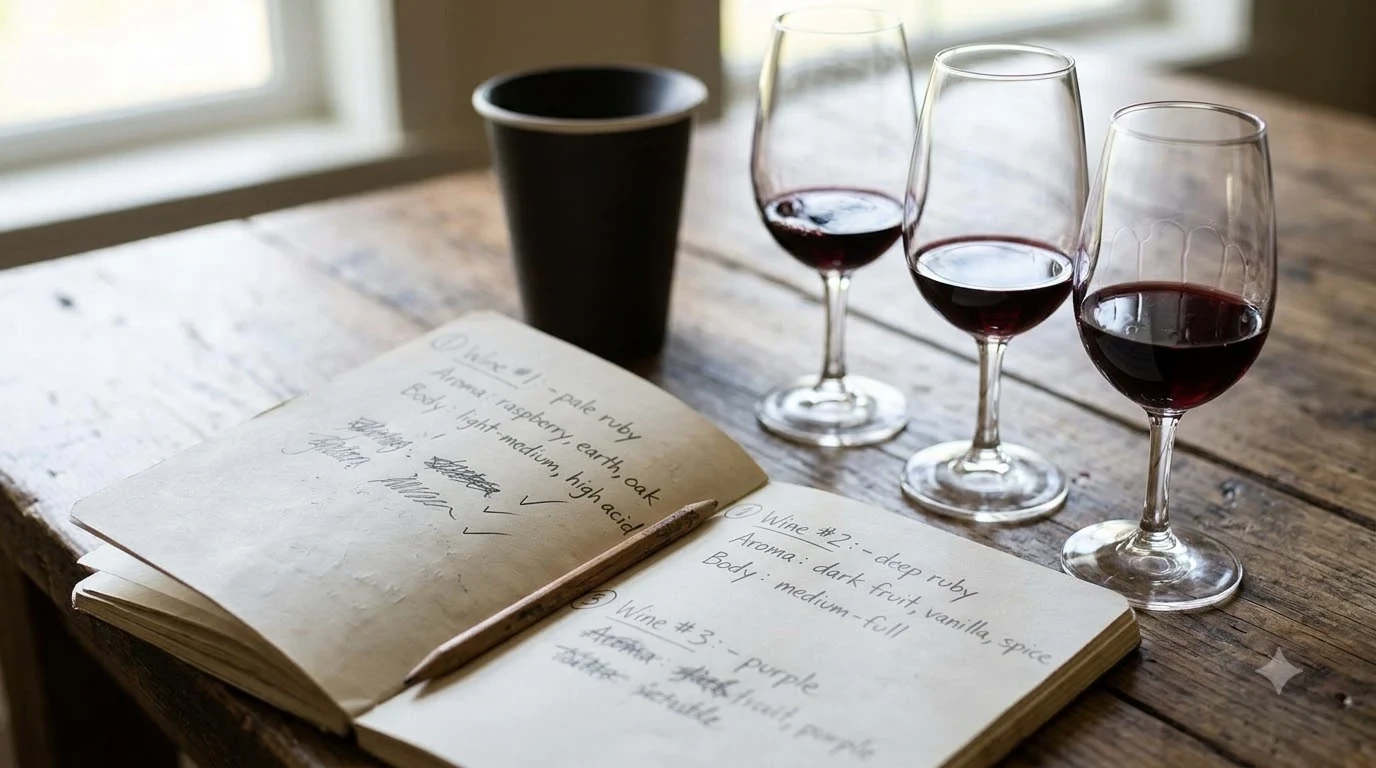
When tasting, pay attention to three practical characteristics: acidity, tannin and body. These help explain why a particular wine works with food and whether it suits your usual preferences. Taking short notes is useful, especially when comparing several producers during a full day.
Care, Storage and Serving Tips for Margaret River Wines
Good storage and appropriate serving temperatures help preserve the qualities that make premium Margaret River wines appealing. This is especially important for structured Cabernet Sauvignon and more complex Chardonnay intended for extended cellaring.
Store bottles in a cool, dark location with a reasonably consistent temperature near 55 degrees Fahrenheit. Bottles with natural cork closures should generally be stored horizontally so the cork remains in contact with the wine. Avoid direct sunlight, excessive vibration and large temperature fluctuations, which can affect wine quality over time.
Serving temperature should reflect the style rather than the country of origin. Light white wines and rosé generally benefit from temperatures around 45–50 degrees Fahrenheit. Fuller-bodied Chardonnay is usually better around 50–55 degrees Fahrenheit. Light reds can be served around 55–60 degrees Fahrenheit, while fuller-bodied Cabernet Sauvignon generally works well around 60–65 degrees Fahrenheit.
Do not serve every red wine at a warm room temperature. A Cabernet Sauvignon served too warm can seem more alcoholic and less balanced. A short period in a cool room or refrigerator can help bring the bottle closer to its preferred serving range.
Decanting can also improve the presentation of young, full-bodied Cabernet Sauvignon. Allowing approximately 30–60 minutes of aeration can soften the initial impression and give the wine more room to express its aromas. Older bottles require more care because prolonged exposure to oxygen can diminish delicate aromas.
For a standard tasting or meal, a 5-ounce pour is a useful reference. A 750 ml bottle provides approximately five such servings. This makes it easier to estimate how many bottles are needed for a dinner and helps visitors compare different wines without pouring excessively large glasses.
Once opened, still wines generally keep for approximately three to five days in the refrigerator when properly resealed. Keep Chardonnay cool after opening, and allow it to warm slightly before serving again if it has become too cold. Cabernet Sauvignon can also be refrigerated after opening, then brought closer to its preferred serving temperature before the next pour.
Buyers planning to cellar Margaret River Cabernet Sauvignon should remember that not every bottle has the same aging potential. Vintage conditions, producer choices, grape quality and winemaking techniques all influence how well an individual wine develops. Follow the producer’s recommendations when available and avoid assuming that every premium bottle needs years of storage.
For wine purchases intended for immediate enjoyment, prioritize freshness and proper storage at the retailer. For bottles intended as gifts or for a future occasion, check that transportation and storage conditions are suitable before purchasing. Heat exposure during shipping or extended periods in a hot vehicle can compromise wine quality.
Frequently Asked Questions
What is the most famous winery in Margaret River?
Vasse Felix is particularly significant because it was established in 1967 as Margaret River’s first vineyard. Its historical connection to Dr. Tom Cullity and the region’s first Cabernet Sauvignon makes it an important destination for understanding local wine history. Leeuwin Estate is another internationally recognized name, particularly for its Art Series Chardonnay.
Can you visit Margaret River wineries without booking?
Yes, some estates welcome individual walk-in visitors for standard tastings. Vasse Felix offers daily tastings without reservations, while other estates have their own walk-in policies. Private experiences, large groups and special tours generally require advance arrangements.
Which Margaret River winery is best for wine and art?
Leeuwin Estate is a particularly strong choice because its Art Series labels feature paintings by prominent Australian artists. Its visitor facilities also include an art gallery with exhibitions from the Holmes à Court Collection. This makes the estate appealing to visitors interested in Australian visual culture as well as wine.
Are Margaret River wines suitable for long-term cellaring?
Some premium Margaret River Cabernet Sauvignon and Chardonnay are made with aging in mind. Their potential depends on the individual wine, vintage, acidity, tannin, structure and production choices. Proper storage near 55 degrees Fahrenheit is important if you intend to keep bottles for several years.
What is Wilyabrup known for in Margaret River?
Wilyabrup is an important northern subregion within Margaret River’s wine country and is associated with several established producers. Fraser Gallop Estate operates its cellar door on Metricup Road in this area, while other notable producers include Cape Mentelle and Vasse Felix. The area’s established vineyards make it a useful destination for visitors interested in comparing individual estate expressions.
The best Margaret River wineries offer much more than a chance to taste premium Australian wine. From the pioneering history of Vasse Felix to Leeuwin Estate’s art-focused experiences, Cullen Wines’ distinctive vineyard approach and Fraser Gallop Estate’s intimate tastings, each producer offers a different reason to visit. Start with two or three wineries that match your interests, explore Cabernet Sauvignon and Chardonnay alongside regional white blends, and leave enough time to enjoy the food and scenery. A thoughtfully planned visit will provide a far better understanding of Margaret River than a rushed tour of every cellar door.
More in Wine Buying Guides
 Cheap Red Blend: How to Find a Flavorful Bottle for LessUpdated Nov 20, 2026
 Pinot Grigio Gift: How to Choose a Bottle They’ll EnjoyUpdated Nov 20, 2026
 Best White Wine at Total Wine for Every MealUpdated Nov 20, 2026
 Wine Fridge Replacement Shelves: Find the Right FitUpdated Nov 20, 2026
 Best Sparkling Wine Under 20: Find Bubbles Worth BuyingUpdated Nov 20, 2026
 Best Wine For Birthday Celebrations With Perfect Party PairingsUpdated Nov 20, 2026