

We may earn a commission when you buy through links on this page, at no extra cost to you. Learn more.
The best barossa valley wineries for memorable tastings and wine buying include Seppeltsfield, Rockford, Langmeil, Elderton, Yalumba, and Turkey Flat Vineyards. Each offers a different perspective on South Australia’s celebrated wine region, from traditional old-vine Shiraz and Grenache to historic estates and contemporary boutique wines. The right choice depends on the grape varieties you enjoy, the tasting experience you want, and whether you are buying bottles to drink soon or cellar for several years. A well-planned visit can introduce you to several distinctive producers without rushing through the region.
The Barossa Valley is one of Australia’s most recognizable wine destinations, particularly for concentrated Shiraz, expressive Grenache, and characterful Cabernet Sauvignon. Its wineries range from substantial historic estates to small family operations, and their cellar doors provide an opportunity to understand how vineyard location, grape selection, and winemaking decisions influence the finished wine. For American wine buyers, exploring the region is also a useful way to discover Australian bottles beyond familiar supermarket Shiraz. The following guide explains which wineries deserve consideration, what to look for during tastings, and how to choose bottles that suit your preferences.
Who Should Visit These Barossa Valley Wineries
The Barossa is especially rewarding for people who enjoy full-bodied reds, historic wine estates, and opportunities to compare different expressions of the same grape variety. Its more than 150 wineries and over 90 cellar doors provide options for first-time visitors, serious collectors, casual wine drinkers, and travelers interested in food and heritage.

Shiraz enthusiasts should put the region near the top of their Australian wine itinerary. Barossa Shiraz commonly features ripe dark fruit, substantial body, and noticeable tannin, although individual producers can emphasize different combinations of freshness, spice, oak, and texture. Comparing wines from Langmeil, Rockford, and Elderton can help identify whether a traditional, structured style or a more polished expression appeals most.
Collectors and experienced wine buyers may prefer wineries offering premium flights, vineyard-specific bottlings, or historic wines. Seppeltsfield is particularly interesting for visitors curious about fortified wine and the history of Australian winemaking. Henschke, located in the neighboring Eden Valley, provides another important perspective through its premium Shiraz and Riesling experiences.
Beginners and casual travelers can find accessible introductions at larger estates and welcoming cellar doors. Peter Lehmann offers tasting flights that range from introductory selections to private premium experiences. Jacob’s Creek combines wine tasting with separately bookable food and vineyard activities, making it a practical option for visitors who want more than a conventional tasting counter.
Food-focused travelers should also consider wineries with restaurant or picnic experiences. Pindarie’s Grain Store combines its historic setting with food, while Seppeltsfield offers wine, dining, and heritage activities. St Hugo is another appealing option for visitors interested in combining wine with a restaurant experience and guided food activities.
The Barossa also appeals to people interested in varieties beyond Shiraz. Grenache, Mataro, Cabernet Sauvignon, and Riesling deserve attention, particularly when comparing wines from different producers. Travelers who already enjoy California Cabernet or Oregon Pinot Noir may discover that the region offers a substantially different approach to structure, ripeness, and food pairing. Readers planning other wine-country trips can also explore the best Napa Valley wineries for a useful comparison with California’s better-known wine destination.
Key Factors to Compare Before Choosing a Winery
The strongest winery choice is not necessarily the most famous name. Compare the grape varieties, tasting format, setting, location, and bottle selection before deciding where to spend your time and which wines deserve space in your collection.
| Comparison factor | What to look for | Why it matters |
|---|---|---|
| Regional selection | 150+ wineries | Provides a wide range of producers and styles. |
| Cellar-door options | 90+ cellar doors | Offers opportunities for guided and independent tastings. |
| Daily itinerary | 3–4 wineries | Allows time for meaningful tastings and lunch. |
| Wine varieties | Shiraz, Grenache, Mataro, Riesling | Helps match the producer to your preferred wine style. |
| Group planning | Check group limits before booking | Some premium experiences have restricted capacity. |
| Travel planning | Group wineries by nearby towns | Reduces unnecessary driving between cellar doors. |
Start by considering the wine itself. Shiraz is the region’s signature red, but it is not a single uniform style. Some bottlings emphasize ripe blackberry, plum, and chocolate, while others highlight pepper, savory character, and firmer structure. Grenache typically offers a lighter body and more red-fruit character, while Mataro can contribute savory complexity and firm tannins to blends. Riesling offers a refreshing alternative, with acidity that contrasts nicely with the richness of many Barossa reds.
Next, examine the tasting format. A casual tasting is appropriate for visitors who want to sample several wines without a long appointment. A seated or hosted experience is more useful for understanding individual vineyards, vintage differences, and winemaking choices. Yalumba’s Wine Room, for example, provides seated tastings, while its separate cooperage tour adds an educational element for visitors interested in barrel production.
Consider the estate’s atmosphere and facilities as well. Some visitors prefer traditional stone buildings and historical collections, while others want contemporary tasting rooms, vineyard views, or restaurants. Seppeltsfield, Rockford, and Turkey Flat offer strong heritage associations. Jacob’s Creek and Pindarie provide different combinations of food, outdoor surroundings, and visitor activities.
Finally, think about your intended purchase. A bottle for a casual dinner should be judged differently from a wine intended for several years of cellaring. Compare grape variety, alcohol level, acidity, tannin, vintage, and producer reputation. If you are shopping in the United States, availability and import costs may also influence which winery’s wines are practical to purchase regularly.
Step-by-Step Guide to Planning a Barossa Wine Visit
A successful Barossa itinerary begins with a clear idea of the wines you want to explore. Organize your stops geographically, reserve experiences that require appointments, and leave enough time to compare wines rather than simply collecting tasting glasses.
- Choose your main wine interest. Decide whether the priority is Shiraz, Grenache, Cabernet Sauvignon, Riesling, or fortified wine. For a Shiraz-focused visit, start by researching Langmeil, Rockford, and Elderton. For a broader introduction, include one producer with a diverse range of red and white wines.
- Select a geographic starting point. Identify whether Tanunda, Angaston, Nuriootpa, or Lyndoch makes the most sense for your accommodation and transportation. These towns provide useful reference points for organizing a regional itinerary.
- Choose three or four suitable cellar doors. This is a practical daily target rather than a strict rule. Allow enough time for a seated tasting, questions, photographs, and lunch. Trying to visit too many estates can make individual wines difficult to remember.
- Review appointment requirements. Check the winery’s current hours, tasting formats, group policies, and reservation arrangements. Elderton, for example, distinguishes between its walk-in Estate Tasting for smaller groups and advance arrangements for groups of five or more.
- Decide how to compare wines. Choose a consistent category whenever possible. Sampling three Shiraz wines from different producers is often more informative than tasting unrelated varieties without a clear comparison.
- Arrange transportation. Choose a designated driver, guided tour, or suitable transportation service before the first tasting. A winery itinerary should never depend on driving after consuming alcohol.
- Record your preferences. Note the producer, wine name, grape variety, vintage, acidity, tannin, and overall style. These details make it easier to identify bottles you want to purchase later.
- Finish with a considered purchase. Select wines that match your budget, drinking schedule, and storage arrangements. Ask about availability in the United States if you intend to buy additional bottles after returning home.
A useful first-day combination might include a historic estate, a traditional Shiraz producer, and a winery with a food experience. This creates variety without making the day feel like a series of identical tasting-room visits. A second day can focus on smaller producers, Grenache, Riesling, and premium selections.
Tip: Keep your itinerary to three or four wineries in one day, and organize the stops by location. Book premium tastings in advance and arrange transportation before your first pour.
For more general advice about selecting bottles, grape varieties, and quality indicators, explore our wine-buying resources. The same principles apply whether purchasing an Australian Shiraz, a French Cabernet blend, or an American red wine.
For additional regional visitor information, Tourism Australia’s overview of Barossa winery experiences highlights historic estates, food experiences, and several notable cellar doors.
Types of Barossa Wineries and Their Wine Styles
Barossa wineries can be understood through their approach to heritage, vineyard expression, and grape varieties. Knowing these differences helps buyers identify the producers that best match their preferred drinking style.
Historic estates and traditional winemaking
Historic properties are a natural starting point for understanding the region’s identity. Seppeltsfield is particularly significant for its heritage buildings and Centennial Cellar, which houses a long-running collection of single-vintage Tawny wines. Its tasting and tour options provide a broader experience than simply sampling current releases.
Turkey Flat Vineyards is another worthwhile stop for visitors interested in historical vineyard traditions. Its family vineyard history dates to 1847, and the cellar door occupies a historic bluestone former butcher’s shop in Tanunda. The winery is especially interesting for buyers who want to understand how old vineyard sites contribute to the region’s reputation for distinctive Shiraz.
Rockford Wines provides another traditional reference point. Its historic buildings surround an original 1850s barn, and the winery is associated with basket-pressed reds and traditional winemaking. It is a compelling choice for people who appreciate structured Australian reds and an atmospheric cellar-door setting.
Old-vine Shiraz specialists
Langmeil Winery is particularly relevant to visitors interested in the history of Shiraz. Its Freedom 1843 vineyard is recognized for its exceptionally old surviving vines. Old-vine wines can offer concentrated fruit and distinctive site expression, although vine age alone does not guarantee that a bottle will match an individual’s taste.
Elderton Wines is another important name for this category. Its Shiraz and Cabernet Sauvignon vines date to 1894, and the estate offers opportunities to explore premium single-vineyard reds. Visitors interested in the relationship between vineyard age and wine structure should compare different selections rather than assuming that every old-vine bottling tastes alike.
Grenache and alternative varieties
Buyers who prefer red fruit and a less weighty style should explore Grenache-focused producers. Charles Melton Wines is recognized for Grenache-led blends and its Nine Popes wine. Grenache can show strawberry, raspberry, and savory spice, with a texture that differs from the denser profile commonly associated with Barossa Shiraz.
Tscharke Wines offers another interesting direction through organic and biodynamic wines and alternative grape varieties. It is worth considering for visitors who want to explore the region beyond familiar international grapes. Ask which varieties are currently represented in the tasting selection and compare their acidity, body, and tannin before purchasing.
Eden Valley wines and premium experiences
Although closely associated with the Barossa wine region, Eden Valley provides a distinct neighboring wine experience. Its elevation and cooler conditions contribute to wines that can show a different balance of freshness and ripeness. Riesling is especially important for buyers looking for aromatic white wine with lively acidity.
Henschke in Keyneton is a leading destination for this experience. Its tasting options include the Henschke Explorer and Hill of Grace Experience. Sons of Eden also produces Eden Valley Shiraz and Riesling, with hosted tastings available by appointment or through Artisans of Barossa in Tanunda.
These producers are useful reminders that a Barossa itinerary should not be limited to powerful reds. Comparing a concentrated Shiraz with an aromatic Riesling can reveal just how much stylistic variety exists within the wider region. Visitors interested in another distinctive American wine destination can also browse our guide to the best Willamette Valley wineries, where Pinot Noir plays a much more prominent role.
Common Mistakes When Selecting Barossa Wineries and Wines
The most common mistake is treating the entire region as if every winery produces the same type of Shiraz. Other mistakes include choosing estates solely by reputation, overlooking alternative grape varieties, and purchasing bottles without considering how they will be served or stored.
Assuming every Shiraz tastes alike
Barossa Shiraz can vary considerably in body, tannin, oak influence, alcohol, and fruit expression. A powerful, ripe style may appeal to someone who enjoys Australian barbecue wines, while another drinker may prefer a more restrained expression with savory spice and greater freshness.
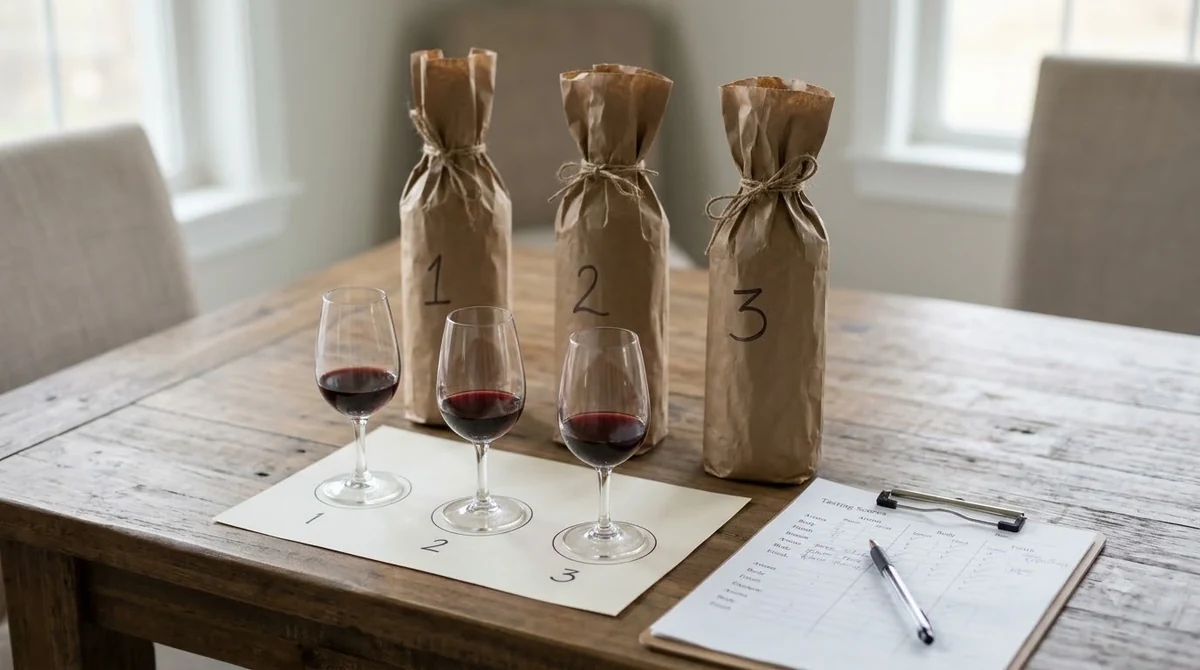
Compare at least two or three wines side by side whenever the tasting format allows. Notice whether the fruit resembles blackberry, plum, or dark cherry, and whether oak contributes vanilla, toast, or spice. Also consider how the tannins feel and whether the wine retains freshness after swallowing.
Choosing wineries only because they are famous
Well-known producers can offer excellent experiences, but their popularity does not automatically make them the best fit for every visitor. A small boutique winery may provide more opportunities to discuss unusual grape varieties or individual vineyard sites. Someone primarily interested in Riesling, for instance, may learn more from an Eden Valley-focused tasting than from spending the entire day sampling Shiraz.
Balance familiar names with one or two less conventional producers. This approach gives a more complete understanding of the region and can reveal wines that better match personal preferences.
Ignoring the difference between Barossa Valley and Eden Valley
The two areas are closely associated but should not be treated as interchangeable. Barossa Valley is particularly recognized for ripe Shiraz and Grenache, while Eden Valley is well known for Riesling and its distinctive expressions of Shiraz. Producers such as Henschke and Sons of Eden provide opportunities to explore the latter.
Comparing wines from both areas is particularly useful for buyers who want to understand how site and growing conditions influence the finished bottle. A fresh Eden Valley Riesling can provide a very different drinking experience from a full-bodied Barossa Shiraz.
Buying without considering food and drinking occasions
A powerful red wine may be excellent with grilled beef, lamb, or dishes with substantial fat, but it may overpower delicate seafood. High-tannin Cabernet Sauvignon and Shiraz generally work better with rich proteins than with oily fish. Grenache can be more flexible with roasted vegetables, tomato-based dishes, and grilled poultry.
Think about the occasion before choosing a bottle. A wine for a holiday dinner may justify a more structured, cellar-worthy selection, while an everyday bottle should be approachable and suitable for drinking relatively soon.
Trying too many tastings without taking notes
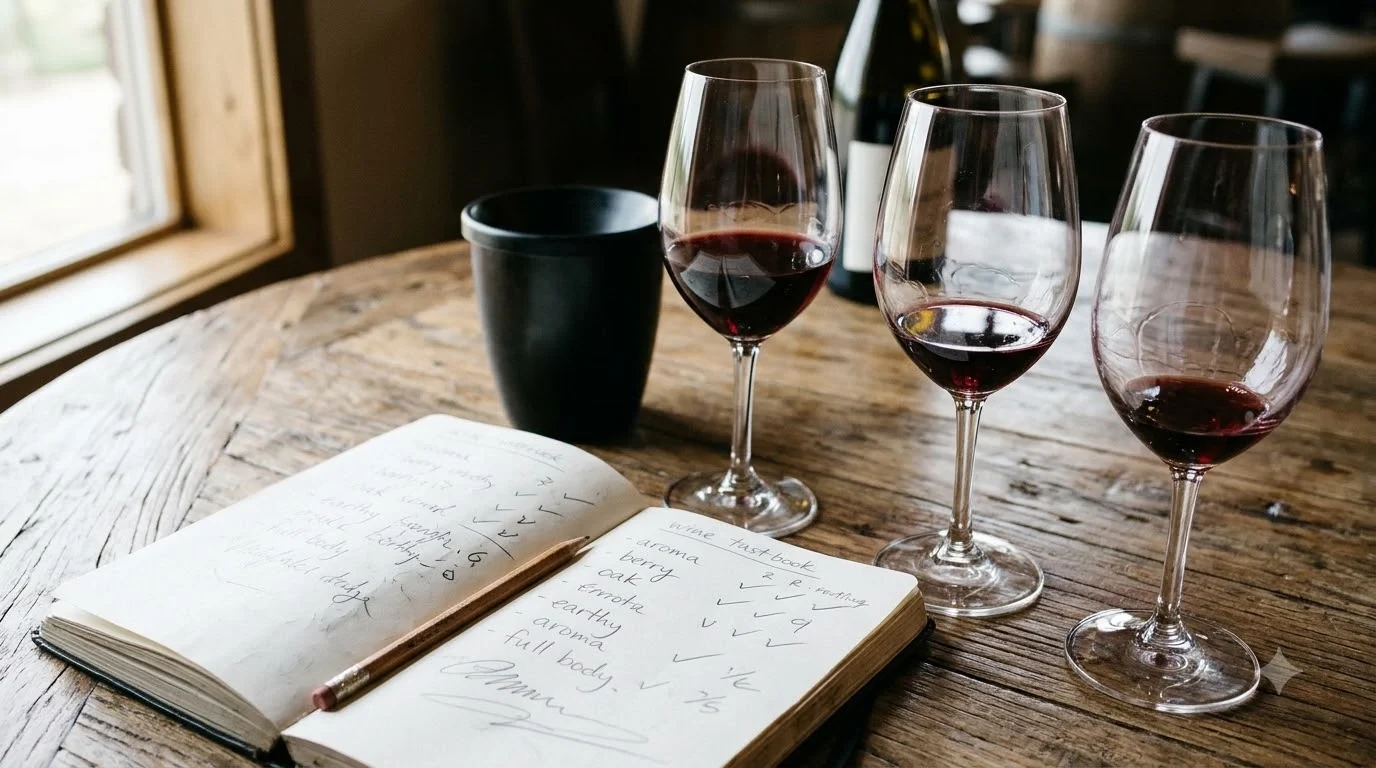
Repeatedly sampling wines without recording their names and characteristics makes meaningful comparisons difficult. After several cellar doors, even distinctive wines can become difficult to distinguish from memory.
Write down the producer, grape variety, vintage, and two or three tasting impressions. Note whether the wine feels full-bodied, medium-bodied, or light-bodied, and whether its acidity and tannins suit your preferences. This simple habit is especially useful when returning to the American market to find the same producer’s wines.
Wine Care, Storage, and Serving Tips for Barossa Bottles
Proper storage and serving conditions help preserve the character of Barossa wines. Full-bodied Shiraz, lighter Grenache, aromatic Riesling, and fortified Tawny should not automatically be treated the same way.
Store bottles at a stable temperature
A storage temperature near 55 degrees Fahrenheit is a useful target for wine collections. Avoid locations with large temperature fluctuations, direct sunlight, or strong vibration. A dedicated wine refrigerator is useful for people who regularly purchase collectible Barossa reds and want more consistent conditions than a typical kitchen cabinet can provide.
Store cork-finished bottles on their sides when appropriate to keep the cork in contact with the wine. Keep bottles away from ovens, heating vents, and windows. Temperature stability is generally more important than trying to achieve an exact temperature for every bottle in the collection.
Serve different varieties at suitable temperatures
Barossa Shiraz is often served too warm because drinkers associate red wine with room temperature. A full-bodied red is generally best served around 60 to 65 degrees Fahrenheit. This range helps preserve freshness while allowing the wine’s fruit and structure to develop in the glass.
Riesling is generally more refreshing around 45 to 50 degrees Fahrenheit. A lighter Grenache can also benefit from slightly cooler service, around 55 to 60 degrees Fahrenheit, especially when it is intended to accompany food rather than be served alone.
Allow structured reds time to breathe
Young, full-bodied red wines can benefit from decanting. A period of approximately 30 to 60 minutes is a useful starting point for young, structured reds, particularly wines with noticeable tannins. This can soften the initial impression and help aromatic characteristics become more apparent.
Not every bottle needs extensive aeration. Older wines can be more delicate, so avoid assuming that a mature Shiraz should receive the same treatment as a young, powerful release. Taste first and adjust the serving approach according to the wine’s condition.
Pair Barossa wines with suitable food
Shiraz works naturally with grilled lamb, beef, smoked meats, and dishes featuring black pepper or rosemary. Its tannin and body can complement rich food, while salt and fat help soften the perception of tannin. Grenache is often a good match for roast chicken, Mediterranean vegetables, and tomato-based dishes.
Riesling is a useful partner for spicy Asian food, shellfish, and dishes with bright acidity. Its freshness can balance richer ingredients, while its acidity helps it stand up to tangy sauces. For dessert, select a wine at least as sweet as the food so that the wine does not taste thin or excessively acidic.
Handle opened bottles carefully
Opened still wines generally keep for approximately three to five days in the refrigerator, depending on the wine and storage conditions. Replace the closure promptly and minimize air exposure. Before serving a refrigerated red, allow it to warm slightly toward its appropriate serving temperature.
For fortified Tawny, the higher alcohol content generally allows a longer period after opening than ordinary table wine, although storage conditions and the wine’s style still matter. A cool, dark storage location and a secure closure help preserve quality. If purchasing an older or collectible Barossa wine, consider the bottle’s provenance and storage history as carefully as its producer and vintage.
Frequently Asked Questions
What makes Barossa Valley wine different from other Australian wine regions?
Barossa has a long-established reputation for Shiraz, but its wine culture also includes Grenache, Mataro, and fortified wines. The region’s old vineyard heritage gives collectors access to wines made from historically significant sites. Its neighboring Eden Valley also contributes aromatic Riesling and distinctive red wines.
Is Barossa Shiraz always a full-bodied wine?
Full-bodied Shiraz is common, but the region’s wines are not identical in weight or structure. Vineyard location, grape maturity, fermentation choices, and oak treatment all influence the final style. Some producers prioritize concentration, while others place greater emphasis on freshness, savory character, and balance.
What is the difference between Shiraz and Syrah?
Shiraz and Syrah are names for the same grape variety. Shiraz is commonly associated with Australian expressions, while Syrah is frequently used for wines from France and other regions. The naming convention does not guarantee a particular flavor profile, so comparing the actual wines is more useful than relying on the label alone.
Does Barossa Valley produce white wine worth collecting?
Yes. Riesling is an important white wine category in the wider Barossa region, particularly in Eden Valley. Some dry Rieslings can develop complex aged characteristics, including honeyed and toasted notes, while retaining considerable acidity. These wines offer an interesting alternative to the region’s more famous reds.
Can Barossa Valley wines age for more than ten years?
Some premium Shiraz, Cabernet Sauvignon, and fortified wines can develop over extended periods, but aging potential depends on the individual bottling, vintage, and storage conditions. Not every Barossa wine is designed for long-term cellaring. Consult the producer’s guidance and prioritize proper temperature control if building a collection for future drinking.
The best Barossa Valley wineries offer much more than powerful Shiraz: they provide historic estates, distinctive vineyard expressions, alternative grape varieties, and memorable food experiences. Start with producers such as Seppeltsfield, Rockford, Langmeil, Elderton, and Turkey Flat, then broaden your selection with Grenache specialists and Eden Valley wines. By comparing tasting styles, buying with a clear purpose, and storing bottles carefully, you can build a Barossa collection that offers variety and genuine regional character.
More in Wine Buying Guides
 Cheap Red Blend: How to Find a Flavorful Bottle for LessUpdated Nov 20, 2026
 Pinot Grigio Gift: How to Choose a Bottle They’ll EnjoyUpdated Nov 20, 2026
 Best White Wine at Total Wine for Every MealUpdated Nov 20, 2026
 Wine Fridge Replacement Shelves: Find the Right FitUpdated Nov 20, 2026
 Best Sparkling Wine Under 20: Find Bubbles Worth BuyingUpdated Nov 20, 2026
 Best Wine For Birthday Celebrations With Perfect Party PairingsUpdated Nov 20, 2026