

We may earn a commission when you buy through links on this page, at no extra cost to you. Learn more.
Shiraz history begins in southeastern France, where the grape originally known as Syrah emerged as a natural cross between two obscure local varieties before traveling to Australia in 1832. Scottish viticulturist James Busby transported the cuttings to Sydney and the Hunter Valley, where the name evolved into Shiraz and the grape found a warm, phylloxera-free home. Over the following two centuries, Australian winemakers turned this Rhône native into their signature red wine and a global benchmark for bold, fruit-driven styles.
For decades, romantic legends linked the grape to the ancient Persian city of Shiraz or the Sicilian port of Syracuse, but modern genetics settled the debate once and for all. Understanding how a rugged northern Rhône vine crossed the globe and adopted a second name explains why two bottles made from the exact same grape can taste worlds apart.
What Is Shiraz and Where Did It Come From?
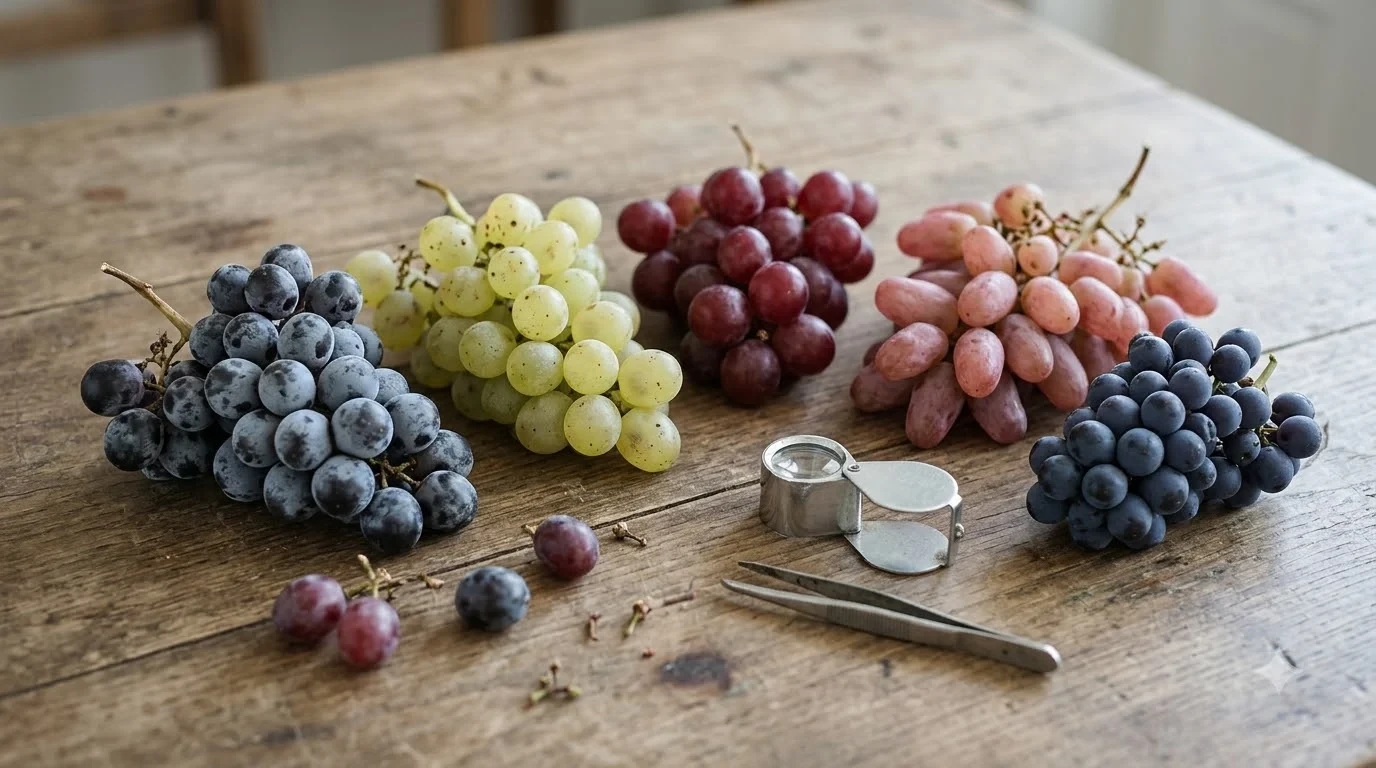
Shiraz and Syrah are two names for the exact same dark-skinned red wine grape, which originated in southeastern France rather than ancient Persia. A landmark 1998 DNA profiling study by researchers at the University of California, Davis and Montpellier proved that the variety is the natural offspring of Dureza, a dark-skinned grape from the Ardèche, and Mondeuse Blanche, a white grape from Savoie.
Before genetic testing put old rumors to rest, wine writers frequently speculated that returning Crusaders had carried vines from the Iranian city of Shiraz back to France’s Rhône Valley. Others pointed to phonetic similarities with Syracuse in Sicily or Roman-era accounts of a dark grape grown near Vienne. While those stories added plenty of romance to bottle labels, ampelographers now confirm that the variety is thoroughly French in ancestry, likely originating in the northern Rhône-Alpes region centuries ago.
In its ancestral home along the steep granite slopes of the northern Rhône, the grape earned international fame under the name Syrah in appellations like Hermitage and Côte-Rôtie. By the eighteenth and nineteenth centuries, wines from Hermitage were prized across Europe for their deep color, firm structure, and longevity, sometimes even blended into Bordeaux reds to add richness and color during weaker vintages. That reputation caught the eye of ambitious growers looking to establish fine viticulture in the Southern Hemisphere.
How Syrah Became Australia’s Signature Shiraz
The grape’s transformation from French Syrah to Australian Shiraz began in 1832, when Scottish viticulturist James Busby arrived in Australia carrying hundreds of European vine cuttings. Busby had toured vineyards across France and Spain, carefully collecting cuttings—including Syrah labeled under phonetic spellings such as “Scyras” and “Ciras”—and planted them in the Sydney Botanic Gardens and the Hunter Valley.
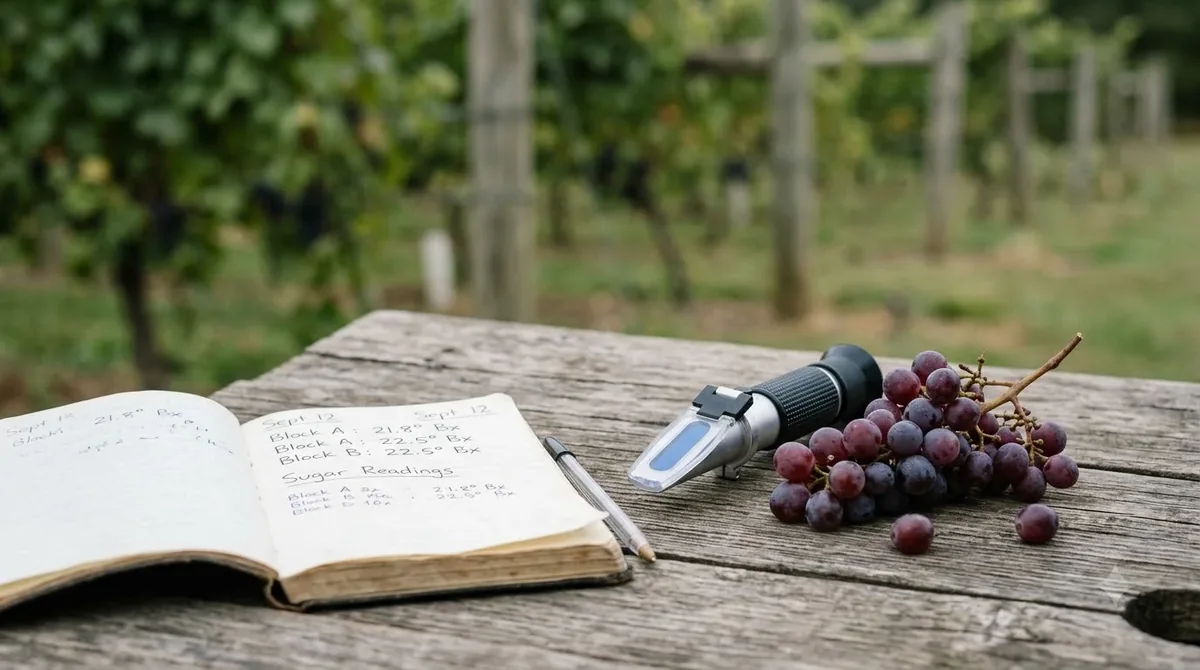
As those vines spread across New South Wales, Victoria, and South Australia during the mid-nineteenth century, local accents and inconsistent record-keeping gradually shifted “Scyras” and “Ciras” into “Shiraz.” The variety thrived in Australia’s warm, sunny climate, quickly proving hardy and productive for early colonial growers. During the nineteenth and early twentieth centuries, much of Australia’s harvest went into fortified port-style wines, which dominated domestic tastes and British export markets at the time.
A crucial turning point in shiraz history occurred in the late nineteenth century, when the root-louse pest phylloxera devastated vineyards across Europe and parts of eastern Australia. Strict quarantine measures kept phylloxera out of South Australia, sparing regions such as the Barossa Valley and McLaren Vale. Because of that isolation, South Australia still preserves ungrafted, gnarled Shiraz vines planted as early as 1843 and 1847, making them some of the oldest continuously producing commercial grapevines on earth.
Modern table wine fame arrived in the 1950s thanks to Penfolds winemaker Max Schubert, who created Penfolds Grange after studying top Bordeaux winemaking techniques. Though initially dismissed by company executives, Schubert’s concentrated, oak-aged Shiraz proved capable of aging gracefully for decades and eventually won international acclaim. By the 1980s and 1990s, Shiraz had become Australia’s flagship export, introducing millions of drinkers worldwide to plush, ripe New World red wines.
Flavor Profile and Regional Styles
Although Syrah and Shiraz share identical DNA, climate and winemaking tradition create distinct regional personalities in the glass. Cooler regions produce structured, savory wines marked by black pepper and herbs, whereas warmer regions yield plush, full-bodied bottles packed with dark fruit and sweet spice.
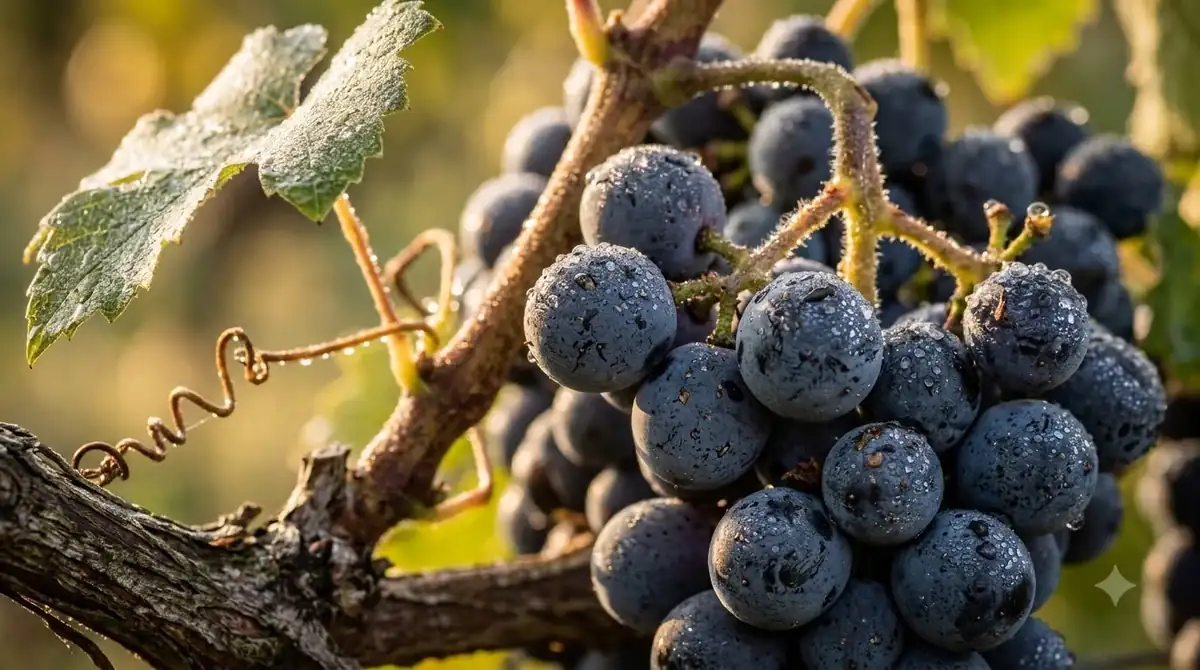
If you want to explore what does shiraz taste like in detail, start by comparing classic Australian zones with their French counterparts. Warm-climate Barossa Valley and McLaren Vale bottlings typically display intense aromas of blackberry, black plum, blueberry, milk chocolate, licorice, and sweet baking spices, often supported by aging in American or French oak barrels. Alcohol levels commonly reach between 13.5% and 15.5% ABV, giving these wines a velvety texture and warming finish.
Cooler regions tell a very different story, even within Australia itself. Vineyards in Victoria’s Pyrenees, the Adelaide Hills, and Margaret River produce medium-to-full-bodied wines with brighter natural acidity, red and blue fruit notes, and pronounced cracked black pepper. Many modern Australian winemakers in these cooler districts even label their bottles as “Syrah” rather than “Shiraz” to signal a more restrained, northern Rhône-inspired style, just as producers in New Zealand’s Hawke’s Bay and Washington’s Walla Walla Valley frequently do. Unlike lighter-bodied reds covered in our guide to pinot noir history, Shiraz always brings deep purple-black color and substantial tannic grip.
| Style / Origin | Typical Label Name | Dominant Flavors | Body & Structure |
|---|---|---|---|
| Warm-Climate Australia (Barossa, McLaren Vale) | Shiraz | Blackberry jam, black plum, chocolate, licorice, sweet spice | Full-bodied, plush tannins, higher ABV (14% to 15.5%) |
| Cool-Climate Australia (Adelaide Hills, Victoria) | Shiraz or Syrah | Blueberry, black cherry, cracked black pepper, dried herbs | Medium-to-full-bodied, vibrant acidity, finer tannins |
| Northern Rhône, France (Hermitage, Côte-Rôtie) | Syrah | Blackberry, olive tapenade, smoked meat, violet, white pepper | Medium-to-full-bodied, firm tannins, earthy minerality |
| Rhône-Style Blends (Southern France, Australia) | GSM (Grenache-Syrah-Mourvèdre) | Ripe raspberry, dark plum, garrigue herbs, leather, spice | Medium-to-full-bodied, balanced fruit and savory depth |
Where Shiraz Grows Around the World
Today, the grape ranks among the world’s most widely planted red wine varieties, thriving across both hemispheres in regions that appreciate its heat tolerance and bold character. According to data compiled by Wine Folly, global plantings expanded dramatically from roughly 10,000 hectares in the 1980s to more than 180,000 hectares by the mid-2000s.
Australia remains the spiritual and statistical heartland of Shiraz, where the grape accounts for nearly half of all red wine plantings nationwide. South Australia leads production with iconic regions including the Barossa Valley, Eden Valley, McLaren Vale, and Clare Valley, while Victoria and New South Wales contribute historic estates in Heathcote and the Hunter Valley. Across these districts, producers bottle everything from approachable, fruit-driven everyday reds to single-vineyard, century-old-vine collectibles.
Beyond Australia and France, the variety has established strong footholds in South Africa, the United States, Chile, and New Zealand. South African winemakers in Stellenbosch and Swartland produce expressive Shiraz that bridges New World ripeness with earthy, savory complexity. In California and Washington State, the “Rhône Rangers” movement of the 1980s and 1990s championed Syrah plantings across Paso Robles, Santa Barbara County, and the Columbia Valley, demonstrating how well the grape adapts to diverse American soils and microclimates.
How to Serve and Pair Shiraz
Serving Shiraz slightly below room temperature and pairing it with richly seasoned dishes allows its dark fruit and peppery spice to shine without feeling heavy. Proper aeration also softens its naturally firm tannins, especially in younger, oak-aged bottlings.
As Wine Enthusiast notes, the ideal serving temperature for Shiraz and Syrah is between 60°F and 65°F (15°C to 18°C). Standard American room temperature hovers closer to 68°F or 70°F, which can make high-alcohol styles taste overly warm or jammy. Placing a bottle in the refrigerator for 15 to 20 minutes before pouring brings the wine right into its sweet spot, while serving it in a large-bowled red wine glass gives its complex aromas room to open up.
At the dinner table, Shiraz is one of the most food-friendly Wine by Type options for bold, savory cooking. Its plush dark fruit and natural peppery streak stand up effortlessly to grilled ribeye steaks, slow-smoked brisket, barbecue ribs, and herb-crusted rack of lamb. It also shines alongside spiced dishes such as lamb shawarma, Indian tandoori meats, hearty beef stews, and aged hard cheeses like sharp cheddar or Manchego.
Tip: Decant young, full-bodied Shiraz for 30 to 60 minutes before dinner to soften firm tannins and release hidden layers of dark fruit, spice, and cocoa.
Frequently Asked Questions
Are Shiraz and Syrah the exact same grape?
Yes, Shiraz and Syrah are genetically identical and refer to the exact same dark-skinned grape variety originating in France’s Rhône Valley. Winemakers generally use the name Shiraz for fuller, riper, fruit-forward styles popularized in Australia, and Syrah for leaner, more peppery and savory expressions.
Did Shiraz originally come from the city of Shiraz in Iran?
No, despite a popular historical legend claiming Crusaders brought the vine from Persia to France, 1998 DNA testing proved the grape is native to southeastern France. Researchers confirmed it is a natural cross between two obscure French varieties, Dureza and Mondeuse Blanche.
Why does Australia have some of the oldest Shiraz vines in the world?
Strict agricultural quarantine laws prevented the destructive root-louse pest phylloxera from reaching South Australia in the late nineteenth century. As a result, regions like the Barossa Valley still cultivate original, ungrafted Shiraz vines planted in the 1840s.
How long can a good bottle of Shiraz age?
Most everyday, fruit-forward Shiraz bottles are crafted to be enjoyed within three to five years of the vintage date. However, structured, old-vine, or cool-climate examples from top producers can easily cellar for 10 to 20 years or longer, developing savory notes of leather, earth, and dried herbs.
From its humble genetic roots in southeastern France to the ancient, sun-drenched vineyards of South Australia, shiraz history is a story of adaptation across continents. Whether you reach for an opulent Barossa Valley classic or a peppery cool-climate bottling, understanding the grape’s journey makes every glass far more rewarding to explore.
More in Wine Types & Grapes
 What Does Mourvèdre Taste Like? Flavor Profile, Regions, and PairingsUpdated Nov 20, 2026
 What Does Marsanne Taste Like? Flavors, Styles, and Food PairingsUpdated Nov 20, 2026
 What Does Malvasia Taste Like? Styles, Flavors, and Food PairingsUpdated Nov 20, 2026
 What Does Grenache Blanc Taste Like? Flavor Profile, Styles, and PairingsUpdated Nov 20, 2026
 What Does Garnacha Taste Like? Key Flavors, Styles, and Pairing TipsUpdated Nov 20, 2026
 What Does Fruit Wine Taste Like? A Complete Flavor and Style BreakdownUpdated Nov 20, 2026