

We may earn a commission when you buy through links on this page, at no extra cost to you. Learn more.
In South Australia, the eden valley wine region is best known for high-altitude Riesling and elegant Shiraz shaped by cooler conditions than the neighboring Barossa Valley. Its hills, varied soils, and long-established vineyards also produce distinctive Chardonnay and Cabernet Sauvignon. For wine drinkers, the key is to look beyond the Barossa name and understand the cooler sites and grape varieties that give Eden Valley its own identity.
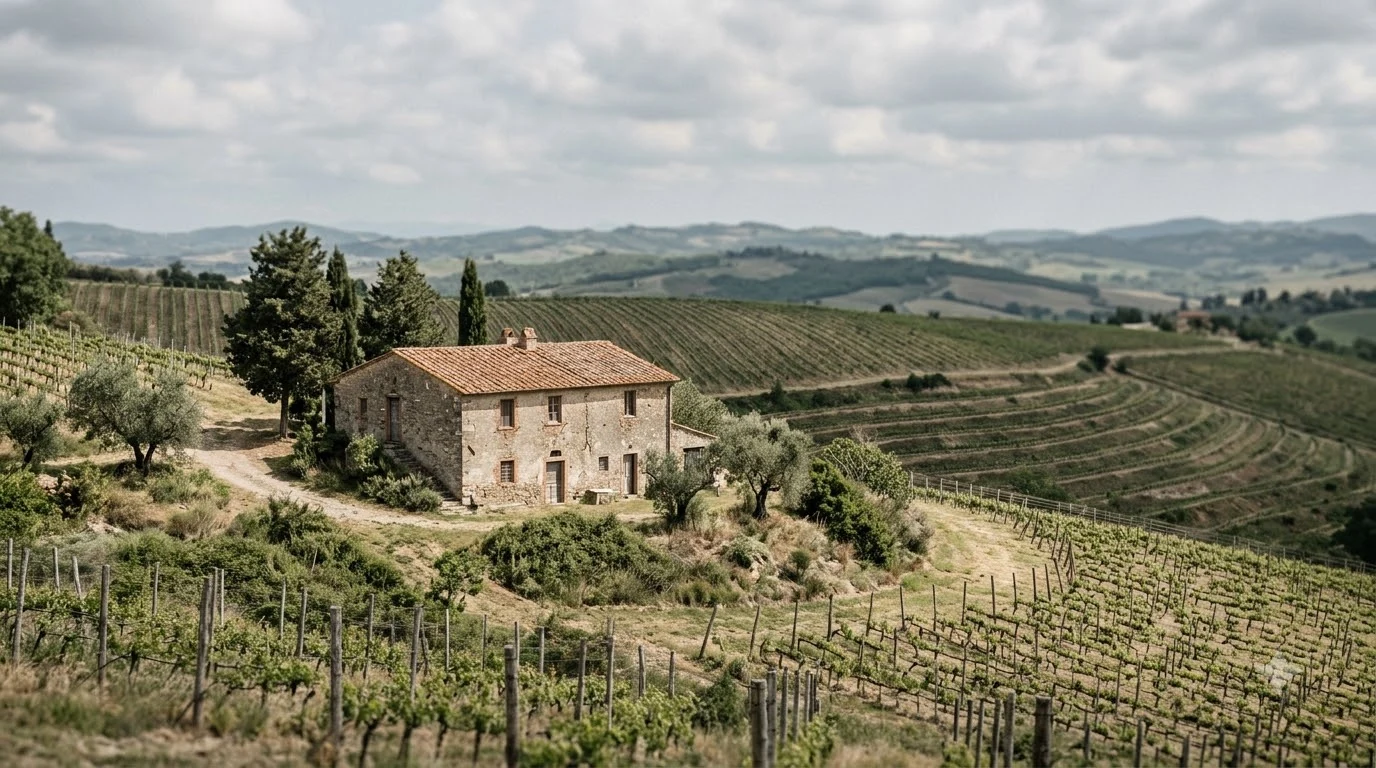
Set in the Barossa Ranges northeast of Adelaide, Eden Valley is a compact but varied wine landscape of rolling hills, exposed slopes, old vineyards, and small cellar doors. Riesling is the clearest calling card, but the region rewards exploration across white and red varieties. Understanding its geography, climate, and major styles makes it easier to choose a bottle, plan a tasting, or compare Eden Valley with other wine regions.
Where Eden Valley Sits Within the Barossa
Eden Valley lies just east of the Barossa Valley and northeast of Adelaide, in the high country of South Australia’s Barossa Ranges. The two regions belong to the Barossa Zone, but they are separate wine regions with different growing conditions and recognizable wine styles.
The Barossa Zone received official geographical indication recognition in 1997 and includes the Barossa Valley and Eden Valley regions. The Barossa Valley is widely associated with generous, full-bodied reds, while Eden Valley’s greater altitude and cooler climate favor aromatic Riesling and a more restrained expression of Shiraz. High Eden is the Barossa Zone’s only officially declared subregion within Eden Valley, giving some wines an additional place designation. A regional name therefore tells you more than which side of a valley a vineyard occupies: it identifies a legally recognized origin with its own growing profile.
Wine Australia describes the Eden Valley GI as covering 591 square kilometers, with vineyards spread across a broad elevation range. The region is not one uniform slope: southern sites can be substantially cooler than vineyards farther north around Keyneton. In practical terms, a wine’s village or vineyard origin can help explain why one Riesling is taut and citrus-driven while another has riper fruit or a broader texture. Eden Valley is also close enough to the Barossa Valley for visitors to explore both in one trip, with the drive from Adelaide taking about an hour according to South Australian tourism information.
Altitude, Climate, and Soils Shape the Wines
Eden Valley’s higher, cooler sites slow the final stages of grape ripening compared with the warmer Barossa Valley floor. Elevation, slope, and aspect create meaningful differences between vineyards, while a mix of loamy, clay-rich, and gravelly soils adds further variation.
Wine Australia reports elevations from 219 to 632 meters across the region and growing-season rainfall of 229 millimeters. The southern vineyards around Pewsey Vale, Heggies, and High Eden sit at about 500 meters, while Henschke vineyards near Keyneton are around 380 to 400 meters. Those differences can influence ripening pace and the balance between fresh acidity and ripe fruit. Overall growing-season temperatures are significantly lower than in the Barossa Valley, and the final ripening period and harvest take place in cooler conditions.
Soils vary rather than following a single regional template. Wine Australia describes common grey-to-brown soils ranging from loamy sand to clay loam, with ironstone gravel, quartz gravel, and rock fragments appearing at the surface and below it. Some slopes have weaker sandy soils over weathered mica-schist, with lower water-holding capacity. These differences affect vine vigor and water management, so growers match grape variety and vineyard work to the individual site instead of assuming every Eden Valley block behaves in the same way.
| Regional measure | Reported figure | Why it matters |
|---|---|---|
| Geographical indication area | 591 sq km | Shows the scale of the defined region |
| Total vineyard area | 2,169 ha | Indicates a relatively compact wine-growing footprint |
| Vineyard elevation | 219–632 m | Creates varied ripening conditions across sites |
| Growing-season rainfall | 229 mm | Makes site and water management important |
| Southern high-country vineyards | About 500 m | Includes Pewsey Vale, Heggies, and High Eden |
| Keyneton-area Henschke vineyards | About 380–400 m | Provides a comparison with higher southern sites |
Riesling Is the Region’s Signature White Wine
Riesling is Eden Valley’s most important white grape, prized for bright citrus aromas, lively acidity, and the ability to develop savory complexity with bottle age. Young examples commonly show lemon and lime, while mature bottles can move toward marmalade and toast.
Wine Australia describes Eden Valley Riesling as having strong lime-juice aromas and an intense palate. The style is often dry, with a clean line of acidity that gives the wine energy rather than heaviness. Wine Australia notes that good examples can take ten years or more to reach their peak, developing marmalade and toasty nuances as they age. A mature bottle is not simply an older version of a young wine: its aromas can become more layered while acidity helps preserve freshness.
Riesling is also a useful grape for learning how dry wine can seem fruity without being sweet. Lemon, lime, green apple, and floral aromas can create an impression of fruitiness, but the finish may remain crisp and dry. Serve it around 45–50 F to keep the wine refreshing without muting its aromas as much as a very cold pour can. At the table, match its acidity with oysters, prawns, grilled white fish, sushi, roast pork, or dishes with citrus and herbs. A slightly off-dry style can be helpful with mild spice, but chili heat is amplified by alcohol and tannin, so avoid pairing a hot dish with a high-alcohol or tannic wine. For dessert, choose a wine at least as sweet as the food; a dry Riesling will taste sharper beside a sugary dish.
Tip: Buy one Eden Valley Riesling to drink young and a second bottle to set aside. Record the vintage and producer, then revisit the other after several years to follow how citrus aromas turn toward toast and marmalade.
Shiraz and Cabernet Show the Red-Wine Side
Shiraz is Eden Valley’s leading red grape, but its profile differs from the broad, powerful style many drinkers associate with the Barossa Valley. The region also makes Cabernet Sauvignon with dark-fruit character, and both varieties reflect the contrast between warmer village sites and cooler, higher vineyards.
Wine Australia describes Eden Valley Shiraz in terms of plum and blackberry, with touches of licorice and game-like or forest notes. Rather than relying on pronounced pepper and spice, the wines are often smooth, with ripe tannins that feel integrated. Cabernet Sauvignon offers another perspective: around Eden Valley village, the fruit can be cassis-led, while higher, cooler sites can show more elegant green-leaf and dark-berry notes. That contrast helps explain why the region should not be reduced to a single flavor profile.
At the table, Eden Valley Shiraz is a natural partner for grilled lamb, beef, sausages, and roasted mushrooms; Cabernet Sauvignon is well suited to grilled steak, roast lamb, and aged hard cheeses. Salt and fat soften tannin, which helps explain why structured reds work with well-seasoned meat, while tannic reds can clash with oily fish. Serve fuller-bodied examples at about 60–65 F. If a young Shiraz or Cabernet is concentrated and tightly wound, give it 30–60 minutes in a decanter and taste as it opens; softer, earlier-drinking examples may need little or no decanting.
Chardonnay and Other Varieties Add Range
Although Riesling and Shiraz define Eden Valley’s reputation, Chardonnay and Cabernet Sauvignon are established parts of the region’s identity, and growers also cultivate Sauvignon Blanc, Semillon, Pinot Gris, and Merlot. These wines add options for the table and offer a broader view of the region’s cooler sites.
Chardonnay arrived later than the region’s older Riesling and Shiraz plantings. Wine Australia identifies Mountadam as the site of South Australia’s first commercial Chardonnay vineyards, established in 1973. Eden Valley Chardonnay can be rich and complex, with flavors that include melon, fig, and cashew. For food, it works with roast chicken, pork, mushrooms, creamy pasta, and richer seafood preparations. Match the wine’s body to the dish: a fuller Chardonnay can handle a butter sauce, while a fresher example may be better beside grilled fish with lemon. Serve fuller whites at approximately 50–55 F.
Sauvignon Blanc and Semillon provide further options for drinkers who prefer high-acid whites, while Pinot Gris can offer a softer, rounder alternative depending on how it is made. Merlot adds another red-grape choice for people who want softer tannins than Cabernet Sauvignon. These varieties are not all equally prominent, so the grape named on the label is more useful than assuming every bottle has the same regional signature. For a first purchase, Riesling and Shiraz remain the clearest starting points, followed by Chardonnay for a richer white. Comparing a Riesling with Chardonnay, then Shiraz with Cabernet Sauvignon, reveals differences in acidity, body, fruit, and tannin.
How to Taste, Serve, Store, and Visit
A thoughtful tasting of Eden Valley is easiest when you compare the region’s leading grapes at the right temperatures and pay attention to where each wine comes from. Visiting the area adds another layer, because cellar doors and vineyard settings place the cool-climate styles in their high-country landscape.
For an at-home tasting, pour a dry Riesling first, then Chardonnay, followed by Shiraz and Cabernet Sauvignon. Use a standard 5-ounce pour; a 750-milliliter bottle yields about five glasses. Serve light whites around 45–50 F, fuller whites around 50–55 F, and fuller reds around 60–65 F. Note whether Riesling shows lemon and lime or has developed toast and marmalade; with Shiraz, look for plum, blackberry, and savory detail. Keep bottles on their sides in a cool, stable place near 55 F, away from direct light and temperature swings. After opening, refrigerate still wines and aim to finish them within three to five days. A young full-bodied red may benefit from 30–60 minutes in a decanter, while an older or delicate wine may need less air.
South Australian tourism lists tasting stops including Fernfield, Brockenchack, Flaxman, and Henschke, and describes Eden Valley as about an hour from Adelaide. Confirm opening arrangements directly with each cellar door before setting out, since small regional venues may operate by appointment or on limited days. When planning a two-region trip, taste Eden Valley alongside the Barossa Valley and compare the same grape where possible. A Shiraz flight can reveal differences in fruit weight and tannin; a Riesling comparison can highlight the balance between ripeness and acidity. For readers exploring other appellations, the alexander valley wine region provides an American point of comparison for a geographically defined wine identity, while the yadkin valley wine region is another place to consider when learning how regional conditions shape wine styles. The broader Wine Regions directory can help place Eden Valley alongside other established and emerging areas.
For more on the vineyards and producers behind the name, the eden valley vineyards overview is a useful next step. Visitors can also explore the official Eden Valley visitor information for local cellar-door ideas, while Wine Australia’s regional profile provides the technical background on climate, soil, grape varieties, and vineyard elevation.
Frequently Asked Questions
These answers clarify the region’s local name, its geographical indication terminology, and the cultural history connected with the Barossa landscape.
Why is Eden Valley sometimes called the Garden of Grape and Gums?
The phrase refers to its vineyard-covered hills and stands of old gum trees, a landscape feature highlighted in South Australian tourism material. It is a descriptive nickname rather than a formal geographical indication or wine classification.
Where did the name Eden Valley come from?
South Australian tourism material says early settlers carved the word “Eden” into a tree in 1847, and the name subsequently became associated with the district. That local naming story is separate from the region’s later formal wine appellation status.
Can a bottle say Barossa if its grapes come from Eden Valley?
Barossa is the umbrella zone name, while Eden Valley and Barossa Valley are distinct regions within it. Label terminology depends on the wine’s origin and the applicable geographical indication rules, so a producer may use a broader zone reference when the wine qualifies for that designation.
What does GI mean on an Australian wine label?
GI stands for Geographical Indication, a protected place name used to identify where grapes or wine originate. In the Barossa structure, the zone contains regions and a region can contain a declared subregion; these terms describe geographic levels rather than a ranking of wine quality.
Which traditional communities are acknowledged in the Barossa?
Barossa Australia acknowledges the Ngadjuri, Peramangk, and Kaurna peoples as the Traditional Custodians of the land that shapes the region. Their continuing cultural heritage, knowledge, and connection to Country are part of the area’s story beyond vineyards and wine production.
The Eden Valley wine region is a rewarding choice for drinkers who value aromatic whites, structured but balanced reds, and the way a cooler high-country setting shapes familiar grapes. Start with Riesling and Shiraz, then explore Chardonnay and Cabernet Sauvignon to see how individual sites broaden the picture. A comparison with the neighboring Barossa Valley makes the region’s distinct identity especially clear.
More in Wine Regions
 Willcox Wine Trail: Discover Arizona’s High-Elevation Wine CountryUpdated Nov 20, 2026
 Yakima Valley Wine Region: Find the Best Styles to TryUpdated Nov 20, 2026
 Vosne Romanee Wine Tasting: Identify Aromas and Choose Better PairingsUpdated Nov 20, 2026
 Yakima Valley Wine Festival: Find the Best Seasonal Wine EventsUpdated Nov 20, 2026
 Wales Vineyards: Discover Cool-Climate Wines and Where to VisitUpdated Nov 20, 2026
 Yountville Wine Festival: Discover Napa Wines and Local FoodUpdated Nov 20, 2026