

We may earn a commission when you buy through links on this page, at no extra cost to you. Learn more.
Great southern vineyards are located across five distinctive subregions of Western Australia’s Great Southern wine region, producing some of Australia’s finest cool-climate Riesling, Shiraz, Cabernet Sauvignon, Chardonnay, and Pinot Noir. Stretching from the Southern Ocean coastline to inland valleys and mountain landscapes, these vineyards benefit from varied temperatures, elevations, and soils. Understanding the differences between Albany, Denmark, Frankland River, Mount Barker, and Porongurup makes it easier to discover wines that reflect their individual growing environments.
Western Australia’s Great Southern is a compelling destination for anyone interested in cool-climate Australian wine. Its vineyards are spread across a remarkably large geographical area, and the wines can differ considerably depending on where the grapes grow. Coastal vineyards produce fresh, restrained styles, while inland sites can develop more concentrated fruit and structured reds. From historic vineyard plantings near Mount Barker to the celebrated Riesling sites of Porongurup and Frankland River, the region offers plenty to explore.
Understanding the Great Southern Vineyard Landscape
Great Southern is one of Australia’s largest wine-growing regions, distinguished by its cool climate and five geographically separated subregions. Its combination of coastal influences, inland temperature changes, and varied elevations allows growers to cultivate several grape varieties successfully.
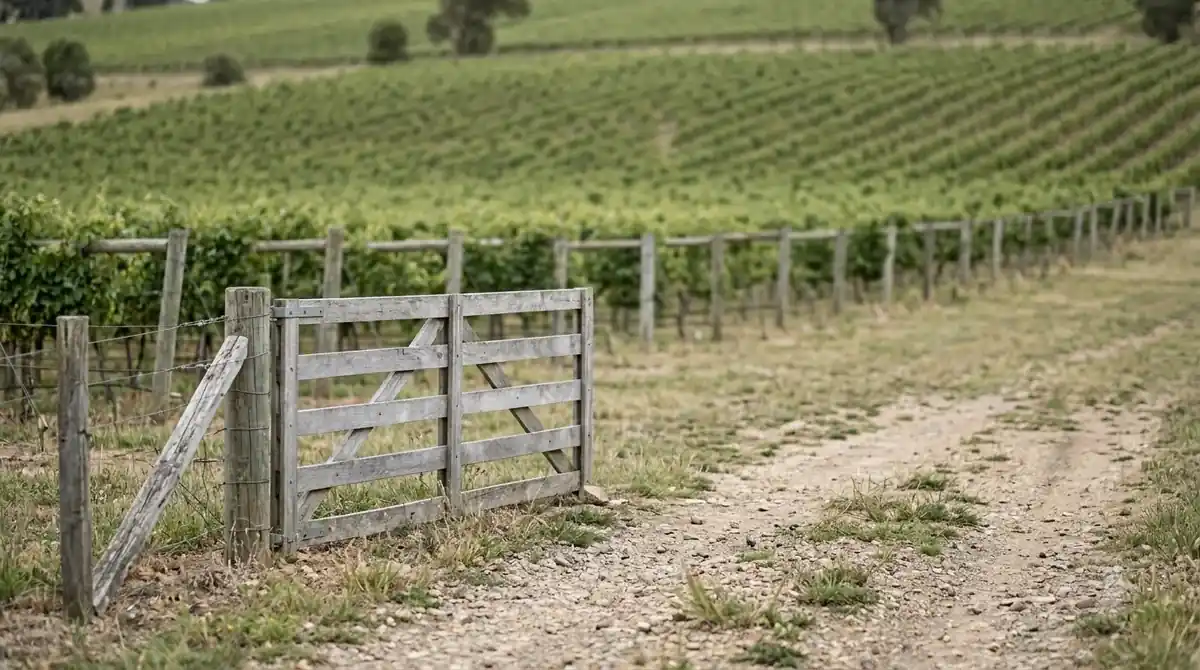
The region lies along the southern coast of Western Australia, extending approximately 100 kilometers from north to south and 150 kilometers from east to west. According to Wine Australia’s Great Southern regional profile, its geographical indication covers 17,131 square kilometers and contains approximately 2,545 hectares of vineyards. These figures help explain why Great Southern cannot be understood as a single, uniform vineyard environment.
The Southern Ocean influences the coastal vineyards around Albany and Denmark. Cool maritime conditions moderate temperatures, while rainfall and humidity generally increase toward the southern coastline. Moving inland and northward, continental influences become stronger, creating greater differences between daytime and nighttime temperatures.
Elevation also contributes to vineyard variation. Wine Australia’s regional snapshot identifies an altitude range from sea level to 1,083 meters. This variation creates opportunities for growers to select sites according to the temperature requirements and growing characteristics of individual grape varieties.
The region’s soils are another important influence. Many vineyards occupy lateritic gravelly sandy loams or sandy loams derived from granite and gneissic bedrock. These soils vary in clay content, drainage characteristics, and fertility, giving vineyard managers different conditions to consider when selecting rootstocks and managing vines.
Great Southern is also historically important to Western Australian winemaking. Although early vine planting is traditionally associated with 1859, modern commercial development gained momentum during the 1960s. Forest Hill’s trial vineyard plantings near Mount Barker in 1965 helped establish the region’s reputation, and the Great Southern geographical indication was registered in 1996.
For wine enthusiasts, the most useful starting point is to recognize the five subregions rather than treating every bottle carrying the Great Southern designation as interchangeable. A Riesling from Porongurup may have a different expression from one grown in Frankland River, even though both share the region’s broader cool-climate identity.
The Five Subregions and Their Vineyard Characteristics
Each of Great Southern’s five subregions has a recognizable combination of climate, geography, and grape varieties. Understanding these differences provides a practical way to compare vineyard locations and select wines with particular characteristics.
Albany and Denmark occupy the coastal southern areas, while Frankland River, Mount Barker, and Porongurup extend farther inland. Their contrasting environments create a range of wine styles within one geographical indication.
| Subregion | Climate | Signature varieties | Typical wine character |
|---|---|---|---|
| Albany | Maritime | Chardonnay, Pinot Noir, Shiraz | Fresh, balanced, aromatic |
| Denmark | Cool maritime | Riesling, Chardonnay, Pinot Noir | Refined, crisp, elegant |
| Frankland River | Inland continental | Shiraz, Cabernet Sauvignon, Riesling | Concentrated, structured, fresh |
| Mount Barker | Cool inland | Riesling, Shiraz, Cabernet Sauvignon | Structured, complex, aromatic |
| Porongurup | Cool elevated | Riesling, Pinot Noir, Chardonnay | Pure, mineral, delicate |
Albany: Coastal Diversity
Albany is one of the region’s most geographically distinctive vineyard areas. Its maritime climate is influenced by the Southern Ocean, creating conditions suitable for both red and white grapes. Chardonnay, Sauvignon Blanc, Pinot Noir, and Shiraz are among the varieties associated with the area.
Vineyard sites around Albany benefit from coastal moderation, which helps preserve freshness and acidity. Chardonnay can show citrus characteristics and restrained fruit, while Pinot Noir offers an opportunity for delicate red wines with balanced acidity. The diversity of varieties makes Albany an interesting starting point for comparing coastal Great Southern wines.
Denmark: Cool-Climate Refinement
Denmark lies west of Albany and is another important coastal wine-growing area. Its cooler maritime conditions, steep hills, and valleys create different vineyard microclimates. Chardonnay and Riesling are particularly important, while Pinot Noir is also grown successfully.
The area’s cool growing conditions are especially useful for producing grapes destined for sparkling wine. Chardonnay and Pinot Noir provide the foundation for sparkling base wines, where natural acidity and restrained fruit development are desirable. Denmark is therefore an important subregion for drinkers interested in elegant whites and traditional-method sparkling styles.
Frankland River: Inland Structure
Frankland River is the largest, warmest, and most inland of the five subregions. Its isolated location, long sunlight hours, cool nights, and gravelly loam soils contribute to concentrated wines that can retain freshness.
Shiraz and Cabernet Sauvignon are particularly important here. Shiraz can display black cherry, plum, pepper, and savory spice, while Cabernet Sauvignon develops deeper fruit flavors and firm tannin. Frankland River is also recognized for Riesling, demonstrating that its inland conditions support both structured reds and expressive whites.
Mount Barker: A Historic Wine Center
Mount Barker played a central role in establishing modern Great Southern winemaking. Forest Hill’s vineyard trials began in 1965, and the first Riesling and Cabernet Sauvignon wines from those plantings followed in 1972.
The area’s cooler inland conditions are associated with structured Riesling and Shiraz. Riesling can show citrus and herbal notes, while Shiraz often combines ripe fruit with peppery and savory characteristics. Mount Barker also offers opportunities for Cabernet Sauvignon and Chardonnay, making it one of the region’s most versatile vineyard areas.
Porongurup: Elevated Riesling Country
Porongurup is particularly recognized for its Riesling vineyards. The area’s mountain surroundings and elevated sites help create conditions for wines with freshness, purity, and pronounced aromatic definition.
Riesling is the leading variety to explore here. Young examples commonly show citrus, lime, and herbal characteristics, with acidity providing structure for extended development. Pinot Noir and Chardonnay also feature in the broader subregional wine landscape.
Comparing bottles from these five locations provides a useful introduction to the diversity of Great Southern. For a broader geographical overview, the Great Southern wine region resource provides additional context about the area’s wine-growing identity.
Signature Grapes Grown Across Great Southern Vineyards
Riesling, Shiraz, and Cabernet Sauvignon are among the defining grape varieties of Great Southern, supported by Chardonnay and Pinot Noir. Each variety responds differently to the region’s coastal exposure, inland temperatures, and vineyard elevations.
Riesling is particularly important because the region produces wines with both immediate appeal and considerable aging potential. Young bottles are generally crisp and lean, with citrus flavors and herbal undertones. With bottle development, these wines can acquire more complex aromas and flavors while retaining their characteristic acidity.
Wine Australia’s regional description identifies Riesling as one of the region’s most important wines and notes that examples frequently require ten years or more to approach their peak development. This makes Great Southern particularly interesting for collectors who enjoy following white wines over time.
Shiraz and Cabernet Sauvignon
Great Southern Shiraz offers an alternative to the fuller, more powerful expressions associated with some warmer Australian regions. Its regional character often combines black cherry, plum, pepper, licorice, and savory spice. Oak treatment varies between producers, but well-balanced use of barrels can complement the fruit without overwhelming it.
Cabernet Sauvignon is another important variety, particularly in inland locations such as Frankland River. These wines commonly feature dark fruit, firm tannins, and structured finishes. Their concentration and acidity can make them suitable candidates for extended cellaring.
For comparison, Cabernet Sauvignon generally has higher tannin than Merlot, while Pinot Noir usually has lower to medium tannin and relatively high acidity. These differences are useful when selecting Great Southern wines for meals or comparing the region’s red wine styles.
Chardonnay and Pinot Noir
Chardonnay from Great Southern can range from restrained coastal expressions to more powerful inland examples. Grapefruit and citrus characteristics are common reference points, while texture and oak influence depend on the producer’s approach. Southern wines can be finer and softer, whereas northern examples may show more power.
Pinot Noir is strongly associated with the southern areas around Denmark and Albany. However, Mount Barker has also produced interesting examples in cooler growing seasons. The variety’s relatively delicate tannins and bright acidity make it a useful alternative for people who prefer lighter red wines.
Sauvignon Blanc is another variety worth exploring, particularly in coastal vineyards. Its refreshing acidity and aromatic character offer a different perspective on the region’s white wine production.
Tip: Start with a dry Porongurup or Mount Barker Riesling, then compare it with a Frankland River Shiraz. These two bottles provide an excellent introduction to the contrast between Great Southern’s aromatic whites and structured inland reds.
Notable Vineyards and Producers to Know
Great Southern has an established group of producers whose vineyards help demonstrate the region’s different growing conditions. Forest Hill, Frankland Estate, Alkoomi, Duke’s Vineyard, and Plantagenet are useful names to recognize when exploring the area.
Forest Hill has particular historical significance. Its trial vineyard plantings began near Mount Barker in 1965, and its commercial vineyard history is closely associated with the development of regional Riesling. Its wines provide an opportunity to explore the relationship between vineyard location, cool growing conditions, and restrained winemaking.

Forest Hill
Forest Hill is especially associated with Riesling and the Mount Barker area. Its vineyard history makes it an important reference point for understanding the establishment of modern Great Southern wine production.
The producer’s Riesling wines are notable for their citrus-driven character and mineral impressions. Single-vineyard expressions also demonstrate how individual blocks can produce distinct characteristics within the same broader vineyard property.
Frankland Estate and Alkoomi
Frankland Estate and Alkoomi are two important names associated with Frankland River. Their location provides an opportunity to understand how inland conditions influence the structure and concentration of Great Southern wines.
Frankland River’s ironstone soils and significant day-to-night temperature changes contribute to wines that combine concentrated fruit with freshness. Riesling, Shiraz, and Cabernet Sauvignon are particularly useful varieties for comparing the styles associated with this area.
Duke’s Vineyard and Porongurup Producers
Duke’s Vineyard is a notable producer associated with the Porongurup area. Its Riesling wines help demonstrate why the subregion has developed a strong reputation for aromatic white wines.
The area’s mountain surroundings and cooler vineyard conditions are important influences on grape development. Riesling remains the natural starting point, although the wider Great Southern region also supports Pinot Noir, Chardonnay, and other varieties.
Plantagenet and the Region’s Wine History
Plantagenet is another significant name in the region’s development. Its historical position helps illustrate how the region developed from early experimental vineyard plantings into a recognized Australian wine-producing area.
Alongside established wineries, newer and smaller producers continue to explore different grape varieties and winemaking approaches. The Great Southern regional wine association’s overview provides further information about the five subregions, their history, and the producers operating across the area.
Wine enthusiasts looking for additional producers can also investigate Swinney, Singlefile, Castle Rock, and Alkoomi. Comparing wines from several producers rather than relying on a single winery provides a more complete understanding of the regional differences.
Climate, Soils, and Vineyard Management
Great Southern’s vineyard character is closely connected to its changing climate and geology. Coastal moderation, inland temperature differences, elevation, and soil composition all influence grape ripening and the final character of the wine.
The Southern Ocean plays an important role in the southern subregions. Around Denmark and Albany, maritime conditions help moderate temperature extremes and support varieties that benefit from a longer, cooler growing environment. These conditions are particularly useful for Riesling, Chardonnay, and Pinot Noir.
Inland locations experience greater continental influence. Frankland River, for example, has substantial day-to-night temperature differences. Warm daytime conditions support ripening, while cooler nights help preserve freshness and aromatic definition.
According to Wine Australia’s regional information, the growing-season rainfall figure is approximately 251 millimeters. However, rainfall distribution and humidity vary across the region, so individual vineyards can experience noticeably different conditions.
Soil Composition and Drainage
Lateritic gravelly sandy loams are common in Great Southern. These soils are associated with weathered geological materials and can contain different proportions of gravel, sand, and clay.
Other vineyards occupy sandy loams derived from granite and gneissic bedrock. Such variations affect water availability, drainage, root development, and vineyard management decisions.
In Frankland River, ironstone-rich soils are an important part of the area’s vineyard identity. These geological characteristics, combined with the inland climate, contribute to the concentration and structure associated with its red wines.
Elevation and Vineyard Site Selection
Elevation is another consideration when evaluating vineyard sites. With the regional altitude range extending from sea level to 1,083 meters, the difference between coastal and elevated locations can be substantial.
Higher sites may experience cooler temperatures and different wind exposure, influencing flowering, ripening, and harvest decisions. Vineyard managers must consider slope direction, drainage, frost exposure, and seasonal weather when deciding which grape varieties are most suitable.
This attention to site selection helps explain why Great Southern can produce both crisp, aromatic whites and structured reds despite its broad reputation as a cool-climate region.
Choosing, Serving, and Pairing Great Southern Wines
Great Southern wines offer several styles for different occasions, from refreshing Riesling to structured Cabernet Sauvignon and elegant Pinot Noir. Choosing the right bottle depends on the grape variety, subregion, food pairing, and preferred serving temperature.
For a first purchase, Riesling is one of the clearest expressions of the region’s identity. A dry example from Porongurup or Mount Barker provides freshness and citrus character, while a Frankland River Riesling offers an opportunity to compare a more inland expression.
For red wine drinkers, Shiraz is an excellent starting point. Its pepper, spice, and dark-fruit characteristics work well with grilled lamb, roast beef, and barbecue dishes. Cabernet Sauvignon is another strong option, particularly for meals involving red meat or richer sauces.
Food Pairings for Different Varieties
Riesling works particularly well with seafood, grilled prawns, fresh salads, and dishes featuring aromatic herbs. Its high acidity can balance richer ingredients and complement food with citrus-based sauces.
Chardonnay is versatile with roast chicken, grilled fish, creamy pasta, and seafood dishes. The more restrained styles can pair especially well with shellfish and lighter preparations, while fuller expressions can support richer sauces.
Pinot Noir is a good match for roast duck, mushroom dishes, grilled salmon, and roast chicken. Its lower tannin compared with Cabernet Sauvignon makes it suitable for foods that might overwhelm a more heavily structured red.
Shiraz pairs well with grilled lamb, beef, mushrooms, and roasted vegetables. Cabernet Sauvignon is particularly suitable for steak, braised beef, and dishes with savory reductions. Salt and fat can soften the perception of tannin, helping structured reds feel more balanced alongside rich food.
For spicy dishes, lighter wines with moderate alcohol and fresh acidity are often easier to match than high-alcohol, tannic reds. For sweet dishes, choose a wine at least as sweet as the dessert to avoid making the wine seem overly acidic or thin.
Serving Temperatures
Serving temperature can change how a wine’s aromas, acidity, and structure are perceived. Great Southern whites generally benefit from cool serving temperatures, while lighter reds are more expressive when served slightly below typical room temperature.
| Wine style | Recommended temperature | Food suggestion |
|---|---|---|
| Riesling | 45–50°F | Seafood and fresh salads |
| Chardonnay | 50–55°F | Roast chicken and creamy pasta |
| Pinot Noir | 55–60°F | Duck and mushrooms |
| Shiraz | 60–65°F | Grilled lamb and beef |
| Cabernet Sauvignon | 60–65°F | Steak and braised beef |
A standard serving of still wine is approximately 5 ounces, meaning a 750-milliliter bottle provides around five glasses. Young, full-bodied Shiraz and Cabernet Sauvignon can benefit from 30 to 60 minutes of decanting, particularly when their tannins are pronounced.
For storage, keep bottles on their sides in a cool, dark environment near 55°F. Once opened, still wines generally keep for three to five days in the refrigerator when properly sealed. Sparkling wines are best consumed within one to three days, while fortified wines can last several weeks after opening.
Exploring the Region in Person
Visiting Great Southern requires more planning than touring a compact wine district. Its five subregions are spread across a large area, and the distances between cellar doors can make a single-day itinerary difficult.
Albany and Denmark provide a practical starting point for visitors interested in coastal scenery and maritime wines. Mount Barker and Porongurup offer opportunities to explore historic vineyard sites and aromatic whites, while Frankland River is particularly interesting for people who enjoy structured reds.
Allow time for travel between locations, and arrange cellar-door appointments where necessary. The region’s rural roads, changing terrain, and relatively dispersed wineries make a relaxed itinerary more rewarding than attempting to visit every subregion in one trip.
Wine-focused events can provide another introduction to local producers. The Great Southern wine festival is a useful resource for readers interested in regional wine celebrations and opportunities to discover different producers.
For further background on regional styles, grape varieties, and Australian wine geography, the broader Wine Regions section offers additional educational material.
Frequently Asked Questions
Are Great Southern vineyards suitable for organic viticulture?
Yes, the region has producers pursuing organic and environmentally conscious vineyard practices. Frankland Estate, for example, is identified by the regional wine organization as a certified organic, family-run producer. Certification and farming practices differ between individual vineyards, so the producer’s own information is the best source for specific claims.
What is the best season to visit Great Southern vineyards?
Autumn is particularly interesting because grape harvesting generally takes place during the early to late March period through April. Spring offers another appealing experience, with flowering landscapes and growing vines. Weather conditions vary between coastal Albany and inland Frankland River, so visitors should plan for regional differences.
How many wineries can visitors find in Great Southern?
The exact number depends on how wineries and operating cellar doors are counted. The regional wine organization identifies more than 70 producers across the broader region. The number of venues open for public tastings can be smaller, and opening arrangements vary between individual wineries.
Does Great Southern produce sweet Riesling?
Yes, although dry Riesling is an important regional style. Producers can make Riesling with different residual sugar levels, depending on harvesting decisions and fermentation choices. Sweetness should be distinguished from acidity: a wine can have noticeable residual sugar while still tasting fresh because of its natural acidity.
Can Great Southern wines be found outside Australia?
Yes, Great Southern wines are available through selected international importers and specialist wine retailers. Availability varies by producer, vintage, and distribution arrangements. American buyers may have more success searching for individual producers such as Plantagenet, Frankland Estate, Forest Hill, and Alkoomi than searching only for the regional designation.
Great Southern vineyards demonstrate how geography, climate, and careful grape selection can create distinctive wines within one large Australian region. From Porongurup Riesling and Denmark Chardonnay to Frankland River Shiraz and Mount Barker Cabernet Sauvignon, each subregion offers something different to discover. Exploring several producers and comparing their wines is one of the best ways to appreciate the character and diversity of Western Australia’s Great Southern.
More in Wine Regions
 Willcox Wine Trail: Discover Arizona’s High-Elevation Wine CountryUpdated Nov 20, 2026
 Yakima Valley Wine Region: Find the Best Styles to TryUpdated Nov 20, 2026
 Vosne Romanee Wine Tasting: Identify Aromas and Choose Better PairingsUpdated Nov 20, 2026
 Yakima Valley Wine Festival: Find the Best Seasonal Wine EventsUpdated Nov 20, 2026
 Wales Vineyards: Discover Cool-Climate Wines and Where to VisitUpdated Nov 20, 2026
 Yountville Wine Festival: Discover Napa Wines and Local FoodUpdated Nov 20, 2026