

We may earn a commission when you buy through links on this page, at no extra cost to you. Learn more.
The alexander valley wine region is a warm Sonoma County appellation best known for Cabernet Sauvignon with ripe dark-fruit character, firm structure, and freshness from cool Pacific-influenced nights. The valley follows the Russian River between Healdsburg and Cloverdale, with vineyards on the valley floor, gravelly benchlands, and Mayacamas foothills. Cabernet is the signature, but Merlot, Chardonnay, Sauvignon Blanc, and Zinfandel add breadth to the range. Understanding the climate and varied sites makes it easier to choose a bottle and recognize what sets the wines apart.
Alexander Valley offers an inland expression of Sonoma County: warm enough for full-flavored Bordeaux varieties, yet shaped by river corridors, morning fog, and a pronounced day-to-night temperature shift. Its wines are not one uniform style; vineyard elevation, soil, grape, and winemaking choices all affect the glass.
Where the Valley Sits Within Sonoma County
Alexander Valley is an American Viticultural Area (AVA) in northeastern Sonoma County, California, centered on the Russian River corridor north of Healdsburg. It is a broad winegrowing district rather than a single town, with Geyserville, Cloverdale, and Healdsburg serving as useful geographic reference points.
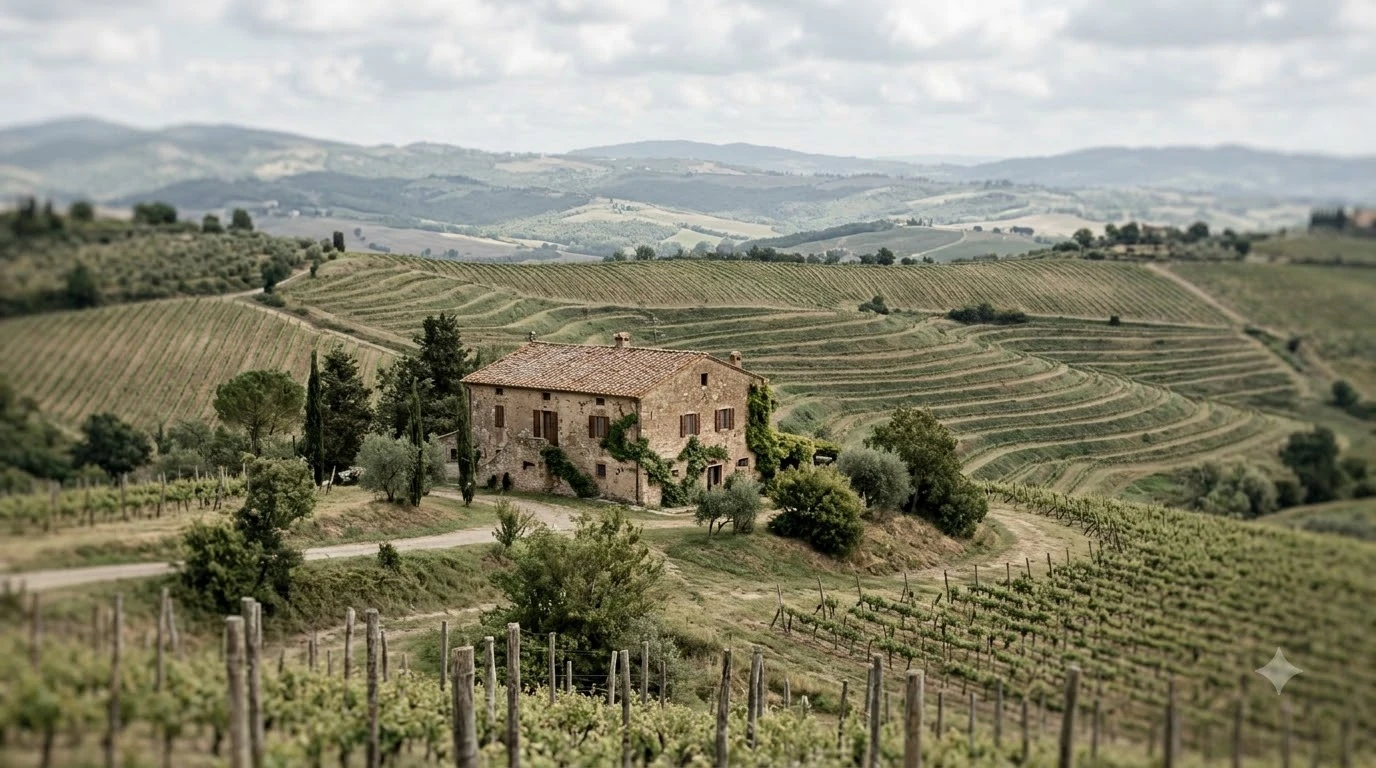
The appellation is approximately 20 miles long and 8 miles wide, bordered by neighboring wine districts including Dry Creek Valley, Chalk Hill, and Knights Valley. The Russian River winds through it from the Cloverdale area toward Healdsburg, helping channel marine air inland. The region can therefore experience warm afternoons and noticeably cooler nights, while vineyards range from the valley floor to higher sites near the Mayacamas.
Alexander Valley received federal AVA recognition in 1984. The boundary identifies a place with a distinctive combination of climate, terrain, and soils; it does not prescribe one grape or one winemaking recipe. The official Alexander Valley technical summary reports 76,915 total acres and 14,890.1 acres of bearing and non-bearing vineyards combined. That scale helps put the appellation in context among the many places covered by broader Wine Regions resources.
| Regional measure | Reported figure | What it tells you |
|---|---|---|
| Total AVA area | 76,915 acres | The full appellation, including non-vineyard land |
| Total cultivated vineyard area | 14,890.1 acres | 13,576.9 bearing acres plus 1,313.1 non-bearing acres |
| Elevation range | 134–2,572 feet | Vines occupy low valley sites and higher slopes |
| Median elevation | 628 feet | A midpoint across the varied terrain |
| Average growing-season temperature | 72°F | A warm growing-season profile |
| Growing degree days | 1,834 | A measure of seasonal heat accumulation |
Climate, Elevation, and Vineyard Soils
The valley combines warm, dry summer days with cooler air moving inland from the Pacific through the Petaluma Gap and the Russian River corridor. Rocky, gravelly, and alluvial soils vary from the valley floor to the Mayacamas foothills, giving growers several ways to balance ripeness, concentration, and acidity.
According to Alexander Valley Winegrowers, the average growing season runs from April 1 through November 1, with an average temperature of 72°F and approximately 32 inches of annual precipitation. The regional summary also reports 1,834 growing degree days and about 240 frost-free days. These are averages rather than a prediction for every vineyard, but they help explain why late-ripening Cabernet Sauvignon can reach full flavor here. Pacific marine air cools the vineyards overnight and can leave fog or cool conditions in the morning; warm afternoons then supply the heat needed for ripening. The Sonoma County Winegrowers’ regional overview describes this river-and-marine-layer effect as a key influence on freshness and balance.
Soil and elevation make the appellation more complex than a simple warm-valley description suggests. Valley-floor sites include alluvial deposits shaped by the Russian River, while benchlands and eastern foothills have well-drained gravelly and sandy loams, along with volcanic and sedimentary materials. Alexander Valley Winegrowers identifies Yolo and Cortina among the benchland soils; the added gravel in Cortina and the slopes’ drainage are relevant to Cabernet and Merlot. Higher sites can be rocky and less fertile, naturally limiting vine vigor and crop size. The growers describe upper-slope vineyards from roughly 400 to 2,500 feet, where stronger sunlight and leaner soils can extend ripening by a week or two compared with lower sites. A hillside Cabernet may consequently show denser tannin or more concentrated aromas than one from deeper valley-floor soil.
Cabernet Sauvignon and the Alexander Valley Signature
Cabernet Sauvignon is the region’s defining grape, commonly combining ripe blackberry and black-currant fruit with firm tannin, dry herbs, tobacco, and a savory, sometimes dusty edge. The style is generally full-bodied, but cool nights and varied vineyard sites can keep the fruit from feeling flat or overly sweet.

Alexander Valley Winegrowers identifies Cabernet Sauvignon as the appellation’s most widely planted variety and notes its success on eastern foothills, slopes, and mountains along the Mayacamas. The grape ripens relatively late and benefits from warm conditions and well-drained gravelly soils. In the glass, this often means dark fruit and a firm frame that can support bottle aging. The exact balance of fruit, acidity, and tannin depends on the vineyard and the producer’s choices at harvest and in the cellar.
Not every Cabernet tastes alike. Valley-floor fruit may lean toward generous, approachable dark-fruit flavors, while hillside and mountain fruit can bring denser tannin, firmer structure, or more concentrated aromas. Oak aging may contribute cedar, toast, or baking-spice notes, but those are winemaking influences rather than automatic features of the appellation. Comparing two Cabernets from different elevations can be more revealing than assuming that oak alone explains the difference. Merlot often softens Cabernet’s edges and adds a rounder texture; Cabernet Franc, Petit Verdot, and Malbec can contribute floral lift, color, or additional structure in a blend.
Alexander Valley is a strong choice for drinkers who like California Cabernet but want to explore a Sonoma expression. The wines can be generous and ripe, yet marine influence and varied soils give winemakers room to preserve freshness. For contrast, the Eden Valley wine region offers a different regional identity, with a reputation centered on aromatic white wines rather than Sonoma’s Cabernet-led profile.
Merlot, Chardonnay, and Other Regional Grapes
Cabernet leads the conversation, but Alexander Valley’s range is wider than its best-known red. Merlot and Chardonnay are established varieties, while Sauvignon Blanc, Zinfandel, Cabernet Franc, Petit Verdot, Malbec, and Viognier contribute additional styles and blending options.
Merlot is important both as a varietal wine and as a partner for Cabernet Sauvignon. Compared with Cabernet’s higher tannin, Merlot generally feels softer and rounder, with red-fruit and plum character. Local growers describe Alexander Valley Merlot as having softer tannins and an elegant structure, making it a good choice for drinkers who want a substantial red with less grip. Chardonnay is the leading white grape in the growers’ regional summary. In this warmer part of Sonoma County, it can show ripe citrus, stone fruit, pineapple, and other tropical notes, with medium acidity and a rounded texture.
Producer choices shape both grapes: stainless-steel fermentation and limited oak can emphasize fresh Chardonnay fruit, while barrel fermentation or lees work can add creaminess and spice. Sauvignon Blanc provides a brighter white option, generally with higher acidity and citrus or herbal notes; Viognier is grown for its aromatic character and fuller texture. Among other reds, Zinfandel has a meaningful local presence, while Petit Verdot, Malbec, and Cabernet Franc appear as varietal wines or blending grapes. Sonoma County’s regional guide also notes small amounts of old-vine Grenache and newer Sangiovese plantings. A flight across these grapes shows more than one Cabernet tasting alone, and gives useful context beside other American appellations such as the Yadkin Valley wine region.
How to Taste and Explore the Appellation
The most useful way to explore Alexander Valley is to compare wines by grape and site, rather than trying to visit as many tasting rooms as possible. Tasting opportunities cluster around Healdsburg, Geyserville, and the Route 128 corridor, with a mix of long-established producers and smaller family wineries.
Alexander Valley Winegrowers lists 77 independent winegrowers and 33 bonded wineries. Sonoma County visitor information highlights producers including Jordan Vineyard & Winery, Silver Oak, Alexander Valley Vineyards, Robert Young, Francis Ford Coppola Winery, Stonestreet Estate Vineyards, Medlock Ames, and Soda Rock Winery. These names are starting points, not a ranking; each winery has its own tasting format and portfolio. Confirm current visiting arrangements directly before building a route.
For a focused first visit, choose two or three stops and give each one a purpose. One tasting might focus on Cabernet Sauvignon and ask how the producer describes its site, tannin, and aging choices. A second can contrast Merlot or a Bordeaux-style blend with Cabernet, while a third introduces Chardonnay or Sauvignon Blanc. Ask whether grapes come from a valley-floor vineyard, a benchland, or a higher hillside; whether the wine is single-vineyard or blended from several sites; and how oak treatment shapes the result. A planned Alexander Valley wine tasting is most informative when the flight is organized around these comparisons. Leave time between appointments, carry water, and arrange transportation if wine tasting is part of the day.
Serving, Food Pairing, and Cellaring
Alexander Valley Cabernet Sauvignon is best served cool enough to keep its structure in balance, not so warm that alcohol and tannin seem more pronounced. Full-bodied reds generally show well around 60–65°F; a young, concentrated Cabernet may also benefit from 30–60 minutes in a decanter before serving.
Cabernet’s high tannin makes it a natural match for foods with protein, salt, and fat. Grilled steak, lamb chops, beef short ribs, and aged hard cheeses can soften the wine’s grip and make its fruit seem more expressive. Roasted mushrooms, lentils, and charred eggplant work when a meat-free pairing is preferred, especially if the dish has savory depth. Avoid pairing a strongly tannic Cabernet with delicate oily fish, which can make the wine taste harsher and the fish seem metallic. Merlot’s softer tannins suit roast pork, burgers, tomato-based dishes, and herb-roasted chicken.
Chardonnay pairs well with roast chicken, crab, lobster, creamy pasta, or vegetables with browned edges; serve a fuller-bodied version around 50–55°F. Sauvignon Blanc is better suited to goat cheese, salads, shellfish, or grilled vegetables, and its higher acidity can stand up to lemon or vinaigrette. Match the wine’s weight to the dish, and make sure the food is not dramatically sweeter than the wine.
Tip: For a young, full-bodied Alexander Valley Cabernet, open the bottle 30–60 minutes before serving or decant it to give the wine time to settle and develop. Start with a moderate pour and revisit the glass as it opens; its aroma and texture can shift over a meal.
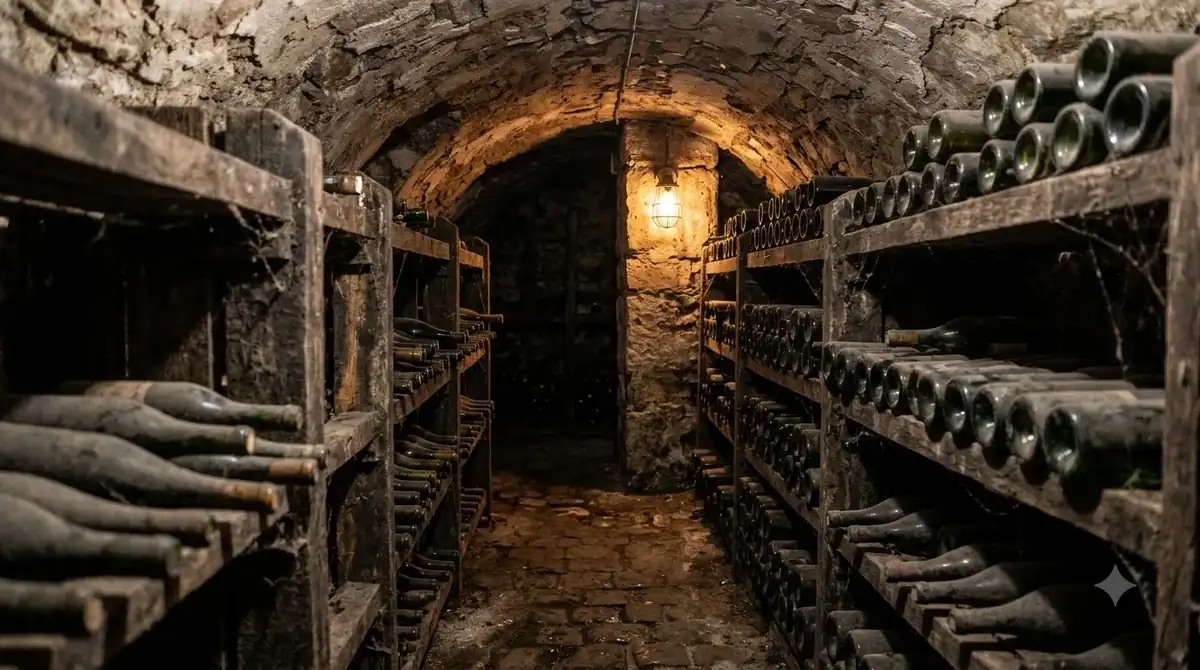
Store unopened bottles in a cool, dark place near 55°F with minimal temperature swings; keep cork-finished bottles on their sides. A structured Cabernet may reward bottle age, but not every wine is made for long-term cellaring, so follow the producer’s guidance when available. After opening, recork the bottle and refrigerate it. Most still wines keep their best character for about three to five days, depending on the wine and how much air remains. A 750-milliliter bottle holds about five standard 5-ounce pours. Use a glass large enough to collect aromas, and let a wine warm gradually in the glass if it comes out of the refrigerator too cool.
Frequently Asked Questions
Who gave Alexander Valley its name?
The valley takes its name from Cyrus Alexander, who arrived in the area in 1840 with his employer and business partner Henry Fitch. The two received a Mexican land grant known as Rancho Sotoyome covering 48,800 acres, and Alexander was awarded 8,800 acres for managing the ranch. Regional history credits him with being the first to grow vines in the valley.
What was the first commercial winery in Alexander Valley?
Shadrach Osborn built Lone Pine Vineyard in 1889, identified by Alexander Valley Winegrowers as the first commercial winery in the appellation. Horace Chase’s Red Winery followed, with Broder Frellson as its first winemaker. The family connection continued when Frellson’s daughter Reta married Osborn’s son William.
How did Prohibition affect local winegrowing?
During Prohibition, a federal legal exception allowed a household to make up to 200 gallons of wine for personal use. The resulting demand initially encouraged extensive grape planting, but production exceeded demand and became unprofitable by 1926. After wineries and growers were weakened by Prohibition, the Depression, and World War II, prunes and later apples became important local crops.
Which early Cabernet vineyard helped renew the region’s reputation?
Rodney Strong planted 15 acres of Cabernet Sauvignon on a small hillside site in Alexander Valley in 1971. Its first vintage, released in 1974, was identified by the regional growers’ history as Sonoma County’s first vineyard-designated Cabernet Sauvignon. The project helped demonstrate the potential of hillside Cabernet at a time when planting above the valley floor was still considered difficult.
How did the Robert Young estate become associated with Cabernet?
The Young family’s connection to the area began with Peter Young, who established a 206-acre ranch in Geyserville in 1858. His grandson Robert planted 14 acres of Cabernet Sauvignon on the family property in 1963, becoming the first grower in modern times to plant the variety in Alexander Valley, according to the local growers’ history. The family built its estate winery in 1997.
The Alexander Valley is best understood as a varied Sonoma appellation with Cabernet Sauvignon at its center, not as a single fixed flavor profile. Exploring its different sites, supporting grapes, and producers reveals why the region can deliver both generous fruit and firm, balanced structure. Whether choosing a bottle or planning a visit, start with the grape and vineyard origin, then let the producer’s style guide the decision.
More in Wine Regions
 Willcox Wine Trail: Discover Arizona’s High-Elevation Wine CountryUpdated Nov 20, 2026
 Yakima Valley Wine Region: Find the Best Styles to TryUpdated Nov 20, 2026
 Vosne Romanee Wine Tasting: Identify Aromas and Choose Better PairingsUpdated Nov 20, 2026
 Yakima Valley Wine Festival: Find the Best Seasonal Wine EventsUpdated Nov 20, 2026
 Wales Vineyards: Discover Cool-Climate Wines and Where to VisitUpdated Nov 20, 2026
 Yountville Wine Festival: Discover Napa Wines and Local FoodUpdated Nov 20, 2026