

We may earn a commission when you buy through links on this page, at no extra cost to you. Learn more.
alexander valley wine tasting is best planned as a Cabernet Sauvignon-focused visit to Sonoma County, with time for Merlot, Chardonnay, and Zinfandel along the valley’s winery routes. Warm days, evening cooling, and varied benchland and hillside sites give visitors more than one expression of Cabernet to compare. A rewarding visit balances a few appointments with a relaxed meal and time to understand how place and grape variety shape each glass.
Alexander Valley lies in northeastern Sonoma County, between the Healdsburg area and Cloverdale. It is a strong choice for visitors interested in California Cabernet, but the best tasting day is not simply a sequence of big red-wine pours. Whites, softer reds, vineyard views, and winery-specific experiences make the region interesting for a wider range of palates.
Why Cabernet Leads the Alexander Valley
Cabernet Sauvignon is the natural starting point because it is the valley’s most widely planted grape and one of its defining wines. Alexander Valley became an American Viticultural Area in 1984, and its inland warmth helps Cabernet ripen while cooler evening air can preserve freshness. For a cooler Sonoma contrast, compare it with a Russian River Valley wine tasting, where Pinot Noir and Chardonnay play a larger role.
Alexander Valley Winegrowers describes local Cabernet through black-fruit character, dry tobacco, dried herbs, and substantial but polished tannin. The grape is generally deep in color and structured, making it a useful benchmark for comparing vineyard sites, blending choices, and oak influence. Merlot is also a major variety, often blended with Cabernet to add a softer, rounder impression.
Cabernet is not one fixed flavor profile. A valley-floor wine and a hillside wine can differ in fruit intensity, tannin texture, and aromatic detail, even when both carry the same grape name. Compare two bottlings side by side and ask whether they come from different vineyard blocks, elevations, or blends. Look for the balance between ripe fruit, savory notes, acidity, and finish rather than trying to identify one universally best style.
How Climate and Terrain Shape the Wines
Alexander Valley is warm and inland, but marine air from the Pacific still influences its vineyards. Air moves into the area through the Petaluma wind gap and the Russian River corridor, helping cool sites after warm afternoons and supporting freshness in ripe wines.
Alexander Valley Winegrowers reports an average growing-season temperature of 72°F and average annual precipitation of 32 inches. Its terroir description explains that cool, wet winters recharge the landscape, while warm, dry summers slow vine growth as grapes approach maturity. This combination helps the valley produce full-bodied reds without every wine tasting alike or losing all sense of acidity.
Vineyards extend from the valley floor to benchlands and mountain slopes. The regional terroir page describes elevations from about 400 to 2,500 feet and says roughly 80 percent of vineyard parcels sit on benchlands, many near the base of the Mayacamas Mountains. Gravelly, sandy-loam, clay-rich, and rocky soils drain differently; higher sites can also ripen one to two weeks later than benchland and valley-floor vineyards. These differences help explain changes in tannin, fruit concentration, and aroma from one Cabernet to another.
For a deeper explanation, read the Alexander Valley Winegrowers’ overview of local terroir. It offers useful questions for a tasting: Is the vineyard on a benchland? Does the producer farm a hillside site? How does the winemaker describe the balance between ripe fruit and acidity? A morning appointment can be comfortable for a vineyard walk on a warm day, while cooler months offer greener hills and softer light.
Which Grapes to Taste Beyond Cabernet
Merlot, Chardonnay, and Zinfandel show how broad the region’s winegrowing can be. Tasting these varieties alongside Cabernet helps separate grape character from the influence of warm sites, cellar choices, and oak aging.
Merlot is an especially helpful comparison: Alexander Valley examples are often plummy and red-fruited, with medium tannin and a softer impression than Cabernet. Chardonnay offers a change of pace, with regional examples showing ripe citrus, stone fruit, and sometimes tropical notes such as pineapple. Zinfandel adds a different red-wine expression, often with generous ripe fruit and spice. The valley also grows Cabernet Franc, Petit Verdot, Malbec, Sauvignon Blanc, and Viognier.
Use the serving temperatures below as practical starting points. A wine served too warm can seem heavy, while one served too cold may hide its aroma and texture.
| Wine style | Serving temperature | What to notice |
|---|---|---|
| Full-bodied Cabernet Sauvignon | 60–65°F | Tannin, dark fruit, savory notes, and finish |
| Merlot or lighter red | 55–60°F | Softer tannin, red fruit, and freshness |
| Chardonnay or other full white | 50–55°F | Texture, ripe citrus, stone fruit, and oak |
| Sauvignon Blanc or light white | 45–50°F | Acidity, citrus, herbs, and crispness |
| Rosé | 45–50°F | Fresh fruit, acidity, and a clean finish |
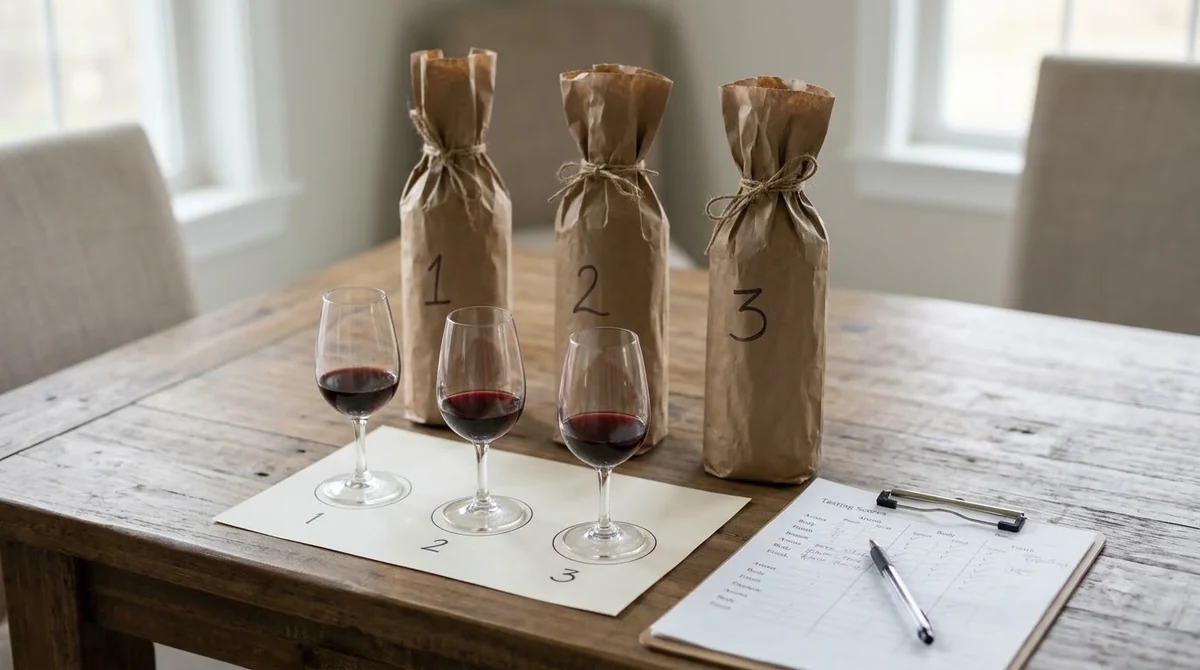
For a deliberate flight, start with Sauvignon Blanc or Chardonnay, move to rosé if offered, then taste Merlot and Zinfandel before the more structured Cabernet. Leave the most tannic wine until later, because its grip can make lighter wines seem thin afterward. Ask which grapes add structure to a blend and which contribute perfume or softness. One Cabernet may come from a single estate vineyard, while another may combine several sites to create a house style.
Which Wineries and Experiences Belong on the List
Choose wineries by the experience you want, not by how many names you can fit into a day. Alexander Valley includes estate-focused tasting rooms, larger visitor destinations, and producers whose programs emphasize Cabernet, cellar visits, or vineyard views.
Alexander Valley Vineyards is a useful stop for visitors who want a connection between wine, farm, and place. Its visitor page lists a tasting room at 8644 Highway 128 in Healdsburg, open for tastings from 10 a.m. to 5 p.m. The winery describes a complimentary Legacy Flight of four wines and a daily cave tour at noon and 2:30 p.m.; larger groups must arrange their visit in advance, and cave-tour capacity is limited.
The winery also offers a separate Cabernet-focused experience for visitors who want to compare bottlings from one producer without changing every variable at once. A horizontal flight can make differences in site, vineyard selection, and cellar choices easier to recognize. Jordan Vineyard & Winery is another estate option along Alexander Valley Road; Visit Healdsburg describes a winery tour and tasting of about 90 minutes that requires advance booking and includes Cabernet and Chardonnay.
Other names to consider include Robert Young Estate Winery, Silver Oak, Stuhlmuller Vineyards, and Francis Ford Coppola Winery. Visitors who want to compare appellations beyond Sonoma can start with this broader Wine Regions overview. Sonoma County’s visitor itinerary places several producers around Geyserville and the Highway 128 corridor, with attractions ranging from vineyard views and broad flights to art, gardens, and movie memorabilia. Their experiences are not interchangeable, so read the tasting descriptions before booking. For regional context, the Decanter overview of Sonoma County AVAs explains why Alexander Valley’s warm, inland setting is especially suited to Cabernet compared with cooler Sonoma areas known for Pinot Noir.
How to Plan a Practical Tasting Day
Two or three winery visits usually make a more satisfying day than rushing through a long list. A slower schedule leaves room for lunch, traffic, questions, and a chance to notice how the scenery changes along the valley roads.
Choose a home base first. Healdsburg is convenient for restaurants and lodging near town, while Geyserville puts visitors closer to wineries in the northern part of the valley. Plan a route that follows one main corridor rather than crossing back and forth; Highway 128 is a useful spine for several stops, though individual properties may require turns onto smaller rural roads. Download directions before setting out if mobile coverage is uncertain.
Book the experience that matters most first. Jordan’s estate tour is appointment-based and takes about 90 minutes, while Alexander Valley Vineyards welcomes walk-ins for smaller parties at its tasting bar but asks larger groups to arrange their visit in advance. Do not assume that a walk-in-friendly winery can accommodate a large group or a special experience without notice. Weekend appointments and seasonal events can make popular time slots harder to secure.
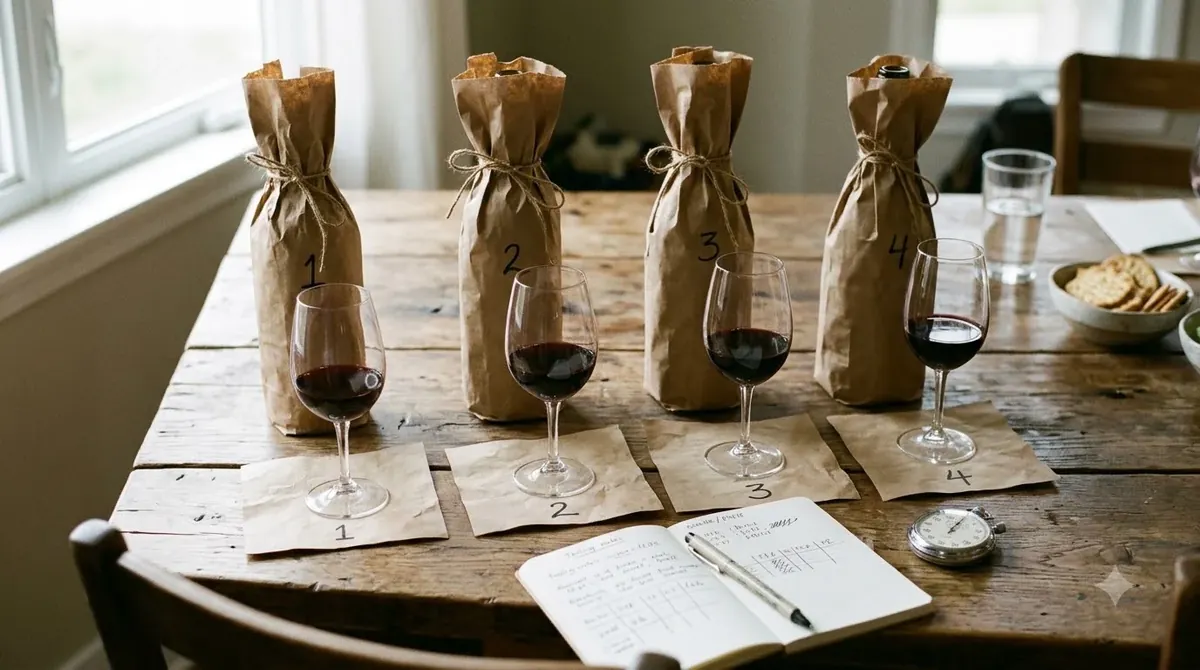
A balanced day might begin with a morning estate tour, pause for lunch near Geyserville or Healdsburg, and finish with one relaxed tasting nearby. For a Cabernet-focused visit, compare a formal estate flight with a smaller tasting room whose lineup includes Merlot or Zinfandel. Leave a generous gap between appointments; a cellar tour, vineyard walk, or seated flight may take longer than a quick tasting at the bar. Arrange a designated driver who does not drink, a private driver, or a guided transportation service before the first pour. Several small samples can add up over a full day, so sip slowly, take food and water breaks, and never drive after drinking.
What to Eat and How to Taste with Purpose
Food makes it easier to understand structured Alexander Valley reds, especially Cabernet Sauvignon. Protein, salt, and fat soften the perception of tannin, while acidic food needs a wine with equal or higher acidity to keep the pairing balanced.
For Cabernet, look for grilled steak, lamb, short ribs, burgers, or aged hard cheese. The wine’s firm tannin can meet the richness of the food, while char and savory seasoning can echo tobacco and herb notes. Merlot is often a flexible partner for roast chicken, pork, meatloaf, or mushroom dishes because its softer tannins and plummy fruit do not require the same richness as a powerful Cabernet. Chardonnay works with roast chicken, creamy pasta, grilled corn, and browned butter; Sauvignon Blanc is useful with goat cheese, green herbs, citrus-dressed vegetables, and lighter seafood.
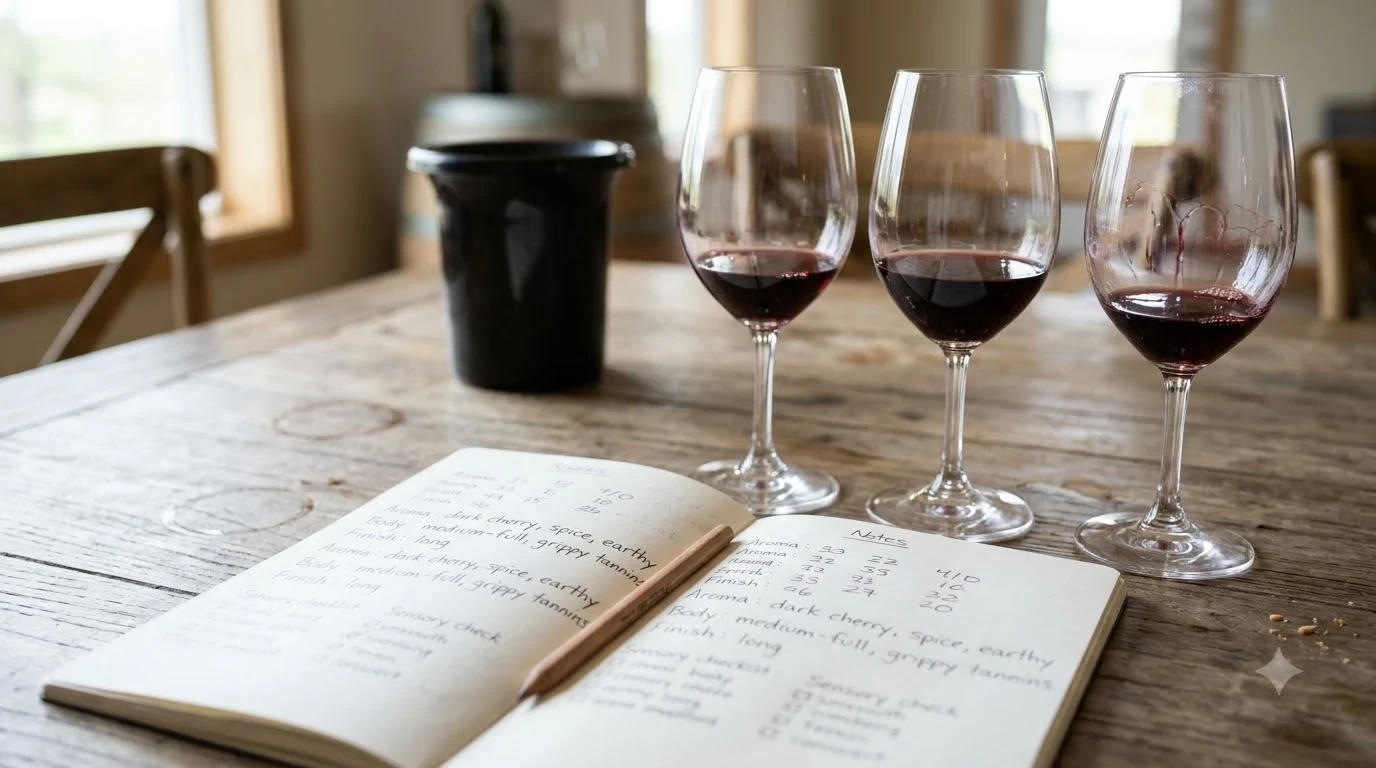
Be careful with chile heat: alcohol and tannin can make spicy dishes seem hotter, so a high-alcohol Cabernet is rarely the easiest match for strongly seasoned food. Oily fish can also clash with tannic reds; pair salmon or tuna with a white or lighter red instead. During a tasting, look at the color, smell before swirling, swirl gently, smell again, and take a small sip. Notice how the wine changes from entry to finish, and whether fruit, acidity, tannin, alcohol, and oak feel balanced rather than trying to name every aroma.
Keep pours modest when comparing several wines. A standard full-glass serving is 5 ounces, and a 750-milliliter bottle holds about five such glasses; tasting pours are usually smaller. Young, full-bodied reds can benefit from 30 to 60 minutes of decanting, which gives aromas time to open and can soften the first impression. After a visit, keep bottles away from a hot car and direct sunlight, then store them on their sides in a cool place near 55°F. Refrigerate opened still wine and aim to finish it within three to five days.
Tip: Carry one question through the day, such as how Cabernet changes between a benchland and a hillside site. Asking it at two wineries gives your visit a clear purpose without making the experience feel like a class.
Frequently Asked Questions
These practical details can help visitors choose experiences that suit different interests and comfort levels, including guests who are not drinking wine.
Who was Cyrus Alexander?
Cyrus Alexander was the early settler whose name is associated with the valley. Alexander Valley Vineyards includes his story in its cave-tour experience, connecting a present-day winery visit with local history. The experience also tells the story of the pioneering Wetzel family, which helped shape winemaking in the valley.
Can I choose a wine-free tasting experience?
Yes. Alexander Valley Vineyards lists a Garden to Glass option with five nonalcoholic drinks made from seasonal ingredients and products grown on its farm. The winery pairs that option with five cookies, so a guest who is not drinking alcohol can still take part in a guided food-and-drink experience.
How many wines are included in the Cabernet-focused flight?
Alexander Valley Vineyards lists four Cabernet selections: its Estate Cabernet Sauvignon, an organically grown Cabernet Sauvignon, Alexander School Reserve Cabernet Sauvignon, and CYRUS. Comparing them side by side can show how vineyard selection and blending affect the final style.
When are the cookie-pairing experiences offered?
Alexander Valley Vineyards lists sessions at 11 a.m., 12:30 p.m., and 2 p.m. Sunday through Friday, with an 11 a.m. session on Saturday. Reservations are required 24 hours in advance, so this experience is better planned than treated as a spontaneous stop.
How many wineries and winegrowers are represented in the valley?
Alexander Valley Winegrowers lists 33 bonded wineries and 77 independent winegrowers in the appellation. The figures illustrate that visitors can encounter a range of small and larger operations rather than one uniform tasting-room model.
Alexander Valley rewards visitors who compare wines with a little context: the grape, the site, and the choices made in the cellar. Start with Cabernet, make room for at least one contrasting variety, and choose a route that leaves time for food and conversation. A thoughtful two- or three-stop day will tell you more about the valley than a packed schedule.
More in Wine Regions
 Willcox Wine Trail: Discover Arizona’s High-Elevation Wine CountryUpdated Nov 20, 2026
 Yakima Valley Wine Region: Find the Best Styles to TryUpdated Nov 20, 2026
 Vosne Romanee Wine Tasting: Identify Aromas and Choose Better PairingsUpdated Nov 20, 2026
 Yakima Valley Wine Festival: Find the Best Seasonal Wine EventsUpdated Nov 20, 2026
 Wales Vineyards: Discover Cool-Climate Wines and Where to VisitUpdated Nov 20, 2026
 Yountville Wine Festival: Discover Napa Wines and Local FoodUpdated Nov 20, 2026