

We may earn a commission when you buy through links on this page, at no extra cost to you. Learn more.
This beringer white zinfandel review finds a light-bodied, fruit-forward California rosé with noticeable sweetness, strawberry and citrus flavors, and an approachable drinking style. Beringer Main & Vine White Zinfandel is a practical choice for drinkers who enjoy softer, sweeter wines rather than crisp, bone-dry rosé. Its published specifications include 10% alcohol by volume and 34 grams of sugar per liter in the SAQ listing, making sweetness an important consideration when deciding whether this bottle matches your preferences.
Beringer White Zinfandel occupies a familiar place in American wine culture. Its pink color, accessible fruit character, and gentle sweetness make it an easygoing option for casual meals, warm-weather gatherings, and people who are still developing their wine preferences. However, its style is not for everyone. Drinkers accustomed to dry Provence rosé, high-acidity Sauvignon Blanc, or mineral-driven European whites may find it sweeter and less crisp than expected. Understanding its flavor profile, production style, alcohol level, and food compatibility makes it easier to decide whether this California bottle belongs in your next wine purchase.
Who This Wine Is For
Beringer White Zinfandel is best suited to drinkers who prefer fruity, lightly sweet wines with a refreshing finish rather than pronounced dryness or heavy structure. Its approachable character makes it particularly appealing to casual wine drinkers, beginners, and people serving wine at informal gatherings.
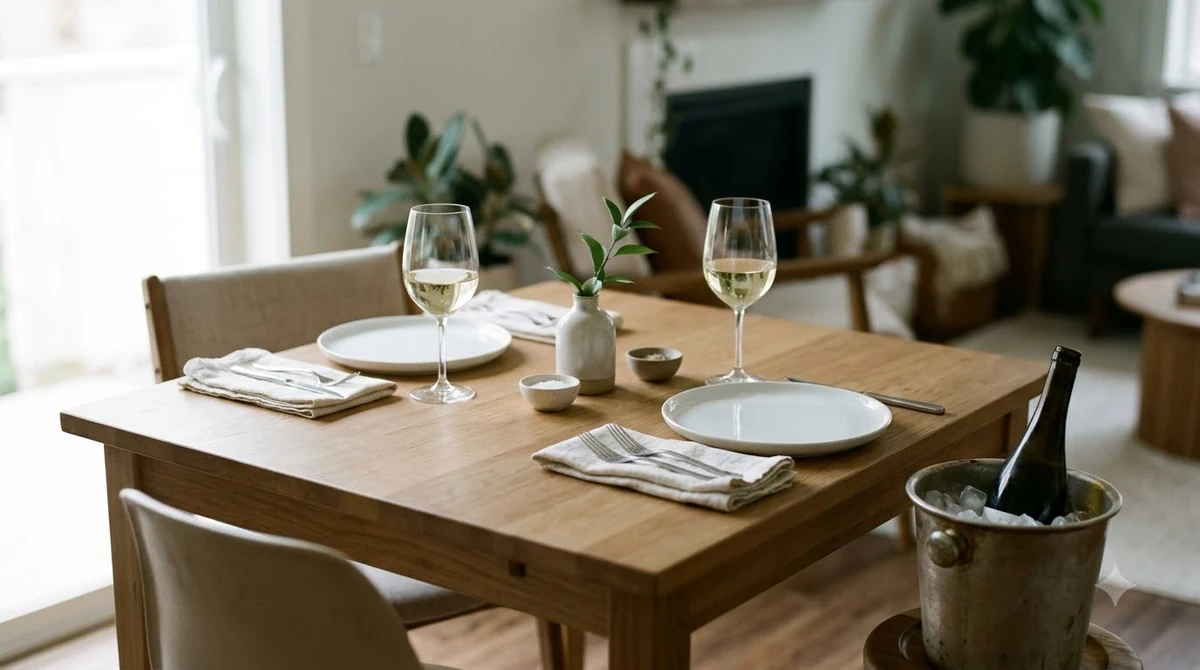
The wine is made from Zinfandel, a red grape variety, but the finished product is a pink rosé rather than a traditional red wine. The SAQ classifies Beringer Main & Vine White Zinfandel as a light-bodied, semi-sweet California rosé. That description provides a useful starting point: expect a softer texture, fruit-led flavors, and sweetness that remains noticeable throughout the glass.
For someone transitioning from sweet white wines, fruit-forward cocktails, or approachable Moscato, White Zinfandel can feel familiar. Strawberry and melon notes give it an easy-to-recognize fruit character, while citrus and floral details provide additional aromatic interest. It does not demand extensive knowledge of wine terminology or specialized serving equipment.
It is also worth considering for gatherings where guests have different levels of wine experience. A bottle of Beringer White Zinfandel can offer a more approachable alternative to strongly tannic Cabernet Sauvignon or dry, sharply acidic Sauvignon Blanc. Its lighter body makes it suitable for drinking without a substantial meal, although matching it with food can produce a more satisfying experience.
There are, however, several situations in which another style may be preferable. People who dislike residual sugar, prefer austere mineral flavors, or want a highly acidic rosé may find this wine too soft. Similarly, drinkers looking for concentrated oak flavors, complex aging characteristics, or the structure of a serious dry red should consider a different category.
The main distinction is preference rather than quality. A wine designed to deliver accessible fruit and sweetness should be evaluated according to those goals. Beringer White Zinfandel makes the most sense when a relaxed, uncomplicated drinking experience is more important than dryness, complexity, or long-term cellaring potential.
Key Factors to Compare Before Buying
The most useful buying considerations are sweetness, alcohol content, flavor profile, bottle size, and serving temperature. Comparing these details helps establish whether Beringer White Zinfandel fits your taste preferences before choosing a bottle.
| Factor | Published information | What it means |
|---|---|---|
| Wine category | California rosé | Pink wine made from red Zinfandel grapes |
| Alcohol content | 10% ABV | Relatively moderate alcohol for table wine |
| Sugar content | 34 g/L in the SAQ listing | Noticeably sweet rather than bone-dry |
| Standard bottle | 750 ml | Approximately five standard 5 oz pours |
| Body | Light | Easygoing rather than heavy or concentrated |
| Sweetness | Semi-sweet | Suitable for drinkers who enjoy fruity sweetness |
| Serving temperature | 43–46°F | Chilled service emphasizes refreshment |
| Reported aromas | Strawberry, rhubarb, floral notes | Fruit-forward and gently aromatic |
These figures come from the SAQ’s Beringer Main & Vine White Zinfandel product listing. Another retailer, the LCBO, reports 32 g/L of sugar and the same 10% alcohol content. This difference illustrates why product specifications should be treated as listing-specific rather than assumed to be identical across every bottle or market. The broad takeaway remains that Beringer White Zinfandel is a moderately alcoholic, noticeably sweet rosé.
Sweetness and sugar
Sweetness is probably the most important factor for prospective buyers. The SAQ reports 34 grams of sugar per liter, while the LCBO lists 32 grams per liter. Both figures place the wine firmly in a sweeter style rather than the dry category associated with many modern rosés.
Residual sugar contributes to the wine’s fruity impression and helps explain why strawberry, melon, and other ripe fruit notes can seem prominent. Sweetness does not necessarily mean that a wine tastes like syrup. Acidity, fruit aromas, temperature, and texture all influence the way sweetness is perceived.
Drinkers who want a more detailed breakdown can consult our guide to Beringer White Zinfandel sugar content. It is particularly useful if you are comparing different sweet wine styles or trying to understand how published sugar measurements relate to perceived sweetness.
Alcohol and bottle format
The SAQ lists the 750 ml Beringer Main & Vine bottle at 10% ABV. B-21 Liquors also lists a 1.5-liter Beringer White Zinfandel format at 10% ABV. A 1.5-liter bottle contains twice the volume of a standard 750 ml bottle, making it a practical format for larger gatherings.
A 750 ml bottle generally provides approximately five standard 5 oz glasses. The larger 1.5-liter format therefore provides approximately ten comparable pours. Alcohol content should be considered separately from sweetness: a wine can taste sweet without having particularly high alcohol, and a fruity flavor does not indicate that the alcohol has disappeared.
For a closer explanation of the published percentage and how it affects the drinking experience, see our Beringer White Zinfandel alcohol content guide.
Flavor and texture
Retailer and product descriptions identify several recognizable fruit characteristics. The SAQ highlights strawberry, rhubarb, and floral aromas, while B-21 Liquors describes berry-like flavors alongside citrus and honeydew. These descriptions suggest a wine centered on red fruit and fresh fruit aromas rather than oak, smoke, or dark berry concentration.
The SAQ also describes the wine as light-bodied, semi-sweet, and without oak influence. That combination creates a straightforward drinking profile. Buyers should approach it as a casual fruity rosé rather than a complex wine intended to reveal multiple layers of barrel-derived flavors.
Step-by-Step: How to Choose and Serve Beringer White Zinfandel
Choosing the right bottle is easier when you work through a few practical decisions, beginning with your preferred sweetness and ending with the correct serving temperature. These steps also help prevent common mismatches between wine style and food.
-
Decide whether you enjoy sweet rosé.
Start by considering whether you generally like medium-sweet wines. If you enjoy fruit-forward Moscato or sweeter rosé, Beringer White Zinfandel may suit your preferences. If your favorite wines are dry Provence rosé or crisp Sauvignon Blanc, its residual sweetness may be more noticeable than you prefer.
-
Check the bottle format.
A standard 750 ml bottle provides approximately five 5 oz servings. For a larger gathering, a 1.5-liter format provides approximately ten servings. Choose the size according to the number of guests and the other drinks being served rather than automatically buying the largest bottle.
-
Compare the alcohol information.
The SAQ lists 10% ABV for its 750 ml Beringer Main & Vine listing. This is within the typical 8% to 10% range described for White Zinfandel by Total Wine. Alcohol content can vary between bottlings, so confirm the percentage on the specific bottle you are purchasing.
-
Plan the food pairing.
Think about whether the wine will accompany seafood, chicken, salad, mildly spicy dishes, or a fruit-based dessert. Its sweetness works particularly well with food that has a little spice or sweetness of its own. For very acidic dishes, select a pairing that does not make the wine taste flat.
-
Chill the wine before opening.
The SAQ recommends 6°C to 8°C, equivalent to approximately 43°F to 46°F. Refrigerating the bottle before serving helps maintain its refreshing character. Avoid serving it excessively warm, because higher temperatures can make sweetness and alcohol feel more prominent.
-
Choose an appropriate glass.
A standard white wine glass works well because it provides room to appreciate the strawberry, citrus, and floral aromas. A smaller casual wine glass is also suitable for informal gatherings. There is no need for a specialized rosé glass to enjoy this wine.
-
Pour a moderate serving and assess the balance.
A 5 oz pour is a useful standard serving. Pay attention to the relationship between fruit, sweetness, and acidity. If the wine tastes too sweet at first, try it alongside a savory or mildly spicy dish rather than adding ice, which changes its concentration as it melts.
Tip: Chill Beringer White Zinfandel to approximately 43°F to 46°F and serve it with lightly seasoned seafood or spicy chicken. This temperature keeps the wine refreshing while its fruit flavors remain easy to recognize.
These steps are useful whether you are buying the wine for yourself or planning a casual meal. They also provide a consistent way to compare different bottles of White Zinfandel without relying exclusively on marketing descriptions. A wine that suits your preferred sweetness, alcohol level, and serving occasion is generally a more satisfying purchase than one chosen simply because its label is familiar.
Types and Styles of White Zinfandel Explained
White Zinfandel is not a white grape wine but a rosé category made from red Zinfandel grapes. Understanding the difference between its production method, sweetness levels, and related wine styles helps explain where Beringer fits among other pink wines.
How White Zinfandel gets its pink color
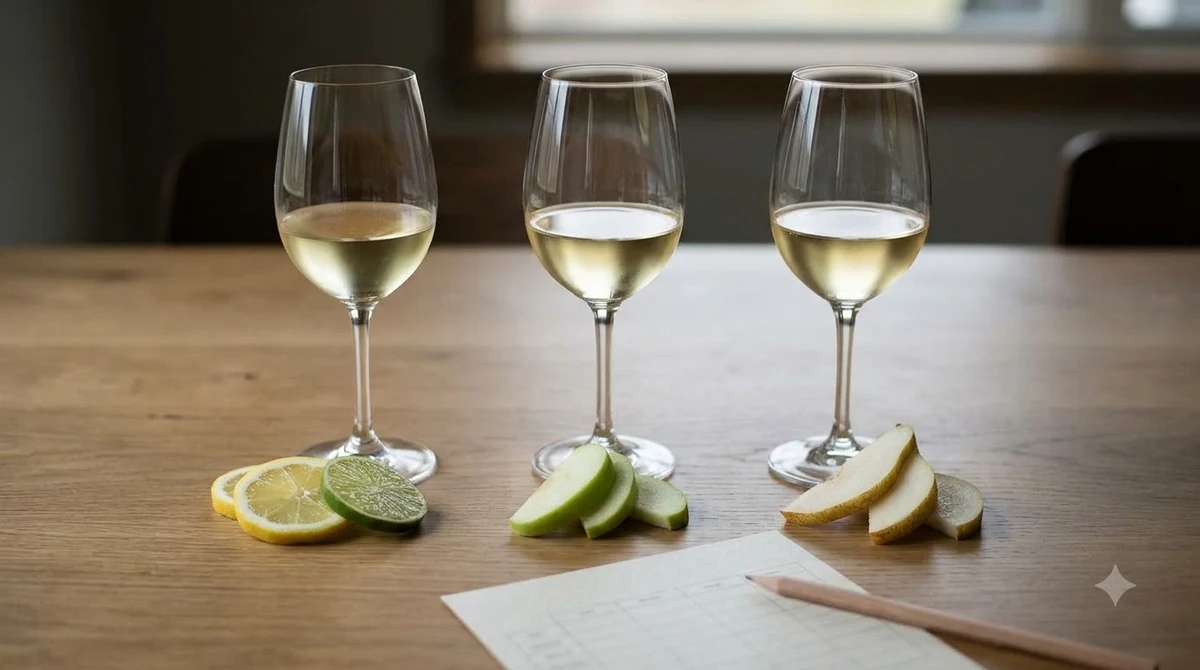
Zinfandel grapes have dark skins, even though the juice inside the grapes is relatively pale. During conventional red wine production, juice remains in contact with the skins for an extended period, extracting color, tannin, and other compounds. White Zinfandel production limits this contact.
Total Wine explains that winemakers use short maceration to give White Zinfandel its characteristic pale pink color. The crushed grapes initially spend a short period with their skins, after which the juice is separated and continues fermenting without prolonged skin contact. This method produces a lighter-colored wine than conventional red Zinfandel. For additional background, see Total Wine’s explanation of White Zinfandel.
The reduced skin contact also helps explain its relatively low tannin level. Unlike Cabernet Sauvignon or Syrah, which can have substantial tannin, White Zinfandel is generally soft and light on the palate. This makes it suitable for people who prefer wines without a drying sensation.
Sweet White Zinfandel
The familiar commercial White Zinfandel style is generally medium-sweet. Residual sugar remains in the finished wine, contributing to recognizable fruit flavors and a rounded impression. Beringer Main & Vine fits this category according to the SAQ, which identifies it as semi-sweet.
This style is particularly approachable for people who prefer strawberry, melon, and other ripe fruit flavors. It can be enjoyed as an aperitif, served at a summer gathering, or paired with dishes that include a sweet or spicy element.
Drier White Zinfandel
Some producers make drier interpretations of White Zinfandel. These wines retain the pink color and basic Zinfandel grape character but contain less residual sugar. Their flavors can be more restrained, and the perception of acidity may become more prominent.
A drier rosé can be a better choice for someone who enjoys the appearance and fruit character of White Zinfandel but does not want a noticeably sweet finish. However, the category name alone does not guarantee a particular sweetness level, so comparing product descriptions is important.
White Zinfandel compared with other rosé styles
Comparing Beringer White Zinfandel with other familiar wines helps establish its place on the sweetness and body spectrum.
Dry Provence rosé generally emphasizes freshness, acidity, and restrained fruit. White Zinfandel is more fruit-forward and sweeter. Pinot Noir rosé can offer red berry notes with greater acidity and a drier impression, while Moscato generally delivers pronounced aromatic fruit and sweetness.
None of these styles is automatically superior. The right choice depends on the meal, the occasion, and whether you enjoy sweetness. Beringer is a sensible option for someone who wants a recognizable fruit-led rosé rather than a dry, delicate, or mineral-driven wine.
Common Mistakes When Buying or Drinking Beringer White Zinfandel
The most common mistakes involve confusing White Zinfandel with dry white wine, expecting red Zinfandel characteristics, and serving the wine too warm. Understanding these differences prevents disappointment and helps the wine show its intended character.
Assuming that white means dry
The word white in White Zinfandel can be confusing because the wine is actually pink and is often sweeter than conventional dry white wine. Beringer Main & Vine is classified as a semi-sweet rosé by the SAQ, so it should not be purchased with the expectation of a dry Chardonnay or Sauvignon Blanc.
Buyers who prefer dry wines should compare the sweetness information before making a decision. The color of a wine does not tell you how much residual sugar it contains. A pale wine can be sweet, dry, or somewhere between those categories.
Expecting traditional red Zinfandel
Red Zinfandel and White Zinfandel share a grape variety but deliver very different drinking experiences. Red Zinfandel commonly features darker fruit, stronger body, more pronounced alcohol, and greater tannin. White Zinfandel emphasizes fresh red fruit, lighter texture, and sweetness.
Someone expecting blackberry jam, black pepper, and a powerful red wine structure may find Beringer White Zinfandel surprisingly delicate. The two wines should be considered separate styles rather than interchangeable expressions of the same bottle.
Serving it too warm
Serving temperature has a noticeable effect on wine. A warm White Zinfandel can seem sweeter and less refreshing, while an excessively cold bottle may temporarily conceal some aromatic detail. The SAQ’s recommended 6°C to 8°C range provides a useful starting point.
For practical preparation, place the bottle in the refrigerator ahead of dinner and pour it shortly before serving. If it warms in the glass, return the bottle to the refrigerator rather than allowing it to remain at room temperature for an extended period.
Pairing it with very dry or bitter foods
Food pairing depends on the relationship between sweetness, acidity, salt, fat, and spice. A wine that is noticeably sweeter than a savory dish can sometimes make the food seem less flavorful. Bitter greens and strongly acidic dressings may also create an unbalanced combination.
Instead, choose dishes with enough flavor to complement the fruit. Sweet-and-sour shrimp, grilled chicken with a mildly sweet glaze, and fresh fruit salads are useful examples. The SAQ specifically suggests sweet-and-sour shrimp and fennel salad with citrus and feta.
Expecting an age-worthy wine
White Zinfandel is generally intended for relatively early consumption. Total Wine explains that the category is best enjoyed young rather than stored for extended aging. Its appeal is based on fresh fruit character and approachable sweetness, not the development of complex tertiary aromas over many years.
Keeping a bottle for a long time is unlikely to improve the qualities that make this style appealing. If you buy Beringer White Zinfandel, plan to enjoy it while its fresh fruit character remains prominent.
Care and Storage Tips for Better Serving
Beringer White Zinfandel benefits from cool, stable storage and prompt consumption after opening. Good temperature management preserves its fruit character and helps maintain a pleasant drinking experience.
Before opening
Store unopened bottles away from direct sunlight, heat sources, and repeated temperature changes. A cool, dark storage area is preferable to a sunny kitchen counter or a cabinet immediately beside an oven. For longer-term general wine storage, approximately 55°F is a useful target, although this style does not require extended cellaring.
For a bottle intended to be consumed soon, ordinary household storage followed by refrigeration before serving is practical. If you have multiple bottles, keep them together in a location where temperature remains relatively stable. Avoid leaving them in a hot vehicle, especially during summer.
There is little benefit in treating White Zinfandel like a collectible red wine. It is a fresh, fruit-focused style, and long storage is not central to its appeal. Buy an appropriate quantity for the occasion instead of building a long-term collection.
After opening
Once opened, close the bottle securely and refrigerate it. Still wines generally remain in reasonable drinking condition for approximately three to five days when properly refrigerated, although the fruit aromas and freshness may decline over time.
For the best experience, aim to finish the bottle within a few days. A wine stopper can help limit oxygen exposure, but it cannot completely prevent gradual changes. If the wine develops an unpleasant stale aroma or loses its fresh fruit character, it may no longer provide the experience intended by the producer.
Serving for different occasions
For a small dinner, a 750 ml bottle is generally enough for approximately five standard servings. For a larger gathering, the 1.5-liter format provides approximately ten servings, making it easier to serve several guests without opening multiple bottles.
For outdoor meals, keep the bottle in a cooler with sufficient ice to maintain a chilled temperature. Avoid allowing the bottle to sit directly in intense sunlight. A simple insulated wine sleeve can also help maintain serving temperature during a meal.
Glassware can remain uncomplicated. A regular white wine glass is suitable for both casual and more formal settings. There is no need to decant Beringer White Zinfandel, and prolonged exposure to air is unlikely to improve its straightforward, fruit-forward style.
Frequently Asked Questions
Is Beringer White Zinfandel made from 100% Zinfandel grapes?
White Zinfandel is a style made from the red Zinfandel grape, but the precise grape composition of an individual commercial bottling should not be assumed without a producer specification. The category name identifies the wine style and principal grape association rather than guaranteeing a specific blend percentage.
Is Beringer White Zinfandel vegan-friendly?
The product listings consulted do not establish whether this particular wine is vegan-certified. Some winemaking clarification processes use animal-derived fining agents, while others use plant-based or mineral alternatives. Contacting the producer is the most reliable way to establish the status of a specific bottling.
Does Beringer White Zinfandel contain added flavoring?
The product descriptions consulted identify fruit aromas and flavors but do not establish that artificial fruit flavoring is added. Strawberry, melon, citrus, and floral impressions can arise naturally from the grapes and winemaking process. A tasting description should not be interpreted as an ingredient declaration.
Can Beringer White Zinfandel be used in a wine cocktail?
Yes, its fruit-forward profile can work in simple wine-based drinks. It can be combined with sparkling water, fresh strawberries, citrus slices, or chilled fruit for a casual wine spritzer. Because the wine already contains sweetness, additional sweeteners are usually unnecessary.
What glass shape works best for Beringer White Zinfandel?
A moderately sized white wine glass is a practical choice because its bowl provides room for the wine’s fruit and floral aromas. A narrower opening also helps concentrate aromas toward the nose. Specialized crystal glassware is optional rather than necessary for enjoying this approachable rosé.
Beringer White Zinfandel is a straightforward choice for drinkers who enjoy light-bodied rosé with strawberry, citrus, and noticeable sweetness. Its California origin, approachable 10% ABV listing, and easy food-pairing possibilities make it particularly suitable for casual meals and relaxed gatherings. Choose it for its fruity, semi-sweet style rather than expecting a dry or complex rosé, serve it well chilled, and enjoy it while its fresh character is at its best.
More in Wine Brands
 Château Mouton Rothschild Wine Price: What to Expect Before BuyingUpdated Nov 21, 2026
 Fonseca Port Price: Compare Bottles, Styles, and ValueUpdated Nov 21, 2026
 Faustino Wine Review: Compare Rioja Styles and Find Your Ideal BottleUpdated Nov 21, 2026
 Fetzer Gewurztraminer Wine Review: Flavor, Sweetness and Food PairingsUpdated Nov 21, 2026
 Fetzer Wine Review: Find the Right Bottle for Your TasteUpdated Nov 21, 2026
 Estancia Cabernet Review: Flavor, Quality and Buying TipsUpdated Nov 21, 2026