

We may earn a commission when you buy through links on this page, at no extra cost to you. Learn more.
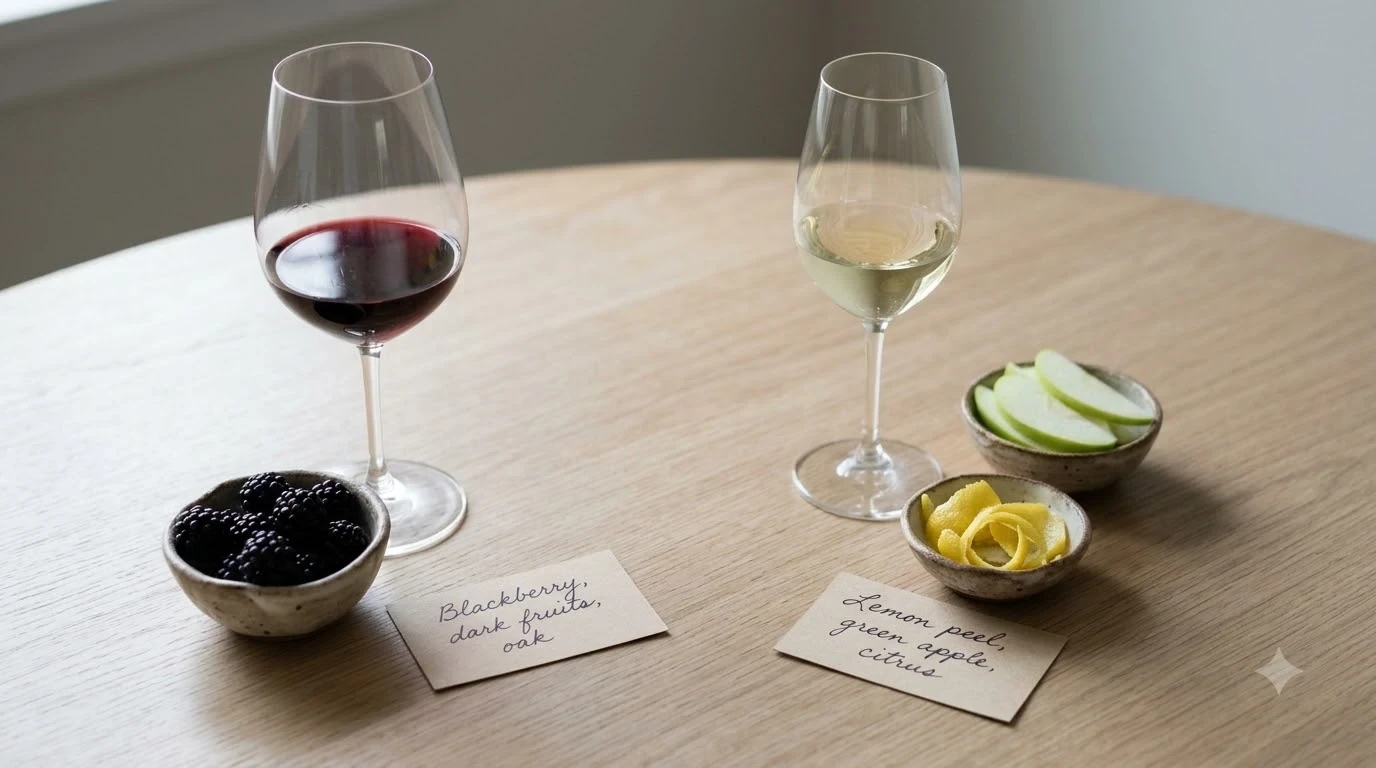
The ideal barolo serving temperature is 60–65°F (16–18°C), with approximately 63–64°F a practical target for bringing out its complex aromas, balanced acidity, and structured tannins. Barolo is a full-bodied Italian red made from Nebbiolo grapes, and serving it slightly cool helps keep its alcohol from overpowering its delicate floral and savory characteristics. Allow the wine to warm gradually in the glass rather than serving it too warm from the beginning.
Barolo has a reputation for combining considerable structure with aromatic complexity. Its flavors can include cherry, raspberry, dried flowers, licorice, spices, and earthy notes that become more expressive when the wine is served at an appropriate temperature. A few simple adjustments before opening the bottle can make a substantial difference, whether you are pouring a youthful Barolo with dinner or opening an older bottle for a special occasion.
The Ideal Temperature for Serving Barolo
Serve Barolo at 60–65°F (16–18°C), aiming for approximately 63–64°F for a balanced starting point. This range allows Nebbiolo’s aromatic detail, firm tannins, and lively acidity to work together without allowing excessive warmth to emphasize alcohol.
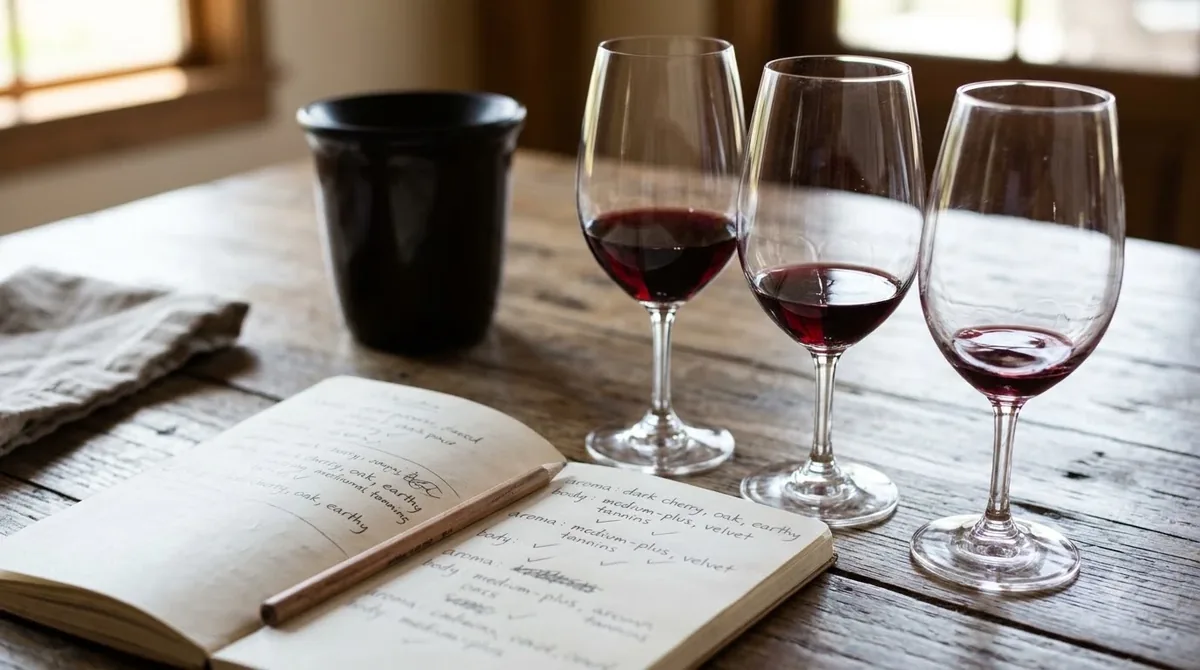
Individual producers sometimes recommend slightly different temperatures. Alessandro Rivetto specifies 18°C (64.4°F) for its Barolo DOCG, while Batasiolo recommends 18–20°C (64–68°F). These recommendations illustrate why a useful serving range is more practical than insisting that every bottle must be poured at one exact temperature. The general guidance for full-bodied reds from wine educators is somewhat cooler, with Wine Enthusiast recommending 60–65°F and Decanter suggesting 61–64°F.
For most bottles, beginning around 63°F is a sensible compromise. The wine will gradually warm after entering the glass, so there is little reason to start at the warm end of every producer’s recommendation. If the bottle has been stored in a cool cellar, it may already be close to the appropriate temperature. A bottle kept in a warm kitchen, by contrast, will usually need some time in the refrigerator before opening.
Temperature influences several aspects of the drinking experience. At an appropriate temperature, Barolo’s red-fruit character and floral aromas become easier to recognize, while its tannins feel more integrated. Excessive warmth can make alcohol seem more prominent and reduce the impression of freshness. Excessive cold can make the wine seem harder, more restrained, and less expressive.
The distinction is especially important with Nebbiolo. This grape naturally produces wines with substantial tannin and acidity, yet Barolo is not simply a powerful red wine. Its aromatic complexity is an important part of its identity. Serving it at a moderate temperature helps preserve that balance.
For a straightforward starting point, use this temperature guide:
| Serving situation | Temperature | Practical guidance |
|---|---|---|
| Cool starting temperature | 60°F (16°C) | Useful for a warm dining room |
| Recommended target | 63°F (17.2°C) | Balanced starting point for most bottles |
| Upper recommended range | 65°F (18.3°C) | Suitable for a cooler room or gradual warming |
| Producer recommendation | 64–68°F (18–20°C) | Some wineries recommend this warmer range |
| Too warm for most situations | 70°F (21°C) or above | Alcohol can become more prominent |
These figures are practical serving references rather than rigid rules. A powerful young Barolo in a warm room may benefit from the cooler end of the range, while an older wine in a cool dining room may be more comfortable slightly warmer. The goal is to preserve aromatic detail and structural balance rather than chase a number without considering the surroundings.
Why Temperature Matters for Nebbiolo
Barolo’s temperature requirements make more sense when you understand the characteristics of Nebbiolo. The grape combines high acidity, substantial tannin, and pronounced aromas, creating a wine that needs enough warmth to reveal its complexity without becoming dominated by alcohol.
Nebbiolo is the grape used to produce Barolo in Piedmont, northwestern Italy. Its aromatic profile can include red cherry, raspberry, rose, violet, dried herbs, licorice, and earthy or mineral impressions. As the wine develops with age, additional notes associated with dried flowers, leather, tobacco, and spices can emerge. The exact expression depends on the vineyard, vintage, winemaking, and bottle maturity.
Temperature affects how clearly these aromas appear. A wine served too cold may initially seem closed, with its floral and fruit characteristics difficult to distinguish. The tannins can also feel more pronounced, making the wine seem austere. As the wine warms slightly, its aromatic components become easier to perceive and its overall texture can feel more harmonious.
Excessive warmth creates the opposite problem. Alcohol becomes more noticeable, while the acidity that gives Barolo its freshness may seem less apparent. The wine can lose some of the precision that makes Nebbiolo distinctive. Decanter explains that serving red wine too warm can accentuate alcohol and diminish the perception of acidity, a particularly relevant consideration for a structured wine such as Barolo. Its explanation of red wine serving temperatures provides additional context for choosing a cooler starting point.
There is also a difference between aromatic intensity and perceived strength. Barolo can feel powerful because of its tannins and concentration, but its most interesting qualities are not necessarily its heaviest ones. Floral aromas and delicate red-fruit notes can be overshadowed when the bottle is served too warm or poured into an unsuitable glass.
This is why a temperature around 63–64°F is such a useful starting point. It provides enough warmth for aromatic expression while retaining the freshness and definition that distinguish Nebbiolo from many other full-bodied reds.
Barolo’s aging potential adds another consideration. Young examples can have firm tannins and concentrated fruit, while mature examples may show more developed aromas and a softer impression of structure. Temperature will not eliminate the differences between these styles, but it can help each bottle express its particular character.
How to Chill Barolo Before Serving
The easiest way to prepare Barolo is to use a refrigerator for a short period, checking the temperature before pouring. A bottle that has been sitting in a warm room can often be brought into the recommended range with approximately 20–30 minutes of refrigeration, although the actual time depends on its starting temperature.
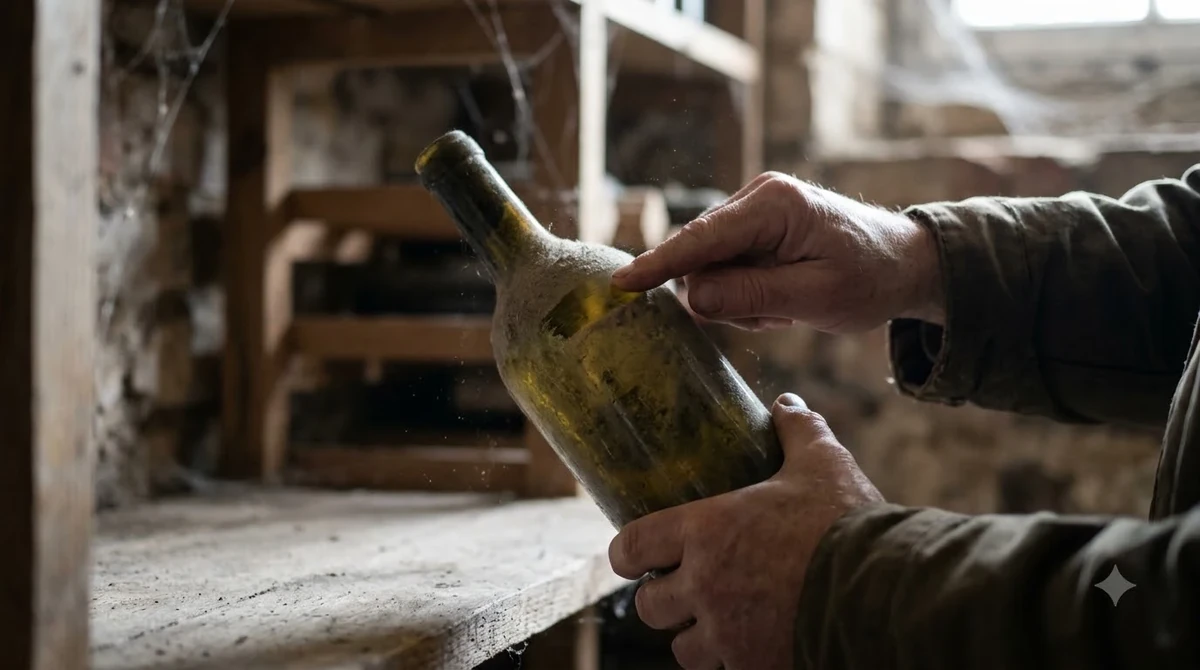
Wine Enthusiast recommends approximately 25 minutes in the refrigerator for full-bodied red wines. This is a useful starting estimate rather than a guarantee. A bottle coming from a particularly warm kitchen may need longer, while one already stored in a cool wine cabinet may require little or no additional chilling. Its wine serving temperature guide also explains why full-bodied reds benefit from being served cooler than traditional room temperature.
If you need to cool a bottle more quickly, use an ice bucket containing cold water and ice. Water helps transfer heat from the glass more efficiently than cold air alone, making this a practical method when dinner is nearly ready. Check the temperature periodically rather than leaving the bottle in the bucket indefinitely.
A wine thermometer is the most reliable way to avoid guesswork. Measure the wine after opening, or use a suitable bottle thermometer before opening. If the wine is below 60°F, give it some time to warm naturally. If it is above 65°F, cool it briefly before serving.
Do not rely entirely on the number of minutes a bottle spends in the refrigerator. Refrigerators differ in temperature, bottle placement affects cooling, and the wine’s original temperature can vary considerably. A bottle stored at 55°F will behave differently from one kept in a dining room at 72°F.
Once poured, Barolo will gradually warm in the glass. This is useful because you can observe how its aromas and texture change during the meal. Rather than trying to make the entire bottle reach a warmer temperature immediately, let the wine develop naturally as you drink.
Tip: If your Barolo feels warm when you open it, place the bottle in the refrigerator for 20–25 minutes and check again. If it is already around 63°F, there is no need for additional chilling. Slightly cool wine can warm in the glass, but wine that starts excessively warm is harder to bring back into balance during dinner.
When serving several wines, prepare Barolo separately from lighter reds and whites. Its ideal temperature is warmer than that of many crisp white wines but cooler than a room that has been heated for a dinner party. A little advance preparation makes it easier to serve every bottle at its best.
Room Temperature, Storage, and Seasonal Adjustments
Room temperature is not a dependable serving recommendation for Barolo. Modern homes can be considerably warmer than the traditional cool rooms in which the old advice about serving red wine at room temperature developed.
A dining room maintained at 70–72°F is generally too warm for Barolo. At those temperatures, alcohol can become more prominent and the wine may seem heavier than intended. Decanter points out that modern household heating makes the traditional room-temperature recommendation unreliable, particularly for full-bodied red wines.
Instead, separate storage temperature from serving temperature. A cellar or wine cabinet maintained near 55°F is a useful environment for storing bottles over time. That does not mean the wine must be poured directly from storage at that temperature. Allow it to move toward the recommended serving range before pouring.
Proper storage also involves protecting the wine from major temperature fluctuations, direct sunlight, and unnecessary movement. Bottles with natural cork closures are generally stored horizontally to keep the cork in contact with the wine. A stable environment is more important than repeatedly moving bottles between cold and warm locations.
Seasonal conditions can change how much preparation is necessary. During summer, a bottle delivered or stored in a warm room may need more cooling than one kept in a temperature-controlled cellar. During winter, a bottle brought from a cool storage area may need a short period at a moderate indoor temperature before serving.
Consider the following situations:
- Warm summer dining room: Start around 60–62°F so the wine does not become excessively warm as dinner progresses.
- Cool dining room: Begin around 63–65°F and allow the wine to develop in the glass.
- Temperature-controlled wine cellar: Check the bottle before serving because cellar temperature and drinking temperature are not necessarily identical.
- Outdoor dinner: Keep the bottle out of direct sunlight and use an ice bucket if the surroundings are warm.
The temperature of the glass itself can also influence the experience. Avoid chilling wine glasses in a freezer immediately before serving, as an extremely cold glass can cool the wine more than intended. A clean glass at a moderate temperature is a better choice for preserving Barolo’s aromatic detail.
These small adjustments are especially useful when serving a bottle over an extended dinner. Wine in the glass gradually responds to its surroundings, and a warm room can make a correctly chilled pour become too warm relatively quickly.
Decanting and Breathing Time for Different Barolo Styles
Decanting can help Barolo develop its aromas and, in older bottles, separate clear wine from sediment. The appropriate approach depends on the wine’s age, structure, and condition rather than on a single rule that applies to every bottle.
Young Barolo often has firm tannins and concentrated aromas. Giving it time in contact with air can make its aromatic profile more expressive and help the wine feel less closed. A practical starting point is 30–60 minutes in a decanter, followed by tasting to assess its development.
Some producers recommend more time. Alessandro Rivetto advises opening its Barolo at least two hours before pouring. That recommendation is useful evidence that individual wines can benefit from extended preparation, although it should not be treated as a universal requirement for every producer or vintage.
For an older Barolo, decanting requires more care. Mature wines can be sensitive to prolonged oxygen exposure, and their aromas may change relatively quickly after opening. If sediment is present, carefully transfer the wine into a decanter while leaving the deposit behind in the bottle. A slow, controlled pour is preferable to vigorous handling.
There is a difference between allowing a wine to breathe and removing sediment. A young bottle may benefit from a period of aeration even when it contains no visible sediment. An older bottle may need decanting primarily for clarity rather than extended aeration. These are separate reasons to use a decanter.
Opening the bottle in advance is another option. You can remove the cork and allow the wine to develop in the bottle, although the surface area exposed to air is smaller than it would be in a decanter. This approach can work well when you want a gradual change rather than rapid aeration.
Choosing a breathing time
Use the following as a practical guide rather than a strict schedule:
- Young Barolo: Begin with 30–60 minutes of decanting and assess the wine as it opens.
- Structured young Barolo: Consider 60–120 minutes if the wine remains closed and the producer’s guidance supports longer aeration.
- Mature Barolo: Open carefully, taste first, and decant briefly only if sediment separation is necessary.
- Fragile or unusually delicate older bottles: Avoid unnecessary prolonged aeration and serve soon after opening.
Remember that decanting does not correct a serving-temperature problem. A warm Barolo can still taste hot after an hour in a decanter, while a cold bottle may remain aromatically restrained even after extensive aeration. Set the temperature first, then decide how much breathing time the wine needs.
For a more complete understanding of wine styles and their serving requirements, the Wine by Type resource provides a useful starting point for comparing different categories of wine.
Glassware and Food Pairings for Barolo
Barolo benefits from a large-bowled red wine glass that gives its aromas room to develop. Pairing it with rich meat dishes, game, and aged cheese also makes sense because the wine’s acidity and tannin provide structure alongside substantial food.
A wide bowl gives the wine more contact with air and creates room for swirling. A slightly tapered opening helps concentrate aromas toward the nose. These features are particularly useful for Nebbiolo, whose character includes both expressive floral notes and deeper savory elements.
A standard large red wine glass is sufficient if you do not own a specialized Barolo glass. There is no need to purchase an elaborate collection of stemware to serve the wine properly. A clean, transparent glass with enough room for a moderate pour is more important than a particular manufacturer or glass shape.
For serving quantities, a standard 750 ml bottle provides approximately five 5-ounce glasses. Avoid filling the glass to the top. Leaving sufficient space allows the wine to release aromas when swirled and makes it easier to observe how the wine changes as it warms.
Food pairing is another reason to consider Barolo’s structure. Nebbiolo’s firm tannins respond well to protein and fat, which can soften their perceived astringency. The wine’s acidity also helps balance rich dishes rather than allowing the combination to feel excessively heavy.
Traditional Piedmontese combinations include braised beef, roasted meats, game, and mature cheeses. Truffle-based dishes are also particularly associated with the region. A slow-cooked beef dish, for example, offers enough richness to complement the wine without overwhelming its aromas.
Other suitable options include:
- Braised short ribs: Their rich texture and concentrated meat flavors complement Barolo’s tannins.
- Roast lamb: Savory roasted flavors work well with the wine’s earthy and herbal characteristics.
- Wild mushroom risotto: Earthy mushroom flavors can complement Barolo’s developed savory notes.
- Beef stew: Slow cooking produces a rich dish that works particularly well with structured red wine.
- Aged Parmigiano-Reggiano: Its savory intensity and texture make it a suitable cheese pairing.
- Game dishes: The deep flavors of venison and other game meats provide a natural match for Nebbiolo.
Temperature matters during food pairing because it affects the perception of tannin, acidity, and alcohol. A Barolo served too warm can feel heavier beside a rich meal, while a wine served too cold may seem unnecessarily firm. Starting around 63–64°F gives the wine room to warm gradually as the meal progresses.
When planning a menu with several courses, serve lighter foods before richer dishes and allow Barolo to accompany the more substantial portion of the meal. If you are also serving sweet wines, keep their temperature and sweetness requirements separate. For example, Sauternes serving temperature follows a cooler serving approach because Sauternes is a sweet white wine rather than a structured red.
Frequently Asked Questions
Should Barolo be served at 65°F or 68°F?
Both temperatures appear in serving recommendations, but 65°F is a more useful general starting point for most situations. Some producers recommend 18–20°C, which corresponds to approximately 64–68°F. The warmer end can suit particular bottles and cooler surroundings, but a temperature closer to 63–65°F usually provides more room for the wine to warm naturally.
Can Barolo be served in a Burgundy wine glass?
Yes. A large Burgundy-style glass can work well because its generous bowl provides space for aromatic development. Traditional Nebbiolo stemware may have a slightly different shape, but a large Burgundy glass is a practical alternative. The important consideration is sufficient bowl capacity and a clean rim that allows aromas to reach the nose.
Does Barolo need to be stored horizontally?
Traditional cork-finished Barolo bottles are generally stored horizontally so the wine remains in contact with the cork. This is particularly relevant for bottles intended for extended cellaring. A stable, dark environment with minimal temperature fluctuation is also important for preserving the wine during storage.
How much Barolo should you pour into a decanter?
Transfer the amount you intend to serve, provided the decanter has sufficient capacity to hold it without spilling. A standard 750 ml bottle contains approximately 25.4 US fluid ounces, so a decanter designed for a full bottle is suitable. For older wine with sediment, use a slow pour and stop when the deposit approaches the neck of the bottle.
Can you drink Barolo the day after opening it?
Yes, provided the remaining wine is recorked or sealed and refrigerated promptly. Its character may change after exposure to oxygen, and delicate aromas can become less pronounced. For the best results, minimize the amount of air in the remaining bottle and bring the wine back toward its recommended serving temperature before pouring again.
For most bottles, serving Barolo at approximately 63–64°F provides an excellent balance between aromatic expression, acidity, and tannin. Chill the wine briefly if necessary, choose a large-bowled glass, and adjust decanting time to the bottle’s age and condition. These straightforward steps help preserve the qualities that make Barolo one of Piedmont’s most distinctive red wines.
More in Wine Types & Grapes
 What Is Alicante Bouschet: The Rare Red-Fleshed Grape Behind Bold RedsUpdated Nov 21, 2026
 What Glass for Sparkling Wine Brings Out the Best Bubbles and AromaUpdated Nov 21, 2026
 What Glass for Sangria Works Best for Easy, Chilled ServingUpdated Nov 21, 2026
 What Does Vin Santo Taste Like? Flavor Profile, Styles, and Pairing GuideUpdated Nov 21, 2026
 What Glass for Sake Works Best to Unlock Every AromaUpdated Nov 21, 2026
 What Glass for Mulled Wine Keeps It Warm and Safe to HoldUpdated Nov 21, 2026