

We may earn a commission when you buy through links on this page, at no extra cost to you. Learn more.
What is sediment in wine? Sediment is solid material that settles out of a wine over time, usually in the bottom of the bottle or on the inside of the glass. In many cases it is harmless and simply reflects natural compounds in the wine, such as tartrate crystals or pigments and tannins, so the usual response is to pour carefully and leave the deposit behind.
Finding small particles at the bottom of a bottle can make people wonder whether the wine has spoiled. In most cases it has not. Sediment is a normal part of many wines, especially those that have been aged or made without heavy filtering. Knowing where it comes from and how to handle it makes the difference between a clear glass and a gritty one.
What sediment is made of
Wine is a solution of water, alcohol, acids, sugars and many dissolved compounds. As a wine ages or changes temperature, some of those compounds can come out of solution and form solids. The deposit people see is usually one of a few materials, and the most common one in white and sparkling wines is tartrate crystals.
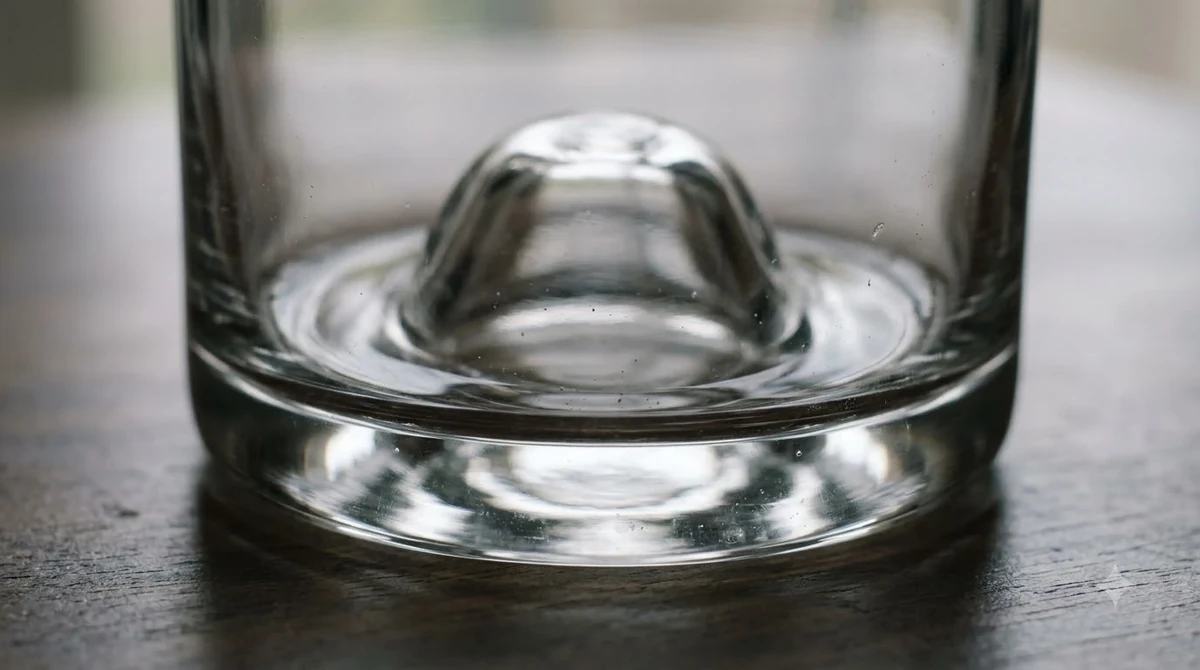
The Wikipedia article on tartaric acid describes potassium bitartrate crystals that sometimes form spontaneously on the cork or at the bottom of the bottle. Those crystals are sometimes called wine diamonds, and they are often mistaken for broken glass. The article describes the crystals as harmless, although the wine section of that page carries a note that it needs more citations.
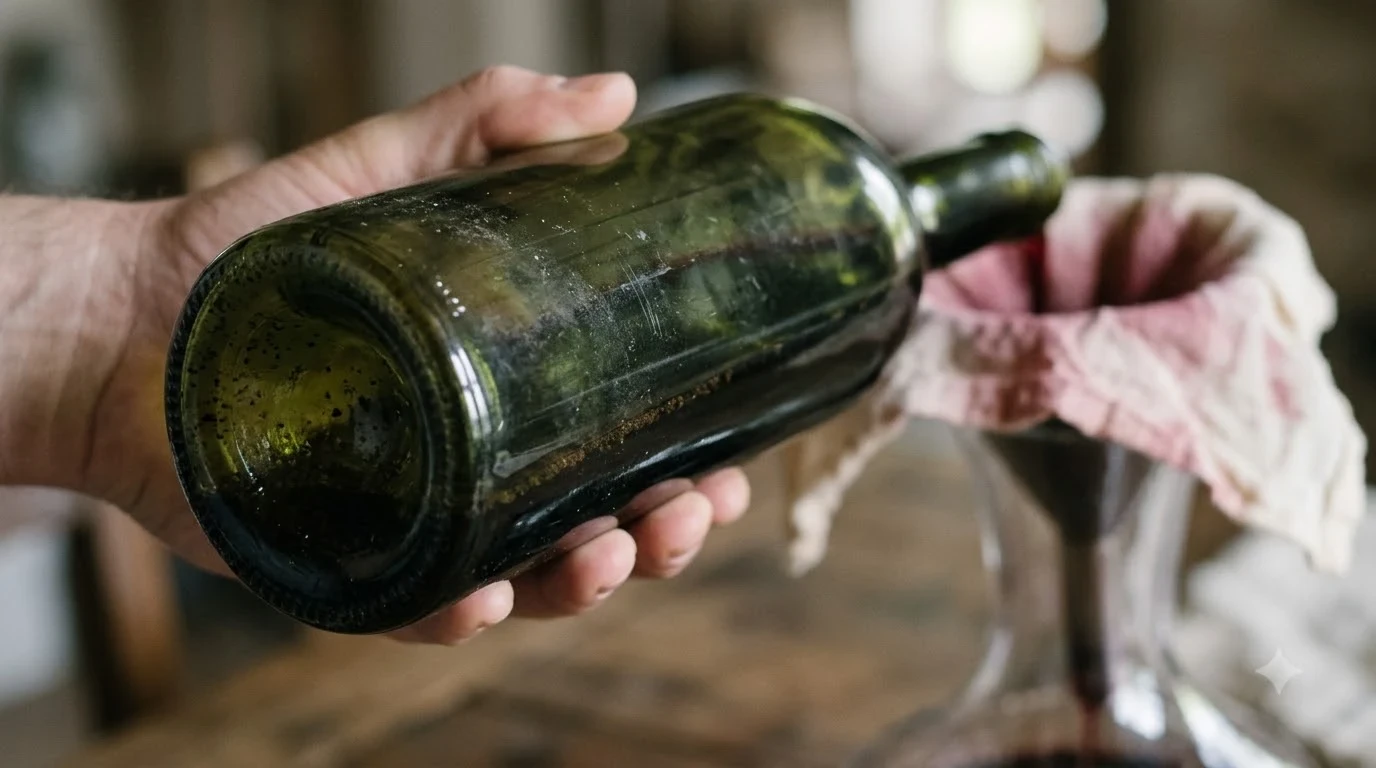
Red wines can throw a different kind of deposit. Over time, tannins and pigments bind together and drop out of the liquid. This is why an older red bottle may leave a dark, crumbly residue on the glass or in the last part of the pour. It is a sign that the wine has aged, not that it has gone bad.
Which wines are most likely to throw sediment
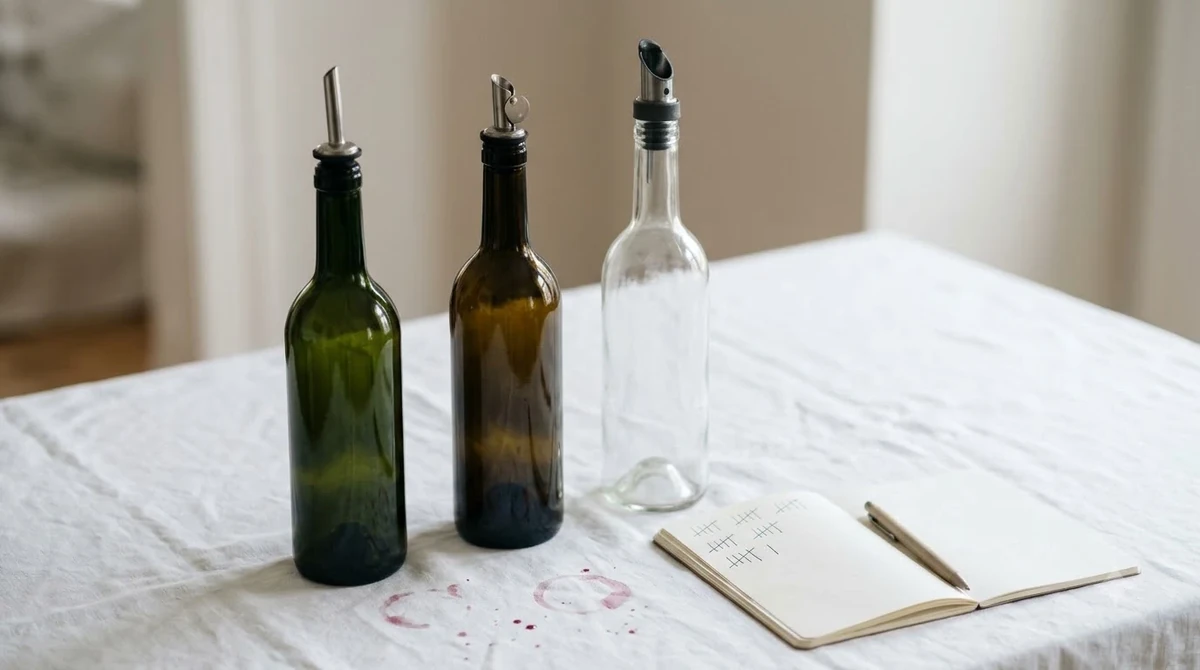
Sediment is more common in some categories than others. Aged reds are the classic example, especially wines that were not heavily filtered before bottling. Some unfiltered or lightly processed whites and sparkling wines can also show crystals or a haze, depending on the producer’s approach. Young, filtered wines usually stay clear because the solids were removed before the bottle left the winery.
The producer’s choices matter as much as the style. A winemaker who filters tightly may produce a bottle that looks clean from the first pour, while a producer who avoids heavy processing may leave more natural material in the wine. Neither choice makes the wine better or worse by itself, but it helps explain why sediment appears in some bottles and not others.
Why tartrate crystals form and how producers prevent them
Tartrate crystals form when the conditions in the bottle change, and cold is a major trigger. Wine kept cool can allow the crystals to fall out of solution, which is why they sometimes show up after a bottle has been chilled in a fridge. The Wikipedia article notes that winemakers prevent these crystals in many wines through a process called cold stabilization, which chills the wine so the crystals drop out before bottling.
The article also points out that cold stabilization is not always preferred, because it can change the wine’s profile. Some producers accept a few crystals in exchange for a wine that keeps its character. The article adds that tartrate deposits building up inside aging barrels were once a major industrial source of potassium bitartrate, which shows how common these crystals are in winemaking.
Tip: If you see small, glassy crystals on the cork or the bottom of a chilled white, they are most likely tartrates. Pour the wine gently and leave them behind.
How to handle sediment when you pour
Handling sediment is mostly a matter of technique rather than equipment. The main idea is to disturb the bottle as little as possible and let gravity do the work.
The main technique is patience. Stand the bottle upright for a while before opening it, so the deposit can settle to the bottom and cling to the side of the glass rather than mixing into the liquid. Open the bottle carefully, avoid shaking it, and pour in one steady motion while watching the neck. Many people stop pouring as soon as the cloudy liquid reaches the shoulder of the bottle.
Decanting is another option, especially for aged red wines. Pour the wine slowly into a clean decanter, keeping the bottle’s shoulder above a light source so you can see the moment the sediment reaches the neck. Decanting also gives the wine a chance to breathe, but the main goal is separation. If you are unsure, serve the wine from the decanter and leave the last spoonful in the bottle.
Storage also shapes how sediment looks in the glass. A bottle that was moved often or stored in a warm room can have a deposit that is stirred up and cloudy, while a bottle that rested undisturbed in a stable cellar tends to show a cleaner line between the wine and the solids. If you are buying an older bottle, a little time upright before opening will usually help.
When sediment is a problem and when it is not
Sediment alone is not a sign of spoilage. A wine that has spoiled usually shows other signs, such as an off smell like vinegar, an unpleasant sharp or flat taste, or a cork that has clearly failed. Deposits that look like crystals or fine grit are generally harmless, and many people simply pour around them.
The exception is a bottle that has been stored badly. Heat, light and temperature swings can all affect a wine, and a bottle that has been exposed to them may show other changes that go beyond sediment. If a wine smells or tastes wrong, the deposit is not the main issue, and the bottle is worth setting aside rather than drinking.
Some people also wonder whether sediment changes the flavor. In general, the solids that settle out are not the part you want to drink, so leaving them behind keeps the wine’s taste clean. Some drinkers like a little texture from the last glass, but most find that a clear pour tastes more even from the first glass to the last.
Frequently Asked Questions
What is sediment in wine made of?
It can be tartrate crystals, which are potassium bitartrate, or natural tannins and pigments that have bound together and settled out. The exact material depends on the wine and how it was made.
Is sediment in wine dangerous?
Sediment alone is not a sign of spoilage. The Wikipedia article describes tartrate crystals as harmless, though people often mistake them for broken glass. If a wine smells sour or tastes off, do not drink it because of sediment, and check the bottle for other signs of spoilage.
Should you decant wine with sediment?
Decanting is a good option for aged reds that throw a deposit, because it lets you separate the clear wine from the sediment. Pour slowly and stop when the cloudy part reaches the neck of the bottle.
Why does my white wine have crystals in it?
Tartrate crystals can form in white wine, especially when it gets cold. Many producers remove them before bottling through cold stabilization, but some wines keep a few crystals. They are usually harmless and can be left in the bottle.
Sediment is usually a sign that a wine has aged or was made with minimal processing, not that it has gone bad. Stand the bottle upright, pour carefully and decant when the wine is old enough to throw a deposit. For more terms that show up on bottles, read what is a wine key or the Wine Glossary, and see where champagne comes from if you are curious about sparkling wine production.
More in Wine Basics
 Which Rose Is Best for Your Taste, Budget, and Food PairingsUpdated Nov 21, 2026
 Is Cheap Wine Bad? How to Find Bottles Worth DrinkingUpdated Nov 21, 2026
 What To Write On A Wine Gift Tag: Thoughtful Messages For Every OccasionUpdated Nov 21, 2026
 Which Wine Is Best For Weight Loss? Compare Lower-Calorie ChoicesUpdated Nov 21, 2026
 What Is The Best Wine For Mimosas? Choose Bubbly That Balances Orange JuiceUpdated Nov 20, 2026
 Which Prosecco Is Best for Your Taste and OccasionUpdated Nov 20, 2026