


We may earn a commission when you buy through links on this page, at no extra cost to you. Learn more.
Augusta wine country is a historic wine-growing destination in Augusta, Missouri, recognized as the first federally designated American Viticultural Area (AVA) in the United States on June 20, 1980. Located along the Missouri River Valley, approximately 37 miles west of St. Louis, this compact wine region combines nineteenth-century winemaking heritage, distinctive Midwestern grape varieties, historic estates, and scenic vineyard views. Visitors can explore established wineries, taste regional wines such as Norton and Vignoles, and experience an important chapter in American wine history.
Missouri might not be the first state that comes to mind when planning a wine-country vacation, but Augusta deserves attention from travelers interested in American wine heritage. Its vineyards reflect generations of European winemaking traditions adapted to the Midwest, while its wineries offer a welcoming alternative to larger, more commercial wine destinations. Whether planning a weekend getaway, a day trip from St. Louis, or a broader exploration of Missouri wine, understanding Augusta’s history, grapes, wineries, and geography makes the experience more rewarding.
Why Augusta Is America’s First Recognized Wine Region
Augusta holds a special place in American wine history because its AVA designation preceded those of Napa Valley and other famous American wine regions. Its recognition reflects the area’s distinctive growing environment and established winemaking tradition rather than simply its popularity as a tourist destination.
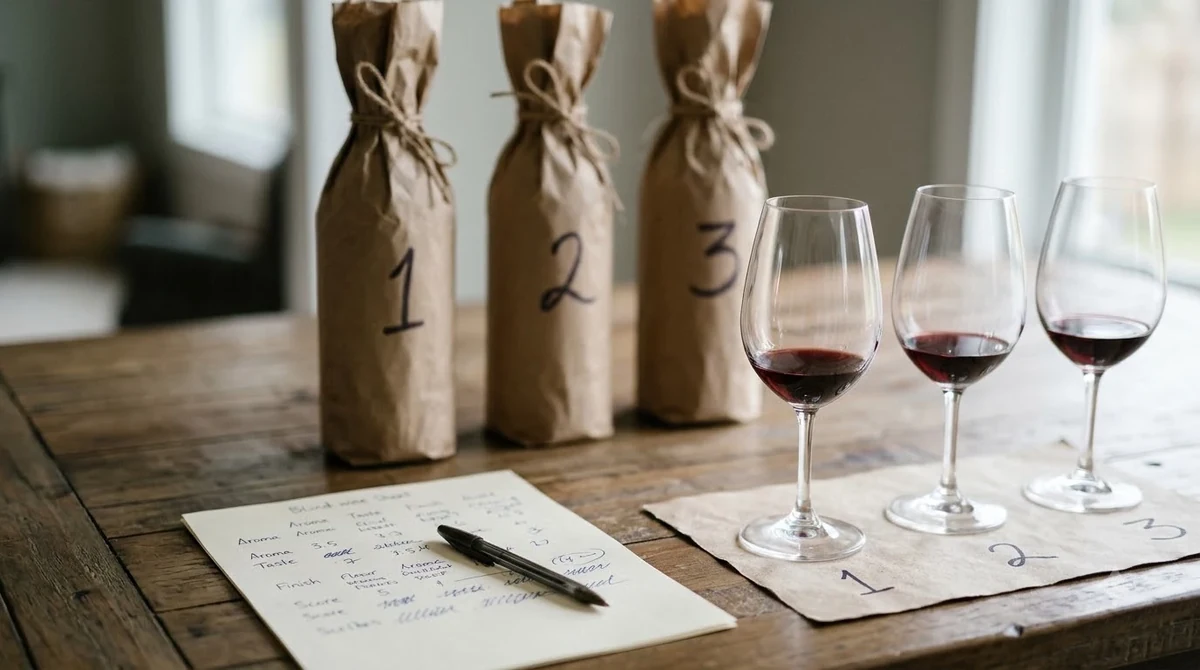
The Augusta AVA received federal recognition on June 20, 1980. According to the Missouri Wine and Grape Board, the designation covered approximately 15 square miles surrounding the town. Several other wine-growing districts had submitted applications, including seven California districts and one in Oregon, but Augusta received the first designation. Napa Valley followed on January 28, 1981.
An American Viticultural Area is a geographically defined grape-growing region recognized by the federal government for characteristics that distinguish it from surrounding areas. These characteristics can include geography, climate, soil, and other environmental conditions that influence viticulture. An AVA does not guarantee a particular wine quality or require wineries to produce a specific style. Instead, it establishes a recognized regional identity and helps consumers understand where grapes originate.
Augusta’s designation is particularly meaningful because the town already had a substantial agricultural and grape-growing history before the federal appellation system existed. German immigrants settled in the Missouri River Valley during the nineteenth century and recognized its potential for grape cultivation. Their agricultural knowledge, European wine traditions, and experience working with different grape varieties helped establish the foundations of Missouri’s wine industry.
For wine enthusiasts, Augusta’s historical significance provides an interesting contrast with newer American wine destinations. A visit offers the opportunity to explore a region that helped establish the framework for recognizing distinctive American grape-growing areas.
It is also useful to distinguish Augusta itself from Missouri’s other wine regions. The state includes several AVAs, including Hermann, Ozark Mountain, Ozark Highlands, and Loess Hills. Each has different geographic characteristics, and the Augusta designation refers specifically to its compact area surrounding the historic town.
Geography, Soil, and the Missouri River Valley
Augusta’s landscape is defined by rolling hills, vineyard-covered slopes, and views across the Missouri River Valley. Its approximately 15-square-mile AVA offers a relatively concentrated wine-country experience, with distinctive soils and terrain contributing to the identity of local vineyards.
The town stands on elevated ground overlooking the Missouri River Valley, approximately 37 miles west of St. Louis. Its location gives visitors a combination of agricultural scenery, historic buildings, country roads, and river-valley landscapes. The surrounding hills also create different vineyard exposures and elevations, allowing individual vineyard sites to develop their own growing conditions.
Soil is an important part of understanding Augusta’s viticultural identity. Augusta Winery identifies Hayne Silt-Loam, a soil containing clay and silt, among the region’s characteristic vineyard soils. These soil components influence drainage, moisture retention, and root development. Vineyard managers consider such characteristics when choosing grape varieties and managing individual blocks.
The Missouri River Valley also plays an important role in the area’s broader environment. Its landscape and surrounding terrain influence local growing conditions, while the hills provide the elevated settings that make several winery properties attractive visitor destinations.
It is important not to assume that every vineyard in Augusta has identical soil or exposure. Individual properties can differ in slope, elevation, drainage, and vineyard management. These variations help explain why wines from neighboring producers may show different characteristics even when they use similar grapes.
The compact geography makes Augusta especially convenient for visitors who want to compare wineries without spending much of the day driving. The four featured Hoffmann Augusta Area Wineries are located within roughly a 10-mile stretch, creating an accessible route for a carefully planned tasting excursion.
Grape Varieties and Wine Styles to Explore
Augusta’s wine identity is closely associated with grape varieties suited to Missouri’s growing environment, including French-American hybrids and regional favorites. Norton, Vignoles, Chardonel, Chambourcin, and Vidal Blanc are useful names to recognize when exploring local tasting lists.
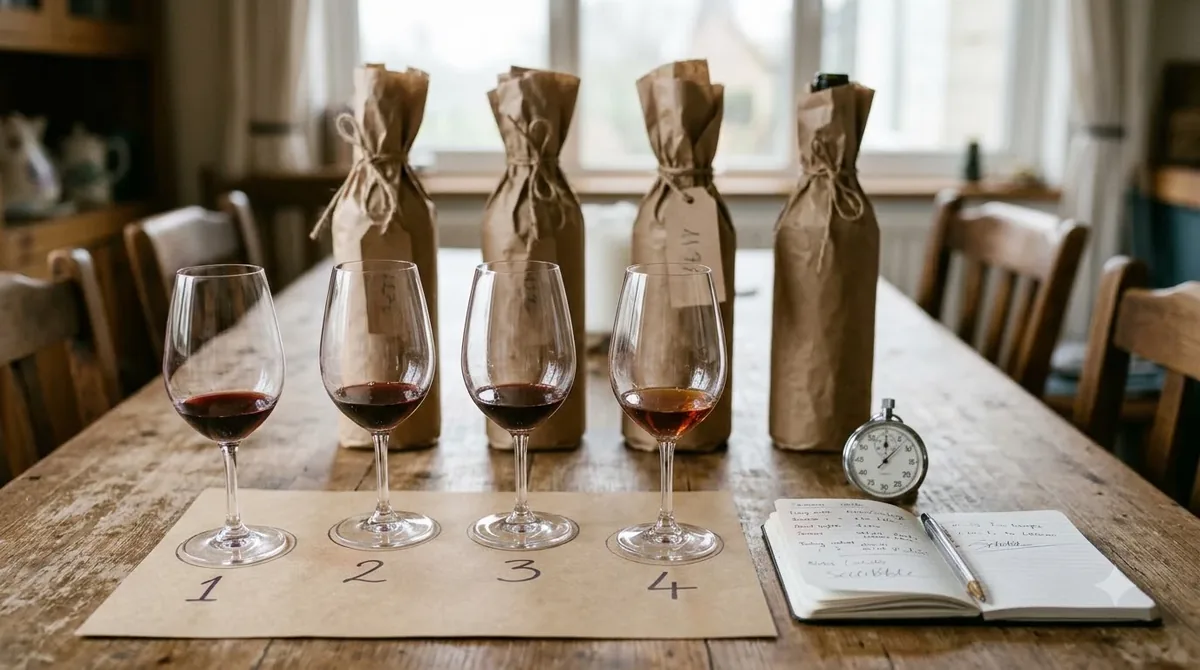
Unlike regions internationally recognized for a narrow group of European varieties, Missouri producers work with a broader selection of grapes adapted to the Midwest. Some are hybrid varieties developed through grape breeding, while others have distinct historical associations with American viticulture.
Norton and Cynthiana
Norton, also known as Cynthiana, is Missouri’s official state grape. It has a particularly important place in the state’s wine history and is one of the varieties visitors should consider when tasting regional wines.
Red Norton wines can offer dark fruit, firm structure, and noticeable acidity. Their flavor profiles vary with vineyard conditions, ripeness, winemaking decisions, and aging. Some examples are produced in a relatively fresh style, while others receive oak treatment or extended aging to develop additional complexity.
When tasting Norton, pay attention to its fruit character, acidity, tannin, and finish. Comparing two producers’ versions can reveal how different winemaking choices affect the same regional grape.
Chambourcin
Chambourcin is a French-American hybrid red grape associated with Missouri wine production. It can produce wines with dark berry flavors, moderate tannin, and a flexible structure that works in different styles.
Depending on production methods, Chambourcin may be made as a dry red, a softer fruit-forward wine, or part of a blend. It is a useful choice for visitors who enjoy red wine but want to explore varieties beyond Cabernet Sauvignon and Merlot.
Vignoles and Vidal Blanc
Vignoles is a white hybrid grape capable of producing aromatic wines with lively acidity. Depending on ripeness and winemaking, it may show citrus, orchard fruit, floral notes, or tropical-fruit characteristics. Producers can make it in dry, off-dry, or sweeter styles.
Vidal Blanc is another white hybrid worth recognizing. It is associated with fresh fruit flavors and balanced acidity, making it suitable for a range of food-friendly white wines. Its versatility gives visitors a useful opportunity to compare different levels of sweetness and texture.
Chardonel, Seyval Blanc, and St. Vincent
Chardonel is a hybrid white grape with Chardonnay and Seyval Blanc parentage. It can produce wines with orchard-fruit characteristics and a fuller texture, depending on fermentation and aging techniques. Seyval Blanc is another variety used for fresh, approachable white wines.
St. Vincent adds another regional option to the tasting experience. It is a red hybrid grape associated with Missouri vineyards and offers visitors an opportunity to explore varieties that are less familiar outside Midwestern wine regions.
The following table summarizes several grapes to look for when visiting Augusta. The style descriptions are general tasting expectations rather than guarantees for every producer.
| Grape | Wine category | Typical characteristics | Food pairing |
|---|---|---|---|
| Norton/Cynthiana | Red | Dark fruit, acidity, firm structure | Grilled beef and barbecue |
| Chambourcin | Red | Berry fruit and moderate tannin | Roasted pork and mushrooms |
| St. Vincent | Red | Red fruit and approachable structure | Roast chicken and charcuterie |
| Vignoles | White | Aromatic fruit and refreshing acidity | Spicy Asian dishes and seafood |
| Vidal Blanc | White | Fresh fruit and lively acidity | Chicken and mild cheeses |
| Chardonel | White | Orchard fruit and fuller texture | Roasted poultry and creamy pasta |
| Seyval Blanc | White | Fresh citrus and crisp acidity | Salads and grilled fish |
One of the most enjoyable ways to understand Augusta’s wine identity is to taste several varieties side by side. Instead of concentrating exclusively on familiar international grapes, ask tasting-room staff about Norton, Vignoles, and other Missouri varieties. These wines offer a more direct introduction to the area’s regional character.
Historic and Notable Wineries in Augusta
Augusta’s wineries combine historic estates, modern tasting experiences, and vineyard properties with attractive views. Four particularly prominent destinations are Mount Pleasant Estates, Montelle Winery, Augusta Winery, and Balducci Vineyards, while Noboleis Vineyards provides another worthwhile stop.
Mount Pleasant Estates is one of the most important stops for visitors interested in the region’s history. Founded in 1859, it is identified as Augusta’s oldest winery. Its historic association makes it a natural starting point for understanding how commercial wine production developed in the Missouri River Valley. Visitors can enjoy its estate atmosphere, wine offerings, and surrounding scenery.
Montelle Winery was established in 1970 and is particularly associated with its hilltop position overlooking the Missouri River Valley. The elevated setting provides a memorable perspective on the area’s rolling terrain and vineyard landscape. For visitors who appreciate scenic surroundings as much as the wines themselves, Montelle deserves a place on the itinerary.
Augusta Winery was established in 1988. Its tasting room and Wine & Beer Garden offer visitors a relaxed setting for exploring Missouri wines. The winery describes its production approach as small-batch winemaking, with an emphasis on careful attention to individual wines. Its outdoor garden also features a grapevine-covered arbor and seasonal live entertainment.
Balducci Vineyards was established in 2001 and brings an Italian-inspired approach to the local wine-country experience. Its offerings combine Missouri wines with Italian-influenced food, vineyard scenery, and a social atmosphere. It is a useful destination for visitors who want to combine a tasting with a meal.
Noboleis Vineyards offers another option for a relaxed afternoon among rolling vineyards. Its visitor experience includes wine tastings, casual food, outdoor seating, and live music. Its setting makes it particularly appealing for travelers who prefer spending more time at one property rather than rushing through several tasting rooms.
These destinations provide different experiences rather than identical tasting-room visits. A historic estate, a hilltop winery, a garden setting, and an Italian-inspired vineyard property each offer a different way to experience Augusta. For official winery details and destination information, the Visit Augusta winery directory is a useful starting point.
Opening schedules, tasting arrangements, food availability, and entertainment programs can vary. Checking individual winery websites before setting out is a practical way to avoid arriving during a private event or outside regular visitor hours.
Planning a One-Day Augusta Wine Country Itinerary
Augusta’s compact wine district makes a one-day visit practical, particularly for travelers staying in or around St. Louis. The four featured wineries occupy approximately 10 miles of territory, so visitors can build a varied itinerary without committing to long drives between destinations.
Start the day with a visit to Mount Pleasant Estates. Its foundation in 1859 provides an appropriate introduction to Augusta’s nineteenth-century wine history. Allow approximately 60 to 90 minutes for a relaxed tasting and time to explore the property’s surroundings.
Continue to Montelle Winery for a different perspective on the Missouri River Valley. Its hilltop setting is an excellent opportunity to appreciate the landscape that defines Augusta’s wine-growing environment. Plan approximately 60 minutes for tasting and enjoying the views, allowing additional time if you intend to have a meal.
Afterward, consider Balducci Vineyards for an Italian-inspired food and wine experience. A lunch break of approximately 60 to 90 minutes allows visitors to enjoy the property’s hospitality without rushing through the tasting.
Finish at Augusta Winery, where the tasting room and Wine & Beer Garden provide a relaxed final stop. Depending on the day and season, visitors may also find live entertainment and outdoor seating. Reserve approximately 60 to 90 minutes for this visit.
The following itinerary provides a practical example rather than a fixed schedule. Travel time and individual winery operating hours should determine the final order.
| Suggested time | Destination | Activity |
|---|---|---|
| 10:30 a.m. | Mount Pleasant Estates | Historic winery visit and tasting |
| 12:00 p.m. | Montelle Winery | Wine tasting and valley views |
| 1:30 p.m. | Balducci Vineyards | Lunch and wine exploration |
| 3:30 p.m. | Augusta Winery | Tasting room and Wine & Beer Garden |
Visitors who prefer a slower experience can choose just two wineries and spend more time enjoying each property. Noboleis Vineyards is another option for travelers who want outdoor seating, casual food, and a relaxed vineyard setting.
For a broader exploration of American wine destinations, Augusta can also be compared with Yadkin Valley wine country in North Carolina and Hill Country vineyards in Texas. These destinations demonstrate how different American wine regions develop distinctive identities through their geography, grapes, and local traditions.
Missouri Food Pairings and Regional Wine Tasting
Food is an important part of an Augusta wine-country visit because Missouri’s grape varieties offer several pairing possibilities. Norton, Chambourcin, Vignoles, and Vidal Blanc each bring different combinations of acidity, fruit, tannin, and sweetness to the table.
For Norton, consider grilled beef, smoked meats, and hearty barbecue. The grape’s darker fruit character and structured profile can work well with substantial dishes. Salt and fat in food can soften the perception of tannin, helping the wine feel more balanced alongside richer meals.
Chambourcin is a flexible companion for roasted pork, grilled chicken, and mushroom dishes. Its fruit-forward character can complement savory flavors without overpowering lighter meats. For a casual winery meal, it can also work with charcuterie, especially when the board includes cured meats and moderately aged cheeses.
White wines such as Vignoles, Vidal Blanc, and Seyval Blanc offer different opportunities. A dry Vignoles can complement grilled fish, seafood, and salads. Its acidity helps refresh the palate between bites, particularly when the food contains herbs, citrus, or fresh vegetables.
Off-dry Vignoles can be particularly useful with spicy dishes. A little sweetness can balance chili heat, while the wine’s acidity helps prevent the pairing from feeling heavy. However, high-alcohol wines and strongly tannic reds are generally less comfortable alongside intensely spicy food because alcohol and tannin can make the sensation of heat more pronounced.
Chardonel may be a good choice for roasted poultry, creamy pasta, and dishes featuring mild cheeses. Its fuller texture can work with richer preparations, particularly when the wine has enough acidity to balance the food.
How to Approach a Winery Tasting
Begin with lighter, drier wines before moving to fuller-bodied reds and sweeter selections. This sequence helps keep the palate fresh and makes it easier to notice differences in aroma, acidity, body, and finish.
For each wine, pay attention to four basic characteristics: aroma, acidity, tannin, and texture. A wine may smell strongly of dark fruit but feel relatively light on the palate, or it may have subtle aromas with a fuller structure. These distinctions help explain why grape variety alone does not determine the final wine style.
Tip: Ask for a comparison of two Missouri varieties, such as Norton and Chambourcin or Vignoles and Vidal Blanc. Tasting related styles side by side provides a more useful introduction to Augusta’s wine identity than sampling several unrelated wines without a comparison.
Food pairing also depends on how the wine is made. A dry white should generally have acidity equal to or greater than that of an acidic dish. Sweeter wines are often more successful with spicy or sweet foods when the wine is at least as sweet as the dish. Avoid pairing tannic red wines with oily fish, which can create an unpleasant metallic impression.
Best Time to Visit, Getting Around, and Practical Tips
Augusta is a year-round destination, but spring through fall is particularly appealing for visitors who want outdoor tastings, vineyard scenery, and seasonal winery entertainment. Planning around opening hours, transportation, and the number of tasting stops makes the experience more comfortable.
Spring brings fresh vineyard growth and a renewed outdoor atmosphere. Temperatures become more comfortable for exploring winery grounds, although weather can vary. Summer offers longer daylight hours and opportunities to enjoy outdoor seating, live music, and vineyard views. Visitors should plan for warm conditions and allow enough time between stops.
Fall is especially attractive for travelers interested in vineyard landscapes. Changing foliage adds color to the rolling hills, and the harvest season provides a useful opportunity to learn about grape growing and the work involved in making wine. Harvest timing varies by variety and weather, so not every vineyard will be picking grapes during the same visit.
Winter offers a quieter experience. Outdoor activities may be more limited, but tasting rooms and historic properties can still make an enjoyable trip when they are open. Check seasonal schedules rather than assuming every winery operates on identical hours throughout the year.
Transportation and Distance
Augusta is approximately 37 miles west of St. Louis according to the town’s historical information. The drive makes it a convenient destination for visitors based in the metropolitan area, although actual travel time depends on the starting point, traffic, and road conditions.
A car is generally the most convenient way to reach the wineries and move between properties. However, anyone planning multiple wine tastings should arrange a designated driver or professional transportation. Tasting pours may be smaller than a standard restaurant serving, but several stops can still add up.
Visitors interested in exploring beyond the wineries can look into the Katy Trail, local shops, dining establishments, and other regional attractions. Augusta’s appeal extends beyond the tasting rooms, making it possible to create a weekend itinerary rather than limiting the visit to wine.
Serving and Wine Storage
For visitors purchasing bottles to enjoy later, proper storage and serving temperatures help preserve the wines’ intended character. Store unopened bottles in a cool, dark location with a relatively stable temperature. A temperature near 55 degrees Fahrenheit is a useful general target, and bottles sealed with natural cork are traditionally stored on their sides.
Serving temperature also matters. Light white wines generally show well at 45 to 50 degrees Fahrenheit, while fuller-bodied whites are better around 50 to 55 degrees. Light reds can be served at 55 to 60 degrees, and fuller reds at approximately 60 to 65 degrees. Avoid serving every red wine at warm room temperature, particularly in heated indoor spaces.
After opening a bottle, refrigerate remaining still wine and aim to enjoy it within approximately three to five days. Sparkling wines generally retain their best qualities for around one to three days when properly sealed and refrigerated. These are practical storage ranges, not guarantees, since wine style, closure, and exposure to oxygen affect how quickly an opened bottle changes.
For more background on regional American wine destinations, the Wine Regions resource provides a broader starting point for comparing different grape-growing areas. Travelers interested in exploring another established American wine destination can also discover Pennsylvania wine country.
Frequently Asked Questions
What does AVA stand for in Augusta wine country?
AVA stands for American Viticultural Area. The designation identifies a geographically defined grape-growing region, and Augusta’s official federal designation is associated with the identification number 1 in the original American AVA system.
What is the difference between Norton and Cynthiana?
Norton and Cynthiana are commonly used names for the same American grape variety. The name Norton is especially prominent in Missouri, where the grape has official state-grape status and a longstanding association with regional wine production.
Did Missouri grapevines help save vineyards in France?
Yes. Missouri supplied phylloxera-resistant rootstock to French wine-growing regions during the nineteenth century. The solution involved grafting French grape varieties onto resistant American roots, preserving the identity of many traditional European wines while protecting their vines from the pest.
Can visitors explore Augusta without spending the entire day at wineries?
Yes. The town also offers local shopping, dining, historic architecture, and access to outdoor recreation. The Katy Trail is a notable regional attraction, providing a different way to experience the Missouri River Valley beyond wine tasting.
Is Augusta part of the Hermann AVA?
No. Augusta and Hermann are separate Missouri American Viticultural Areas. Hermann received its own designation on August 18, 1983, while Augusta was recognized first on June 20, 1980.
Augusta wine country offers a distinctive combination of American wine history, regional grape varieties, established wineries, and beautiful Missouri River Valley scenery. Its compact geography makes it especially suitable for a day trip from St. Louis, while its historic properties and local wine styles reward a longer visit. For travelers interested in discovering the roots of American viticulture, Augusta is a memorable destination worth adding to a Missouri wine-country itinerary.
More in Wine Regions
 Willcox Wine Trail: Discover Arizona’s High-Elevation Wine CountryUpdated Nov 20, 2026
 Yakima Valley Wine Region: Find the Best Styles to TryUpdated Nov 20, 2026
 Vosne Romanee Wine Tasting: Identify Aromas and Choose Better PairingsUpdated Nov 20, 2026
 Yakima Valley Wine Festival: Find the Best Seasonal Wine EventsUpdated Nov 20, 2026
 Wales Vineyards: Discover Cool-Climate Wines and Where to VisitUpdated Nov 20, 2026
 Yountville Wine Festival: Discover Napa Wines and Local FoodUpdated Nov 20, 2026