

We may earn a commission when you buy through links on this page, at no extra cost to you. Learn more.
Missouri wine country is one of the oldest and most historically significant winemaking regions in the United States, spanning five federally recognized American Viticultural Areas and more than 125 wineries across the state. Anchored along the bluffs of the Missouri River Valley and stretching south into the Ozark Mountains, the region is best known for hearty native American grapes like Norton and cold-hardy French-American hybrids such as Vignoles and Chambourcin. Its Augusta AVA earned the distinction of becoming the very first federally designated wine appellation in America in June 1980, beating out Napa Valley by more than seven months.
For travelers and wine lovers accustomed to West Coast tasting rooms, discovering Wine Regions in the American heartland can feel like stepping into an entirely different chapter of viticultural history. Settled largely by German and Italian immigrants in the mid-nineteenth century, Missouri built a thriving commercial wine industry long before Prohibition interrupted production. Today, the state pairs deep historic cellars with scenic river trails, limestone-rich hillsides, and expressive wines built for Midwestern seasons.
Overview of Missouri Wine Country
Missouri wine country encompasses a diverse agricultural landscape that stretches from the northwest corner of the state down through the Missouri River corridor and across the rolling hills of the Ozarks. Rather than relying on classic European Vitis vinifera varieties that struggle in humid summers and freezing winters, local growers focus on resilient native cultivars and French-American hybrids tailored to a true continental climate.
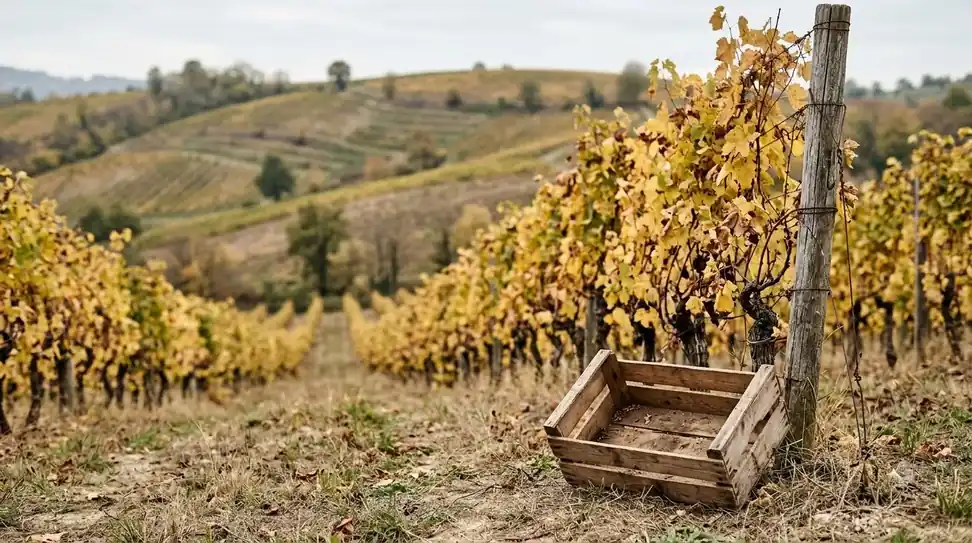
The roots of commercial winemaking here date back to the 1830s, when German immigrants arrived along the Missouri River drawn by affordable land and rocky slopes that reminded them of the Rhine Valley. By the turn of the twentieth century, the state had become one of the leading wine producers in the nation, operating roughly 100 wineries before the Eighteenth Amendment forced vineyards to tear out vines or pivot to table grapes.
Following the repeal of Prohibition and decades of slow recovery, a modern renaissance began in the late twentieth century. In June 1980, the federal government officially recognized the Augusta district just west of St. Louis as the first American Viticultural Area in the United States. That milestone sparked renewed investment across the state, eventually growing into a network of eight distinct wine trails that welcome visitors year-round.
Sub-Regions and American Viticultural Areas
Missouri is home to five official American Viticultural Areas, each defined by distinct soil profiles, river drainage systems, and microclimates. Several of these appellations overlap, with the massive Ozark Mountain AVA acting as an umbrella region over three smaller, historically concentrated districts.
| AVA Name | Year Established | Approximate Size | Notable Geographic Features |
|---|---|---|---|
| Augusta AVA | 1980 | 15 square miles | Limestone bluffs and alluvial soils along the Missouri River west of St. Louis |
| Hermann AVA | 1983 | 51,200 acres | Steep river hills and rocky slopes between St. Louis and Jefferson City |
| Ozark Mountain AVA | 1986 | 3,500,000 acres | Sixth-largest US AVA; spans southern Missouri into Arkansas and Oklahoma |
| Ozark Highlands AVA | 1987 | 1,280,000 acres | South-central plateau covering 11 counties, including the St. James district |
| Loess Hills District AVA | 2016 | 12,897 square miles | Deep wind-deposited loess hills bordering the Missouri River in northwest Missouri and Iowa |
The Missouri Wine and Grape Board notes that Augusta and Hermann form the historic core of the state’s “Missouri Rhineland,” sitting roughly an hour west of St. Louis along winding river roads. Their proximity to the Missouri River moderates seasonal temperature swings slightly, helping vineyards survive harsh winter freezes while ripening thick-skinned red grapes through warm autumn days.
Further south, the Ozark Mountain AVA and the nested Ozark Highlands AVA feature limestone, sandstone, and clay soils that provide natural drainage across elevated ridges. Meanwhile, the newer Loess Hills District AVA in the northwest corner highlights steep, wind-blown silt bluffs where deep topsoil allows vine roots to reach far underground for moisture.
Key Grapes and Wine Styles
Winemakers in Missouri work primarily with native Vitis aestivalis and Vitis labrusca cultivars alongside French-American hybrids, producing everything from structured, age-worthy dry reds to crisp aromatic whites and fortified Port-style wines. Because summers bring heat and humidity while winter temperatures regularly dip below freezing, these hardy varieties outperform traditional European grapes in both vineyard health and flavor concentration.
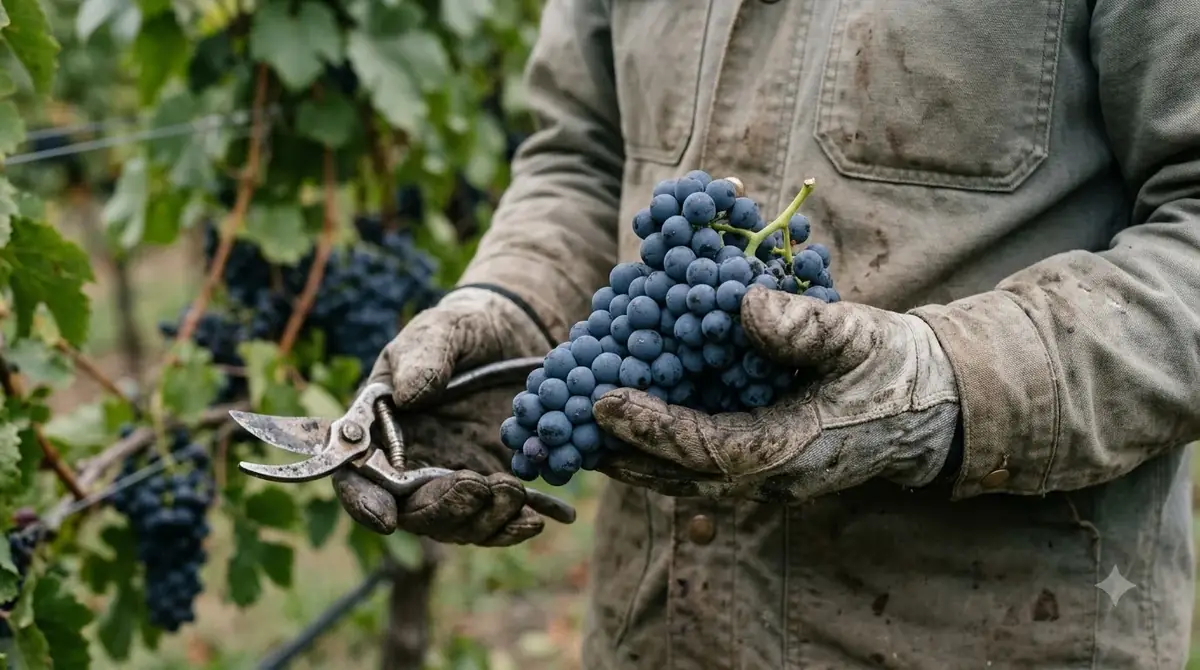
On the red wine side, Norton reigns as Missouri’s official state grape. Originating in Virginia and thriving in Midwestern soils, Norton produces deeply pigmented, full-bodied dry wines marked by dark blackberry fruit, earthy spice, and vibrant natural acidity. Chambourcin, a versatile French-American hybrid, offers a softer, medium-bodied red profile filled with red cherry, plum, and subtle cocoa notes that pair easily with grilled meats and roasted poultry.
White and rosé wines showcase remarkable range across the region. Vignoles is one of Missouri’s signature white grapes, delivering intense floral aromatics alongside tropical pineapple and apricot flavors. Winemakers craft Vignoles across the entire sweetness spectrum, from bone-dry table wines to lush late-harvest dessert bottles. Other staples include Seyval Blanc, which yields crisp, citrus-driven whites, Chardonel (a cross of Chardonnay and Seyval Blanc), spicy Traminette, and fruity pink wines made from Catawba.
Notable Producers Across the State
Missouri’s winery landscape blends historic nineteenth-century estates with modern family-owned vineyards scattered across eight regional wine trails. Many of the oldest properties sit in Hermann and Augusta, where brick cellars hand-dug into limestone hillsides still age barrels today.
In the Hermann AVA, Stone Hill Winery and Adam Puchta Winery represent two pillars of early German-American winemaking. Stone Hill operates inside massive arched underground cellars built in the mid-1800s and earned international acclaim prior to Prohibition. Nearby along the Hermann Wine Trail, Hermannhof Winery and Röbller Vineyard and Winery continue that heritage with estate-grown Norton, Chambourcin, and Vignoles.
Farther east in Augusta, Mount Pleasant Estates and Augusta Winery anchor one of America’s earliest wine corridors, with Mount Pleasant earning particular recognition for its aged Tawny Port-style wines and single-vineyard Norton bottlings. In the Ozark Highlands, St. James Winery reflects the region’s Italian immigrant roots along the Meramec River Wine Trail, while Shawnee Bluff Winery overlooks Lake of the Ozarks and TerraVox Winery in northwest Missouri focuses on preserving rare native American grape cultivars.
Visiting Tips for Wine Travelers
Exploring Missouri wine country works best when structured around one of the state’s eight established wine trails, as tasting rooms are spread across rural river valleys and forested hills rather than clustered on a single highway. Grouping three to four wineries in a single AVA keeps driving times short and allows space to enjoy scenic overlooks and local dining.
Spring and autumn offer the most comfortable weather for vineyard visits. April and May bring mild temperatures and blooming hillsides, while September and October coincide with harvest activity and vibrant fall foliage along the Missouri River bluffs. Summer weekends remain lively with outdoor live music and patio tastings, though afternoon humidity can climb quickly between June and August.
Tip: Check winery schedules before heading out on weekdays, as many smaller family estates in the Ozarks and rural river towns operate expanded tasting room hours from Thursday through Sunday.
If your trip centers on Hermann or Augusta, consider taking the Amtrak Missouri River Runner from St. Louis or Kansas City directly into Hermann, where local shuttles and walkable town streets connect historic cellars without the need to drive. Travelers who enjoy discovering emerging domestic and international wine destinations—much like exploring arizona wine country, valle de guadalupe wine country, or uruguay wine country—will appreciate how unhurried and personal tastings feel across Missouri’s family-run estates.
How to Buy and Store Missouri Wines
Because most Missouri wineries are small- to medium-sized family operations, the widest selection of single-vineyard Norton, dry Vignoles, and library Port-style bottlings is found directly at tasting rooms or through winery websites. Larger regional producers distribute flagship bottles to grocery stores, specialty wine shops, and restaurants across Missouri and neighboring Midwestern states.
When shopping for bottles, check the front label for specific AVA designations such as Augusta, Hermann, or Ozark Highlands. Under federal regulations, a wine bearing an AVA name must contain at least 75 percent grapes grown within that designated boundary, which often signals higher site specificity and stricter vineyard selection than a broad state-level blend.
For home storage and serving, treat aromatic white hybrids like Vignoles, Seyval Blanc, and Traminette as fresh, fruit-forward wines best enjoyed within one to three years of vintage, served well chilled. Full-bodied dry Norton, by contrast, carries firm acidity and phenolic structure that allow top examples to age gracefully in a cool, dark cellar for five to ten years, opening up deeper notes of dark chocolate, dried plum, and baking spice over time.
Frequently Asked Questions
What is Missouri wine country best known for?
Missouri wine country is best known for housing the first federally designated American Viticultural Area in the United States (Augusta, established in 1980) and for producing wines from Norton, the official state grape. Visitors also seek out its nineteenth-century German wine heritage along the Missouri River and expressive white wines made from the Vignoles grape.
Why do Missouri wineries grow hybrid and native grapes instead of Cabernet Sauvignon?
Missouri has a continental climate marked by hot, humid summers and freezing winters that can damage classic European Vitis vinifera vines. Native American varieties like Norton and French-American hybrids like Chambourcin and Vignoles naturally resist cold injury and fungal pressure while ripening reliably in Midwestern soils.
How many wineries and wine regions are in Missouri?
Missouri is home to more than 125 wineries organized across eight regional wine trails. The state also encompasses five official American Viticultural Areas: Augusta, Hermann, Ozark Mountain, Ozark Highlands, and the Loess Hills District.
When is the best time of year to visit Missouri wine country?
Autumn—especially September and October—is widely considered the premier time to visit, combining grape harvest energy with crisp weather and colorful foliage along the river bluffs. Late spring in April and May also offers pleasant patio weather and lush vineyard views before peak summer humidity arrives.
Whether you are sampling dry, berry-rich Norton in a historic limestone cellar or sipping chilled Vignoles overlooking the Missouri River, Missouri wine country rewards curious drinkers with genuine American history in every glass. Planning a route along one of its eight wine trails offers an approachable, scenic way to experience a foundational chapter of U.S. winemaking.
More in Wine Regions
 Willcox Wine Trail: Discover Arizona’s High-Elevation Wine CountryUpdated Nov 20, 2026
 Yakima Valley Wine Region: Find the Best Styles to TryUpdated Nov 20, 2026
 Vosne Romanee Wine Tasting: Identify Aromas and Choose Better PairingsUpdated Nov 20, 2026
 Yakima Valley Wine Festival: Find the Best Seasonal Wine EventsUpdated Nov 20, 2026
 Wales Vineyards: Discover Cool-Climate Wines and Where to VisitUpdated Nov 20, 2026
 Yountville Wine Festival: Discover Napa Wines and Local FoodUpdated Nov 20, 2026