

We may earn a commission when you buy through links on this page, at no extra cost to you. Learn more.
Missouri wine comes from one of the oldest wine traditions in America, built largely by German immigrants in the 1800s. The state was once the country’s leading wine producer, then nearly lost its industry during Prohibition. Today its wineries focus on native and hybrid grapes such as Norton, along with an expanding group of French-American and vinifera varieties.
If you have seen a bottle labeled Missouri on a shop shelf or a wine list and wondered what to expect, this guide covers where the wine comes from, how the grapes differ from California or France, and how to serve and pair it. Missouri wine is less familiar to most people than the coastal regions, so the basics below help set expectations before you open a bottle.
A Short History of Missouri Wine
Missouri’s wine story starts with German settlers who arrived in the early and mid 1800s and planted vineyards along the Missouri River. Reviewers often point to the wine corridor’s nickname, “Rhineland,” as a nod to those roots. According to a summary of Missouri wine on Wikipedia, Missouri reached the top spot among American wine producers by the 1880s and was still second-largest just before Prohibition.
Prohibition wiped out most of that industry for decades. The revival came in 1965, when Stone Hill Winery reopened in Hermann. The winery was founded in 1847 by German immigrants and sat dormant for 45 years, and its reopening was the first in Missouri after Prohibition. The Stone Hill Winery describes that moment as the start of the state’s modern wine scene, and it set the pattern for the small, family-run wineries that dominate the state today.
The Main Wine Regions and AVAs
Missouri’s wine geography is divided into several American Viticultural Areas, and each one has its own soils and climate. The Augusta AVA, established in 1980, was the first AVA in the nation. The Hermann AVA followed in 1983, and the Ozark Highlands AVA was approved in 1987. Within the broader Ozarks, smaller sub-appellations give wineries more specific place names on their labels.
The Augusta and Hermann areas sit along the Missouri River, where the hills, limestone soils and river breezes suit hardy grapes. Farther south, the Ozark Highlands cover a larger and more varied landscape. Many visitors plan a trip around these river towns because the wineries, lodging and food are all close together, which makes a single weekend easy to organize. Driving between tasting rooms is simple, and most stops are a short distance apart along the river corridor. Travelers who want a quieter pace often choose a bed and breakfast in a small town and visit two or three wineries a day.
Grape Varieties and Wine Styles
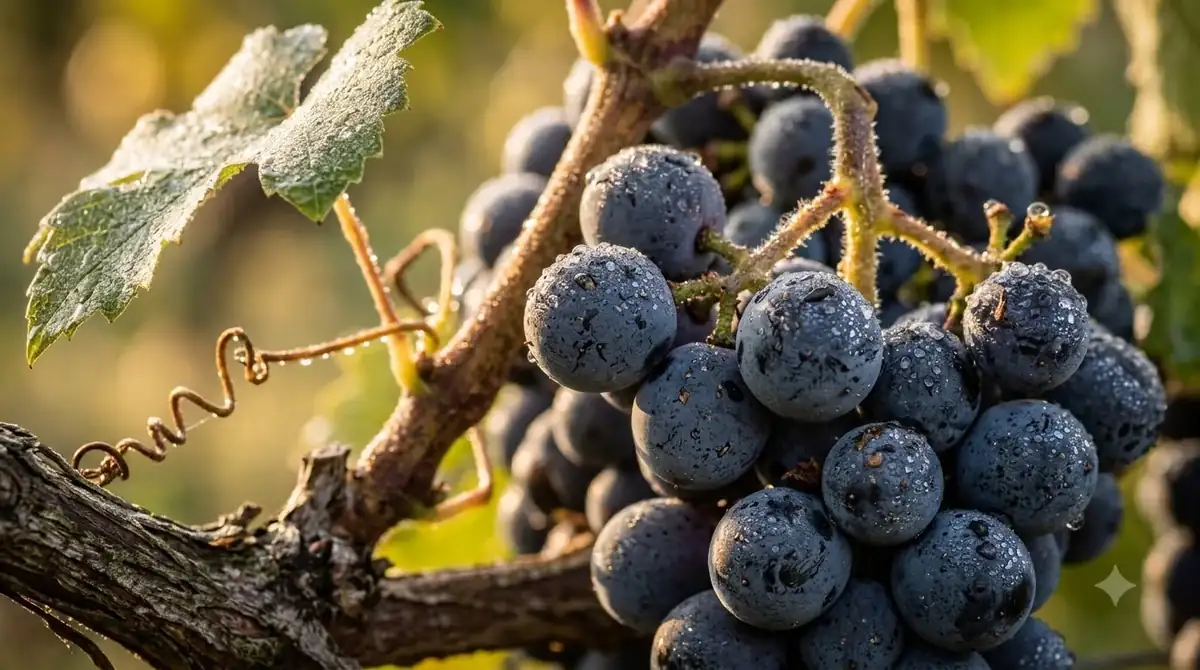
Norton is the grape most associated with Missouri. It is a native American variety also known as Cynthiana, and it produces deep red wines with dark fruit, firm acidity and a bold character. Many regional wine writers describe Norton as a grape that is distinctly Missouri, in the same way that Zinfandel is tied to California. The grape has a reputation for handling the humid summers and cold winters of the Midwest better than many European varieties, which is one reason it has stayed in the state’s vineyards for generations. Winemakers who work with Norton often mention its deep color and natural acidity as the features that define it.
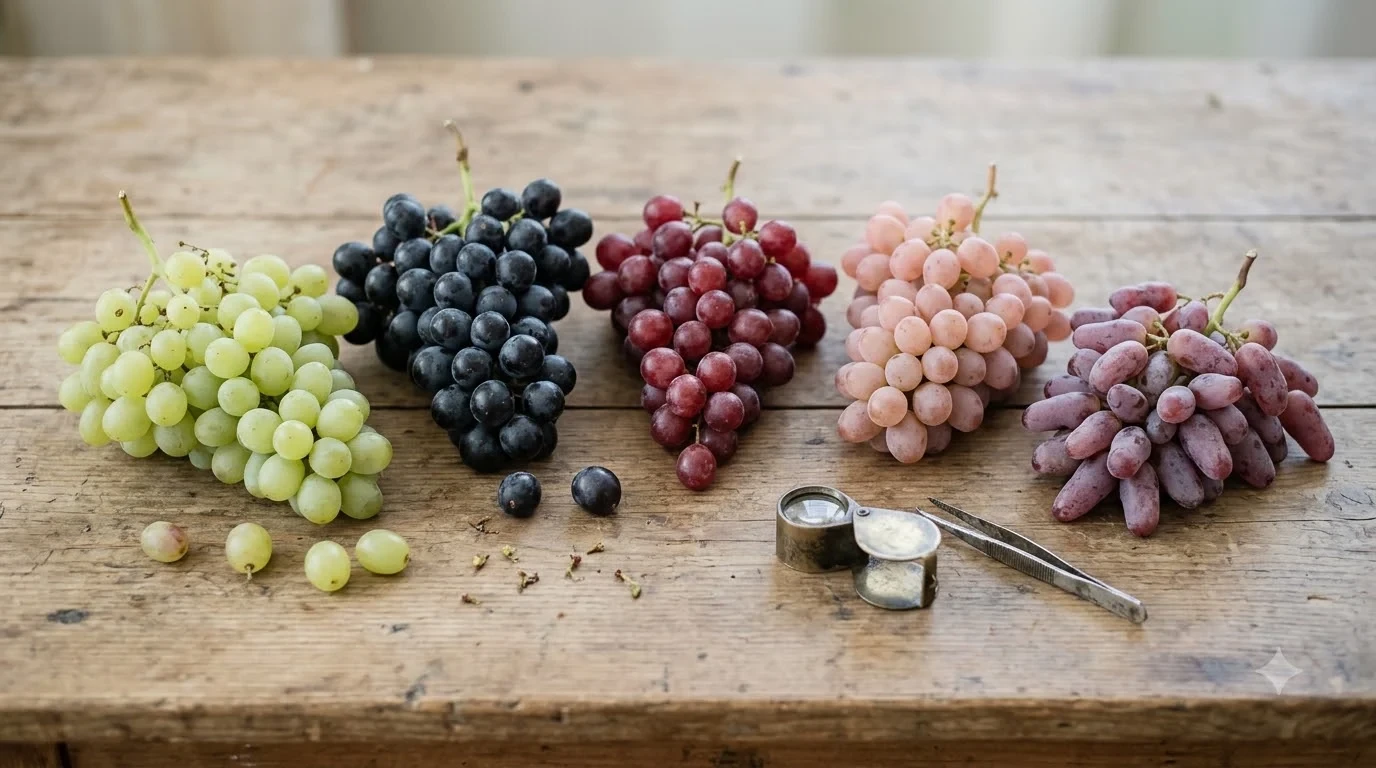
Missouri wineries also work with Concord, Catawba, Vignoles, Seyval and Chambourcin. Vidal blanc shows up on many lists as a crisp white. Interest in vinifera varieties is growing, and producers are experimenting with Cabernet Franc, Chardonnay, Petit Verdot and Mourvèdre. Sweet and off-dry wines remain common, especially in tasting rooms that cater to visitors new to wine.
| Style | Common grapes | What to expect |
|---|---|---|
| Dry red | Norton, Chambourcin | Dark fruit, bright acidity, firm structure |
| Dry white | Vidal blanc, Seyval | Crisp, citrus-leaning, easy to drink |
| Off-dry or sweet | Concord, Catawba, Vignoles | Fruity, aromatic, lower in tannin |
| Vinifera | Cabernet Franc, Chardonnay | Closer to European styles, newer to the state |
How to Serve and Pair Missouri Wine
Serving temperature matters more for Missouri reds than many people expect. Chambourcin and Norton usually show better when they are served a little cooler than the typical room temperature of a warm house, so a short stay in the refrigerator before pouring can help. Crisp whites like Vidal blanc are best chilled, and sweeter styles work well lightly cooled.
Pairing works well with the state’s food traditions. Norton is a natural match for smoked meats, barbecue, sausages and aged cheeses. Off-dry whites pair with spicy dishes, while dry whites suit fried chicken, fish and salads. The lower tannins in many Missouri reds also make them flexible at the table.
Tip: If you are new to the style, ask a tasting room staff member to pour a dry wine and a sweet wine from the same winery. The comparison helps you learn which style you prefer before buying a full bottle.
Visiting Missouri Wineries and Buying Bottles
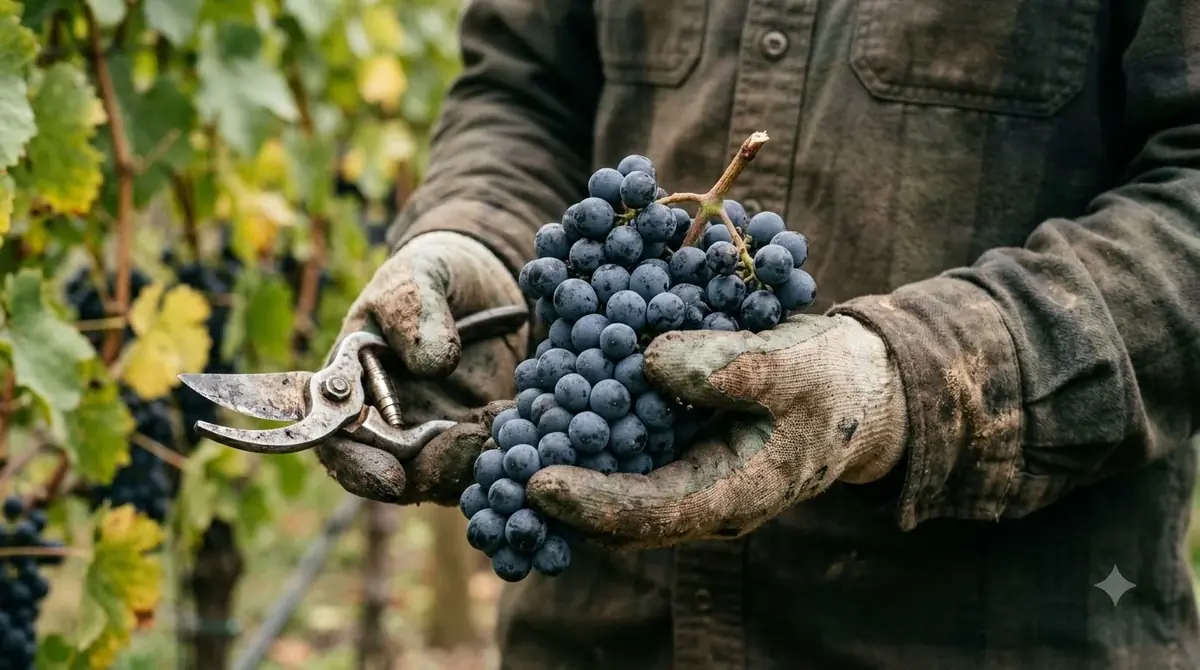
Missouri wine is easiest to find at the wineries themselves, many of which offer tastings, tours and events. Stone Hill Winery in Hermann is among the best-known stops because of its historic grounds, which the winery says include what it calls the largest underground cellars in North America, and its long production history. Smaller wineries in the Augusta and Ozark areas often have more personal tastings, so calling ahead for weekend reservations is a good idea. Ask whether a tour of the production area is available, since many family-run wineries are happy to explain how their fermentation and aging rooms work. Tasting fees, tour schedules and event calendars change from season to season, so check each winery’s website before you travel.
If you are shopping at home, look for wines labeled with a specific AVA or region name, since that tells you where the grapes were grown. Many Missouri wineries also ship within their state and to other states where the law allows. For a broader look at how American regions compare, the wine regions guide is a useful companion, and the Arizona wine page shows how another state’s wineries approach a similar mix of native and warm-climate grapes.
Reading a Missouri Wine Label
Missouri labels follow the same general rules as other American wines, so the usual clues still apply. The grape variety, if listed, tells you the flavor family you are buying. A label that names Norton or Chambourcin points to a red with bold fruit and noticeable acidity, while a Vidal blanc or Seyval suggests a crisp white that is easy to drink with light food. A label that says “dry” or “semi-sweet” gives you a direct hint about sweetness, and many wineries print the residual sugar level on their tasting notes.
The appellation line matters too. A wine labeled with the Augusta or Hermann AVA name must be made from grapes grown in that area, which tells you something about the climate and soils behind the bottle. Estate-grown wines make the same promise from a single property. If a label only says “Missouri,” the wine may blend grapes from several sources, which is common and often good value.
When you are unsure, read the back label or ask the staff at a tasting room. Wineries are usually glad to explain their sweetness level, the grapes in the blend, and whether the wine has been aged in oak. Those few details help you choose a bottle that fits your meal and your taste, and they make the next purchase easier.
Frequently Asked Questions
Is Missouri a real wine state?
Yes. Missouri has a long history of winemaking, and according to a Wikipedia summary of the industry it was the nation’s top producer in the 1880s. The state has more than a century of tradition, followed by a modern revival that started in the 1960s.
What is Norton wine?
Norton is a native American grape, also known as Cynthiana, that makes deep red wines. It is the signature grape of Missouri and tends to be dark, structured and fruit-forward, with enough acidity to pair with rich foods.
Is Missouri wine sweet?
Not always. Many Missouri wineries make dry reds and whites alongside sweeter styles. Sweet wines made from Concord or Catawba are common, but dry Norton, Chambourcin and Vidal blanc are widely available.
Where are the main Missouri wine regions?
The best-known areas are the Augusta and Hermann AVAs along the Missouri River, and the larger Ozark Highlands AVA to the south. Hermann and Augusta are a common starting point for first-time visitors because their wineries, towns and lodging are close together.
Missouri wine rewards curiosity. Start with a Norton or a Vidal blanc, serve it at the right temperature, and pair it with simple food. Once you know the local grapes, the state’s wine trail is a practical way to see how the traditions connect. For more background on American wine regions, browse the wine regions guide before planning your next bottle.
More in Wine Regions
 Willcox Wine Trail: Discover Arizona’s High-Elevation Wine CountryUpdated Nov 20, 2026
 Yakima Valley Wine Region: Find the Best Styles to TryUpdated Nov 20, 2026
 Vosne Romanee Wine Tasting: Identify Aromas and Choose Better PairingsUpdated Nov 20, 2026
 Yakima Valley Wine Festival: Find the Best Seasonal Wine EventsUpdated Nov 20, 2026
 Wales Vineyards: Discover Cool-Climate Wines and Where to VisitUpdated Nov 20, 2026
 Yountville Wine Festival: Discover Napa Wines and Local FoodUpdated Nov 20, 2026